
Sony and Nintendo’s Greed and Arrogance — Opinion
Sony
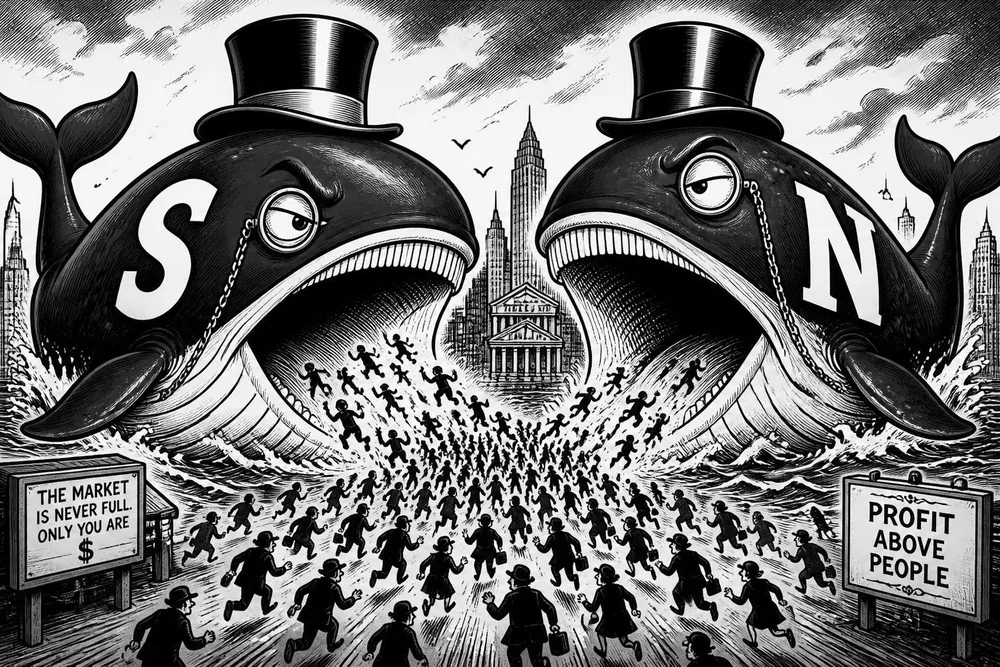
Several posts ago, I praised the Japanese gaming industry for managing to get the Western world hooked on its wares. Today, however, it is time to criticize it. The reason for this criticism is the greed and arrogance of the Japanese, expressed in their disrespect for their consumers. Recently, Sony stated that gamers do not own the copies of games they have purchased. Shortly after that statement, the PS5 was hacked. Coincidence or not, the hackers did not report back to me. But it was amusing to watch the fat cats at Sony grow nervous. The Japanese urgently developed updates for the PlayStation 5 that closed the vulnerability (although by ignoring the updates, one can keep the console hacked). After all, GTA VI is on the way, and their supposedly ultra-secure anti-piracy fortress was stormed by unknown internet buccaneers. Sony also attempted to remove pirated game libraries, but new and more extensive game libraries appeared to replace the deleted ones. Interestingly, pirates managed to turn the PlayStation 5 into a great multiplatform system, since hacked consoles became capable of running games from other platforms, including PC games. While Sony denied PS5 users backward compatibility, the corsairs made it possible. The digital dystopia created by Sony fell thanks to the efforts of a handful of internet anarchists. I hope this whole pile of restrictions imposed on users by Sony will finally be relegated to the past, taking with it the totalitarian control of devices and the repression of players through bans. Here’s to final and irreversible multiplatform freedom and freedom for PS5 players! That’s how the people punished an authoritarian capitalist for greed and insolence.
Nintendo
However, Sony is not the most brazen game publisher from Japan. No matter what the gentlemen at Sony do, they are far from matching the cheapskates at Nintendo. The Big N is probably responsible for some of the wildest antics in the history of the gaming industry. I will not list all of their antics here, so as not to make the text too long. You have the internet, so if you wish, you can find them yourselves. But removing noncommercial fan-made games from the internet through DMCA takedowns is an outright abuse of legal power, since these games are distributed free of charge and created out of pure enthusiasm. Nintendo also got YouTube to ensure that revenue from videos featuring its games went into the pockets of an already wealthy company rather than to the video creators. Legally* **the company is in the right, but what is telling is that no one else has adopted Nintendo’s approach in this form. Here, the Big N clearly stands out for its harshness and greed. Nintendo’s excessive stinginess was also illustrated by its policy toward fan tournaments, on which the company imposes a pile of restrictions regarding organization and monetization. Are Nintendo’s actions legal? Yes. Are they fair to the fans? Absolutely not.
*
Why do these companies allow themselves to behave this way?*
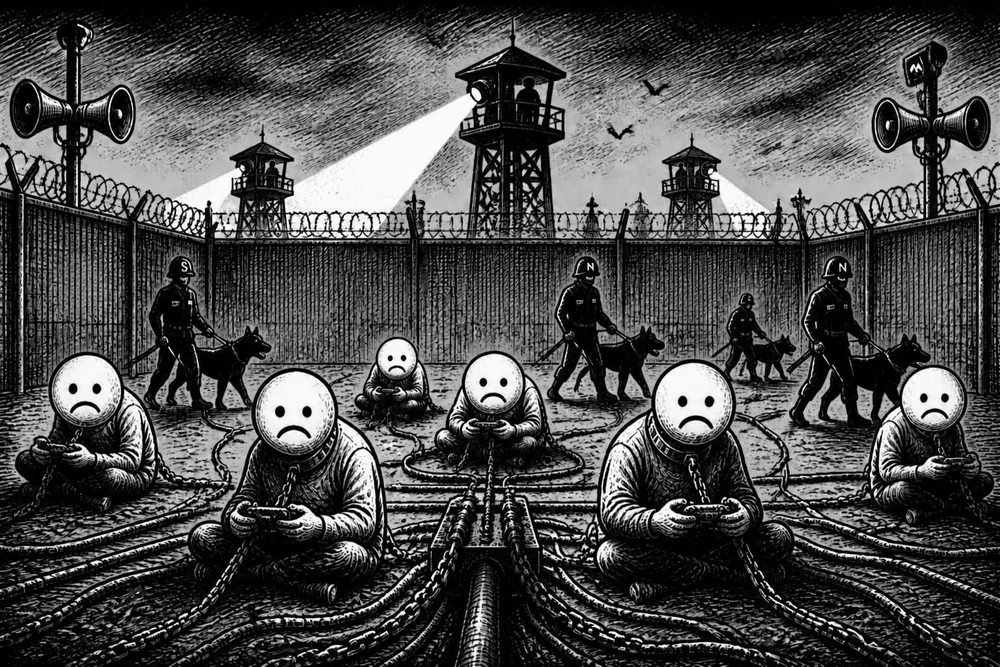
The actions of the aforementioned publishers clearly demonstrate why piracy, despite all its drawbacks, is a necessary and important phenomenon. It serves as a system of checks and balances, preventing greedy publishers from becoming excessively brazen. After all, a publisher understands that if consumers have access to pirated content, then consumer interests must be taken into account; otherwise, the player is left with one effective form of protest: refusing to buy a license in favor of piracy. In that case, publishers and rights holders lose their excess profits, which is quite painful for entrenched big capitalists, as they are accustomed to a luxurious lifestyle, and settling for less would mean, at the very least, condemning themselves to enormous emotional suffering.*
"If you criticize, offer a solution," comes from behind the monitor. Therefore, I suggest that the Japanese giants change their attitude toward consumers for the better. Because if a publisher treats the consumers of its product with contempt, then consumers are not obliged to treat the publisher’s intellectual property with respect either. There is Microsoft, and there is Steam; users of these systems have more rights and opportunities than the audiences of closed Japanese services. Microsoft also has its own console and also dislikes piracy, but it does not descend into digital totalitarianism like Sony and Nintendo. Clearly, the people at Xbox think not only about profits but also about consumers. They understand that a business without consumers is nothing. But the descendants of samurai have their own business logic. And so Sony and Nintendo spit on the interests and convenience of consumers. To this pair, the consumer is nothing more than a cash cow, unworthy of respect. Only their idol—the golden calf—is worthy of respect. Before this metaphorical horned beast, they are ready to prostrate themselves in prayer for endless profits, sparing not even their foreheads. But the people cannot tolerate predatory treatment forever. Today, a corporation boldly kicks its users, but tomorrow the kick of retribution may reach the company itself. Xbox understands this, which is why its attitude toward the consumers of its products is better. After all, if a gamer can download a pirated copy, they should be carefully persuaded to buy a licensed one by providing a convenient service, rather than being confronted from a position of strength, restricted and punished. Any form of violence can provoke nothing but resistance and discontent. Sony and Nintendo apparently believe that their anti-piracy protection is so perfect that players simply will not be able to play pirated copies, and therefore it is unnecessary to take their opinions into account, since they have nowhere else to go anyway. Would they be so harsh with people if they feared piracy? I doubt it. Nevertheless, as I wrote above, people will respond to companies’ predatory treatment. The only question is when retribution will come. Alternatively, companies can start taking users’ interests into account, and users, in turn, will repay publishers with substantial profits by deliberately giving up piracy. In the end, the consumer is also a human being, and it is human nature to appreciate being treated well.

Keywords: PS5 hacking, ps5 hack, PlayStation 5 hack, piracy, criticism of Sony and Nintendo, Sony and Nintendo scandals