
Review of the Transformable Smartphone HUAWEI Mate XT Ultimate Design
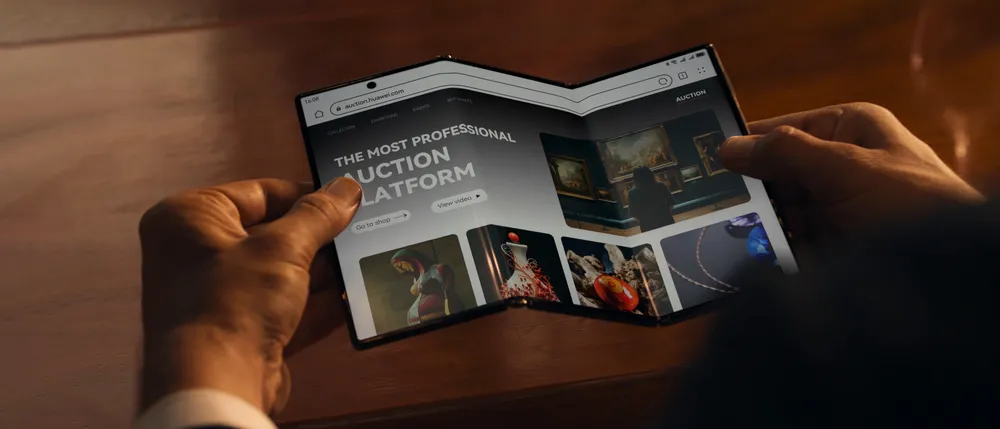
HUAWEI Mate XT Ultimate Design is quite an unusual device that combines the compactness of a smartphone with a large screen area comparable to a tablet when unfolded. The company Huawei has definitely decided to experiment with design in what seemed to be already established conventions for mobile solutions. But how justified is this experiment?
Design
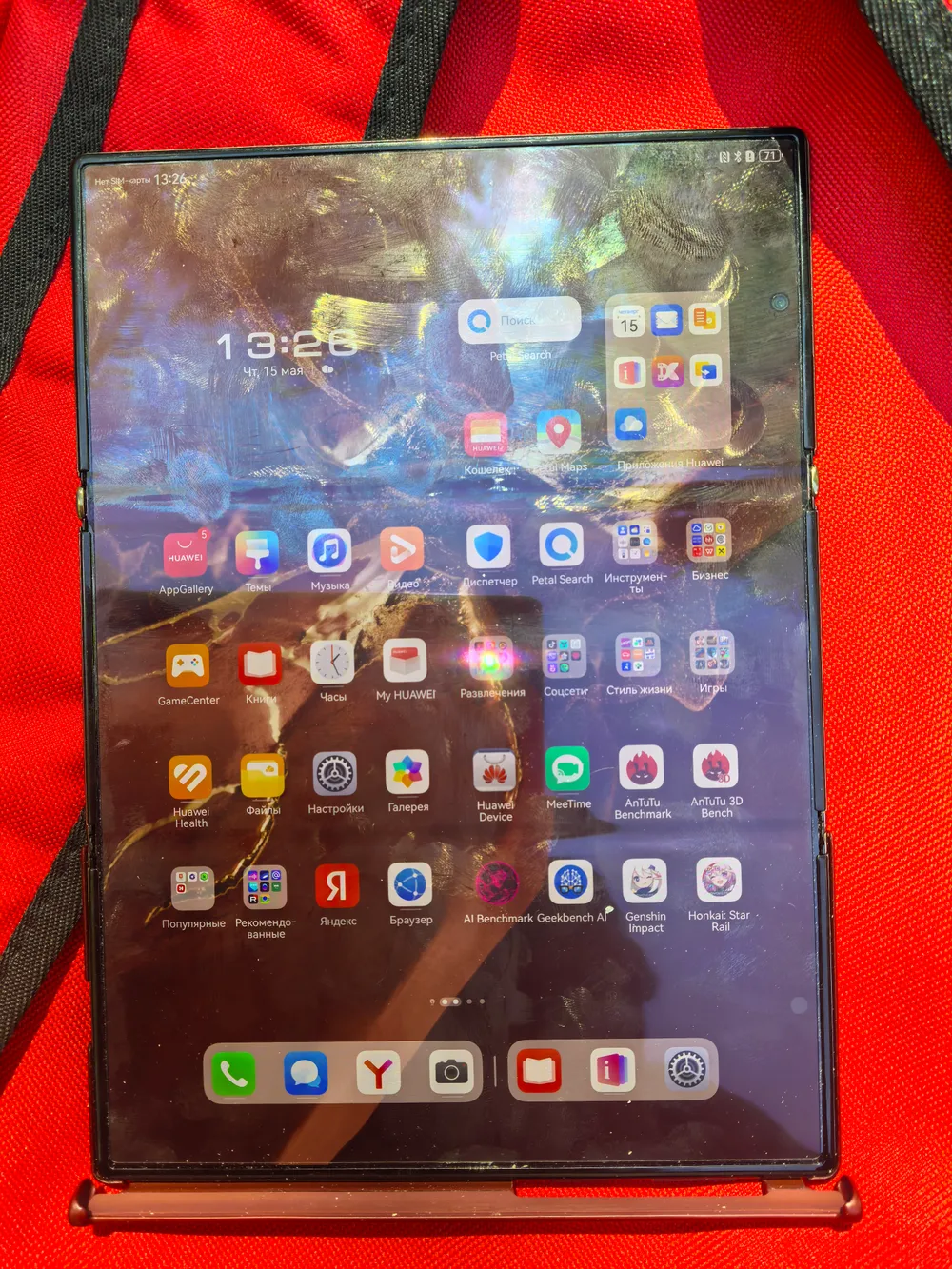
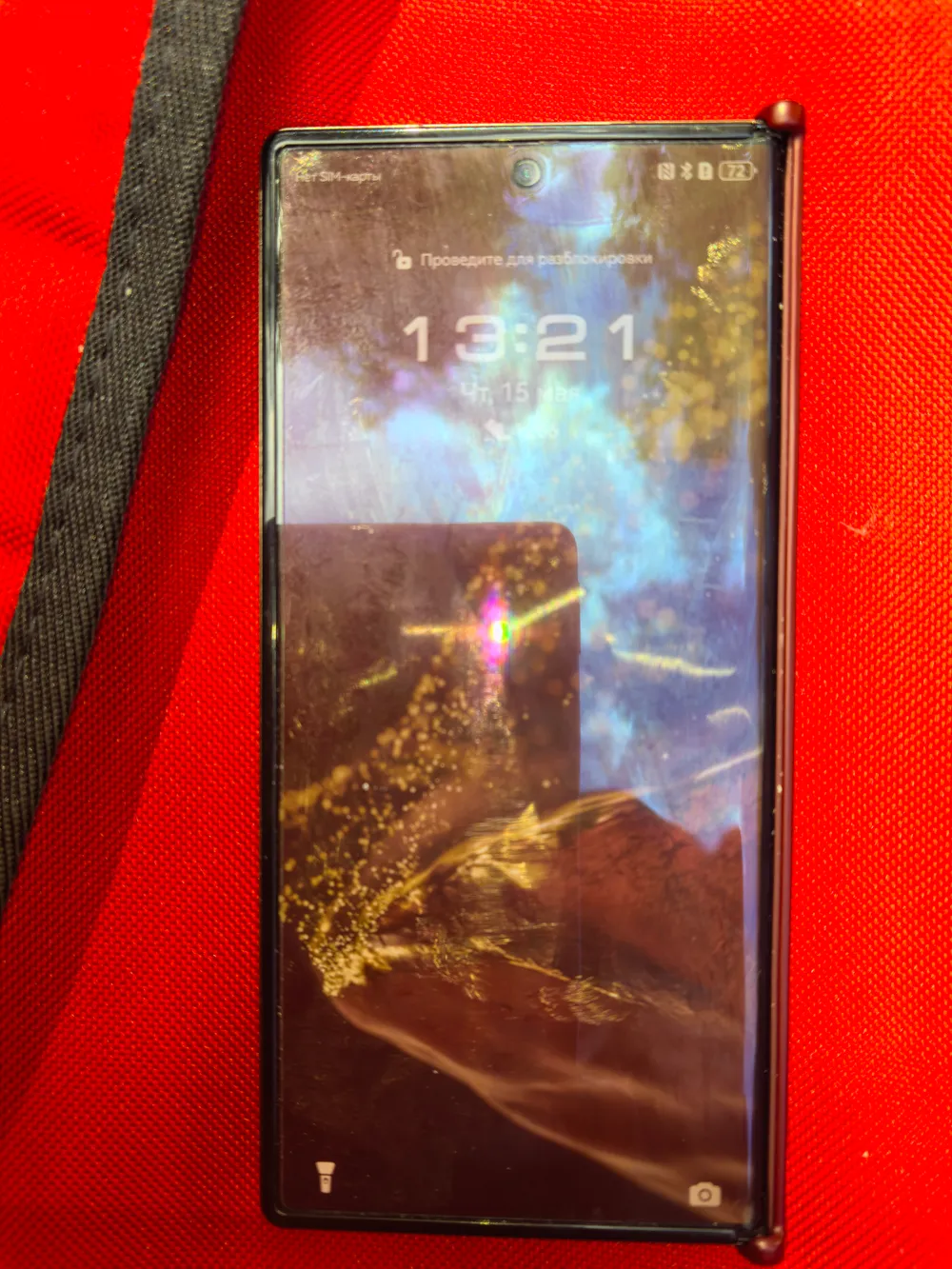
The main feature of the HUAWEI Mate XT Ultimate Design is, as I mentioned, the possibility of "transformation." When folded, the device looks like a smartphone, albeit a very thick one. However, once you unfold the device, it becomes three times thinner and three times wider, thus transforming into something like a tablet. However, the buttons (power and volume) remain on the right edge, just like on a smartphone.

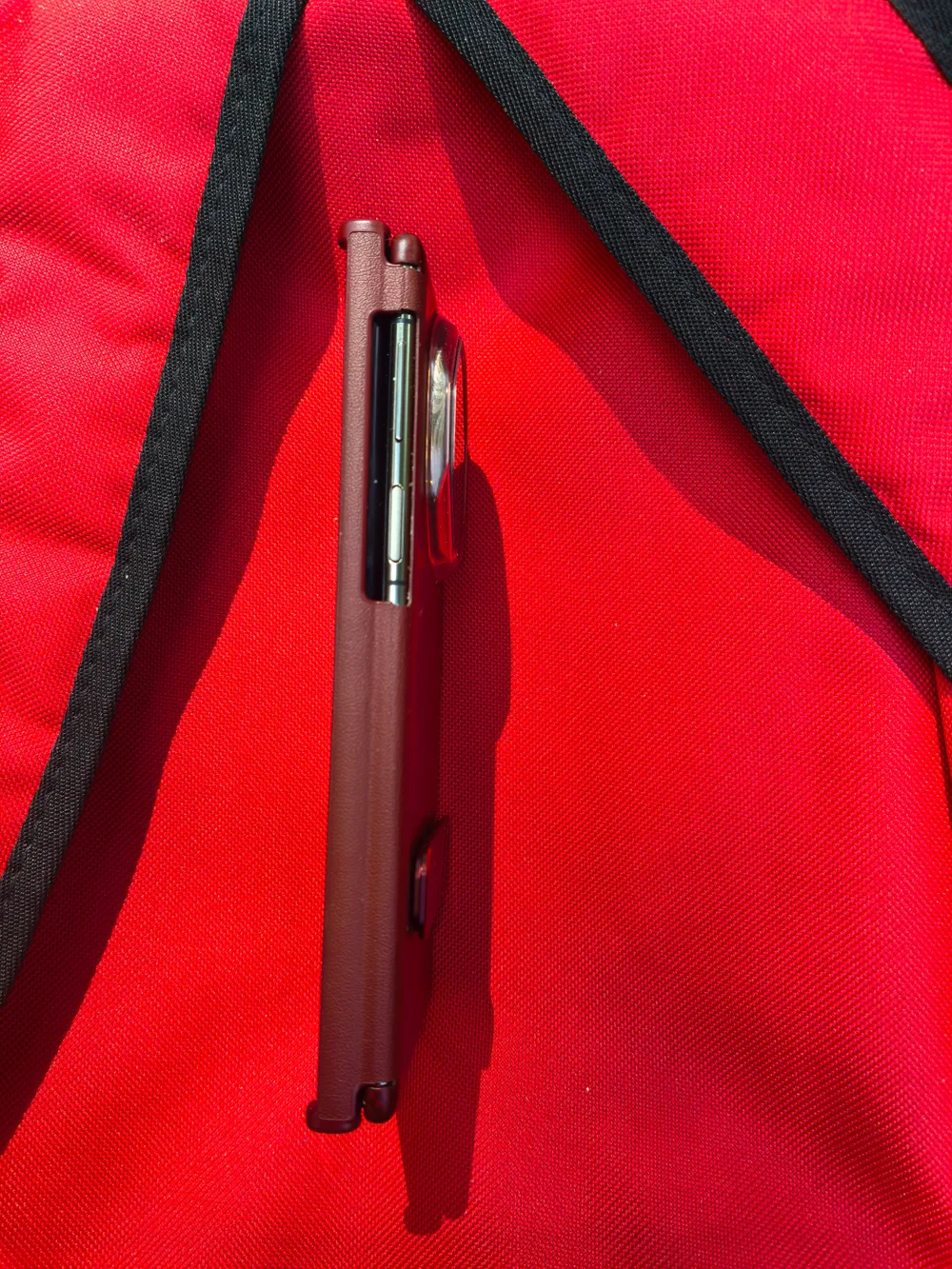
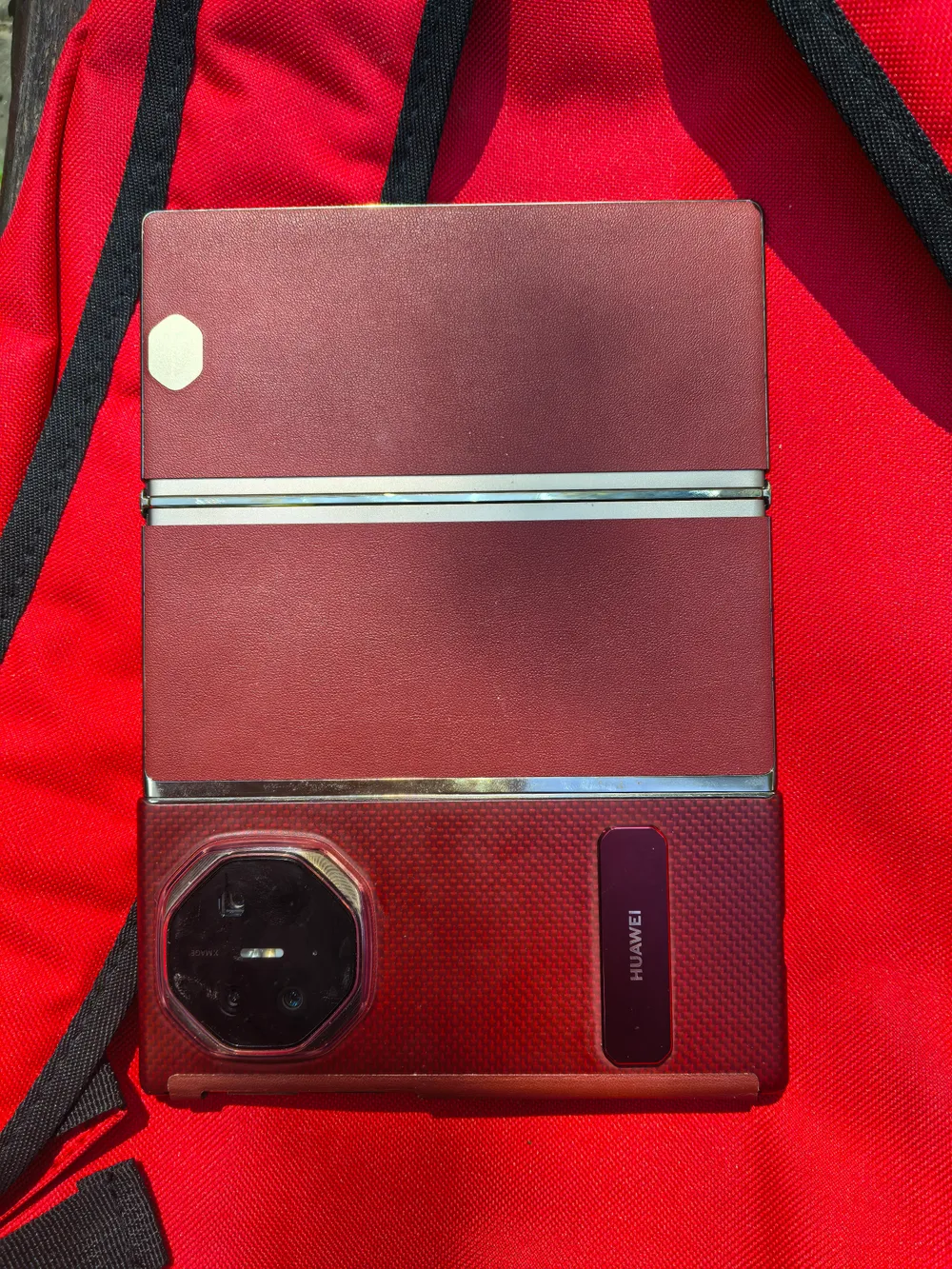
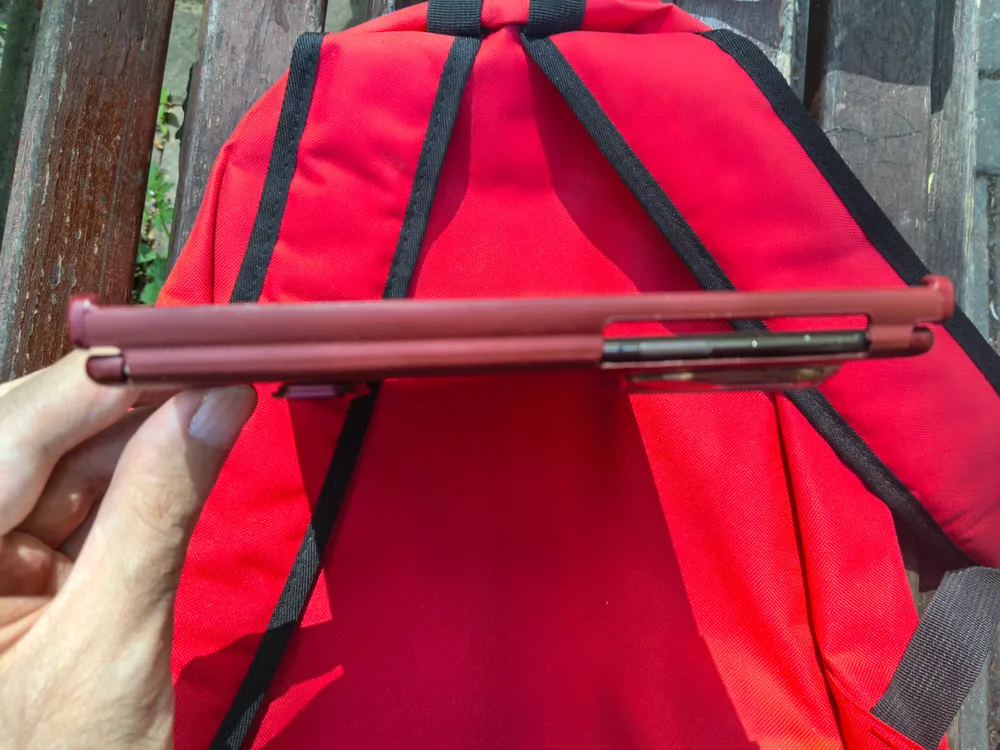
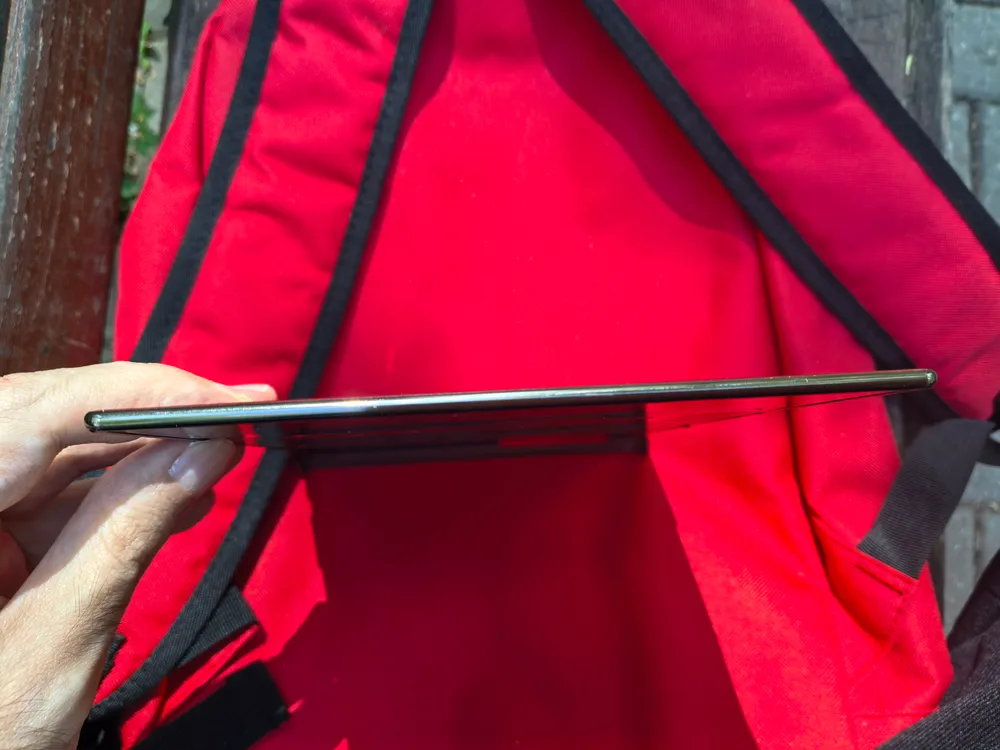
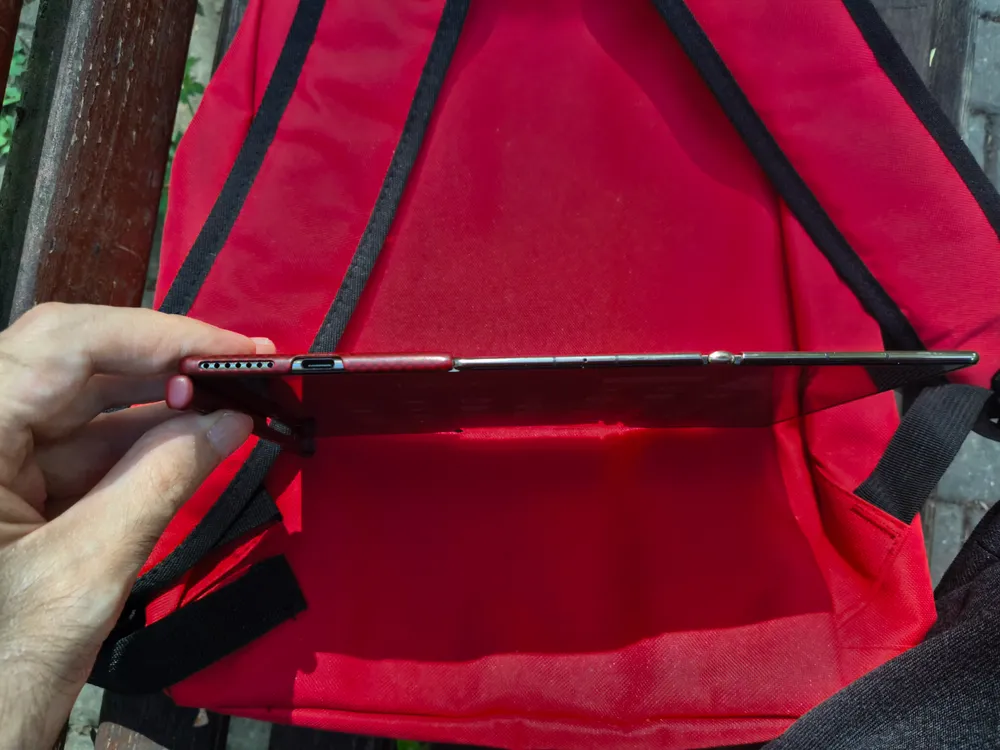
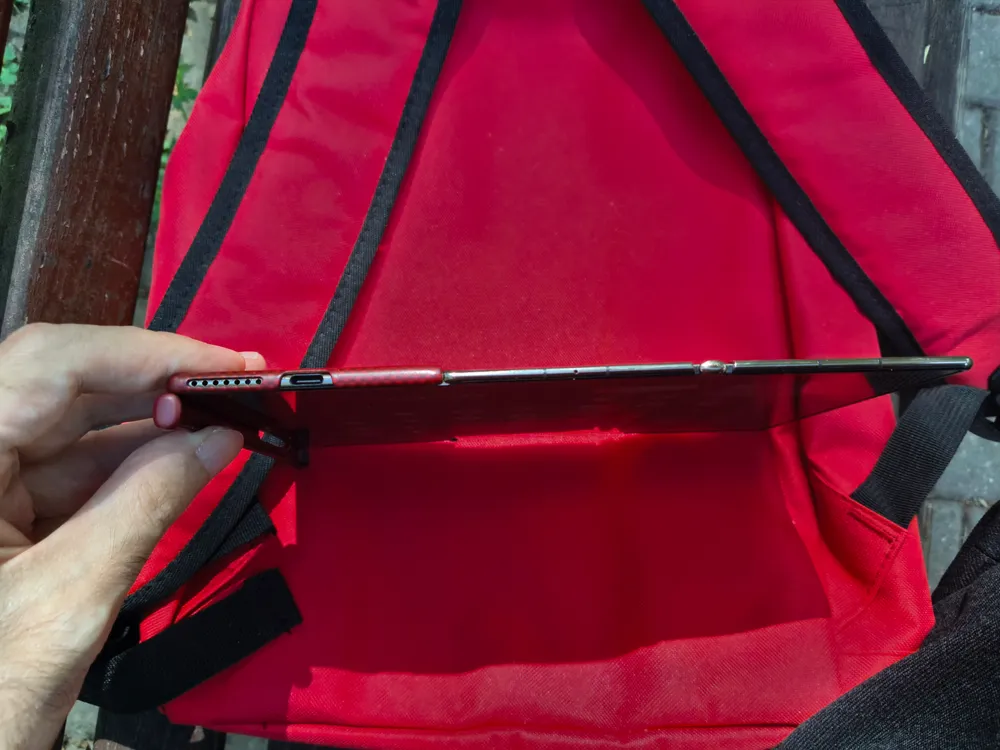
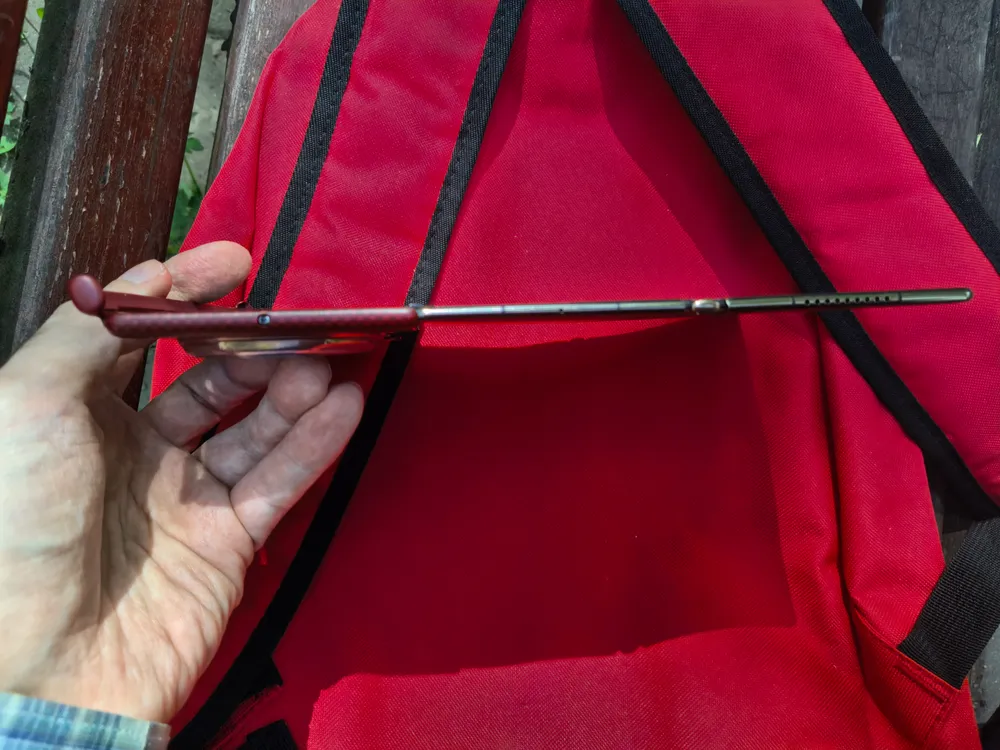
By the way, there is a specific problem here — since pressing the buttons requires a certain amount of force, you need to hold the "unfolded" device firmly by the other edge, which is not very convenient. If you miscalculate, you might inadvertently "fold" it back.
Unfolding it can also come with minor inconveniences, as grabbing the screen can accidentally turn something on or off.
As for the main camera, it is positioned centrally when viewed in smartphone mode. Moreover, following today’s trends, all the camera lenses are grouped in a symmetrical figure, in this case — a black octagon. Unusual, however, is the flash, which is not a round lens but rather a short slit (or narrow rectangle) situated on the axis of symmetry.
The front camera is also positioned in the standard way — above the screen. But again, only in smartphone mode. If you unfold the Mate XT, the main camera will end up in the upper right corner (which is quite typical for tablets), while the front camera remains above the screen but significantly to the left. This should be taken into account if you wish to use the cameras in tablet mode.
However, it seems that the cameras are primarily designed for smartphone mode, as even when you unfold the screen, the image from them will be displayed in the "smartphone" format, on the medium segment of the display.
The screen, of course, is flexible. So there are no "losses" in space. Moreover, the mechanism is well-designed — it unfolds and folds only with significant effort, and you can't accidentally collapse the Mate XT (except when attempting to press the buttons with force). The only downside some might find is the slight unevenness at the two joints. However, it is not noticeable while watching films. But if it were about drawing with a stylus… that functionality is not provided here.
There is only one port — USB Type-C. So you'll need headphones with a corresponding adapter or go wireless.
On the bright side, a stylish burgundy semi-case is included that covers the back in smartphone mode. Given that the back of the device is completely finished with a burgundy coating, this case looks organic even in the unfolded "tablet" state.
Functionality
The main function for today's smartphone undoubtedly is the digital camera. And the HUAWEI Mate XT Ultimate Design delivers this function to the highest standard. Details in the shot are clearly visible even at more than 10x zoom. The 50x zoom, though digital, still shows a decent image.
However, the video camera has lower resolution and only zooms up to 10x. Nevertheless, it also captures quality footage with features typical of a good camera — panorama, various filters, slow-motion shooting, fast shooting, and so on. It even offers the possibility to connect another device via the "Super Devices" function and shoot from multiple angles simultaneously. However, this function is only available if both models support it — and this is not the case for all in Huawei's catalog.



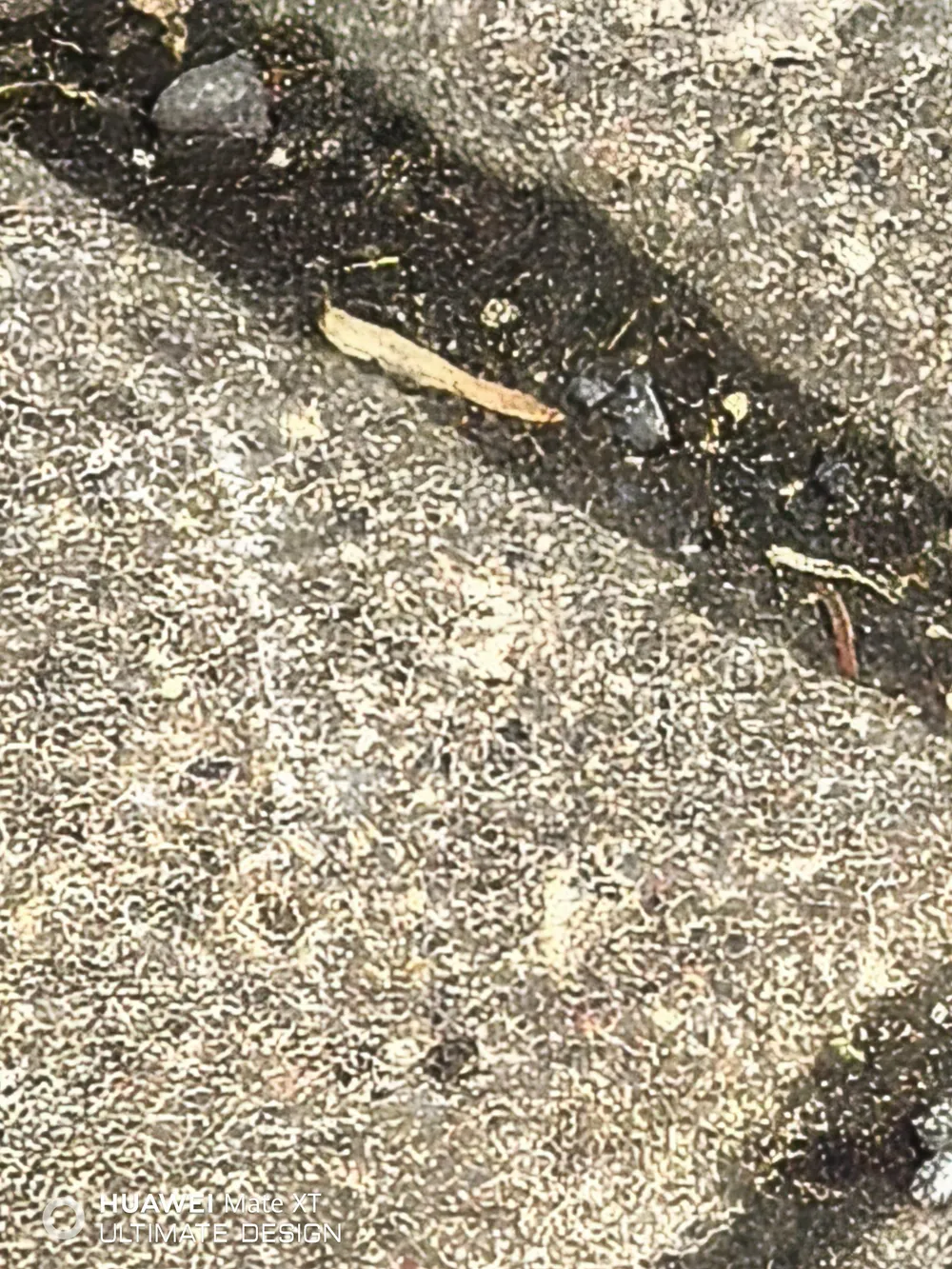
Filming in slow motion allows you to capture fast-moving objects with increased frame rates so that the motion can be viewed in slow motion afterward. However, the camera cannot continuously record in this mode and only captures clips of 10 seconds. So, playback will last 10 seconds, while the actual recording will correspond to 5 or 2.5 seconds, depending on the mode.
To help you keep track of when to shoot rapidly moving objects, you can enable the automatic reaction feature to fast motion in the frame. However, this function didn't work well in my experience. Not all fast-moving objects (I mainly tried to capture flying birds and passing cars) were registered, even when they zoomed right through the center of the frame. So I would still recommend relying on your own reaction.
Also, I should remind you that the image on the screen remains in the same format even when you unfold it. It simply shifts from the section of the display where it was in the folded state to the center of the screen. So don’t expect to see any enlarged details in tablet mode.
All functions are available for both the main multi-lens camera and the front camera. The only difference is that the resolution and maximum zoom of the front camera are lower.
In every other respect, I have no complaints about the camera functionality. The HUAWEI Mate XT is the best smartphone for shooting that I have reviewed in the past few years.
The sound system also left a pleasant impression. Listening to music or watching movies can be done comfortably without headphones, without sacrificing quality.
Hardware and Software
The device (I still don’t know whether to call it a foldable tablet or a flip smartphone) is equipped with a Kirin 9010 processor, 16 GB RAM, and a 1TB storage. It runs on the EMUI 14.2 operating system — Huawei's proprietary development based on Android 12.
It is important to note that, as with other models, the HUAWEI Mate XT does not have direct access to Google Play, only through the Gbox app. However, Gbox now supports many apps, and you can play all MiHoYo projects and other popular games without any issues. But if you need a rare application, it is worth checking its availability on the list in advance.
Many things are available directly in AppGallery — Huawei's own online store, which also features a loyalty program with giveaways and bonuses for purchased or even just downloaded and installed applications. Some developers even have special conditions for users who install versions from AppGallery.
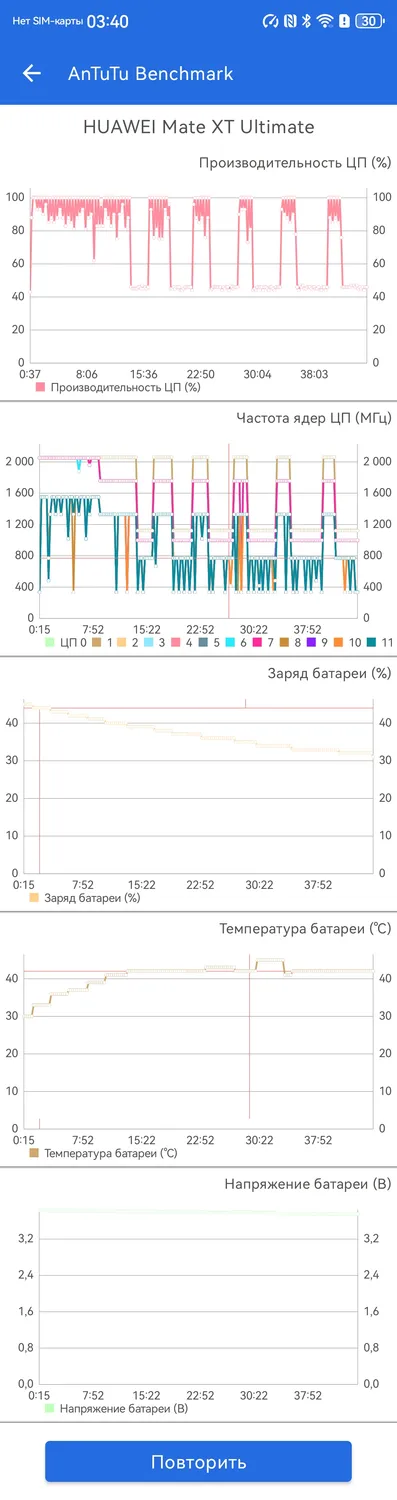
As for performance, tests show very good results. However, it is important to consider that in smartphone mode (when the device is folded and only a third of the large screen is used) the Mate XT works on average 17% faster than when it is unfolded as a tablet. Furthermore, Huawei's engineers seem to have not fully thought through the cooling of the device — it heats up quite a bit, especially in tablet mode. In fact, for the latter, the Antutu benchmark couldn't even finish the stress test due to the device overheating.
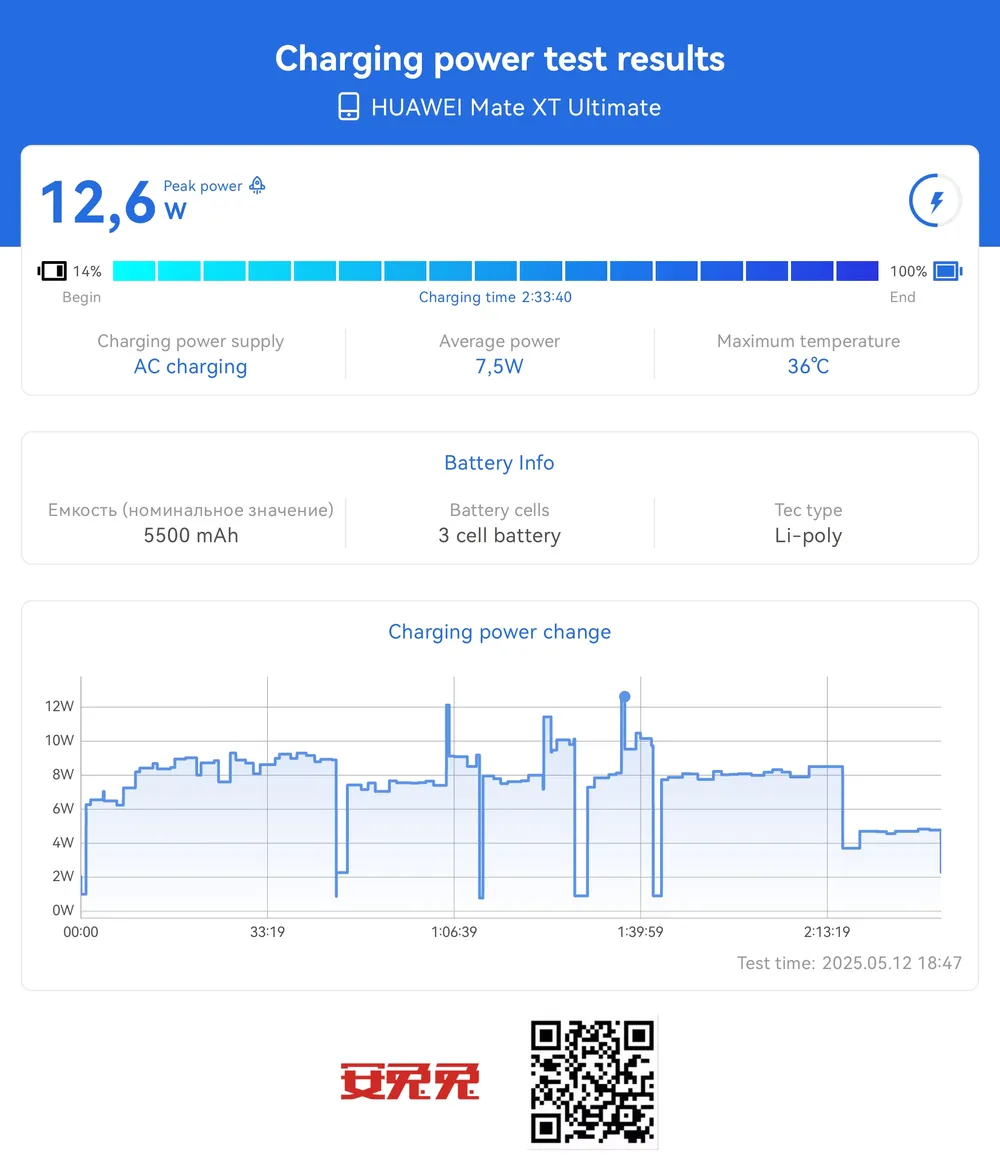

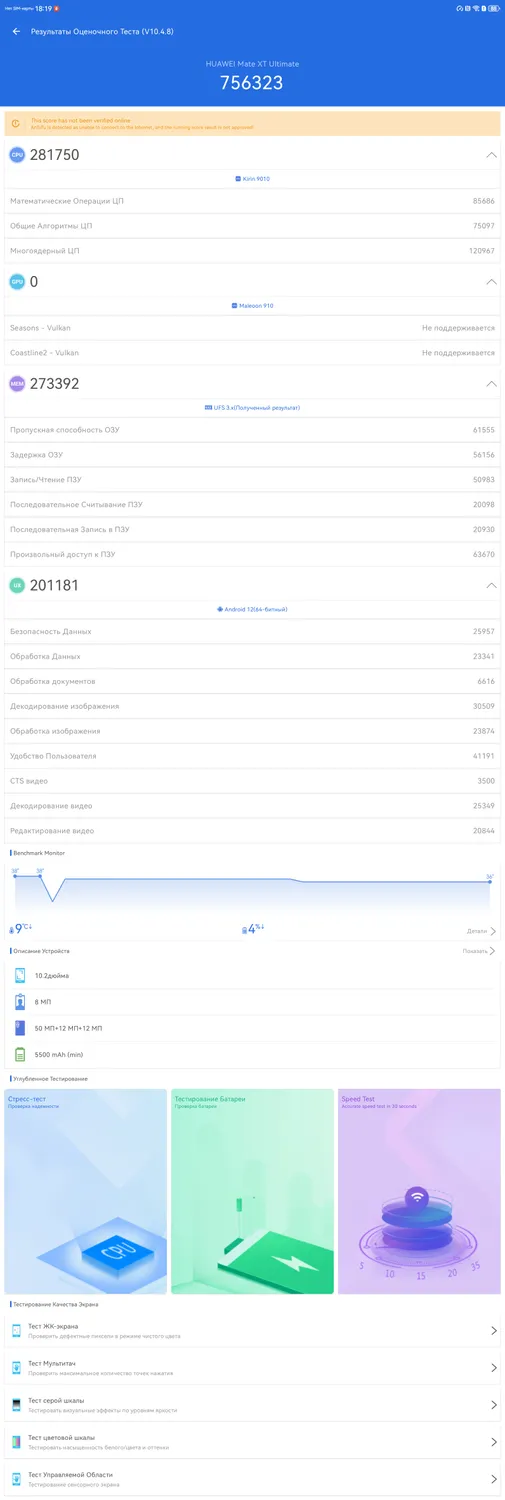
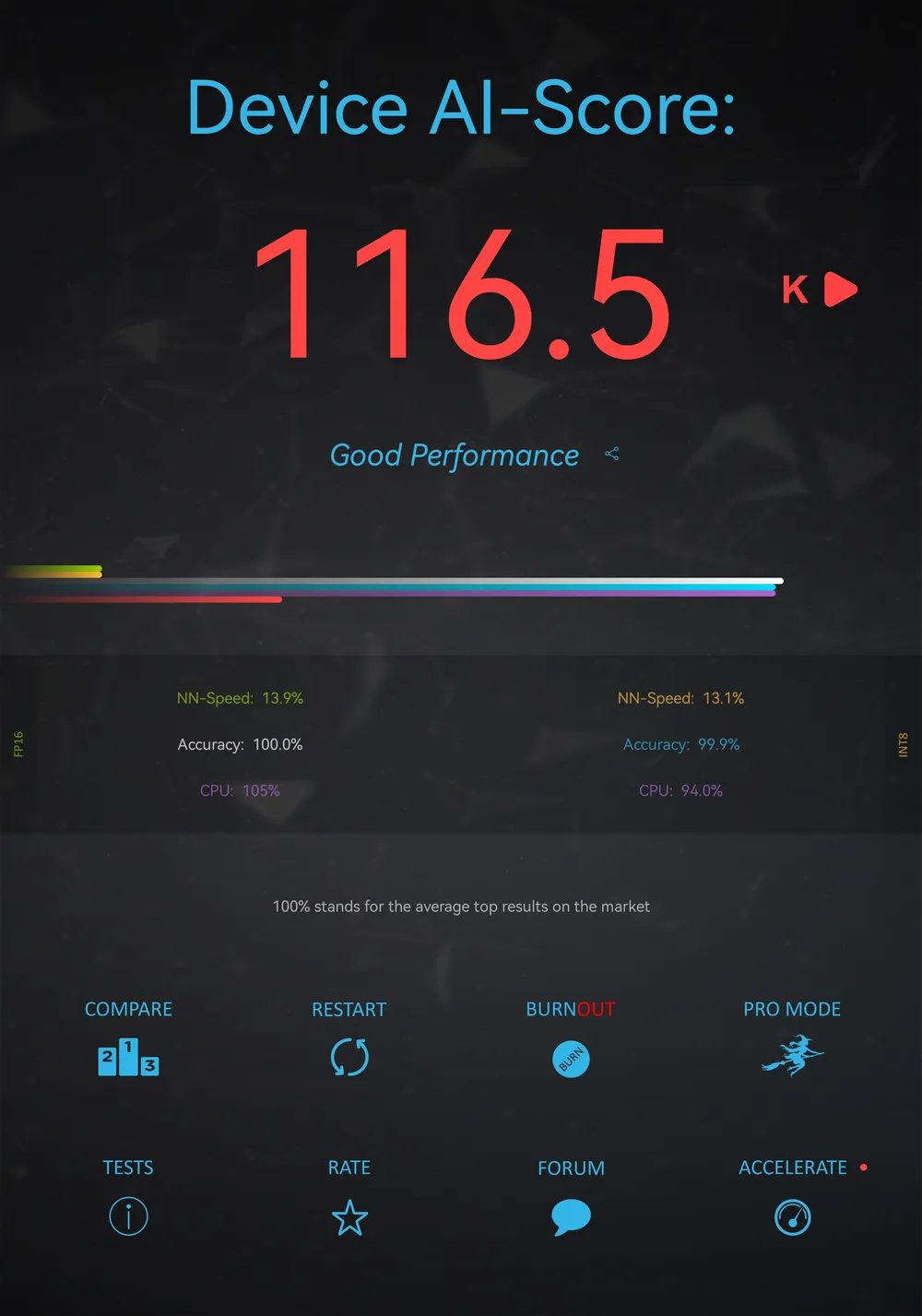




In other respects, the HUAWEI Mate XT Ultimate Design meets the standards for a premium smartphone/tablet. Boot time is 25 seconds (the power button needs to be held for 6 seconds). Battery life is 20/15 hours of video playback (for folded and unfolded screen) and 12/10 hours of gaming (tested on Honkai and ZZZ). Charging takes two hours. Although these are not record-breaking figures, they definitely meet high standards.
Specifications
Screen
Size
Single Screen: 6.4 inches
Dual Screen: 7.9 inches
Triple Screen: 10.2 inches
Colors
1.07 billion colors
Type
OLED, adaptive refresh rate up to 90 Hz, PWM dimming 1440 Hz, touch sampling rate up to 240 Hz
Resolution
Single Screen: 2232 × 1008 pixels
Dual Screen: 2232 × 2048 pixels
Triple Screen: 2232 × 3184 pixels
(Resolution measured diagonally including rounded corners, effective pixels a bit less)
Pixel Density
382 ppi
Hardware
Processor
Kirin 9010
Memory
16 GB RAM + 1 TB ROM
Operating System
EMUI 14.2
Main Camera
Lenses
50 MP lens with an ultra-wide aperture (aperture f/1.4–4.0, optical image stabilization) + 12 MP ultra-wide lens (aperture f/2.2) + 12 MP periscope telephoto lens (aperture f/3.4, optical image stabilization)
Zoom Mode
5.5x optical zoom (5.5x magnification is an approximate value, focal lengths are 24mm, 13mm, 125mm) and 50x digital zoom.
Image Resolution
8192 × 6144 pixels
Video Resolution
Up to 3840 × 2160 pixels
Features
Phase detection autofocus, contrast detection autofocus, LED flash
Operating Modes
High-speed photography, adjustable physical aperture, mirror shooting, image optimization, quick menu, night mode, super macro, macro, story creator, high resolution, time slice, ultra-wide shooting, aperture, dual view, portrait, pro mode, slow motion, panorama, monochrome, light, filter, stickers, documents, AI master, live photos, predictive 4D focus, smile, audio control, timer, continuous shooting
Front Camera
Lens
8 MP (aperture f/2.2)
Image Resolution
3264 × 2448 pixels
Video Resolution
3840 × 2160 pixels
Operating Modes
HDR Vivid, slow-motion selfie, night mode, portrait, panorama, time slice, live photo, filter, stickers, smile, mirror reflection, audio control, timer
Power
Battery
5600 mAh (typical value)
Charging
HUAWEI SuperCharge (max. 66 W)
The smartphone supports super-fast charging of 11V/6A (max. 66 W), compatible with 10V/4A, 10V/2.25A, 4.5V/5A, 5V/4.5A, and 9V/2A charging.
Wireless fast charging HUAWEI SuperCharge (max. 50 W)
Connectivity
Wi-Fi
2.4 GHz and 5 GHz
802.11 a/b/g/n/ac/ax, 2 × 2 MIMO, HE160, 4096 QAM, 8 antennas with spatial stream MU-MIMO
Bluetooth
Bluetooth 5.2, supports BLE, SBC, AAC, LDAC, and L2HC
USB
USB Type-C, USB 3.1 GEN 1
Supports digital headphones with a Type-C plug
Cellular Network
Primary SIM Card
GRL-LX9 (dual SIM model)
4G LTE FDD: bands 1, 2, 3, 4, 5, 6, 7, 8, 9, 12, 17, 18, 19, 20, 26, 28
4G TD-LTE: bands 34, 38, 39, 40, 41, 42
3G WCDMA: bands 1, 2, 4, 5, 6, 8, 19
2G GSM: bands 2, 3, 5, 8 (1900/1800/850/900 MHz)
Secondary SIM Card
4G LTE FDD: bands 1, 2, 3, 4, 5, 6, 7, 8, 9, 12, 17, 18, 19, 20, 26, 28
4G TD-LTE: bands 34, 38, 39, 40, 41, 42
3G WCDMA: bands 1, 2, 4, 5, 6, 8, 19
2G GSM: bands 2, 3, 5, 8 (1900/1800/850/900 MHz)
Sensors and Features
Sensors
Gesture recognition sensor
Gravity sensor
Infrared sensor
Fingerprint scanner
Hall sensor
Gyroscope
Compass
Barometer
Light sensor
Proximity sensor
Laser sensor
Color temperature sensor
NFC
Supports reading and writing mode, card emulation mode (payment using SIM card* or HCE).
Geodata
GPS (dual band L1 + L5), AGPS, GLONASS, BeiDou (four ranges B1I + B1C + B2a + B2b), GALILEO (three ranges E1 + E5a + E5b), QZSS (dual range L1 + L5), NavIC
Multimedia
Audio
HUAWEI Histen, stereo sound
*.mp3, *.mp4, *.3gp, *.ogg, *.amr, *.aac, *.flac, *.wav, *.midi
Video
*.3gp, *.mp4
Design
Height
156.7 mm
Width
Single Screen: 73.5 mm
Dual Screen: 143.0 mm
Triple Screen: 219.0 mm
Depth
Single Screen: 12.8 mm
Dual Screen: 7.45 mm / 4.75 mm
Triple Screen: 3.6 mm / 3.6 mm / 4.75 mm
Weight
About 298 g (with battery, excluding protective film for the screen; about 306 g including film)
Conclusion
The HUAWEI Mate XT Ultimate Design is not only a bold experiment in "crossbreeding" smartphones and tablets, but overall a premium mobile device with good performance and high-quality camera.
Although the model has some downsides due to its experimental nature (significant heating, especially in tablet mode), I would not say they seriously hinder the user in most cases.
The other question is, are you ready to pay 300,000 rubles (which is how much the device costs in the official store of Huawei) for a flagship model, even with the latest hardware and top-notch specifications? For now, the HUAWEI Mate XT Ultimate Design seems more of a "status" item.
Nevertheless, if you decide to acquire such a gadget, I can confidently say that it won’t disappoint you.