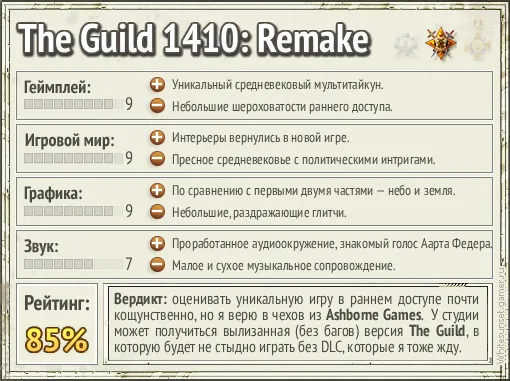

The Guild 1410 Early Access Review — A Midcore-Adjacent Multiplayer Tycoon with Huge Potential
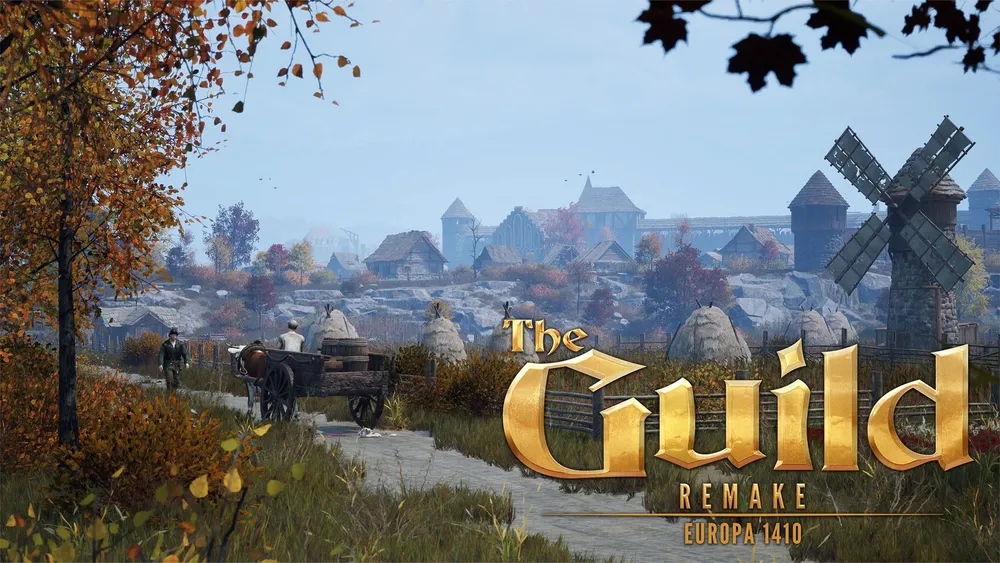
If you love watching other people work and organizing sprawling, large-scale trading networks, welcome to The Guild 1410! Because the younger generation disliked the first The Guild (2002), The Guild 1410 came to be called the Remake. I’ll refer to this game as the Remake, with a capital R, and in this review, dear reader, you’ll find out why I dared to do so.
The Guild 1410 introduces more new systems and changes, and teases greater possibilities (which will unfold further in Early Access) than a regular remake needs. Perhaps a fourth The Guild game will still see the light of day, and will be more like the second game. If you have no prejudice against The Guild 1410 and aren’t a die-hard Die Gilde II fan, then this Early Access review is for you.
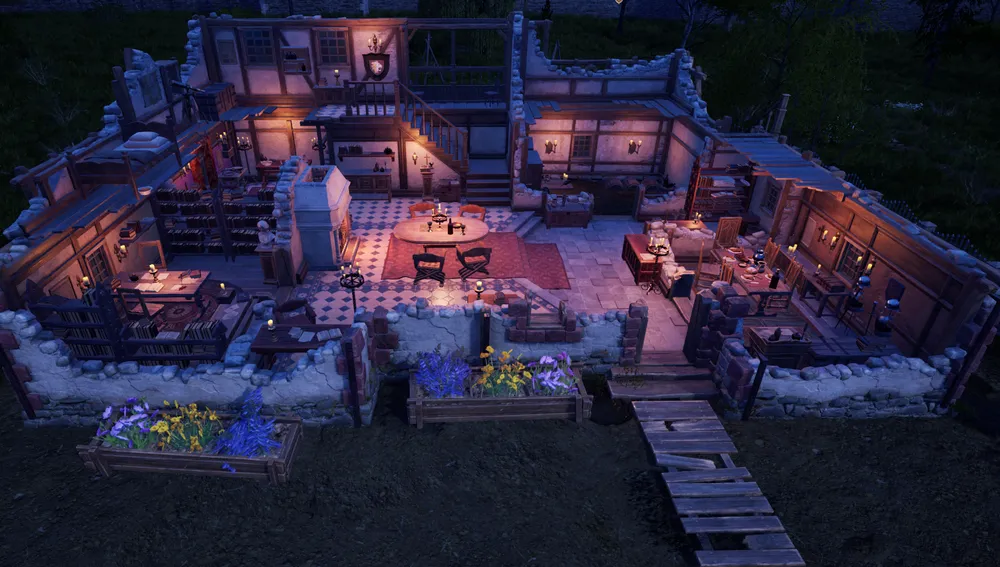
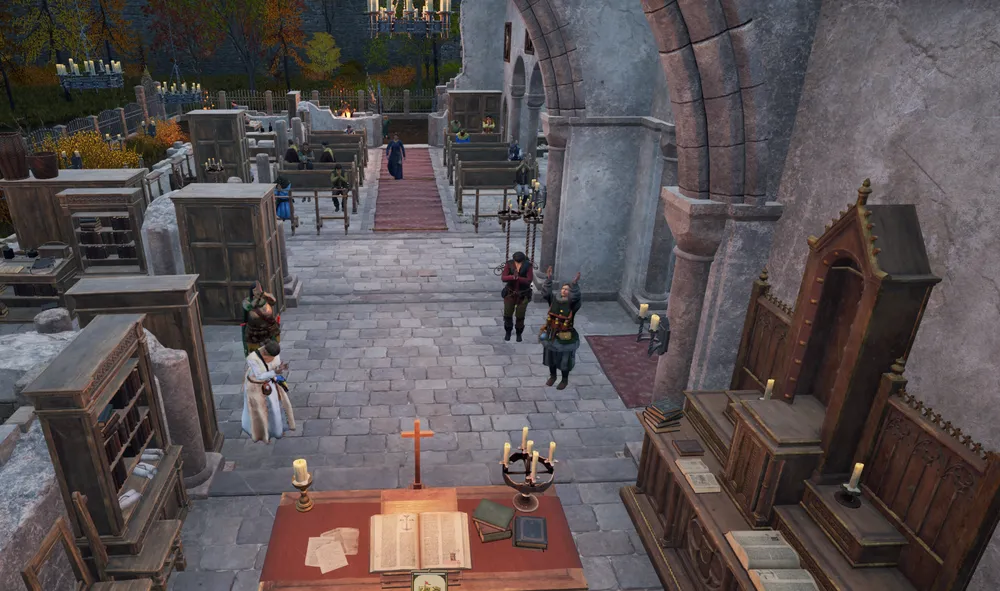
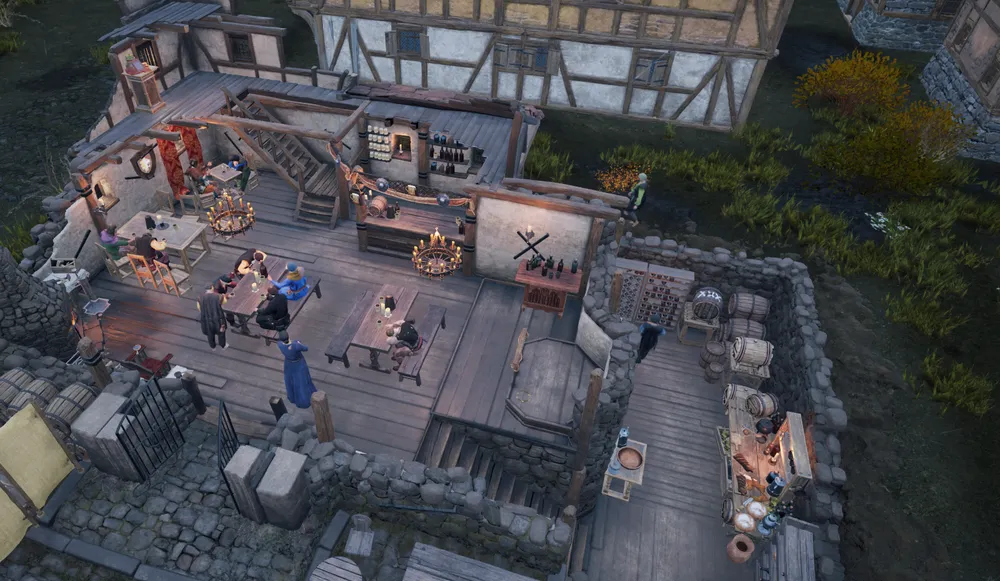
The heart of The Guild is beating once again! The new game, the Remake, brings back the minor but beautiful and cozy interiors. Any esports player of Heroes III or Olden Era will tell you that city screens are unnecessary eye candy in a game—and they would be absolutely, categorically wrong. Heroes VI started down the wrong path: at launch, the game had no gorgeous screens. They were only added much later, and of course, they weren’t city screens from Heroes V or Heroes III. Aesthetics do a lot to shape and cultivate a person. Yes, you spend at most 10–30 seconds of real time in The Guild’s interiors and the city screens in the Heroes series, but they warm the soul. They’ve added not only animations to the interiors, but also voice lines when the master (you) enters a business, as well as when an upgrade is built—this attention to detail is a delight!
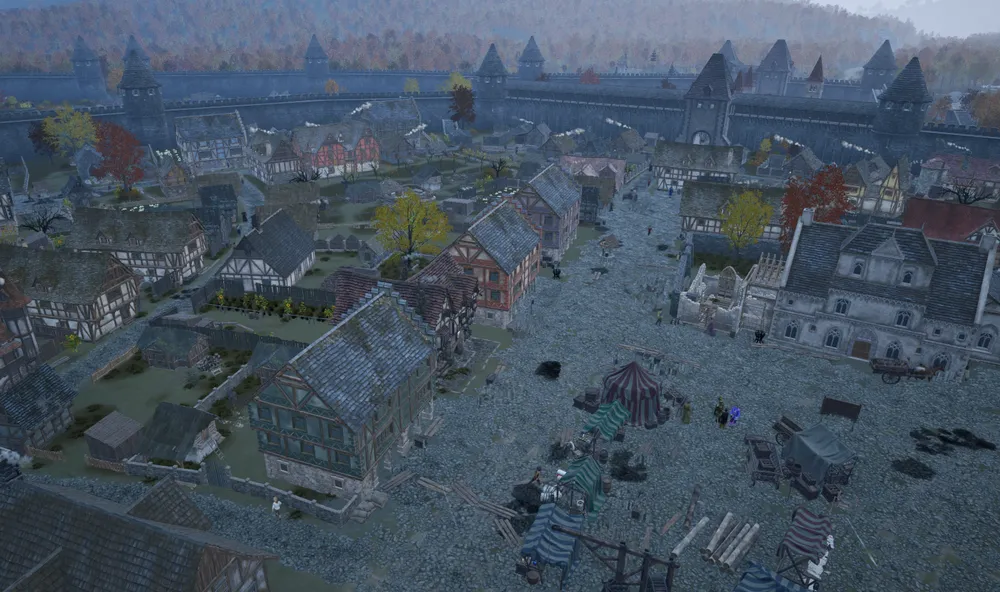
The Remake was actually developed as a fourth game in the series. Young players didn’t accept the absence of an avatar walking around the streets and obeying commands like in an RTS. The Remake has many new systems for creating beautiful cities in medieval Europe. Yes, there are bugs—sometimes wagons don’t go around mountains, but drive straight beneath the textures of mountains, houses, and fences, and don’t follow the well-worn roads. But overall, the game is polished, and there’s plenty to admire while goods are being produced.
Energy is a new and especially valuable resource, alongside action points, which are awarded once per round. You can now level up your staff, and the deaths of workers affect the business as a whole. You need to keep track of your energy and avoid spending it below one point, or you’ll have to visit a doctor.
The business’s automated management system is another new feature in the Remake. Sometimes business automation is a good substitute for the crazy micromanagement of businesses and wagons, and sometimes it’s downright awful.
You’ll have to develop your dynasty more deeply: only family members can manage businesses, rather than capable, highly educated people off the street, as in the first The Guild. In the Remake, you can level up both dynasty members and business employees, though there are limits. Naturally, there may not be enough energy for everyone. An alchemical stamina potion now boosts energy and removes the “Mental Overload” restriction (which lasts for one round). As always, it all comes down to capital—or your money, as in the best tycoon games. The more money you have, the more you can get done in a round. In a nutshell: “You won’t be playing on fast-forward from morning till night.”
Speaking of how long it takes to learn professions and speed up training: an alchemist can indeed fast-track profession training with stamina potions. But only the second generation of your dynasty—your daughters and sons—can learn a new profession. That’s how long training and building up capital take in Early Access now, and it’s wonderful!
Your rapidly growing family tree (dynasty members now form alliances on their own, sometimes remarrying after the death of a spouse) can now be integrated with the political system. In Early Access, the AI can’t yet appoint dynasty members to offices on its own or fight political battles on your behalf. But you, the player, can now assign other family members to specific political positions. Yes, you can level up a family member’s rhetoric and try to make your way in, and win an election.
City development and having a small role in building the city are my favorite feature and new system in the Remake. Fountains, platforms, and so on—all of it is wonderful, and deserves further development, for example in DLC. It’s a fantastic feature, but it runs its course quickly. In the Remake’s endgame, “Crowd Unrest” and “Crime” aren’t a threat yet. I’d like to see the system become much deeper and more complex, and directly tied to the political system, which also needs to be deepened, expanded, and so on.
The following professions are not yet available in the Remake: undertaker, thief, robber, guard, circus performer, banker, and trader. Doctors provide their services automatically, “located” in a special building without an interior. Wagons are robbed without a diorama or any substantial RTS element, unlike in the first The Guild. Future updates will fix this minor oversight. I hope a DLC will add a building—your own castle with a tower and an alchemist, or something even more awe-inspiring. I think the Remake should surpass the first The Guild by two, or even more, heads. The first The Guild became unplayable because of crashes; long play sessions are impossible without frequent, tedious saves. Crashes are the first The Guild’s biggest headache. But overall, the Remake has the edge thanks to its new systems for energy, training employees and dynasty members, and more.
If you’re tired of all the simple isometric tycoon games, give The Guild 1410 a try. The game can easily replace the many ad-riddled “empire simulators” on PlayMarket. Yes, it’s not a popular fantasy strategy game or RPG, but The Guild 1410 can keep you engrossed for many evenings, especially thanks to its sandbox mode.