

Astrum Entertainment migrated infrastructure monitoring and access management to Solar technologies
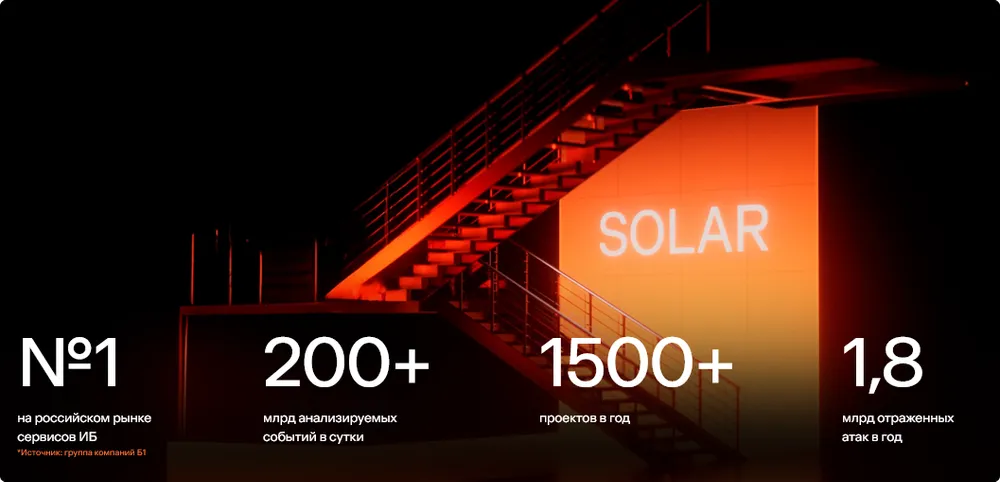
Astrum Entertainment, whose portfolio includes more than 20 projects, most of them online games, announces the start of its collaboration with the Solar Group of Companies, which provides comprehensive cybersecurity services in Russia.
The top priority for the information security (InfoSec) experts brought on board was monitoring Astrum Play, Astrum Entertainment’s proprietary gaming platform and a single point of access to its games. The platform stores players’ personal data, including accounts, linked email addresses, payment information, and in-game purchases.
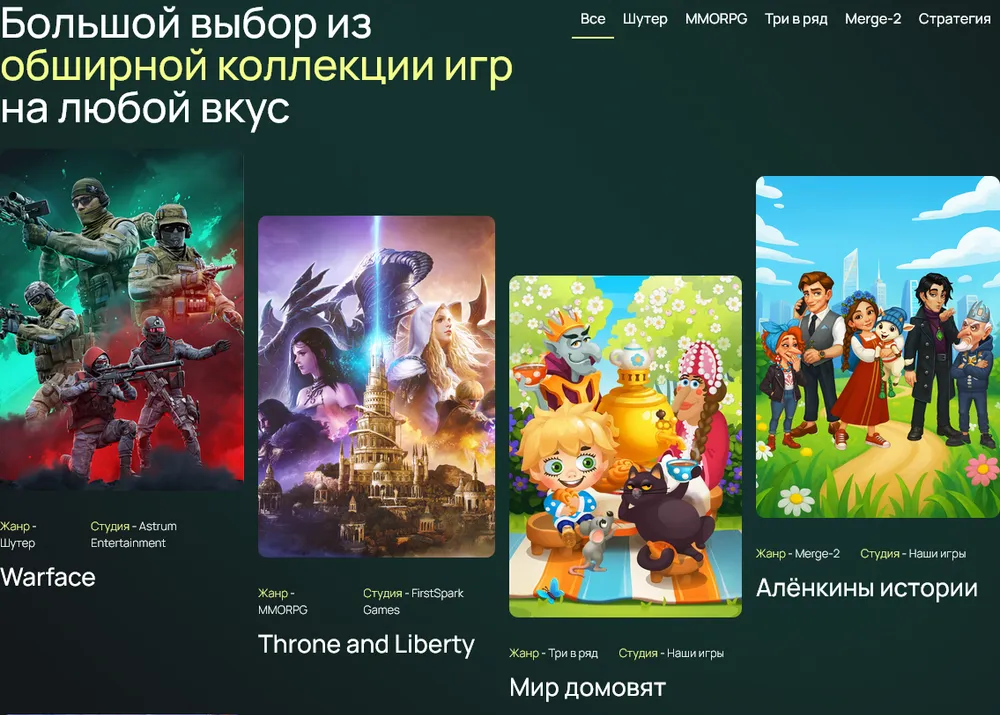
Given the scale of the service (Warface alone, a shooter game, has more than 120 million players worldwide), it was important to detect suspicious activity before it escalated into an InfoSec incident. Solar JSOC (Joint Security Operations Center) therefore began monitoring VPN connections, domain controllers, databases, and other key systems within Astrum Play’s environment. Solar configured rules for detecting and correlating InfoSec events for Astrum Entertainment: accessing a sensitive server without going through PAM is recorded as a security policy violation.
Amusingly, the center immediately detected suspicious activity that turned out to be... scheduled checks initiated by Astrum’s internal systems. Even so, Solar JSOC’s monitoring showed that customized rules can quickly identify both external attacks and anomalies within a trusted environment.
“We initially engaged a commercial SOC to monitor one environment—Astrum Play. It was important for us to keep it under constant supervision. Then we realized we needed to expand the coverage. Setting up our own SOC with a 24/7 shift would require at least four full-time specialists, which would be considerably more expensive than a service model. Our collaboration with Solar JSOC allowed us to launch monitoring without hiring a large team,” says Sergey Shalenko, Chief Digital Transformation Officer at Astrum Entertainment.
Astrum Entertainment and Solar also worked together on monitoring container infrastructure. Commercial solutions often do not provide visibility into processes running inside containers. Solar’s team found an approach based on an open-source solution that provides a complete picture of events in container environments without requiring the purchase of a separate monitoring product. This made it possible to get the most out of the data from the container infrastructure at no additional cost.
Another challenge was access management. The company’s infrastructure is built on two directories, and employees often need permissions in both systems at the same time. With a distributed workforce—hundreds of employees, offices in Moscow and Voronezh, and remote teams—processes were handled manually. Access was provisioned by hand, and former employees’ accounts were not always disabled promptly. Solar inRights, an identity management (IdM) system, linked the separate directories to a master system based on 1C and automated account lifecycle management, from provisioning access for new employees to disabling accounts when they leave.
“Gaming has become mainstream in Russia and part of many users’ everyday lives: the combined audience for games exceeds 100 million people. Popular titles capture the attention of children, teenagers, and adults; in just three years, the audience has grown by more than 20%. That is why cybersecurity is an important element of game development, helping ensure business resilience and protect customer data. For Astrum Entertainment, we laid the groundwork for infrastructure that is ready to scale as the company grows,” emphasizes Ivan Vassunov, Director of the Cybersecurity Technology Center at Solar Group.