
Assassins from A to Z. Specially for Gamer.ru!
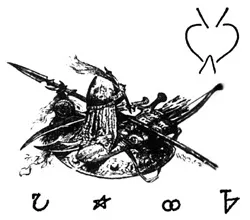
From the lands of the East to distant Scandinavia, only one word could instill horror in the most powerful rulers.
This word is Assassin.
Under the name of assassins, from the 11th to the 13th centuries, special services known to protect the interests of the Alamut Empire existed. This state was created by a religious sect of the Nizaris (a religious group headed by Prince Nizar), which bizarrely combined elements of a communist utopia, a totalitarian sect, and a criminal organization.
Initially consisting of a group of conspirators, they continued the fight for the rights of Prince Nizar even after his death. By widely utilizing the experience of political underground movements, the Nizaris gradually created a vast secret organization that spanned the entire Middle East.
The organization was built on a strict hierarchy and the division of all members of the sect into nine circles. The very act of joining the order and moving to each subsequent level was accompanied by impressive magical rituals.
The Nizaris were Muslims, but the higher they climbed in the organization, the more loosely they interpreted the dogmas of Islam, until finally, nothing remained of the religion. In time, a Nizarite would realize that the Quran was just a collection of beautiful tales and had nothing to do with the order's goals (just as Prince Nizar had).
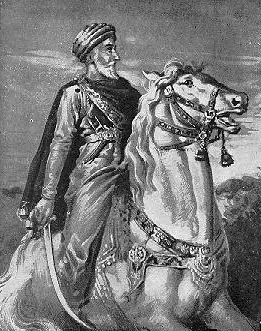
Hasan ibn Sabbah
The leaders of the sect fought for power using any means to attract the masses. Gradually, anti-feudal, communist, and national liberation motives began to play a role in the sect's ideology (Iran had by that time been conquered by the Seljuks). By the end of the 11th century, Hasan ibn Sabbah, a noble Arab who spent his childhood and youth in Persia, undoubtedly became one of the most gifted men of his time.

Alamut in modern times
Miraculously avoiding arrest, Sabbah moved from Egypt to Iran. There, his followers managed to capture Alamut -