
Headcrabs
Headcrab (also known as Headcrab).
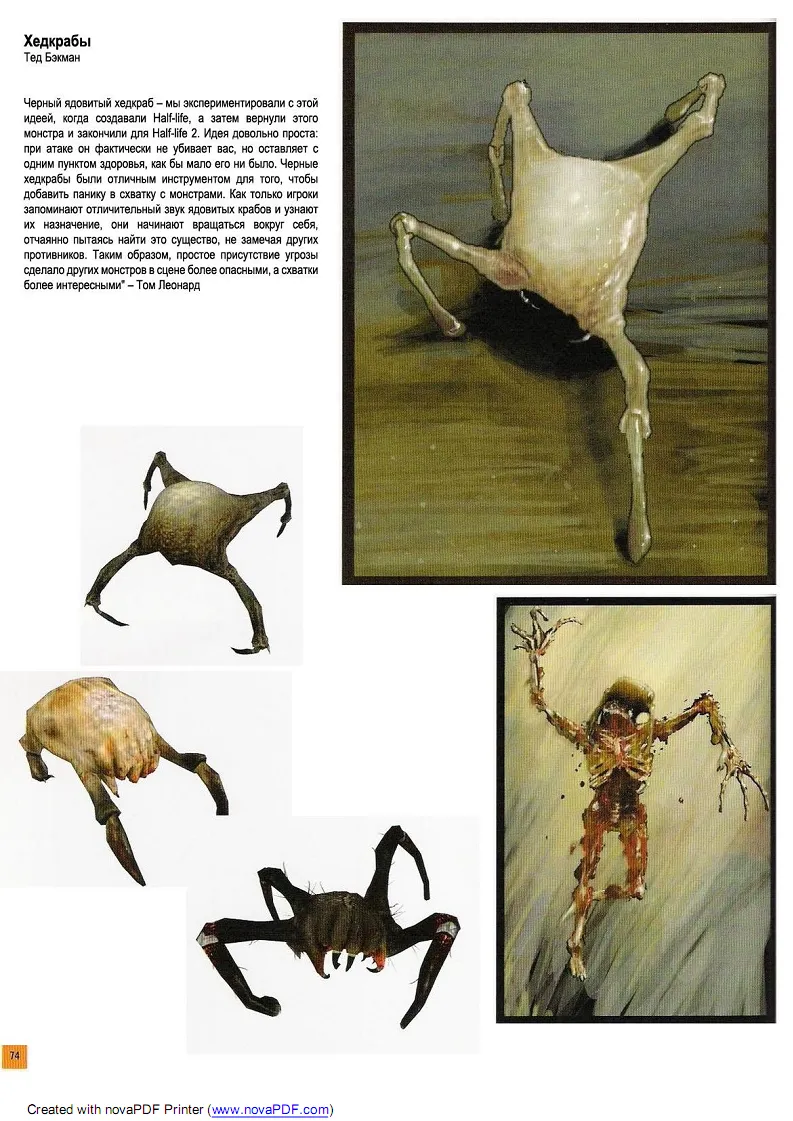
Headcrabs are the most numerous parasitic creatures in the Half-Life universe games. Having escaped into the world during the incident at the Black Mesa Research Facility, these creatures survived and multiplied on Earth. Currently, three varieties of headcrabs are known, all of which have the ability to parasitize humans, turning them into obedient zombies.
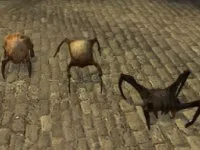
There is also a synonym "headhumper", but it seems to be used only by Barney.
Common headcrab:
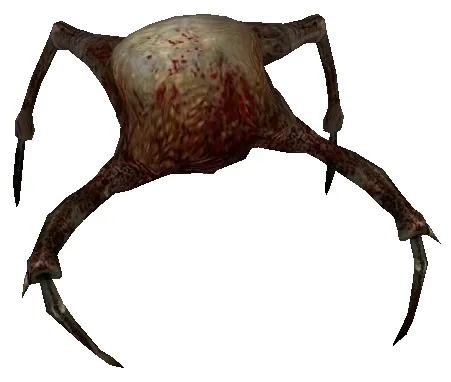
This type of headcrab is called the common or classic headcrab. It looks like a small sack-like creature with four long thin limbs. Usually, the creature moves using its hind limbs located beneath its body, while its front claws are positioned forward. At the bottom of the headcrab’s body, there is a wide oral opening with sharp hook-like teeth inside. The creature's skin is whitish with a yellowish tint. The claws are painted red.
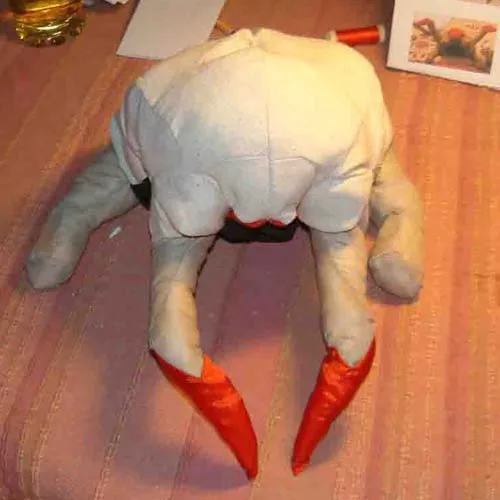
Headcrabs in Half-Life are slightly smaller than in Half-Life 2. In size, a headcrab is comparable to a watermelon, with its body length from the front claws to the back being about 60 cm.
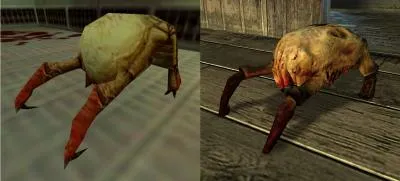
Despite being small, slow, and vulnerable, headcrabs can leap distances of about 5-10 meters using their hind claws. In flight, the creature spreads its claws wide apart. Upon a successful attack, the headcrab latches onto the victim's head to gain control over the brain and spinal cord, thus controlling the entire body.
Headcrabs from Half-Life 2 die when they hit water but can survive in toxic and radioactive waste. In Half-Life, the situation is the exact opposite: these creatures thrive in water and die upon contact with toxic and radioactive substances.
Typically, headcrabs ambush their victims in dark, inconspicuous corners and ventilation shafts (the latter being more characteristic of Half-Life). In open territories, parasites often burrow into the ground, waiting for a victim to approach. It is quite common to encounter headcrabs in groups of two to five individuals.

The creatures make very specific sounds. When not hunting, the headcrab generally remains silent or makes sounds remotely resembling cooing. When attacking, a headcrab screeches loudly and lunges at its prey. As a result of a successful attack, it attaches itself to the victim's head and zombifies them.
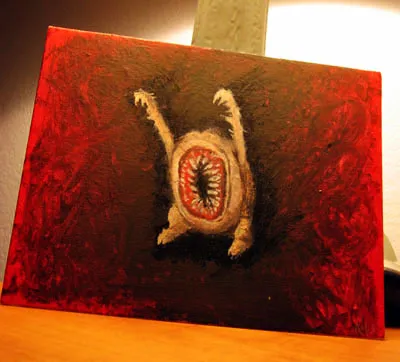
Headcrab larva
In Half-Life, headcrabs reproduce through a mother known as the Gonarch. In the chapter "Gonarch’s Lair", you can encounter both the "Great Mother" and the newborn headcrabs it produces.
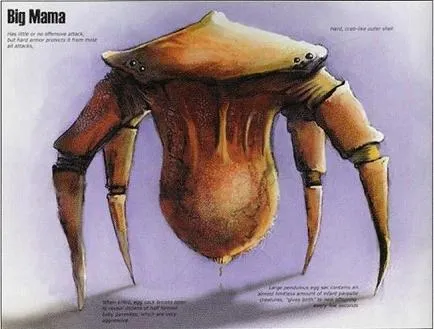
Newborn headcrabs are much smaller than adults, have a transparent body, and a sack similar to the Gonarch's sack. The ability to zombify is absent in newborn crabs. The larva is extremely weak in attack and poses no significant threat when alone.
Fast and poison headcrabs
In Half-Life 2, two new types of headcrabs appeared: the fast headcrab and the poison headcrab. According to game writer Marc Laidlaw, the appearance of these creatures is associated with the adaptation of headcrabs brought by portal storms to Earth's conditions and the developments of the Alliance scientists.
The fast headcrab is similar in structure to the common one, but its body is slightly smaller, and its claws are longer and thinner, vaguely resembling spider legs. With its claws, a fast headcrab can hang on walls and ceilings. This ability was first observed in Half-Life 2: Episode One.
In contrast, the poison headcrab is almost unrecognizable from the common headcrab. They only share some contours and proportions. A poison crab is easily identifiable by its black skin and claws covered with sparse hairs. On the back of the creature is a pattern resembling that of a common garden spider. It can be easily distinguished by its "grounded" body posture. Like the fast headcrab, it can hang on walls and ceilings. This ability was first noted in Half-Life 2 during the chapter "Not going through Ravenholm...".
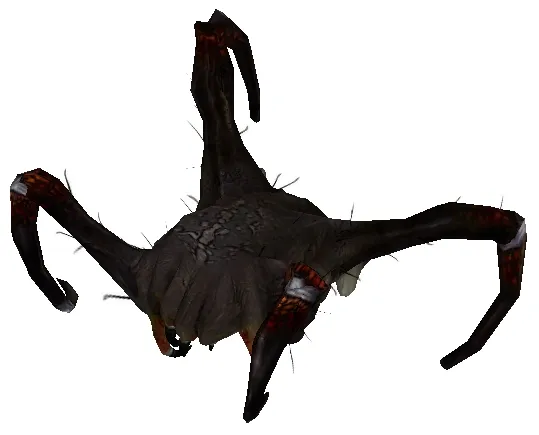
When attacking, the poison headcrab makes extremely annoying sounds to human ears. If the creature is not hunting, it usually remains silent or makes sounds vaguely resembling insect chirping. In the book "Half-Life 2: Raising the Bar", the game developers mentioned that playtesters who heard the sounds made by the poison crab would panic and look around for these creatures to eliminate them, ignoring other dangers.
The neurotoxin of poison headcrabs is very dangerous. After an attack, it instantly reduces a player's health to 1 point, without affecting the HEV shield charge. Health slowly recovers to its original state thanks to the antidote which the suit promptly administers. The poison headcrab cannot kill a hero alone but renders them very vulnerable to other dangers, such as attacks from common and fast headcrabs.
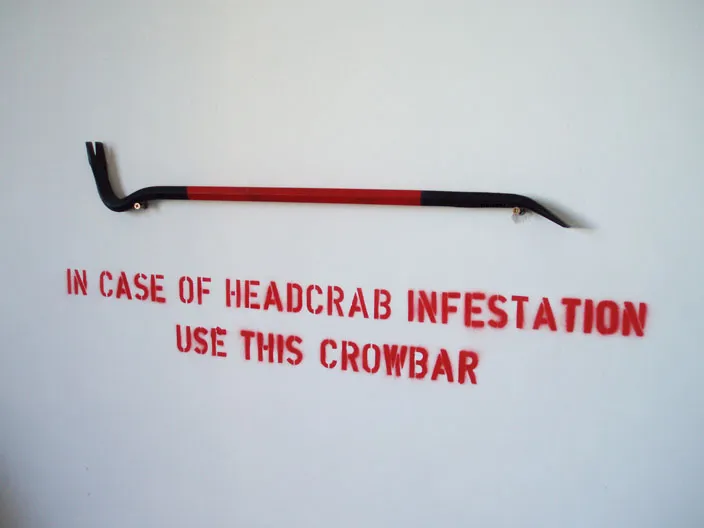
The best weapon against headcrabs, if they are at dangerously close range, is the crowbar. In Half-Life 2, after teleporting from Nova Prospekt by Professor Kleiner, who is looking for his concealed pet headcrab, you may hear the line (if you stay in the room for some time): "Lamar is afraid of your crowbar".
Human infection by headcrab
The primary goal of any headcrab when attacking a human is the head, to infect the victim's body and zombify them. The headcrab fully covers the head with its "mouth", punctures the skull with its teeth, and uses its stinger to connect with the victim's brain and spinal cord. Headcrabs pierce the neck of the victim with their fangs, thereby using the spinal cord to control them. The headcrab utilizes the victim's nervous system to completely control the body.
It is interesting to note that no creature from Xen has been observed to be parasitized by a headcrab. There are two opinions regarding this fact. The first opinion states that headcrabs did not parasitize living beings before their arrival from Xen, and the parasitism on humans is a necessity due to the lack of familiar crab food on Earth. (This is questionable, as headcrabs begin to "wear" on human heads as soon as they appear on Earth) it is presumed that headcrabs are omnivorous, as in one scene from Half-Life 2, it is mentioned that Lamar (more information in the corresponding section of this article) feeds on watermelons and later attempts to attack a crow for food. According to another and more likely opinion, headcrabs do parasitize a type of living creatures, but this type has not been demonstrated by developers.
It should be specially noted that a player cannot be zombified by a headcrab (only killed). It is presumed that the plot reason for this is that the hero is equipped with an HEV suit with a helmet that prevents their head from being pierced.
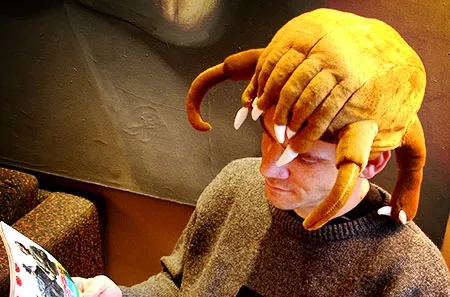
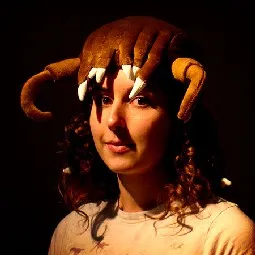
Protect your head and prepare for the outbreak! (after the outbreak, you'll need caps, t-shirts, 2-4 crowbars, and numerous training sessions)

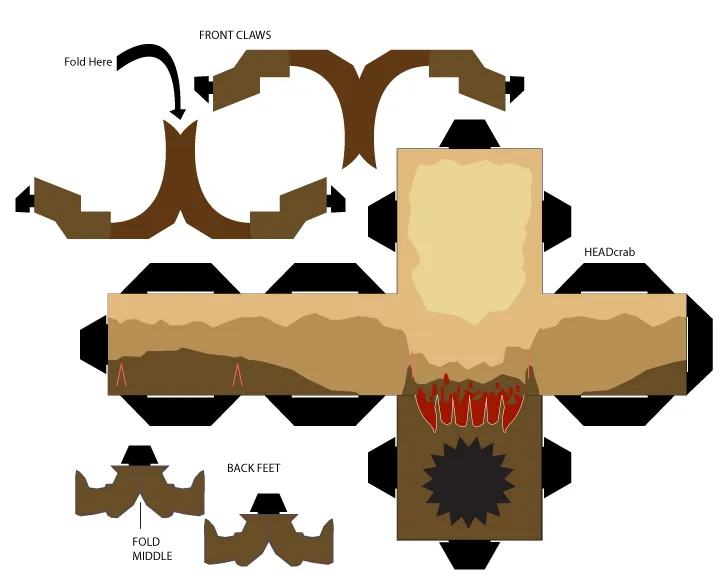
Headcrab for training:
Written based on materials from Wikipedia and Half-life: Raising the Bar. This post is not for gaining experience, therefore I do not recommend upvoting for no reason.