Dragon Age II Classes – Mage
The official site of BioWare is actively preparing for the game's release and has updated today with information about one of the three classes available to players in Dragon Age II – the mage.
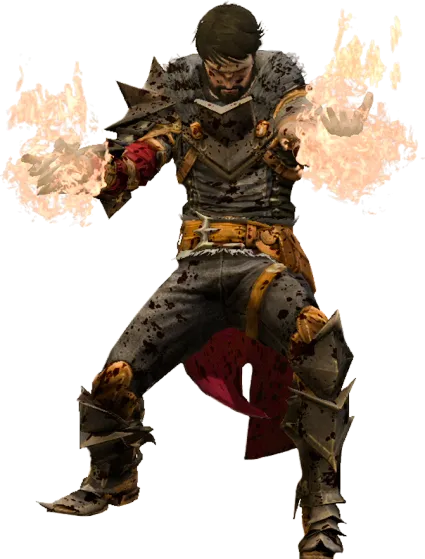
Mage
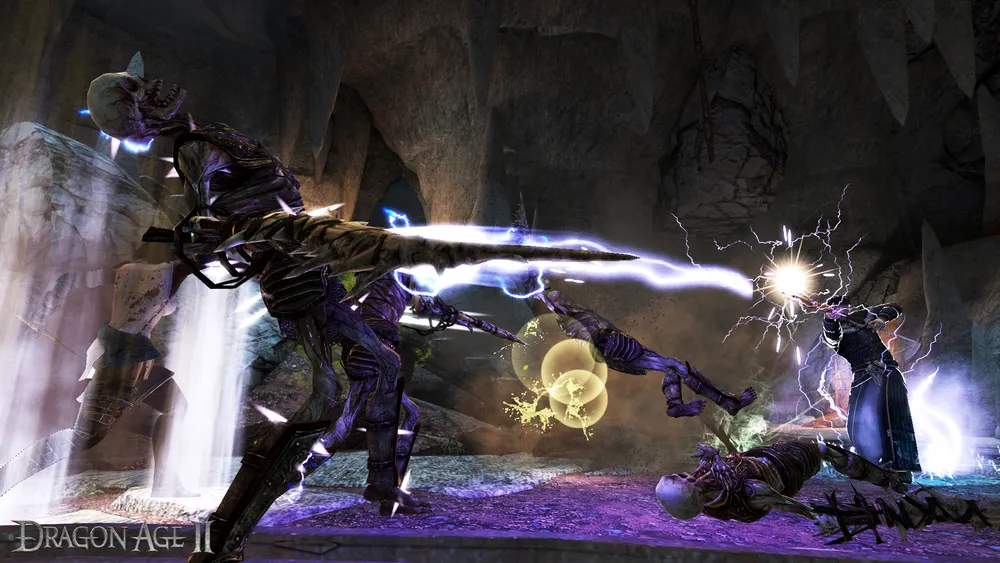
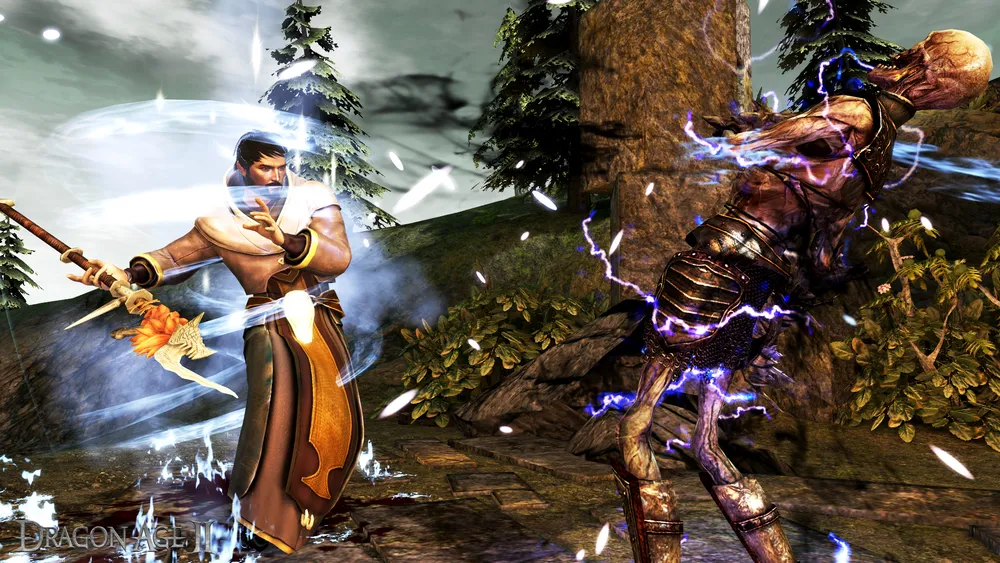
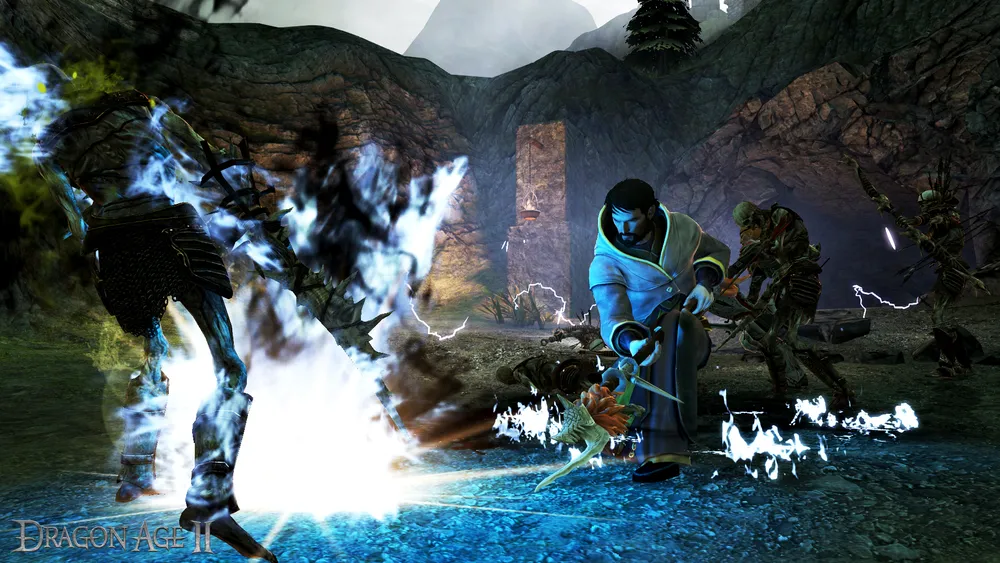
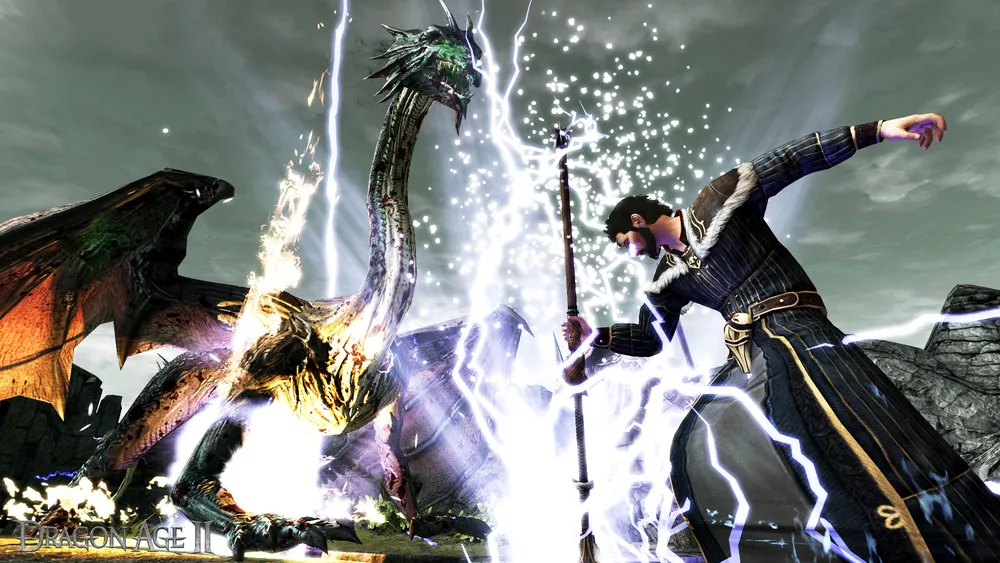
Mages in Dragon Age II are specialists in manipulating pure energy – whether it be siphoning it from enemies, using it to aid allies, or dealing monstrous damage. They possess immense tactical potential, and the relentless and tireless pursuit of mages by templars only confirms this fact. A versatile mage capable of terrible destruction – the apostate lives a life full of dangers in Kirkwall, yet he or she undoubtedly can take on all the risks associated with overly curious representatives of the authorities.
Mages can simply strip their opponents of the ability to fight. By slowing, weakening, or dispelling positive effects – once they discover the weak point of their enemy, that enemy is no longer an opponent but a helpless target.
On the other hand, a mage can turn their allies into an unstoppable force, healing, enchanting their weapons with elemental magic, and commanding time to grant extra seconds using the spell Haste. Thus, warriors and rogues benefit from the presence of a mage in the group.
However, perhaps the primary reason for the dread that mages invoke is their ability to control the flow of battle by employing devastating area spells. Opponents who are not under control or not in battle against enchanted allies are simply annihilated. All classes in Dragon Age II are unequivocal specialists in their fields; however, only mages literally leave scorched earth in their wake.
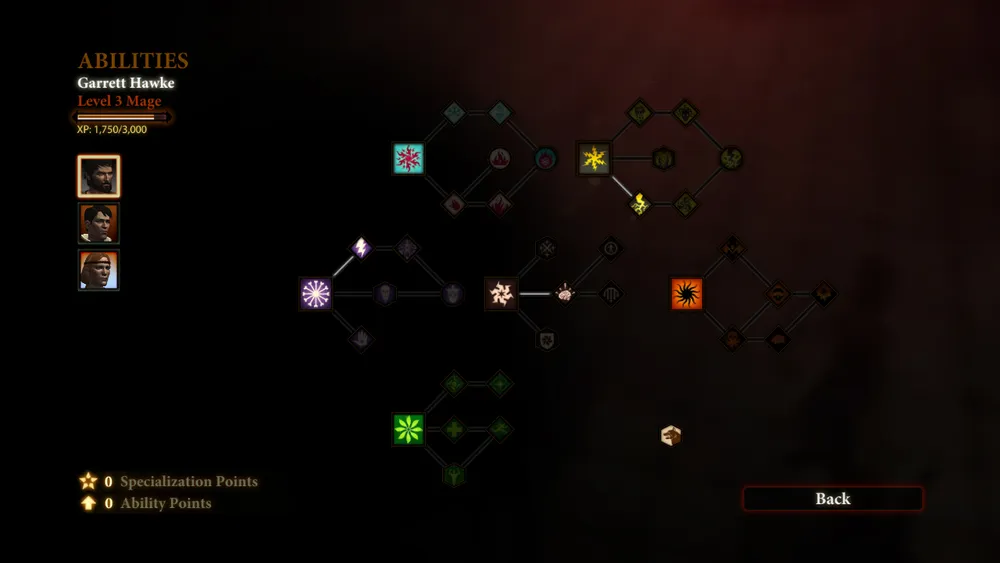
Mage Specializations
Force Mage:
All mage specializations manipulate energies, but only the force mage revels in them. This specialization is very popular in Kirkwall; it focuses on the use of pure magic in all its wicked glory – whirlwinds that pull enemies in, ethereal masses that crush and slow down, or the mightiest force waves that scatter opponents like rag dolls. Those targets that pose a real threat are simply hammered into the ground as if by a massive invisible fist. And being capable of inflicting such damage, Force Mages are themselves completely impervious to this type of magic, which allows them to understand the internal discipline they must maintain. Nevertheless – apparent doesn't mean simple – the specialization of Force Mage requires its adept to have extraordinary precision to effectively control such staggering power.
Spirit Healer:
The goal of Spirit Healers is restoration and preservation, not destruction. They know that the best way to win a battle is for themselves and their allies to remain combat-ready as long as possible. They are mages whose presence or at least existence does not evoke rejection and fear from the common folk, yet templars fear them almost more than those mages who possess more destructive specializations. No one but Spirit Healers can draw their strength directly from the benevolent spirits of the Fade. It is risky, but it is worth it. Healing wounds, granting resistance to injury, and even saving allies when they are already on the brink of death – these are not mere support abilities; they are the abilities at the heart of every group that wishes to succeed in battle. Any fool can learn to destroy, but no matter how many muscles that fool has, they cannot give their weapon the ability to heal.
Blood Mage:
Nothing instills such wild terror as a Blood Mage. This type of mage uses the energy of life, warping it to serve his aims. They can twist, control, and sustain their power by draining the life energy of others, regardless of whether they wish to do so or not. At first glance, this is horrifying, but this specialization is not only for madmen and monsters. Many see it as the only truly free form of magic because its essence is the energy of the material world and does not rely on the favor of spirits and demons. However, it is still a feral and self-destructive specialization that requires the Blood Mage to be extremely cautious. The temptation to take just a bit more power always lurks at the edge of consciousness.
Screenshots and Description of Basic Skill Trees
Elemental:
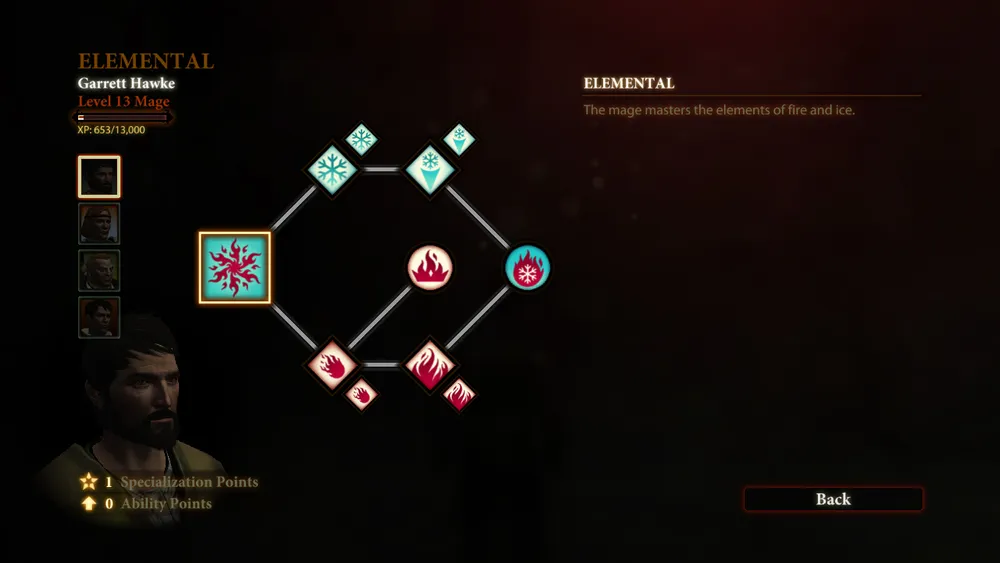
A mage commands the elements of ice and flame.
Primal:

A mage commands the earth and sky.
Spirit:
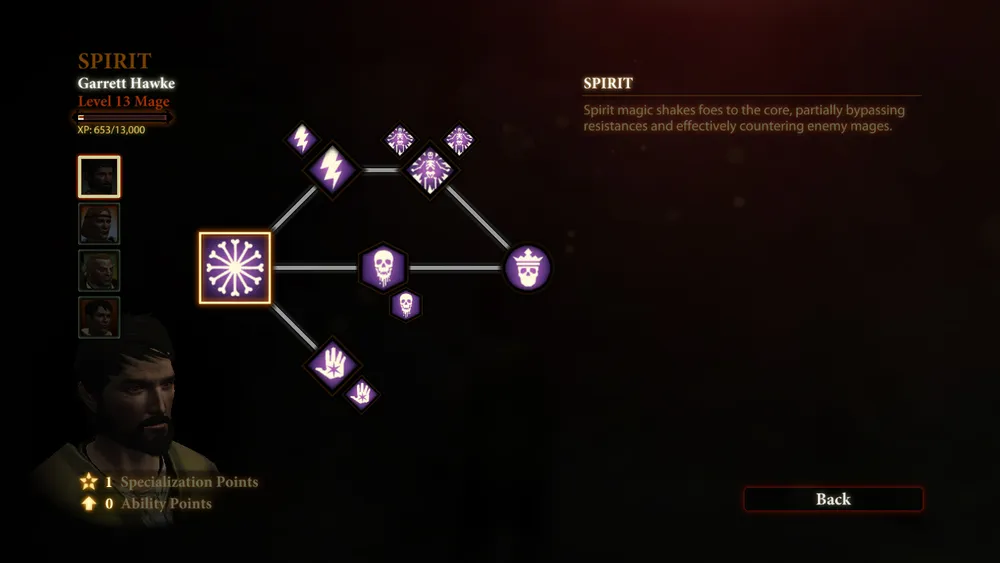
Spirit magic penetrates the very essence of opponents, partially overcoming their resistance to magic and representing an excellent means of combating opponents endowed with magical power.
Arcane:
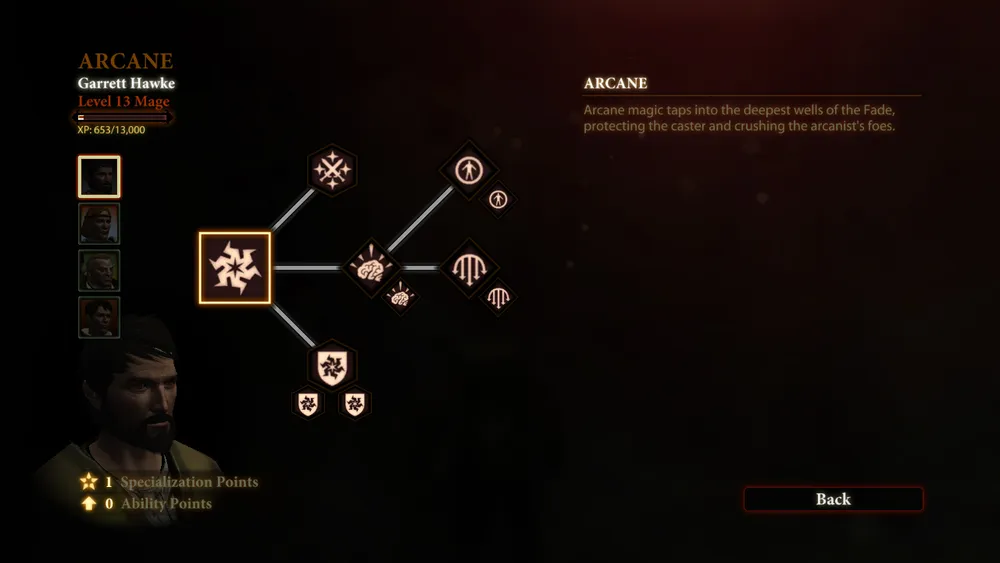
By drawing power from the very essence of the Fade, an arcanist can protect themselves and annihilate their opponents.
Entropy:
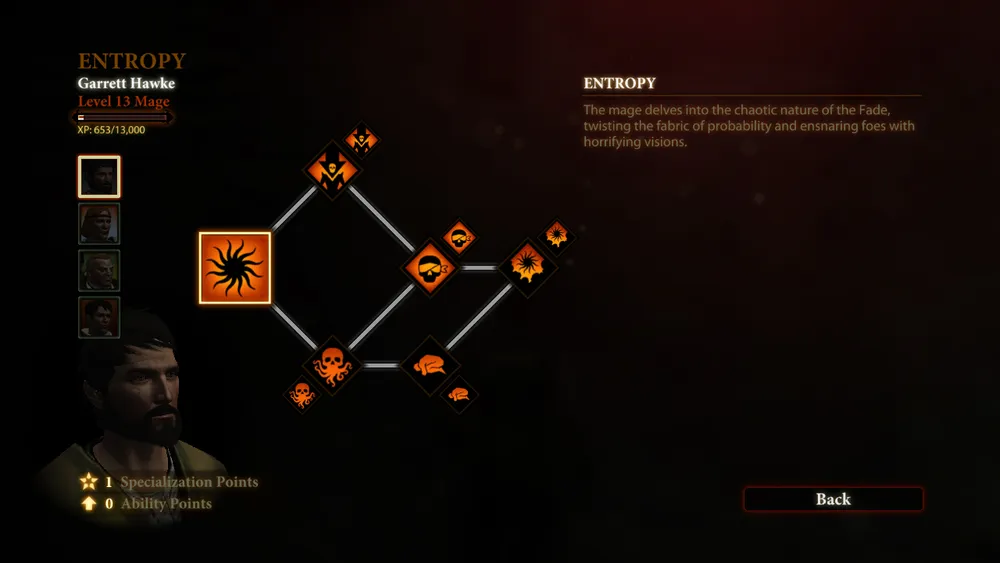
A mage calls on the chaotic nature of the Fade, warping reality and allowing terrifying visions to consume the mind of the opponent.
Creation:

Mages trained in creation are invaluable allies as they can heal wounds, grant their allies new powers, and protect them from attacking enemies.
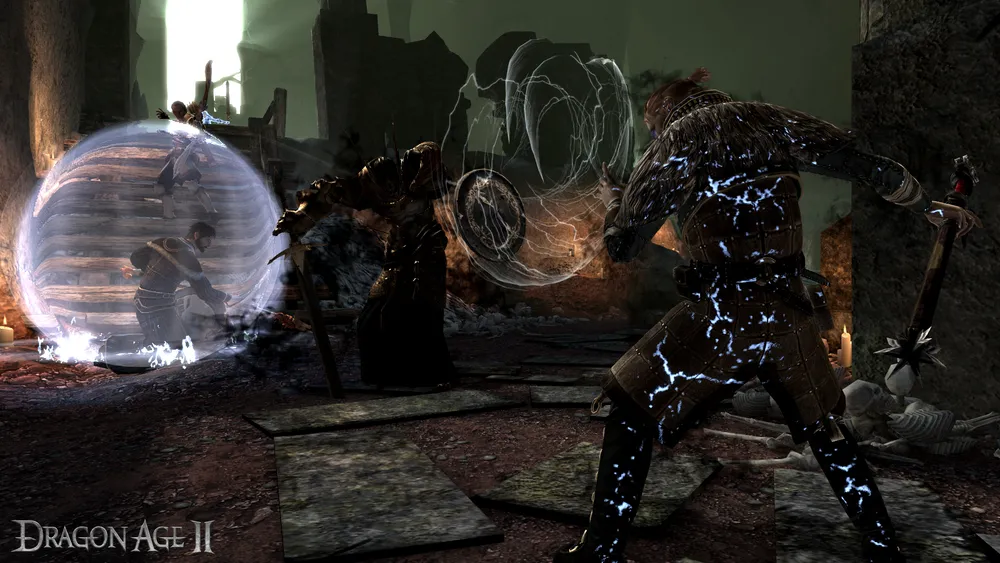
Spell Barrier
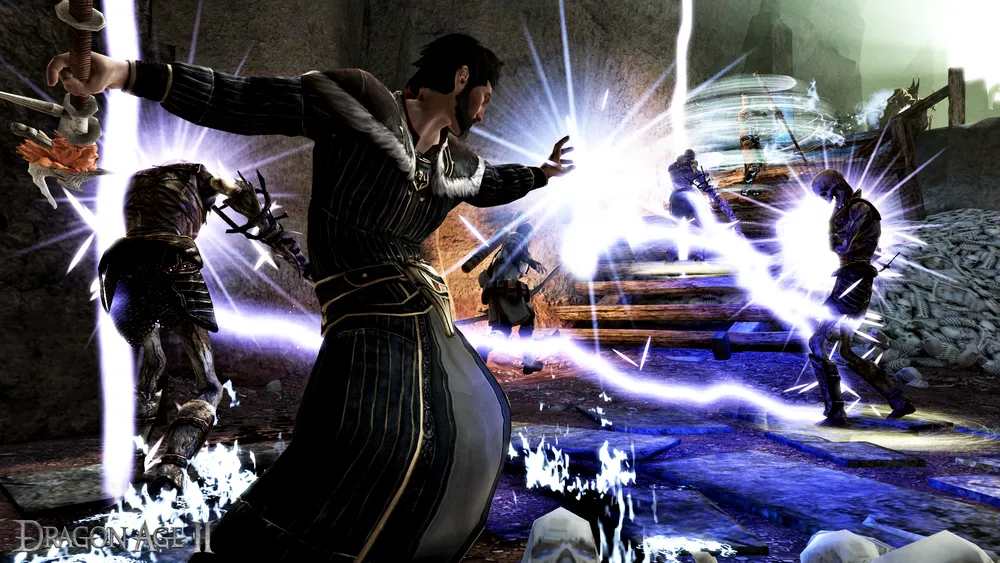
Spell Lightning Bolt
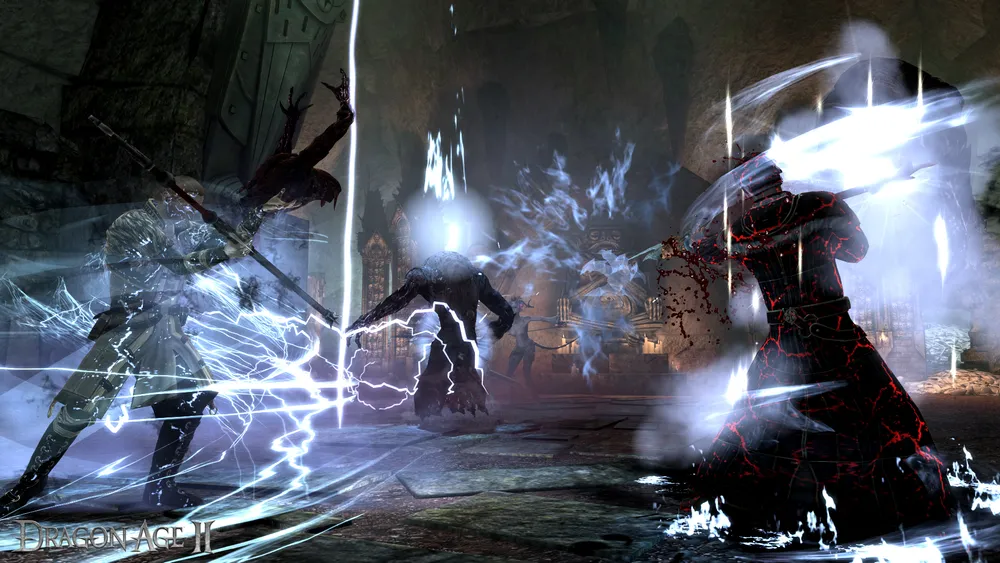
Spell Healing

Spell Telekinetic Explosion
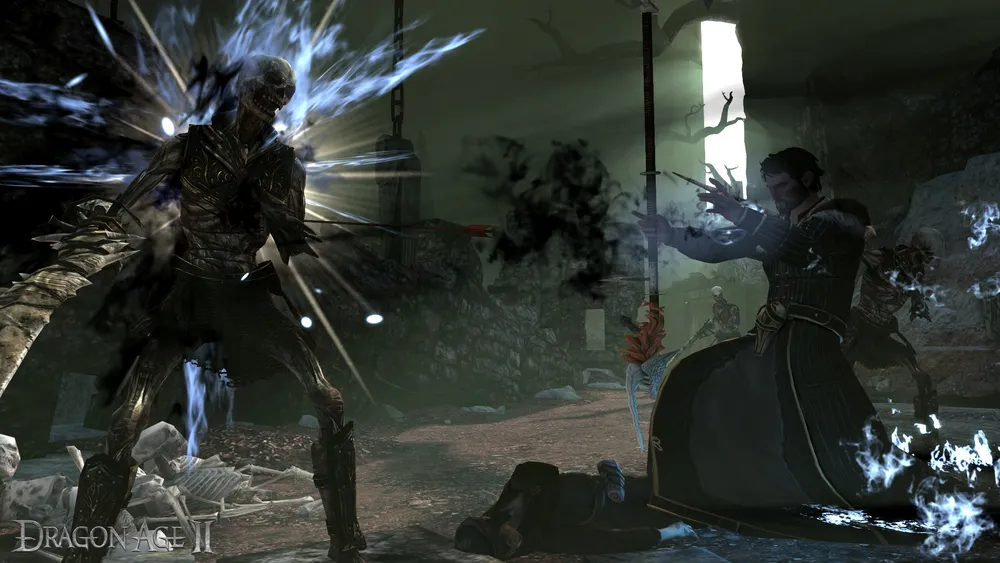
Spell Living Bomb