
Rush. Craft Sewing
Rush. Crafting Tailoring
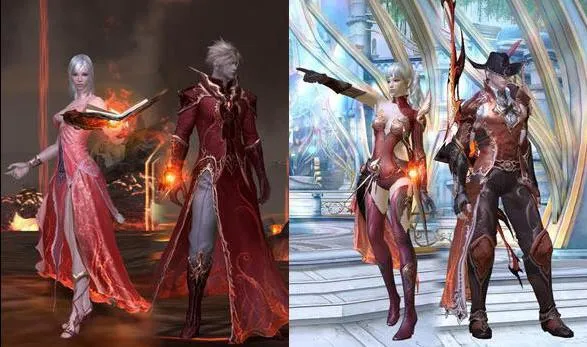
Tailoring is one of the riskier crafts. Despite the typically dominant number of assassins, rangers, and sorcerers, the price of tailor products is not very high due to these classes' preference for abyss gear. Additionally, these classes change armor less often due to its lower importance for them (the usefulness of manastones often exceeds that of gear). Therefore, products crafted with a low number of sockets are simply trash and usually cost less than the materials used. However, critical crafts (which are not always possible) and items of the highest levels (mastercraft) are useful. Consequently, developing this craft earlier in the late phase of the game is not very profitable.
Tailor Products
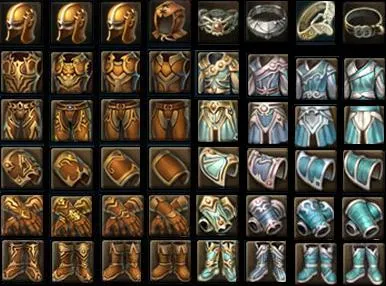
One of the downsides of tailoring is its dependence on "successful crafting," known as critical craft. You spend a lot of resources and time creating one item, and if you end up with the item specified in the recipe instead of its improved version, you usually lose out. People who craft 20 items in a row on gear crafts do not incur losses. According to probability theory, they always end up in profit. But there can also be an epic fail. Additionally, focusing on critical craft forces you to create items with an expertise 70 levels above the recipe, which is costly for lower levels.
The advantage of crafting is the ability to gear up in end-game equipment at final levels much cheaper. Also, pointless simple recipes for higher levels are cheap enhancements. This means that the price of the item itself will be five times lower than the enhancement cost that can result from it. If you want to enhance well while playing a scout/mage class, level up tailoring. The materials are much cheaper than for armor crafting (the analogous craft for heavy armor). Also, only through tailoring can you craft belts. Belts are worn by everyone, and the drop rate for good belts from mobs is virtually zero.
Why is this article in the Rush topic?
Rush provides for your rapid development to the end-game phase and the final dungeons. Some items from tailoring + those obtained from enhancement items are pieces of end-game gear. Rush leads to them.
This craft is best developed by scout classes (assassins and rangers) because they depend on armor more than others. Unfortunately, for mages, armor hardly provides any defense. It will also be easier to attract mages-alchemists and assassins-weapon makers to cooperate.
Other classes are more suited to other types of crafting, which will be explained elsewhere.
Tailoring, like any craft, is divided into several levels of mastery. Each level requires its own consumables, resources, and materials.
1-99 Lesser Craft (Lesser)
100-199 Regular Craft (Regular)
200-299 Greater Craft (Greater)
300-399 Major Craft (Major)
400+ Master Craft (Master Craft) and Dragon Craft
As you develop your crafting skills, you essentially produce the same items but for larger levels and better quality.
Key items include: Armor (leather and fabrics), belts, leather helmets, and components for siege weaponry.
To produce armor and belts, you need earth and air resources + enhancement stones (accessory refine for hats and belts, armor refine for armor)
+ processed leather.