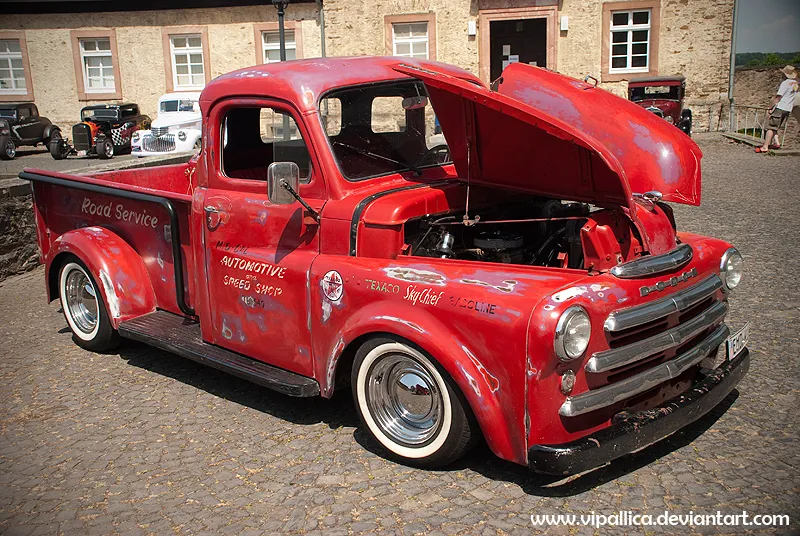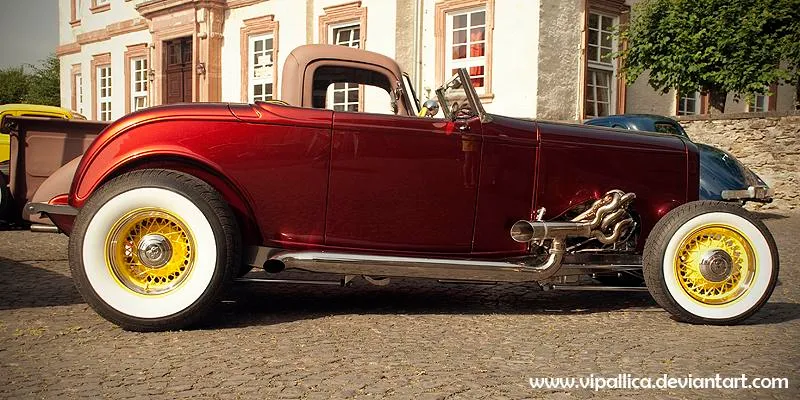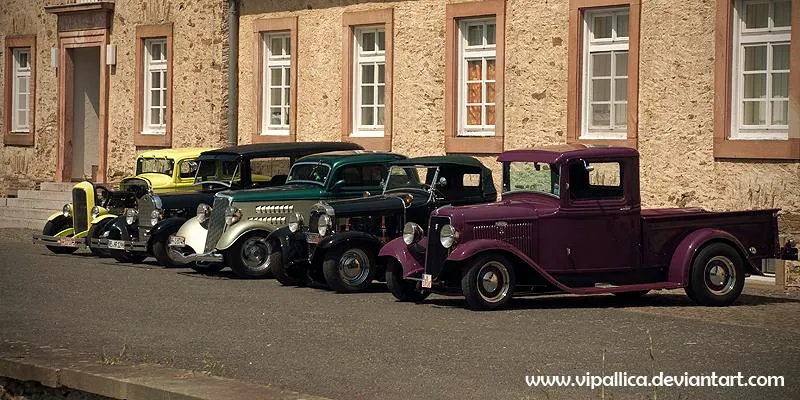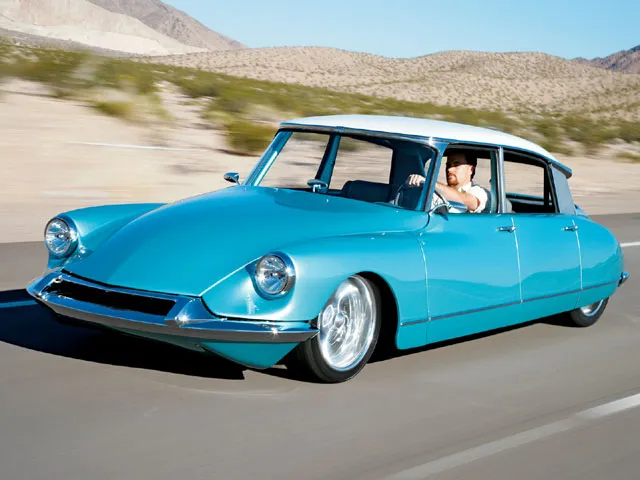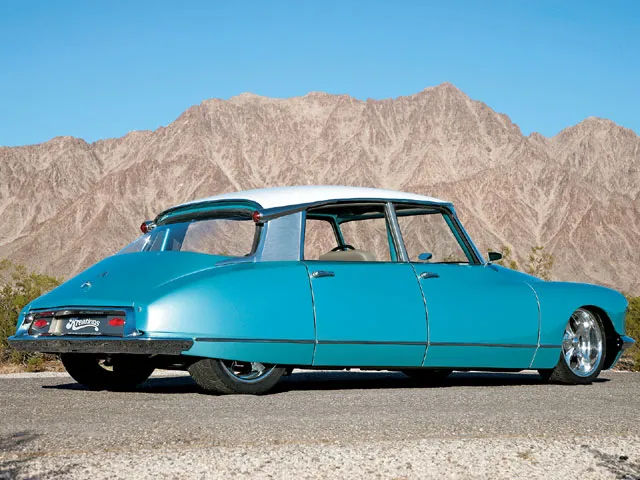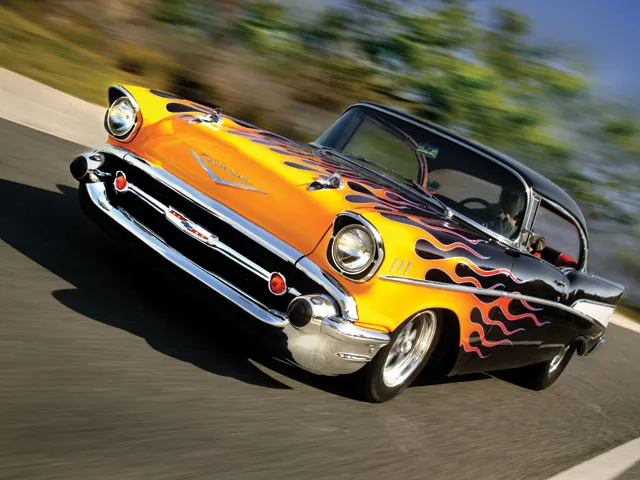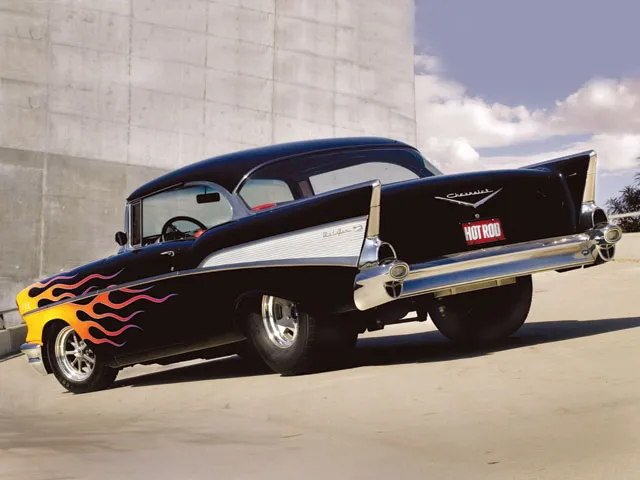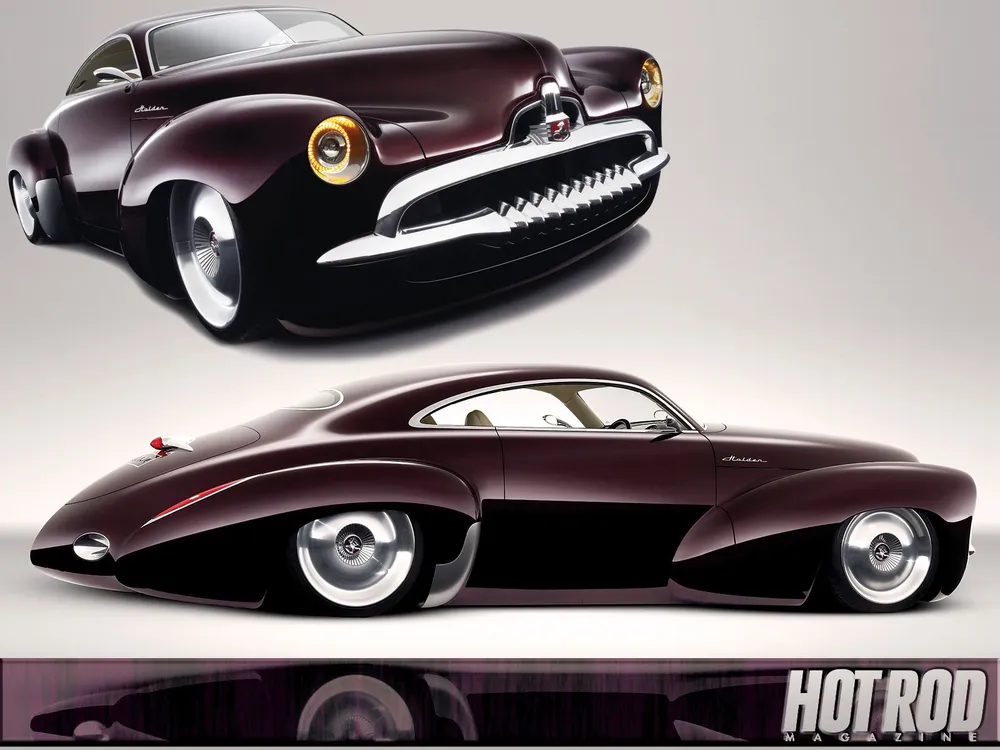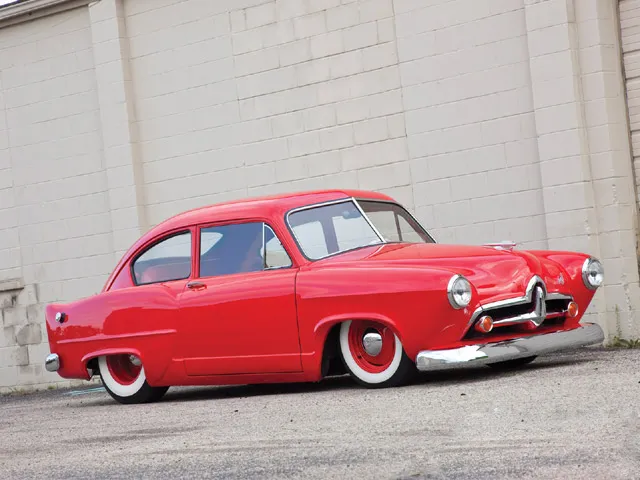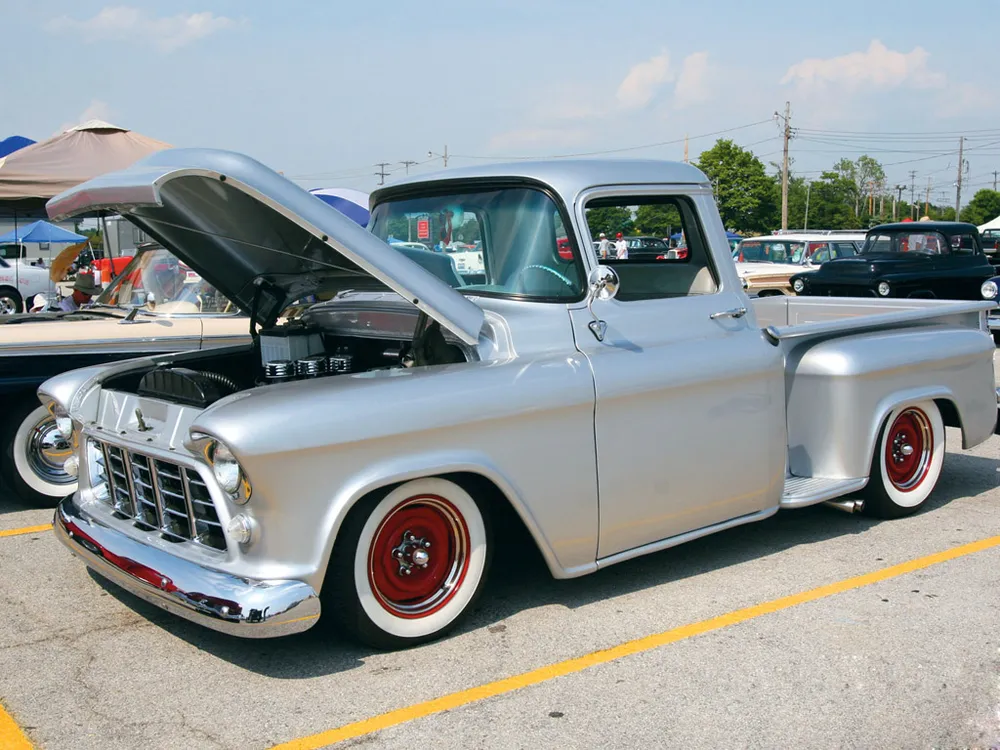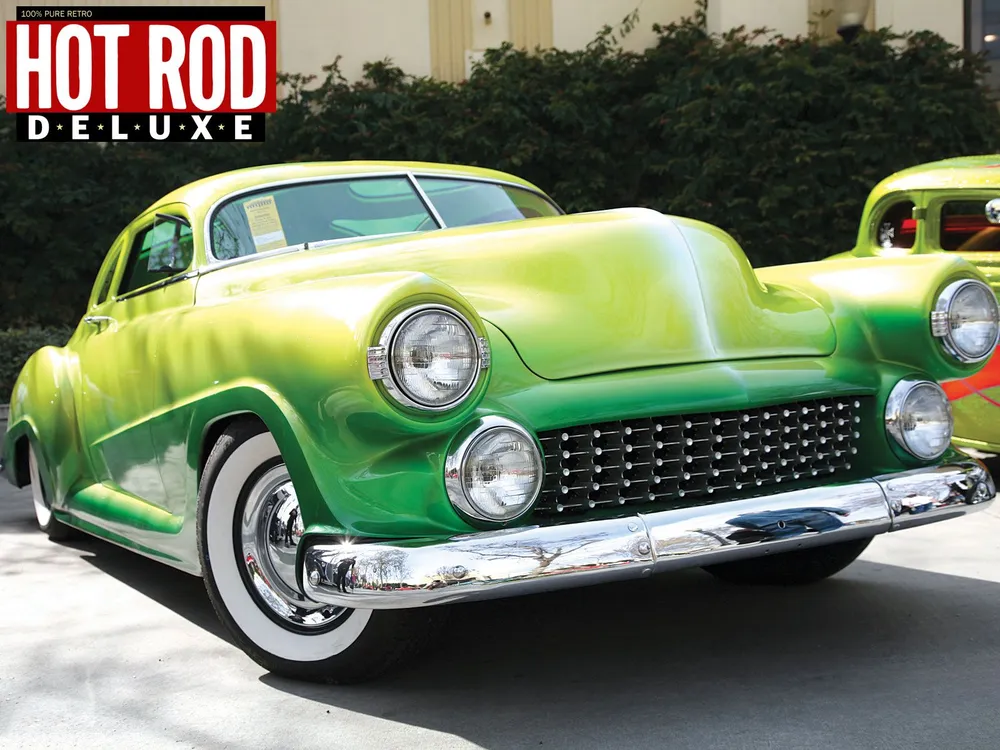
Hot rods in the 1940s and 1950s. (What is a 'hot rod'?)

I recently posted a modification Level 3 Tuning and many have told me that cars weren’t tuned like this before. In fact, there was no tuning at all. So, I will tell you how things were with Hot Rods and drag racing in the 40s and 50s. Let's start by delving into the term "hot rod" and tracing the history of the first hot rods, whose emergence laid the foundation for the rise of drag racing.
The Term 'Hot Rod'
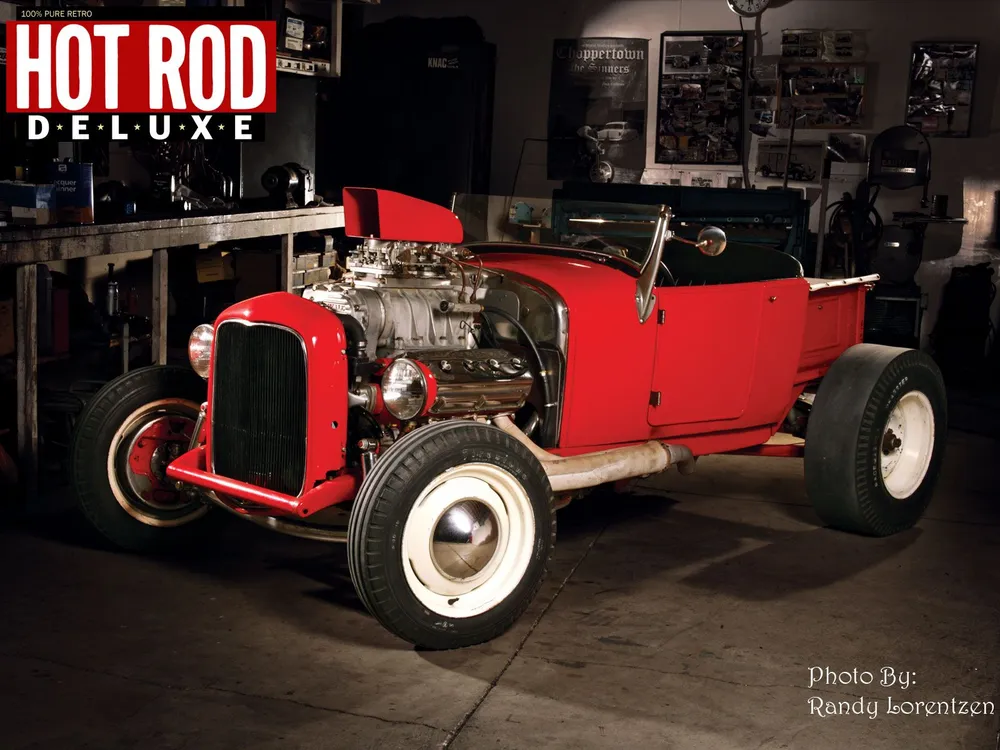
There are several interpretations of the term "hot rod". One of the popular theories about the origin of this term is that it comes from the phrase that sounds in English as "hot roadster". This refers to a two-seater sports car with a folding top that was modified. These cars often have a light weight and easily modifiable engine. Roadsters always remained one of the favorite classes of cars on which hot rods are built.
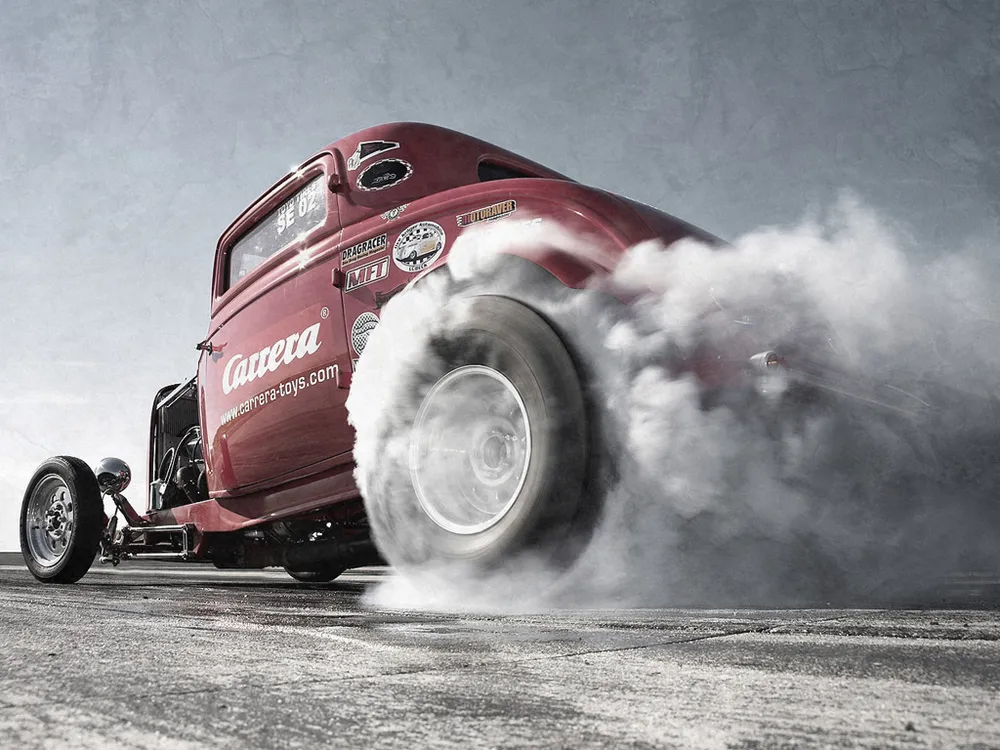
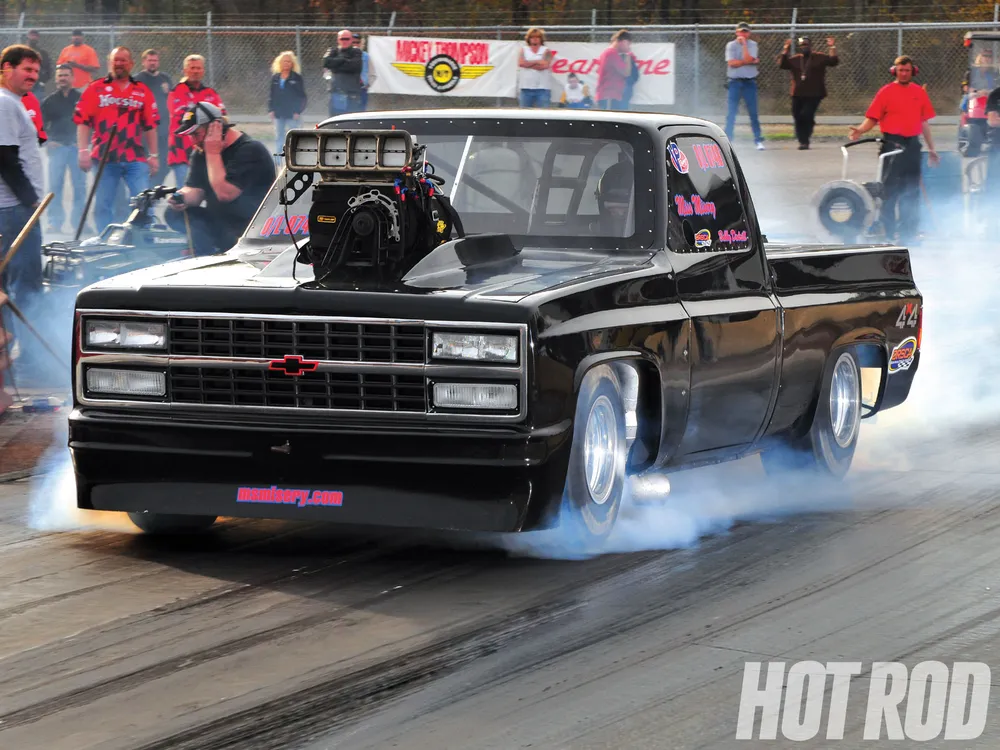
Hot rod burnout
According to another version, the origin of the term "hot rod" is linked to the translation of this phrase from English. In Russian, it sounds like "горячий штифт" (hot pin). This term refers to camshafts, valve lifters within the engine, connecting rods, or the car frame, whose bare parts are most often visible on hot rods.
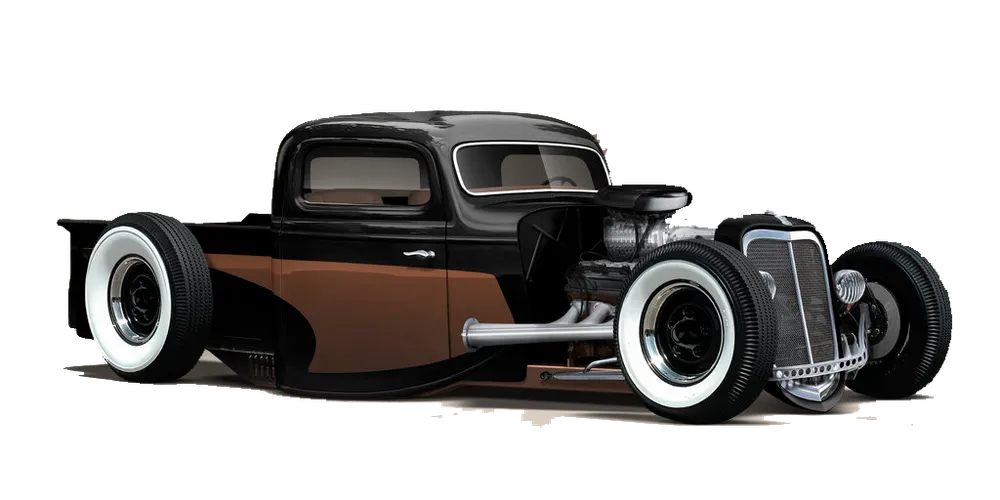
The Emergence of the First Hot Rods
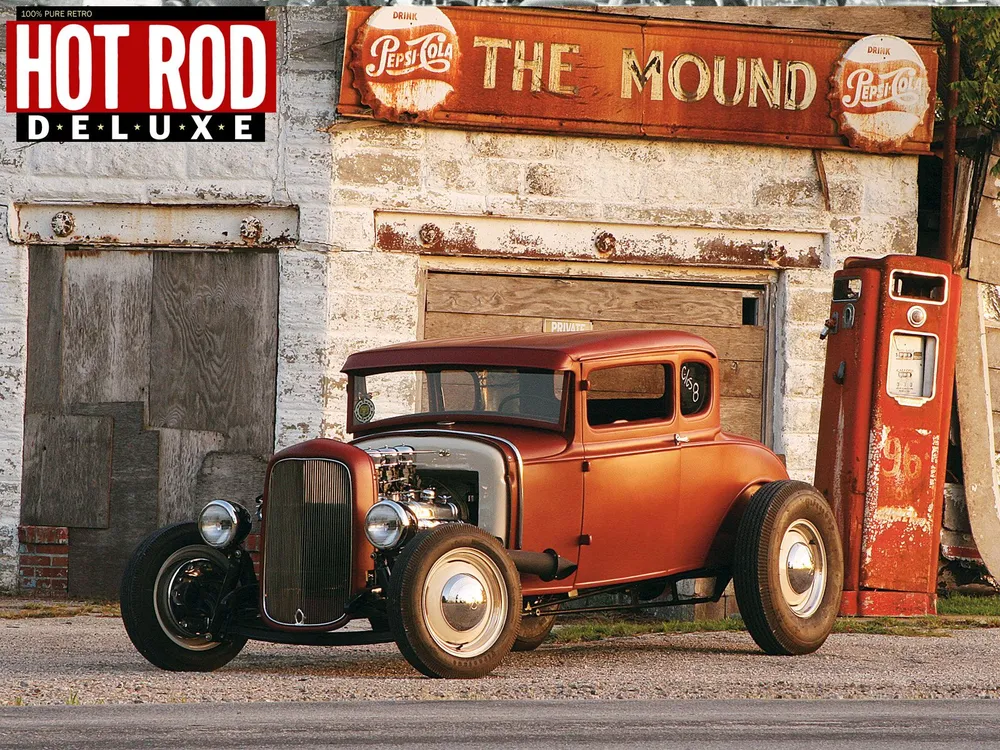
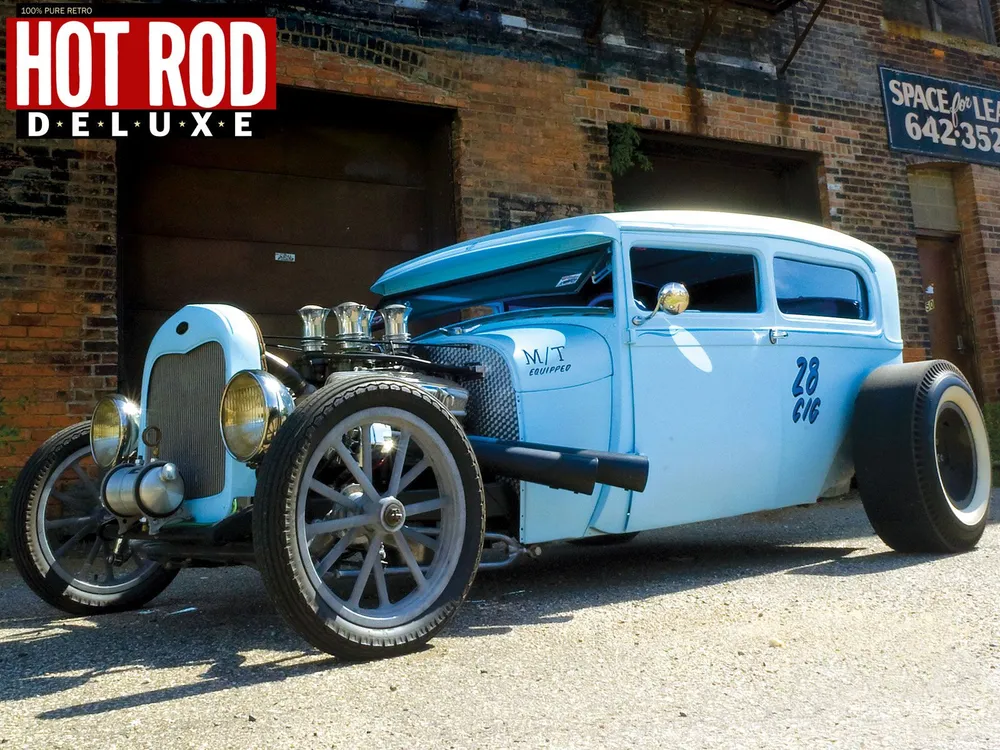
The first hot rods began to appear in the 1930s. The main role in this was played by Ford, which provided the first tuning enthusiasts with inexpensive cars that had wide modification possibilities. For a long time, the most popular models for building hot rods remained the Ford Model T and Ford Model A. To this day, these cars remain classics among drag racing enthusiasts.
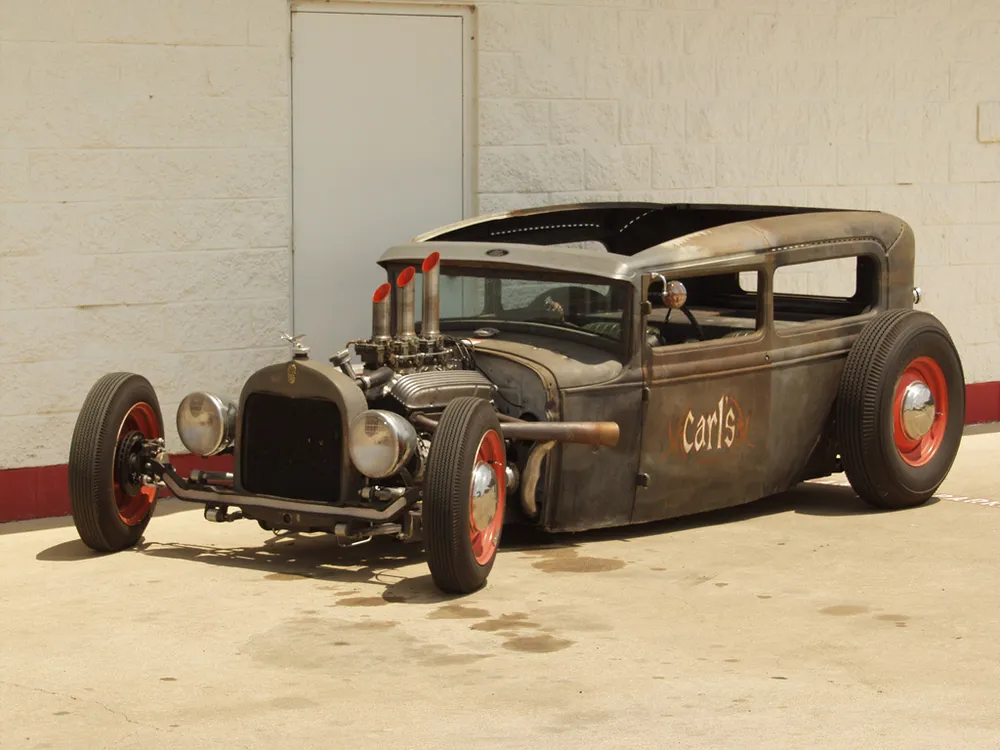
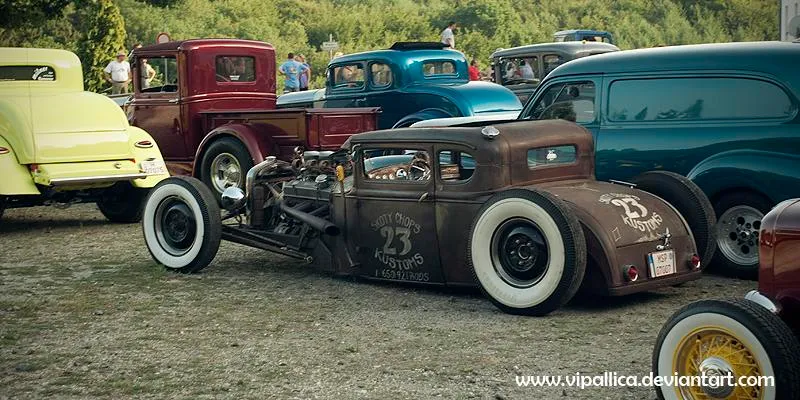
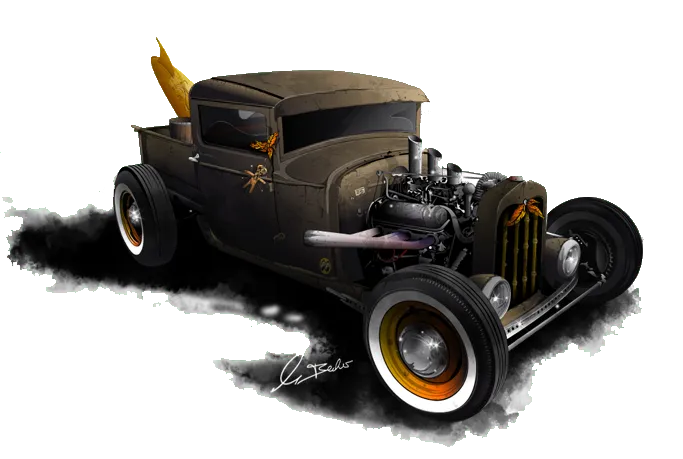
Ford Model A Sedan 1930 Rat Rod
Hot Rodders
The main demographic of those who began getting involved in hot rodding consisted of young guys who sought to maximize performance from inexpensive cars. Because of this, hot rodders manually modified their cars, scavenging parts for modifications from junkyards. Like most modern tuners, the primary goal for hot rodders was short-distance racing. Such races became the prototypes for modern drag racing and street racing. Illegal races took place both on city roads at night and on country tracks or salt flats. In the post-war period, drag racers used numerous military airfields for their competitions. Thanks to the abundance of such facilities, drag racing gained popularity throughout the United States, and by the early 50s gained its first legal clubs and associations.
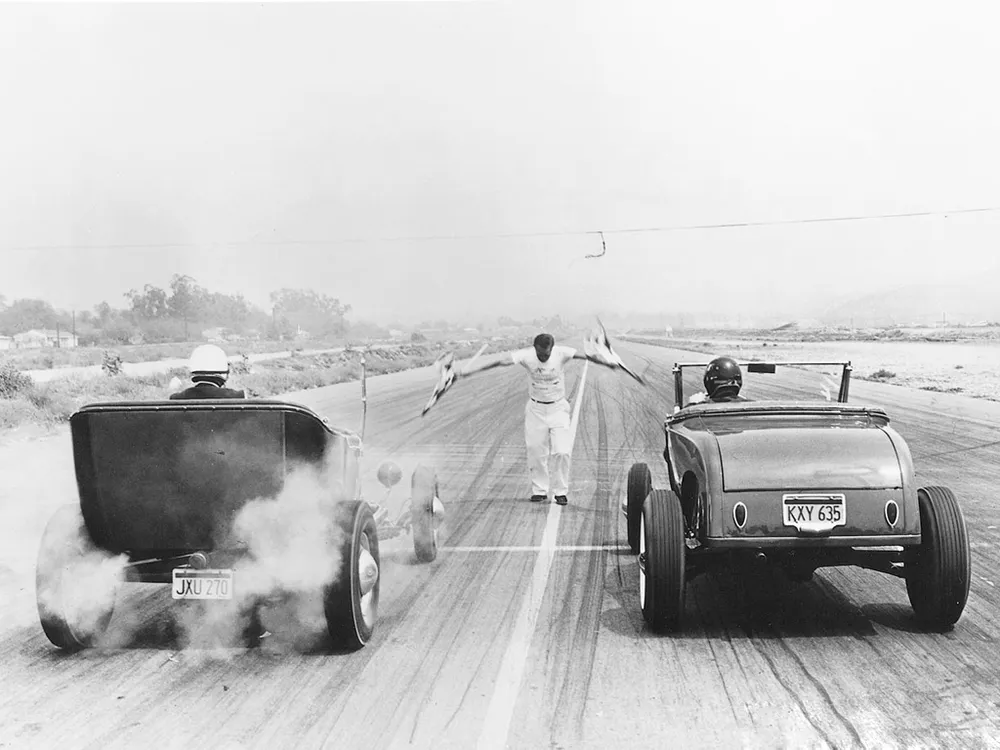
A race on the San Fernando track in 1955
How Hot Rods Were Modified
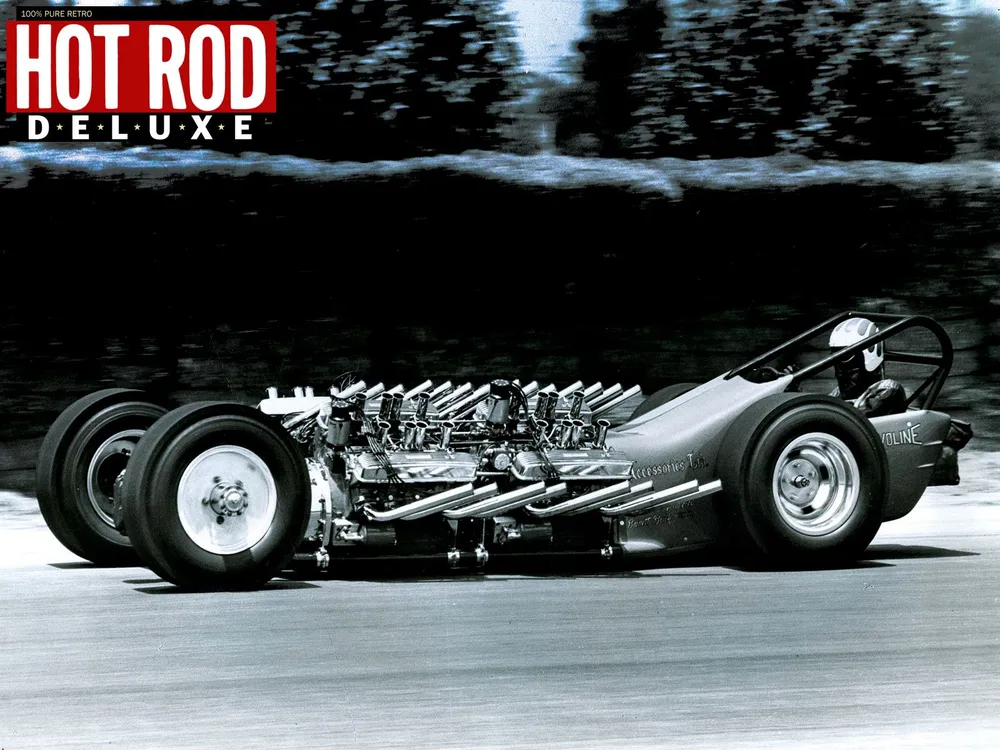
The main purpose of modifying any sports car is to increase its power and improve aerodynamics. Enthusiasts of hot rods knew about these crucial pillars of automotive engineering 80 years ago. The primary focus in modifying a hot rod became increasing engine displacement, installing a supercharger, and later – a nitrous oxide delivery system. A hot rod would receive larger valves, forged connecting rods and pistons, and phase-expanded camshaft lobes. In addition, hot rods were equipped with new mufflers that had reduced back pressure and increased flow areas.

Richard Riddell's '25 Dodge Hot Rod
Hot rod bodies were ruthlessly redesigned by tuners. Since the focus was on minimizing cost and weight, the entire interior was often discarded – only the supporting frame and the most essential elements remained. As for aerodynamic performance, improvements were achieved through a lowered roof and slanted windshield. It's also worth noting that the rear axle of a hot rod was always larger than the front. This provided a speed advantage.
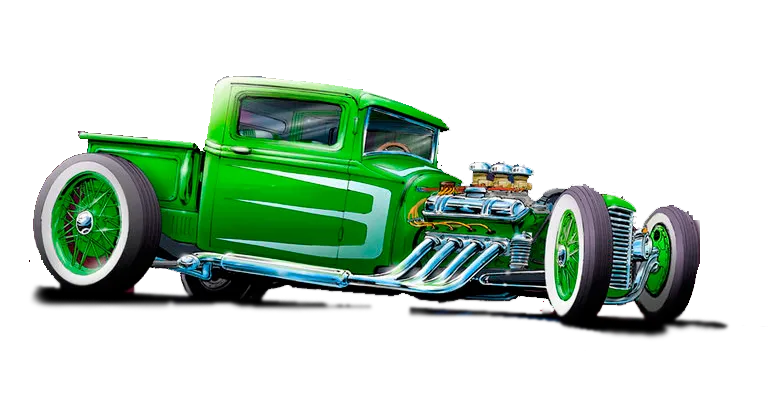
Hot Rods and Drag Racing in the 40s and 50s
In the history of hot rod development, it is important to highlight one of the key periods, which can be titled the "post-war era." A significant boost for the development and quality enhancement of automotive tuning in the late 40s and early 50s was provided by the return of American soldiers home, as well as the use of former military installations as racing tracks. Thus, the post-war development of hot rodding.

Races on the Santa Ana Drag runway (1950s)
From Soldiers to Hot Rodders
When American servicemen returned to the United States after World War II, many of them not only had expanded technical knowledge but also some savings. And despite the availability of new cars, many former soldiers preferred to build and fine-tune powerful hot rods themselves. The new fascination with automotive tuning and building dragsters in their own garages literally swept across the US.
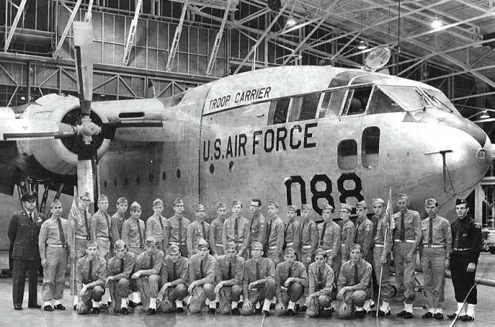
American paratroopers in a hangar at a military airfield
During major military operations and allied landings in occupied Europe, a substantial number of both large airfields and small runways were built in the United States. With the end of hostilities and the obsolescence of these installations, most airfields were abandoned. Enterprising drag racers and hot rod enthusiasts, tired of numerous conflicts with the police on public roads, quickly found a new use for former runways. These military airfields were transformed into the first tracks for drag races and straight-line racing. Short-distance races without the risk to the wallet quickly popularized hot rod racing in dozens of states.
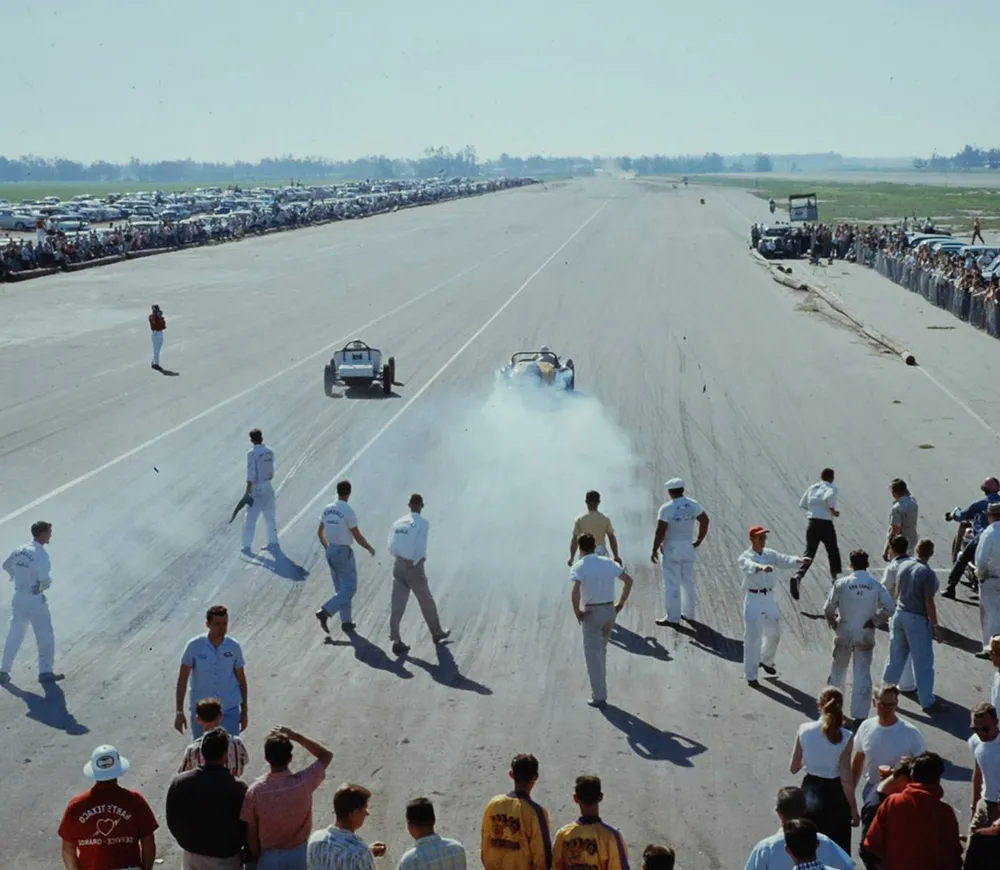
A drag racer's race at Santa Ana Drag airfield (1950s)
The Mass Fascination with Drag Racing
The new mass enthusiasm for hot rods did not go unnoticed by the public and the press. In the early 50s, numerous publications began covering the hot rodder movement, further boosting the popularity of automotive tuning. Racers and enthusiasts formed the first hot rod clubs and associations.
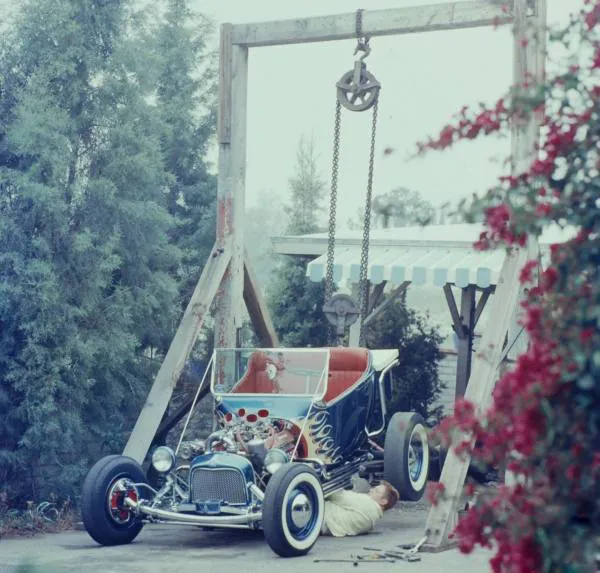
Norm Grabowski under his Kookie Kar (T-Bucket) – California 1950s
But in the history of drag racing, there is one outstanding individual who founded his first club called the Road Runners Club back in 1937. In 1951, this remarkable person initiated the establishment of the largest and most famous association in motorsport.

Wally Parks and the National Hot Rod Association
This prominent figure in the world of drag racing and motorsports is Wally Parks. His contributions deserve a separate article, but we will focus on the main stages of hot rodding development to which Mr. Parks contributed.
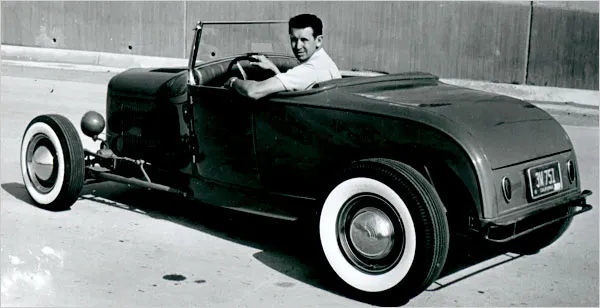
Wally Parks demonstrates one of his hot rods (1952)
In 1947, Wally Parks, a former military test driver for General Motors who dealt with armored vehicles, participated in organizing the Southern California Timing Association. This association held its first "Speed Week" at the Bonneville Salt Flats in 1949. This was the first drag racing "against the clock". That is, participants competed not against each other, but for the best time on the stopwatch. In 1950, the first gathering of hot rodders and drag racers, Santa Ana Drags, was held at an airfield in Southern California, which immediately gained popularity due to its high level of organization. After taking on the role of editor-in-chief of a magazine for enthusiasts with the telling name Hot Rod, dedicated Wally decided to impose "order on chaos" and founded the National Hot Rod Association in 1951.
National Hot Rod Association (Logo)
The main task of the new organization was to ensure safety, create rules and regulations that would allow drag racing to be legalized. The National Hot Rod Association held its first official race in April 1953 in the parking lot of an exhibition center in Pomona, California, which would eventually transform into a true arena for drag racing.
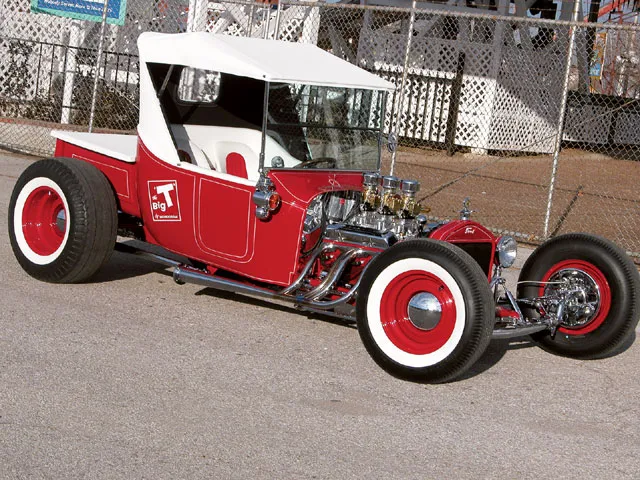
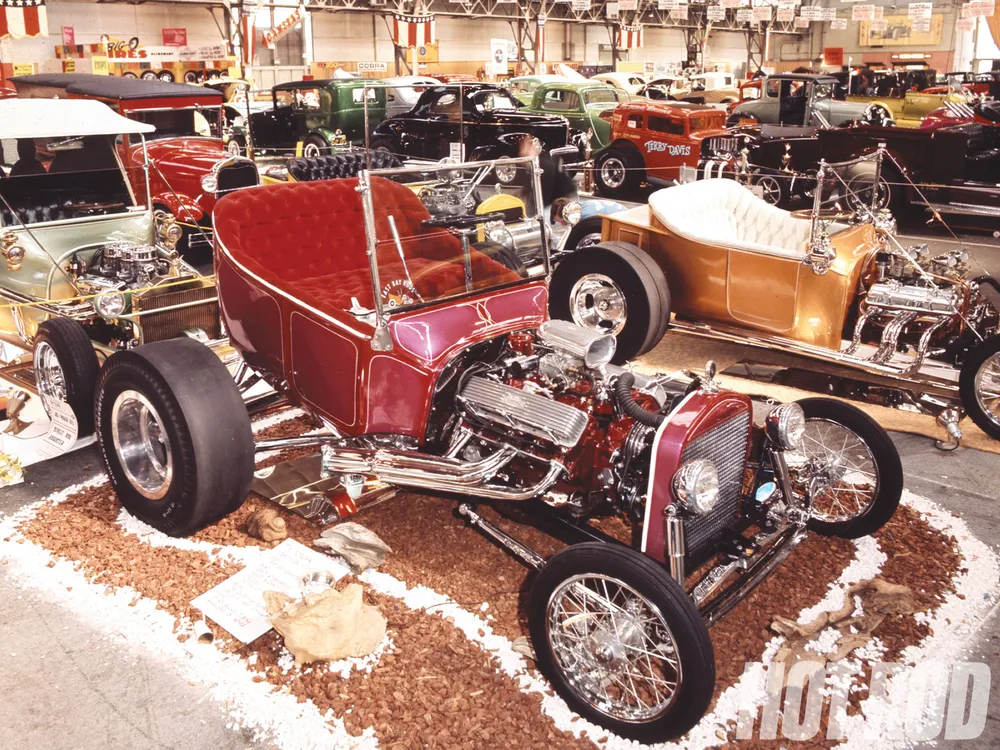
Hot rod T-Bucket based on a Ford Model T
Now let’s take a look at different Hot Rods.
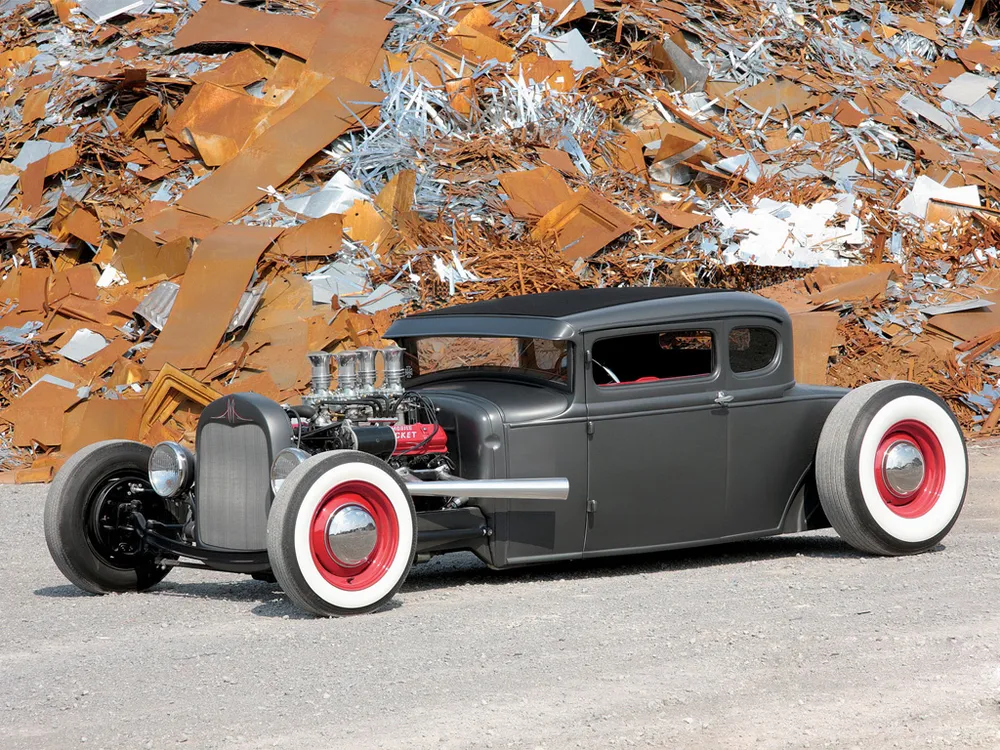
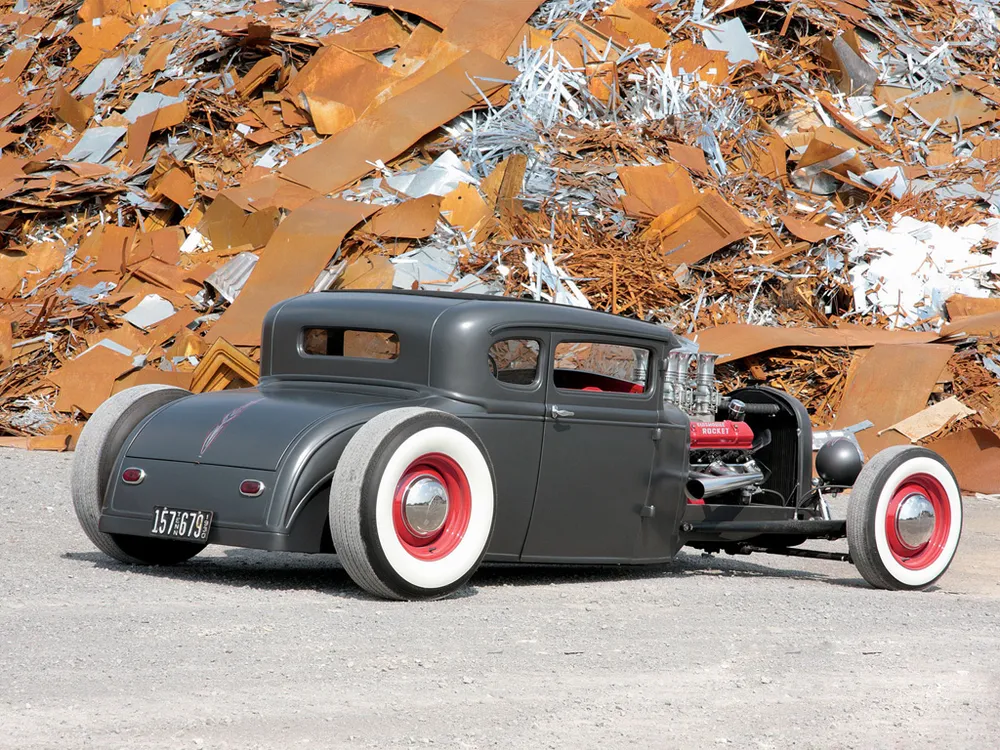
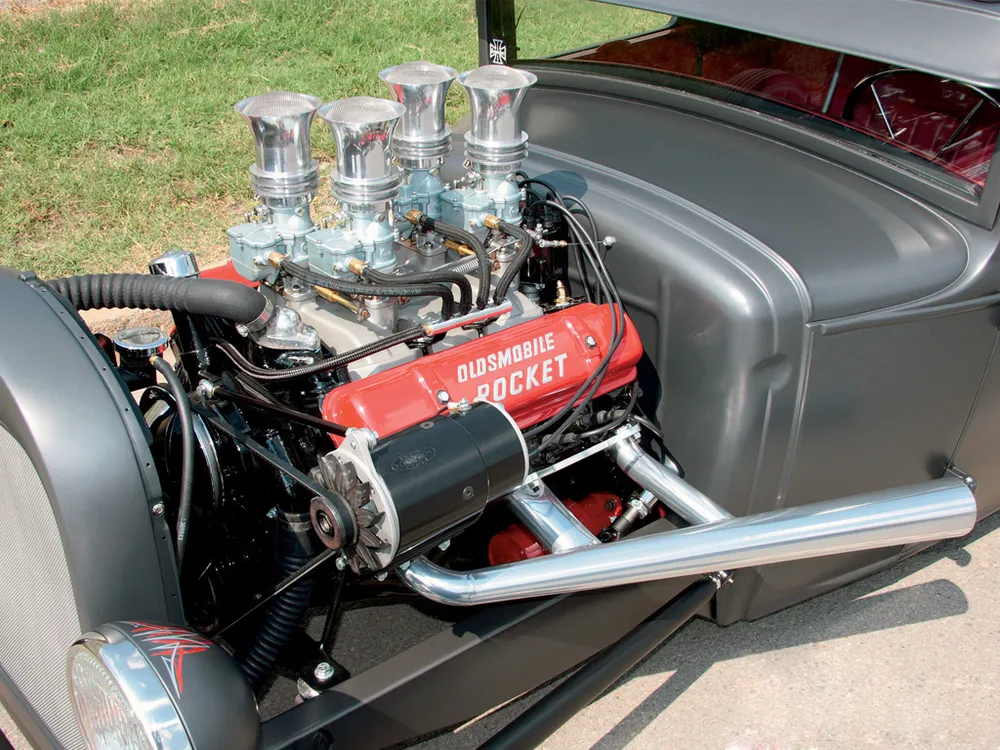
**Hot Rod 1930 Ford Model A Coupe Slammed**
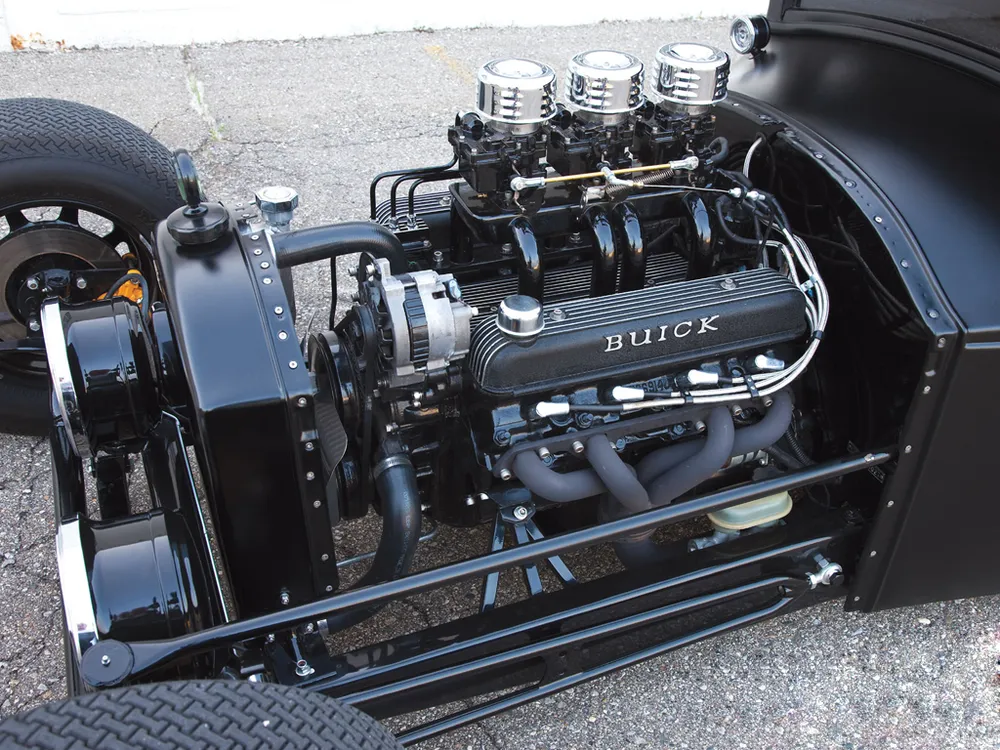
**Hot Rod ‘27 Buick Opera Coupe – Gearhead**

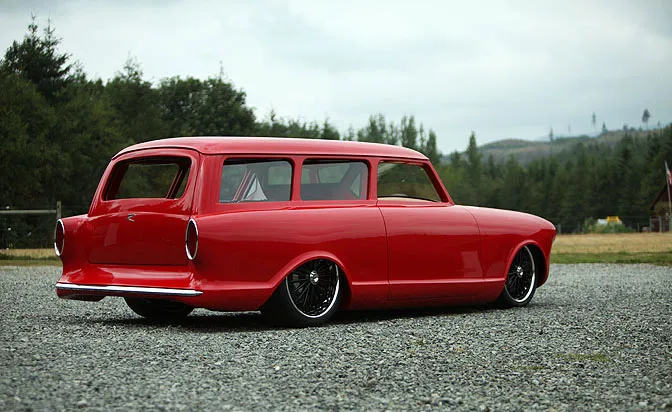
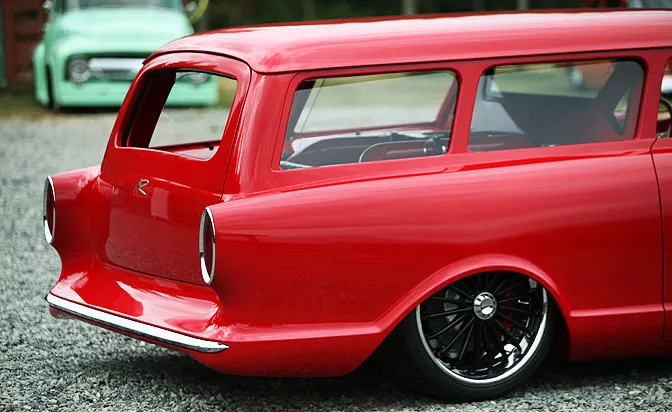
**Custom Ferrambo 1960 Rambler**


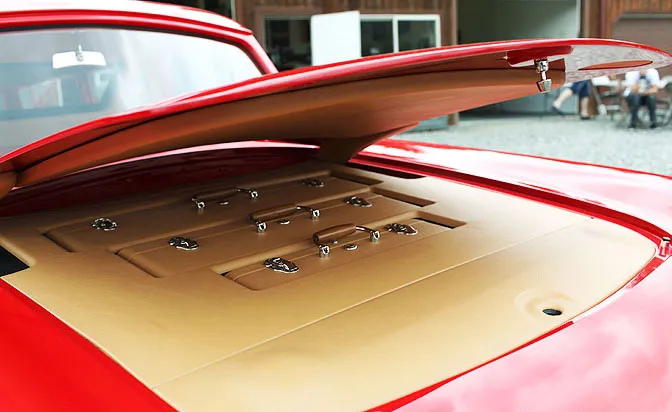
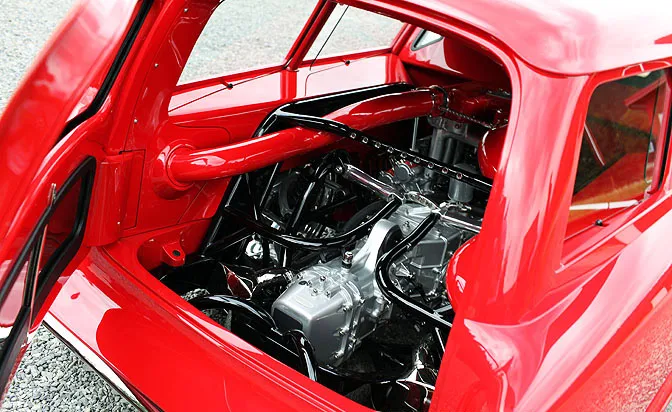
**Drift Rod 1940 Chevy**
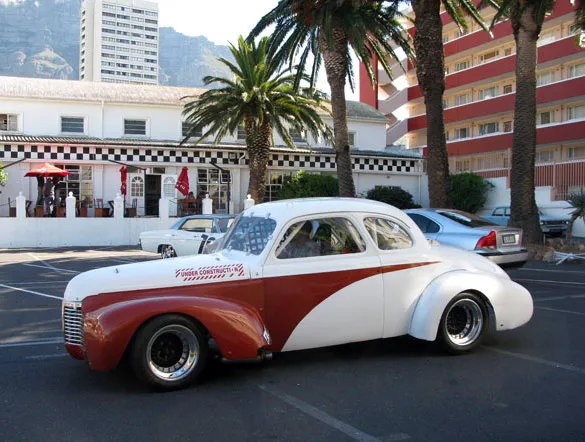

Chevy 327 Small-Block Engine
**Street Rod ‘56 Chrysler 300B**
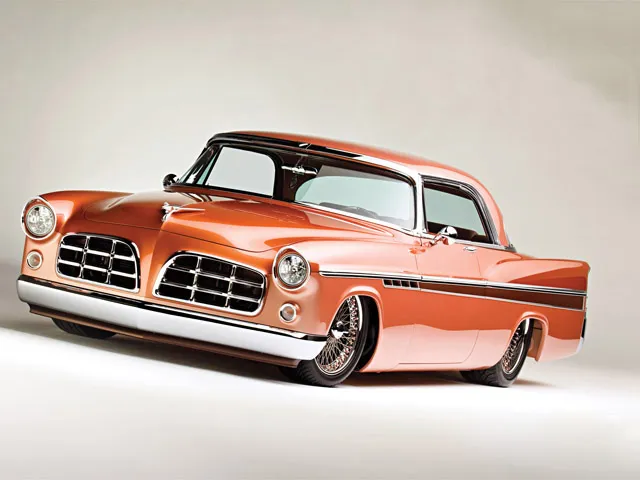

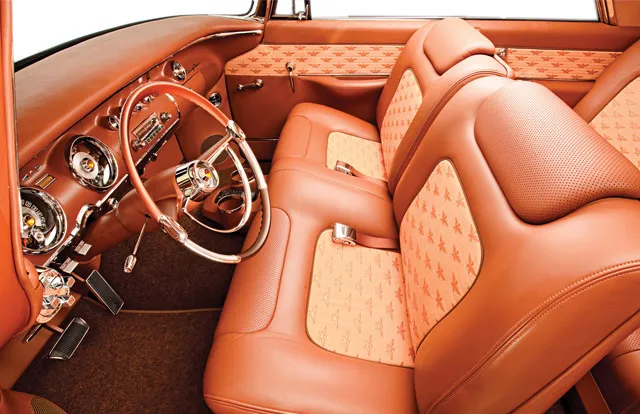
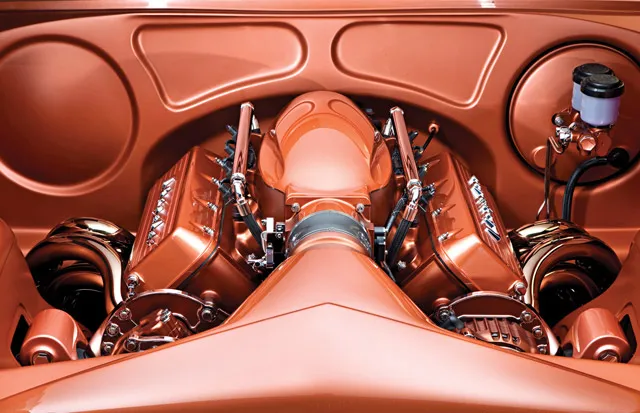
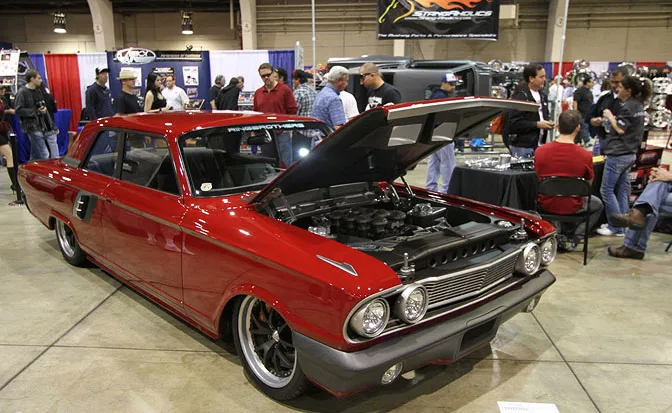
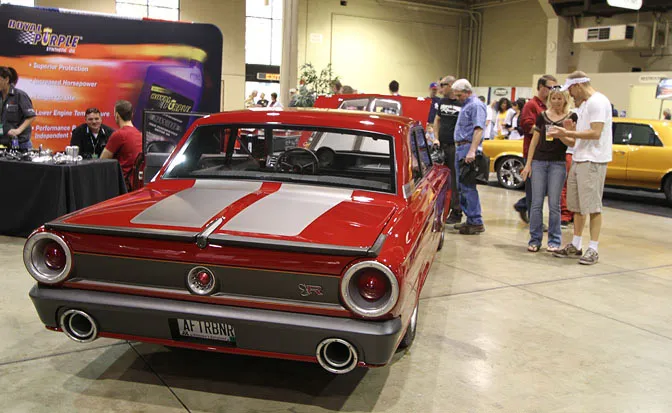
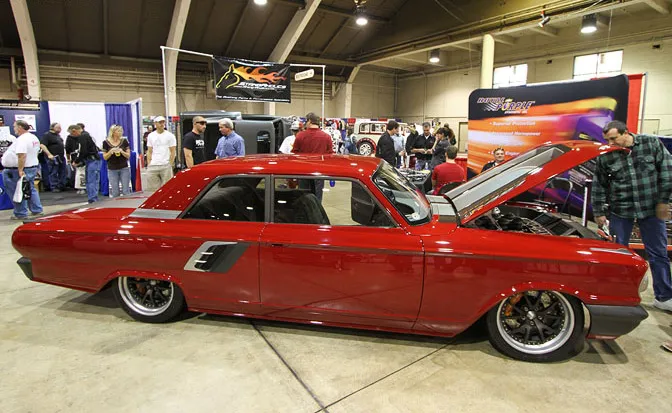
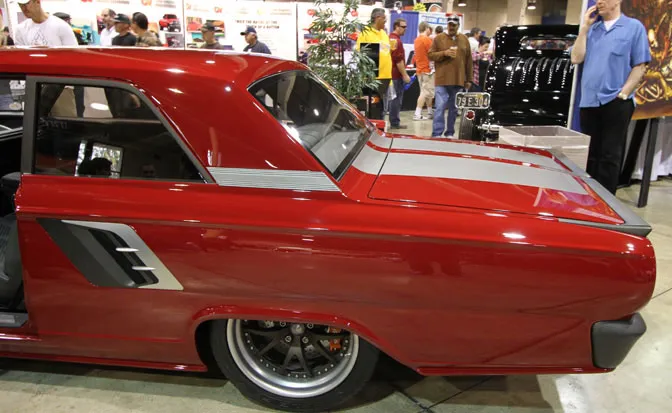
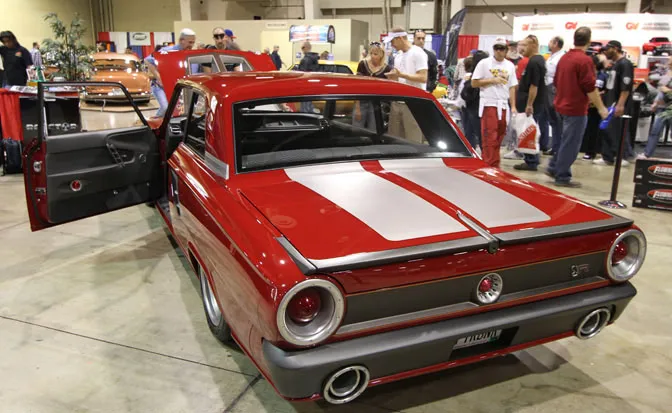
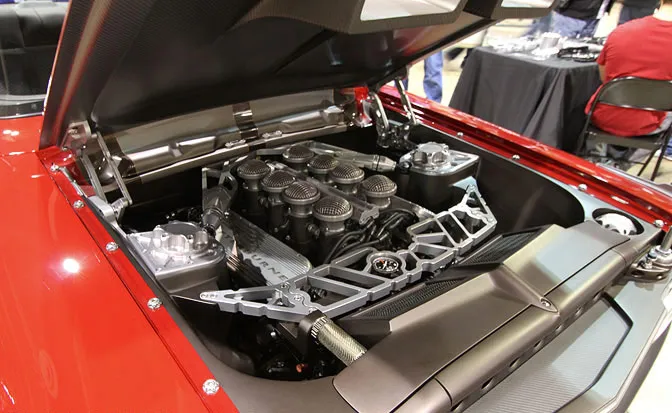
**‘64 Ford Fairlane Afterburner**
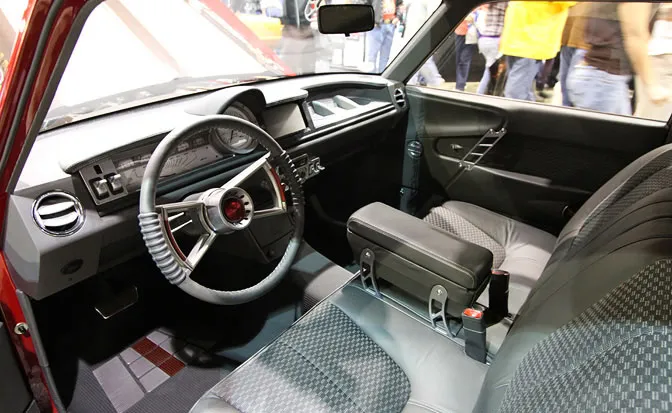
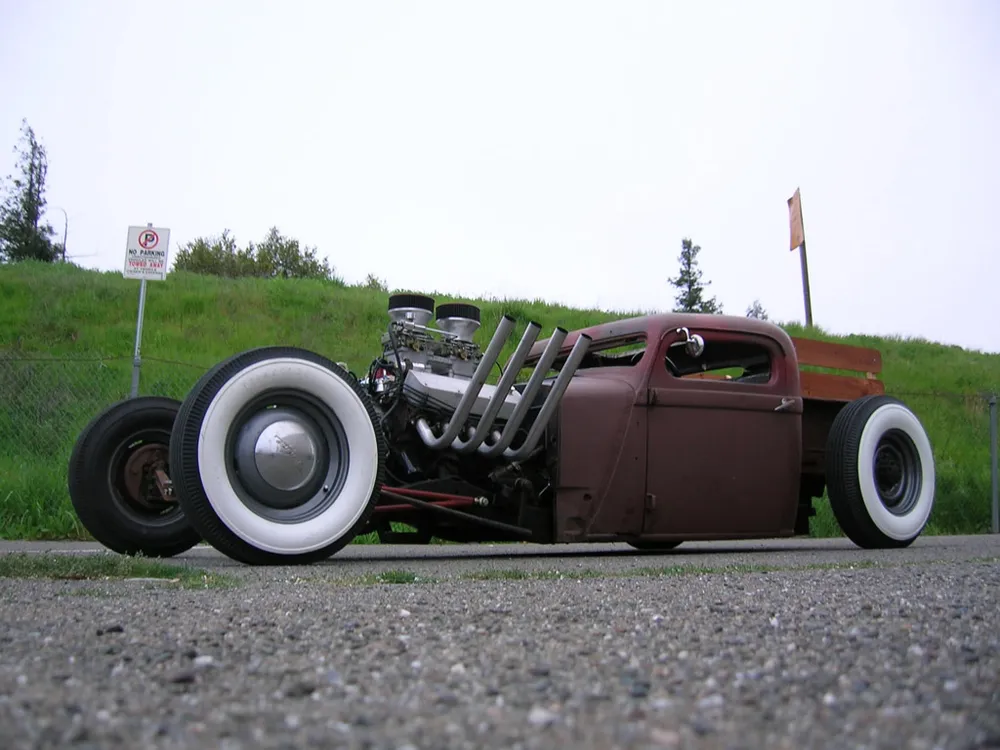
1936 Dodge Brothers Altered Wheelbase Truck (Rat rod)
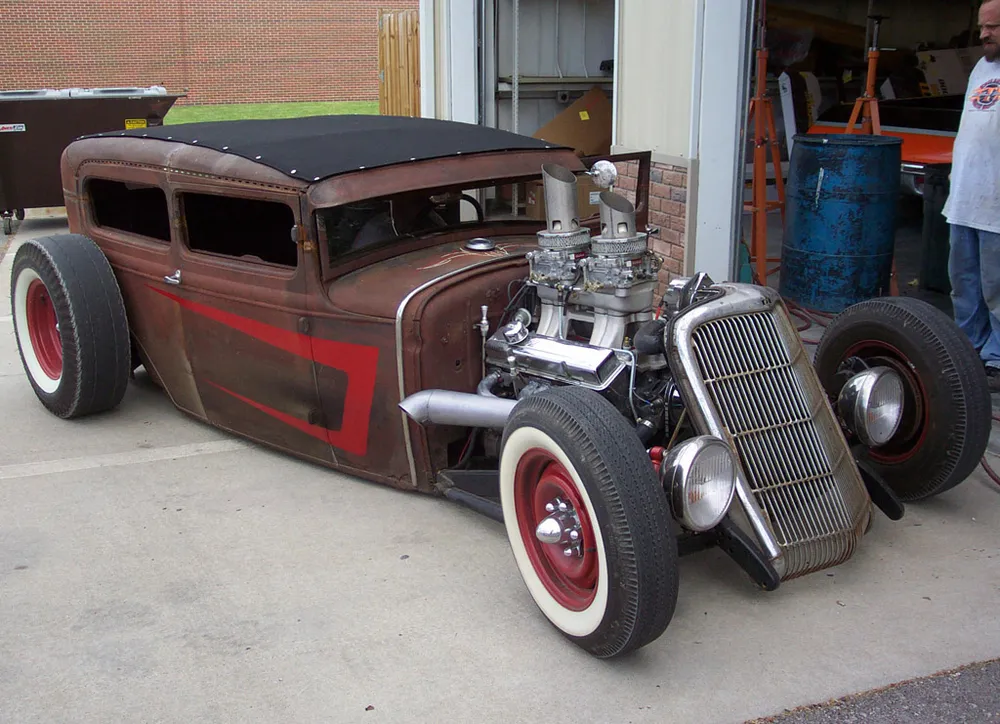
Matt's Rat Rod
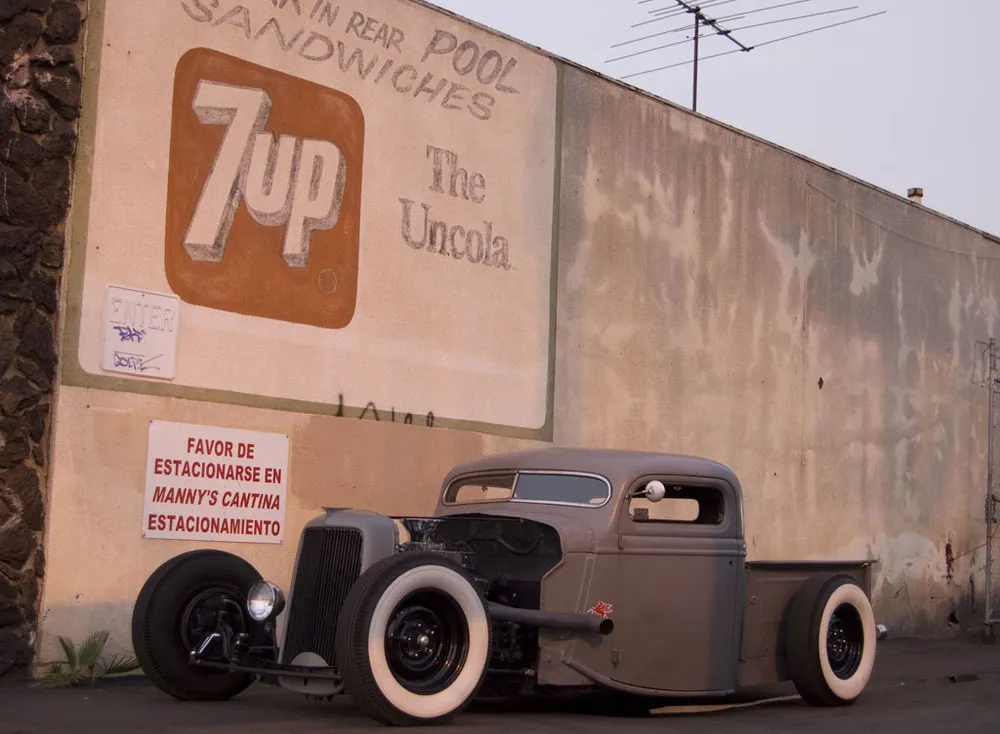
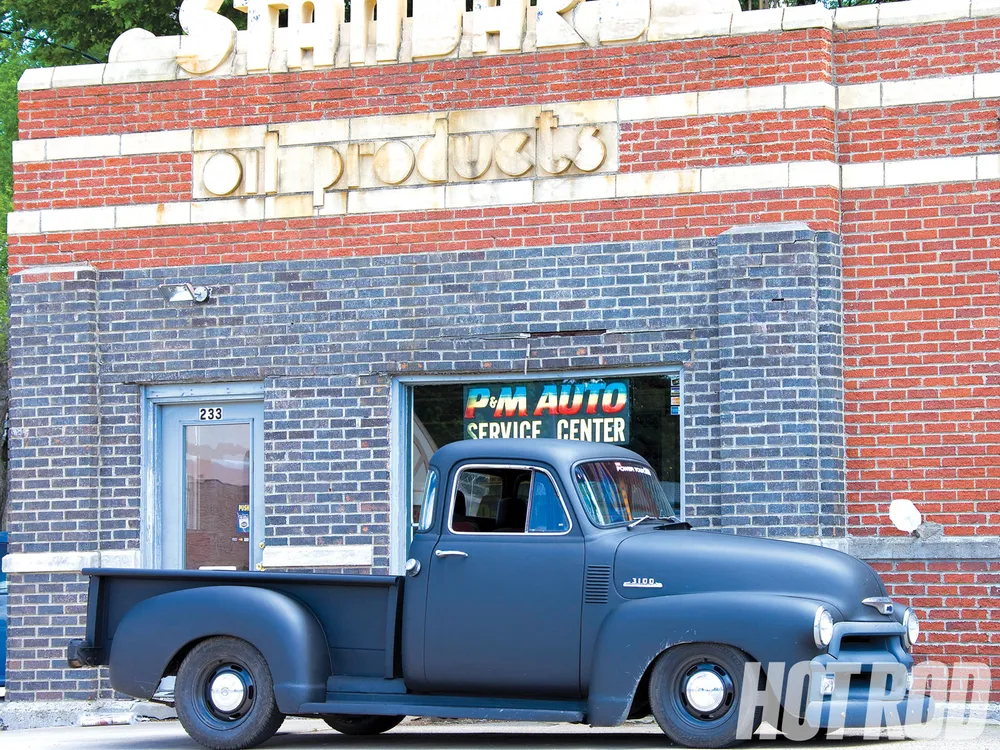
1937 Ford Rat Rod with Matte Finish
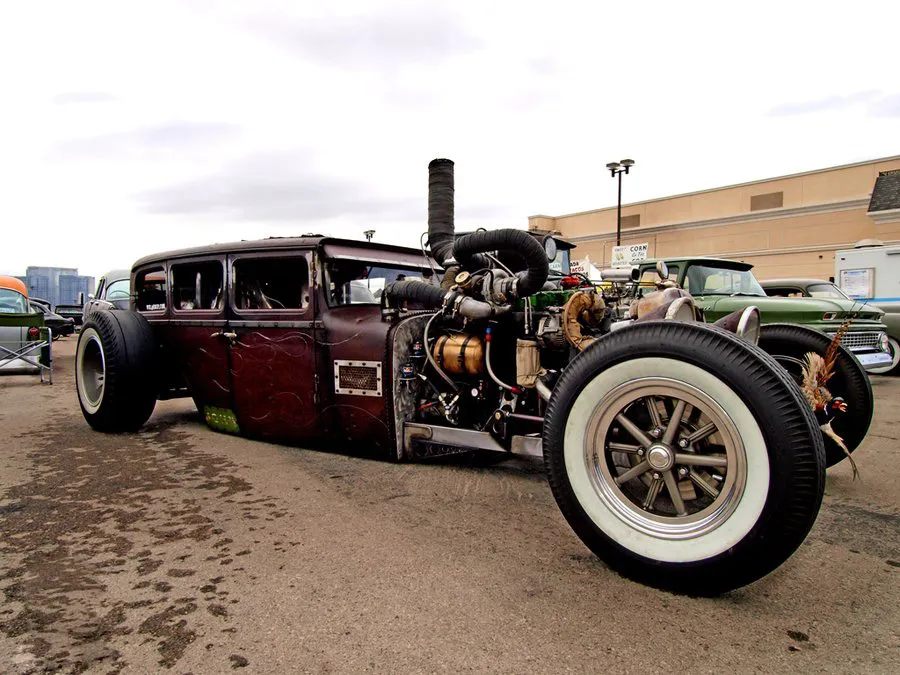
1928 Dodge Steampunk-Rat Rod