
Overview of the Comic Con Igromir Pop Culture Festival
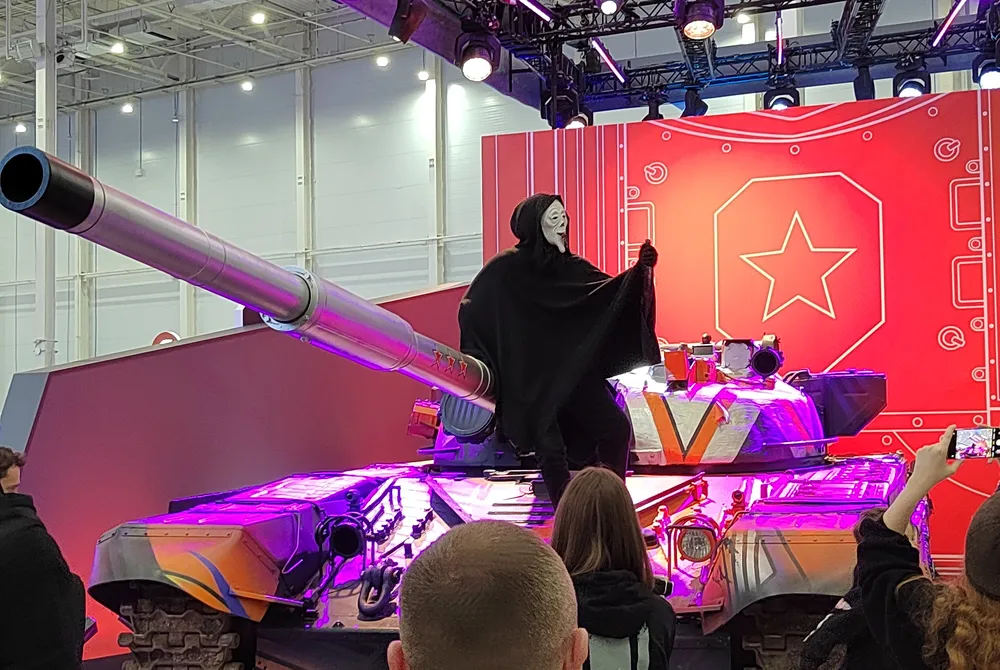
Igromir is back! And it has officially merged with the Comic Con Russia festival, which took place alongside it at Crocus from 2014 until its cancellation in 2020. However, five years later, Yandex purchased the rights to the brands and, in collaboration with several other companies, held a new entertainment exhibition, uniting under the name Comic Con Igromir presentations of games, movies, series, books, online services, computer hardware, and many other things united by the concept of "pop culture."
According to published statistics, the festival attracted 53,500 visitors. As for participants, there were over 140. However, it's not very clear how they counted them — there were quite a few games at the gaming and indie zones, including those with their developers. Also, guest stars and experts performed on two stages and in the cinema.
Main Program
Among the most famous guests of the festival were: Viktor Zangiev (the very one who became the prototype of a fighter from Street Fighter. However, he has aged significantly since then, although not outwardly.), producer and screenwriter of Guy Ritchie's films, Ivan Atkinson, comic book artist and animator Esad Ribic (who worked on several lines of Marvel heroes), the main cast of the Major Grom movie universe, as well as the lead actors of the series "Vampires of the Middle Strip" and the film "King and Jester. Forever."
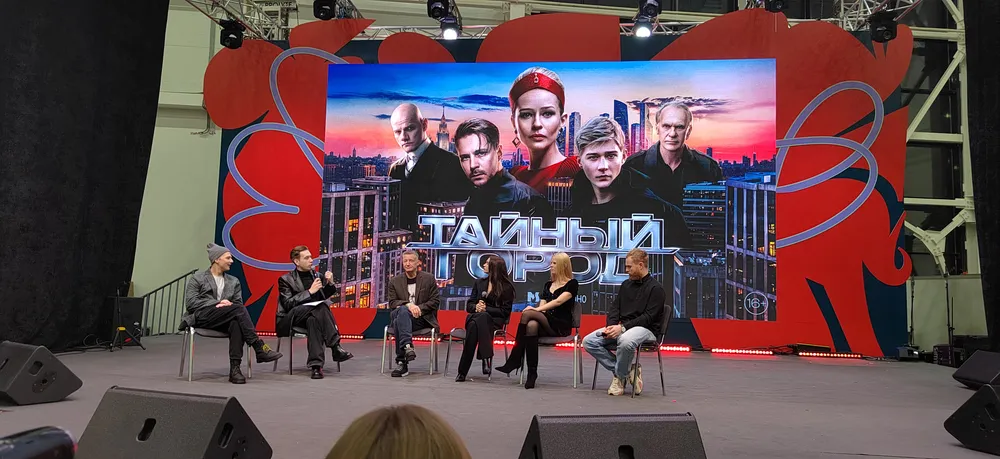
There were also presentations of lesser-known or still emerging projects on the stages. Fantasy series "Charmed" and "Secret City", games "CyberSlav: Aftermath" and Acheia, and the film "Smeshariki: Through the Universes". The hosts of the Utopia Show and Cut the Crap channels took to the stage to answer questions from the audience, while the winners of the first Russian award in the comic industry, "Canon" — to receive their awards (which were spread out over the three days of the festival). There were even unexpected announcements of completely new projects — the comic "Razumovsky. Margo" (about the former girlfriend of a famous villain) and the series based on the books "Count Averin. Sorcerer of the Russian Empire."
As can be easily seen, comics and movies dominated the presentations. The same can be said for the festival as a whole — most of the stands belonged to publishing houses and online services engaged in the distribution of films, series, and anime. Yes, anime — it's either feature films or series, but there was at least one zone focused specifically on Asian culture and, accordingly, animation.
However, there were still a few large gaming projects. There was a stand with an alpha version of the aforementioned "CyberSlav," where its developers occasionally appeared, with whom one could communicate and learn something about the project.
At another stand, an anime action-RPG with tower defense building elements, Arknights: Endfield, was showcased. However, I didn't get to the building elements even though I played for more than half an hour — the beginning of the game is dedicated to revealing some intricate story about colonizing a planet and some chthonic entities that appeared out of nowhere. In general, typical anime. What's more surprising is that there was a queue spanning an entire hall for computers with this anime gacha. What attracted people so much to the Asians? It wasn’t just a package with a couple of pictures that they gave out after passing through and filling out a questionnaire, was it?
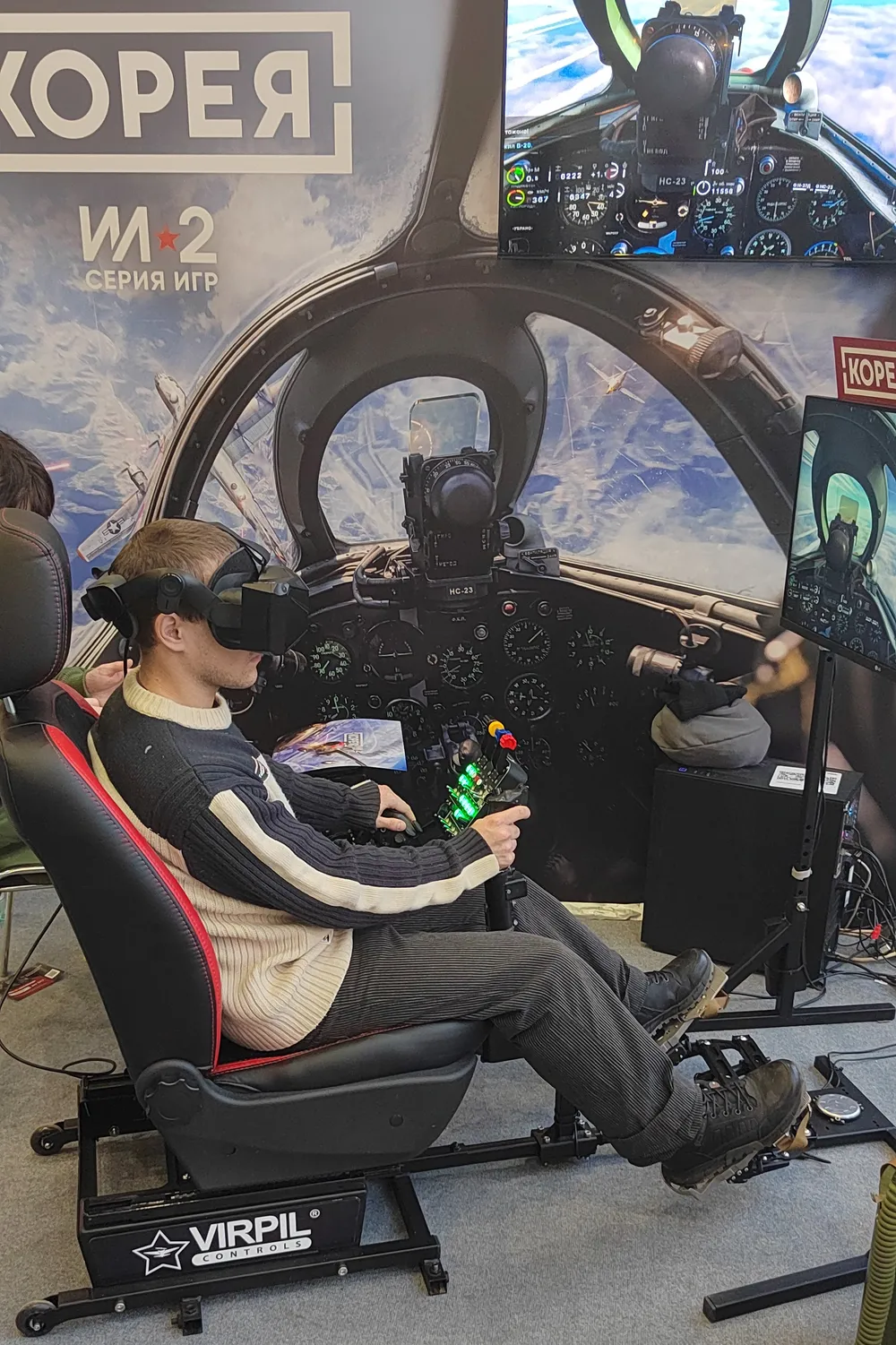
In contrast to the Chinese, the stand with the flight simulator "Korea. IL-2 Series" was neglected. And this despite the fact that it was a real flight simulator — not just a computer game, but a seat, aviation instruments, and a complete set for authentic immersion. However, simulators have always been a niche genre.
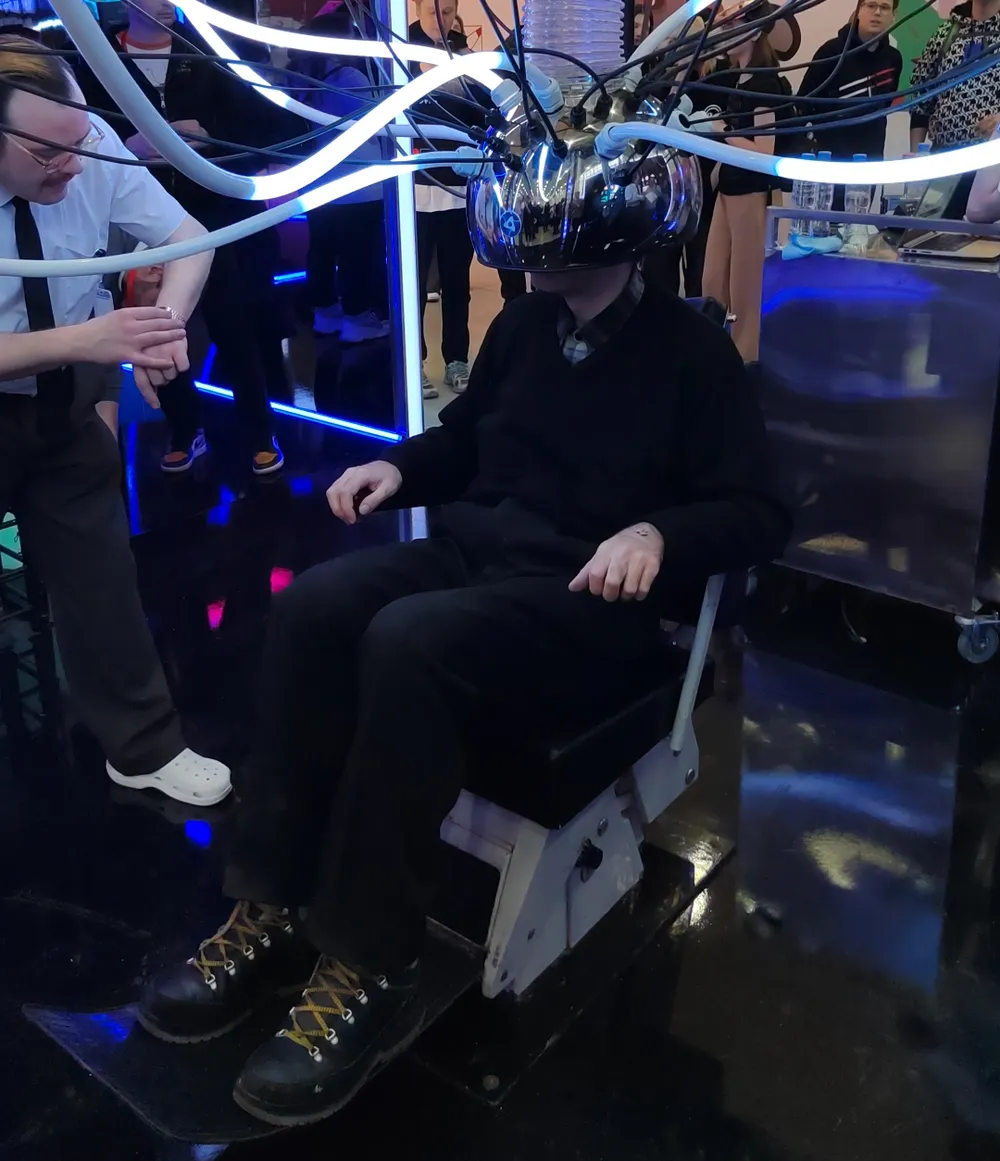
If we talk about something unusual, it is worth noting the Rosatom stand, where they talked about quantum computers. Besides the main facts about this technology, one could learn how it is depicted in superhero (and not only) fiction, with explanations — what is correctly depicted and what is not. To really astonish the imagination of visitors, a special brain scanner was in the center of the stand, which allowed anyone wishing to receive two descriptions of their superhero (or not-so-superhero) doppelgänger in one of the alternative quantum realities. Of course, we can only speculate whether any quantum technologies were used in generating these descriptions or if it was just a regular neural network, but the attraction itself was cool.
Online Tournaments, Indie Games, and Everything Else
In addition to the expected premieres, such as "CyberSlav," there were also stands where attendees could try out less mainstream projects. Or compete in online battles in "Kalibr," "World of Ships," or "World of Tanks." Winners, as well as those who scored enough points, were even expected to receive tangible prizes such as hoodies, board games (humorously, the board game for "World of Tanks" was essentially a variation of battleship) or thermoses.
At the Moscow Game Hub stand, projects being developed by Cluster game and animation studios in Skolkovo were showcased. I must admit that I didn’t pay too much attention to this stand — the thing is, a couple of weeks before Comic Con Igromir, the "Moscow International Game Week" took place, and I visited Skolkovo, where I saw (and tried) many of the presented prototypes.
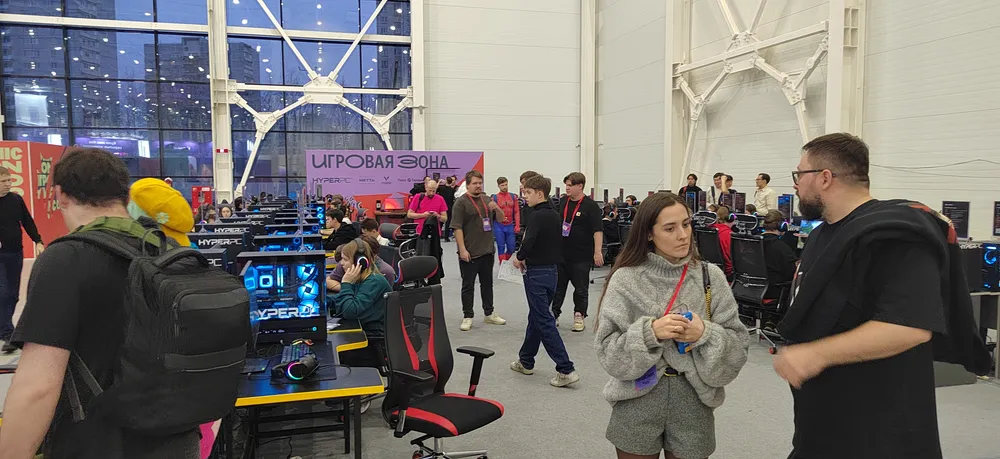
Perhaps a similar issue existed for the games presented in the "Indie Zone." Many of them have long been available either as demos or in full release on Steam or VK Play. So, perhaps, visitors didn't feel such a pressing need to try out what they could play anyway. Although, on the other hand, in online stores, one would have to buy the game, whereas here one could evaluate the gameplay for free and clarify any questions by chatting with the developer on the spot. Which I took advantage of, playing "Klet‘," S.E.M.I., Vacuum Bless, and another survival game where the hero has a mobile train base.
By the way, from the developer of "Klet‘," I learned that a new setting called "Self-assembly" has recently appeared in the Russian-speaking internet, where the action takes place in an endless Khrushchyovka. It's a mix of "Stalker," SCP, and the world of the manga Blame!. So, in this setting, not only "Klet‘" has been made but also several lesser-known games. Additionally, similar to the SCP, the lore of "Gigahrušchyovka" (an alternative name for the setting) is regularly enriched with new details due to stories and discussions within the community.
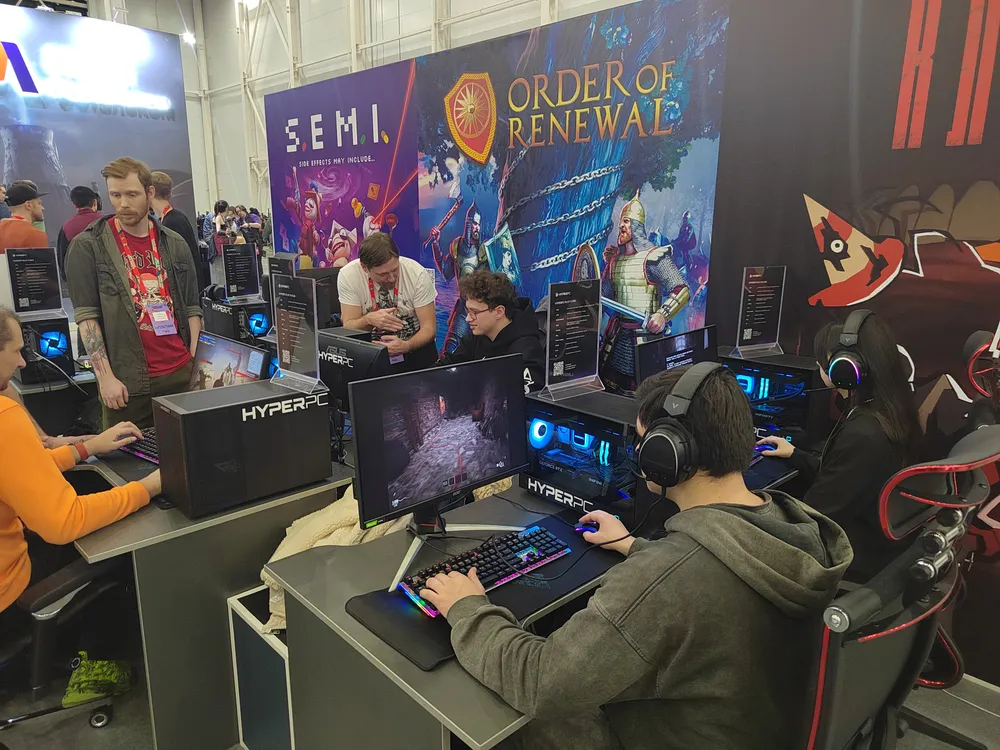
Similar to the "Indie Zone" and the Cluster stand, the stands of Rostelecom and the cloud service "Plus Gaming" were organized. There were also computers with different games, but there was no tie to a specific computer — you sat down at any and chose a game from the catalog to your liking. Again, it was possible to play for free.
On the second floor, there was also a substantial board game zone. However, remembering my experience at "Igrokon," I didn’t linger there long, fearing that if I sat down to play, it would again consume a couple of hours. And I was already struggling to see a lot.
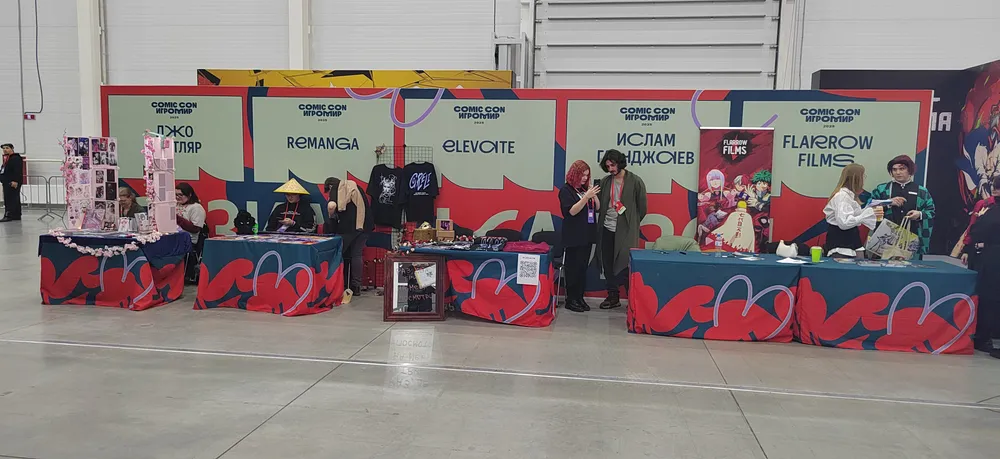
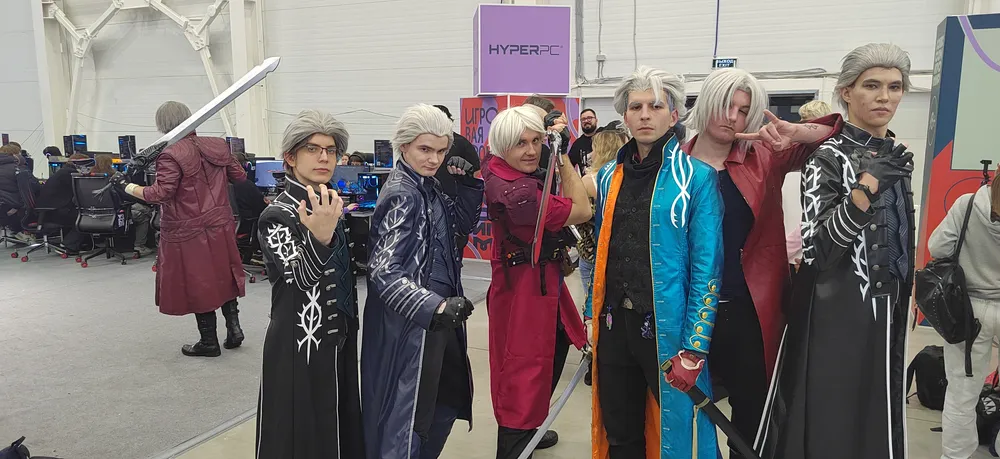
I also didn’t stop at the "Cosplay Zone" and "Authors’ Alley" stands. Yes, there were quite a few known (well, relatively known) personalities in the Russian-speaking internet who were selling their merch, their photos (this, of course, only applies to cosplayers) and their comics (these are the authors). But I attend exhibitions and festivals not to buy anything.
However, I attended a couple of events in the cinema. However, not for "CyberSlav" and other premieres, but for a fan meeting of the "Witcher Universe." This is, by the way, one of the cases justifying the merger of Igromir with Comic Con, as the universe includes many different media. The panel discussed the latest Sapkowski book, expectations for the upcoming game, comics, and cosplay. A few words were said about the Netflix series, but not particularly flattering ones.
I also attended discussions on the genres of "True Crime" (detectives based on real events) and "Romfant" (fantasy with a romantic inclination). These are currently the most popular books (at least, that’s what the participants of the discussions and the festival organizers claimed), and I was interested in how they would explain this. I may even share some insights from it. At the very least, I was recommended one book — it wasn’t in vain that I went.
Go there — bring that
Despite the variety of activities and projects, the most interesting thing for me at festivals is collecting loot and participating in various contests. I have been engaged in this even before I started writing reviews. And I haven’t stopped this activity even now. So, I was very pleased that at Comic Con Igromir there were many quests, prizes, and various freebies.
On the two main stages (they were called "Stage X" and "Plus Stage"), prizes were mainly given for correct answers to questions about the guests performing on them. Moreover, these were not necessarily the ones who had just performed. They could easily ask something about the film "King and Jester. Forever," whose presentation was the previous day or about the history of some actor or comic author.
At many stands (usually for subscribing to online communities or posting a photo online), various freebies were given out — stickers, bags, postcards, and even drinks. At the "teremka" of the game "Russians vs Lizards 2," one could receive a pie and a mors drink for installing the "Pyaterochka" app.
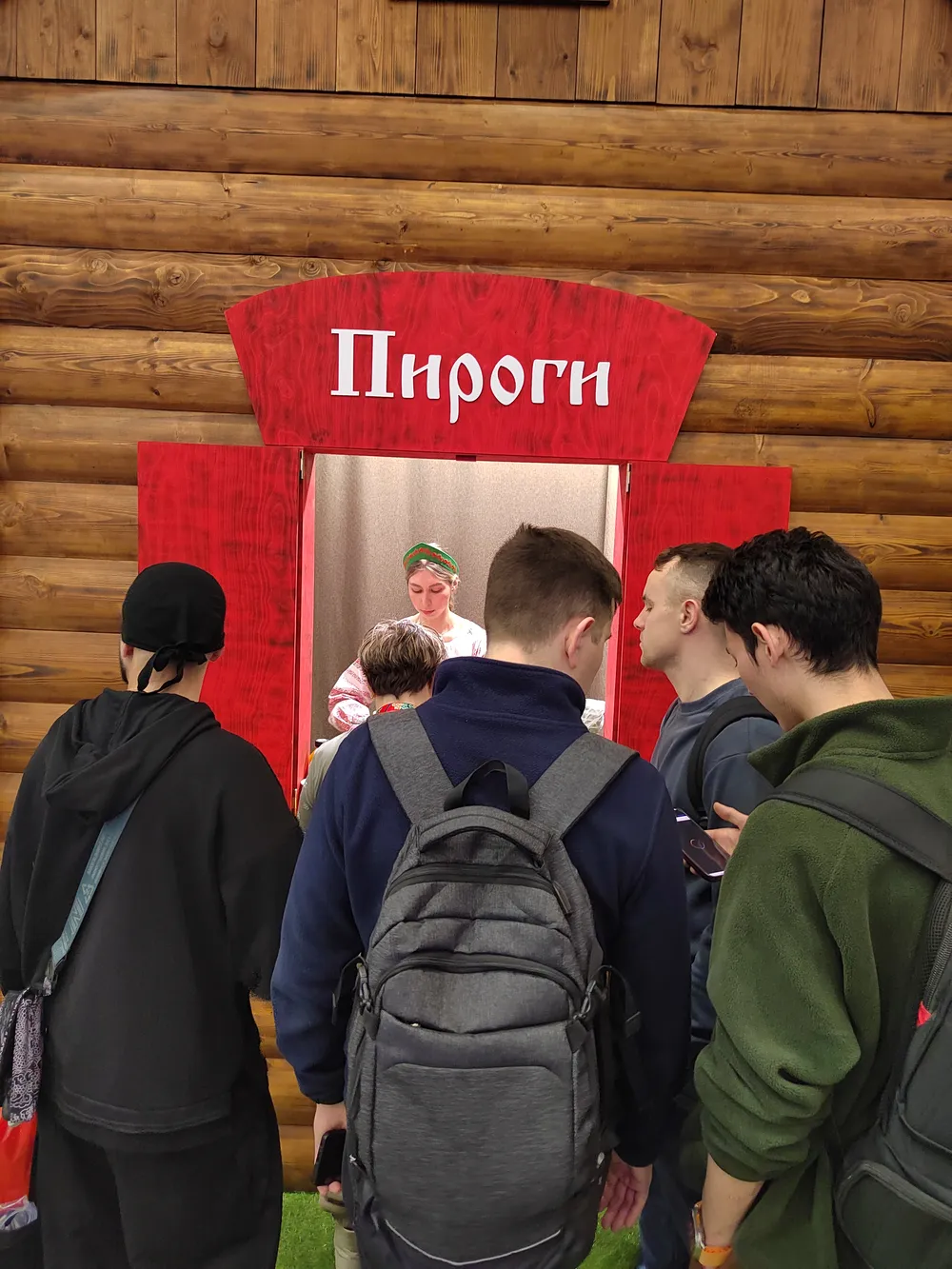
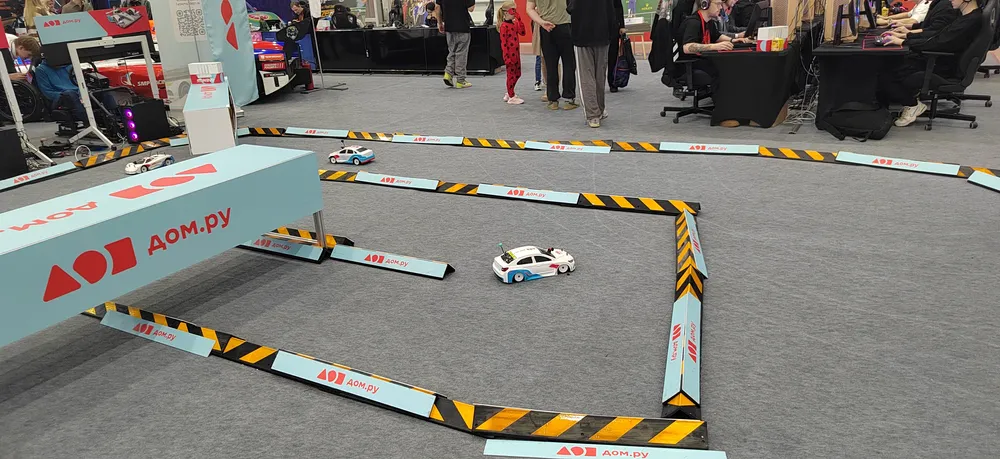
But the most interesting activity became the quests, the conditions of which required finding specific points at the festival and getting stamped there. Moreover, to receive a stamp, one also had to complete tasks, which could be extremely simple (like naming several anime starting with a certain letter) or more complex — guiding a remote-controlled ball through a maze, answering a comic question (for instance, what shape is Yulia Pchyolkina’s medallion), hitting a target at a shooting range (there were as many as two of these — at the Tornado and Rostelecom stands).
The quest that I personally spent a lot of time on was the search for "goose tracks" from Yandex. Even knowing that all these tracks are located specifically at stands related to Yandex, finding each of the 13 "paw prints" was quite challenging. However, prizes were also given for finding just a portion of the tracks, although they were not as valuable — not a column with "Alice" and a hoodie, but a keychain, cord (badge lanyard), and a month’s subscription to all "Plus" services.
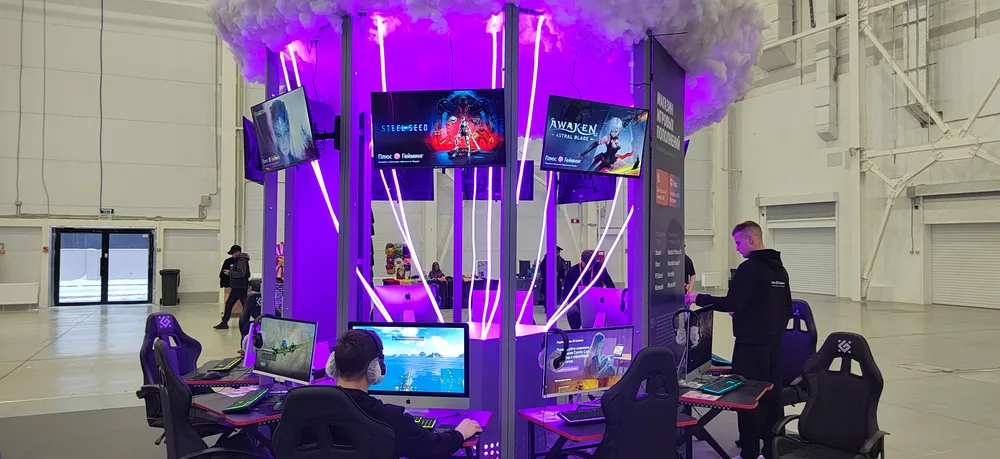
The Rostelecom stand left a much better impression in terms of quests and loot than the small catalog of games presented on its computers (which didn't include a working demo of Pioner, even though that's what the Rostelecom team hyped up the most). Firstly, the challenges themselves were diverse — among them were a quiz on game knowledge, a duel in Mortal Kombat, speed captcha solving, and the aforementioned shooting range where you had to hit the mutant on the screen in the head a certain number of times within a minute. Secondly, for winning and participating, special tokens were given (less for just participation), which could be exchanged for various merch — mugs, mousepads, cables, etc.
At the stands of "World of Tanks," "World of Ships," and "Tanks Blitz," matches were held, with various gifts given for victories (or even just good performance). I, however, didn’t play, so I don't know what exactly was given. But I saw some people with board games from "Lesta" — a sort of battleship variant.
Final Impressions
Regardless of what anyone says, I enjoyed Comic Con Igromir from Yandex. Some moments could certainly have been improved. For example, the Wi-Fi was quite limited (but it existed, unlike at Igroprom). It was also, as usual, difficult to search for anything on the website. For instance, there wasn't a proper list of all the games presented in the indie and gaming zones. As reported, the lighting on stage was not always properly set for cosplay performers.
But on the other hand, there were not as few games in the "Igromir" part of the festival as some had said. Even in the absence of (if we don’t count Endfield) foreign projects, gamers had plenty to play and check out. Personally, I enjoyed the large number of entertainment and activities with memorable (and sometimes relatively valuable) prizes.
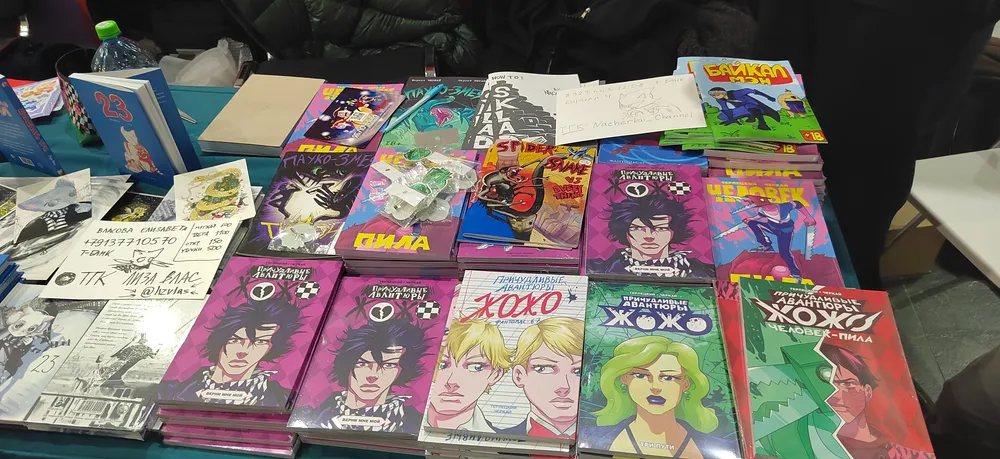
Of course, for fans of comics, anime, movies, and other more traditional media, there was even more interesting. Plus the opportunity to chat and receive autographs from beloved stars, authors, and influencers. Yes, autograph sessions were also included in the festival program, although one had to register in advance. Therefore, there is every reason to hope that next year Comic Con Igromir (as well as other festivals, which have become quite numerous considering how domestic communities and projects are now being promoted) will be no worse, and maybe even better if the organizers address all the shortcomings and requests.