
"All Inclusive". Review-memoir of Test Drive Unlimited.
Next-gen… It seems like just yesterday we were watching in awe as the most beautiful presentations of new consoles unfolded. Moreover, it has already been six years since the launch of Xbox 360! And although the era of modern consoles is far from over, the first games of the generation are now a distant memory... Well, let's refresh our memories. Let's return to the game that opened the era of true next-gen racing:Test Drive Unlimited.
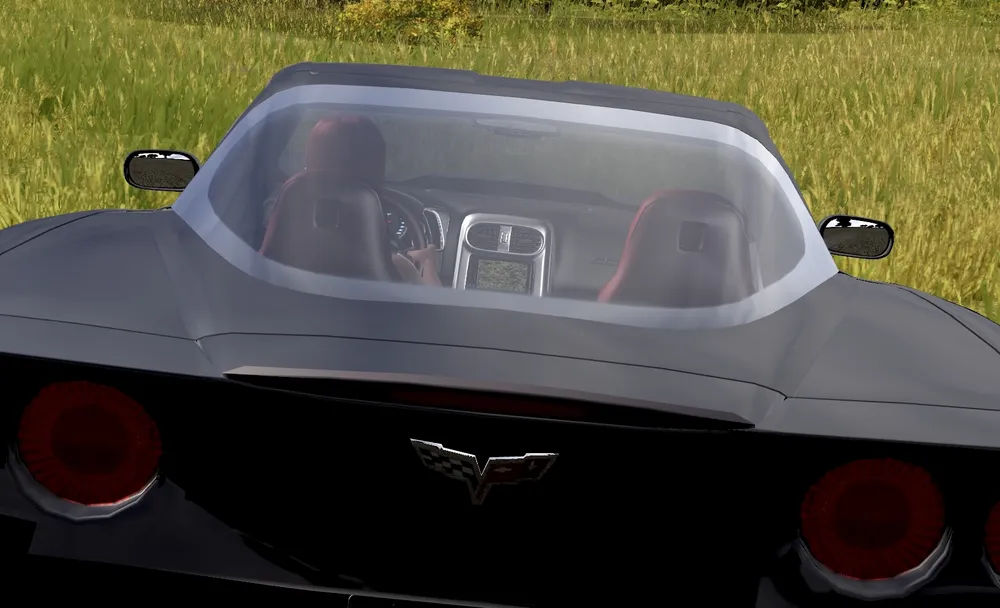
Back in 2006, three important arcade racing games were released for the industry: Need for Speed Carbon, Outrun 2006 and Test Drive Unlimited. It's hard to imagine more dissimilar games within the same sub-genre. NFS Carbon – narrative-driven and shimmering with budget: night, tuning, neon, drifting in the rocks, and managing a street racer team; Outrun 2006 – an arcade classic with no hints of seriousness, scattered coins on the track, and controls based purely on reflexes. Test Drive Unlimited, on the other hand, offers a massive open island, where the sense of speed is more subdued, and racing and exploration are not just part of the gameplay but perhaps not even the main component for some players.
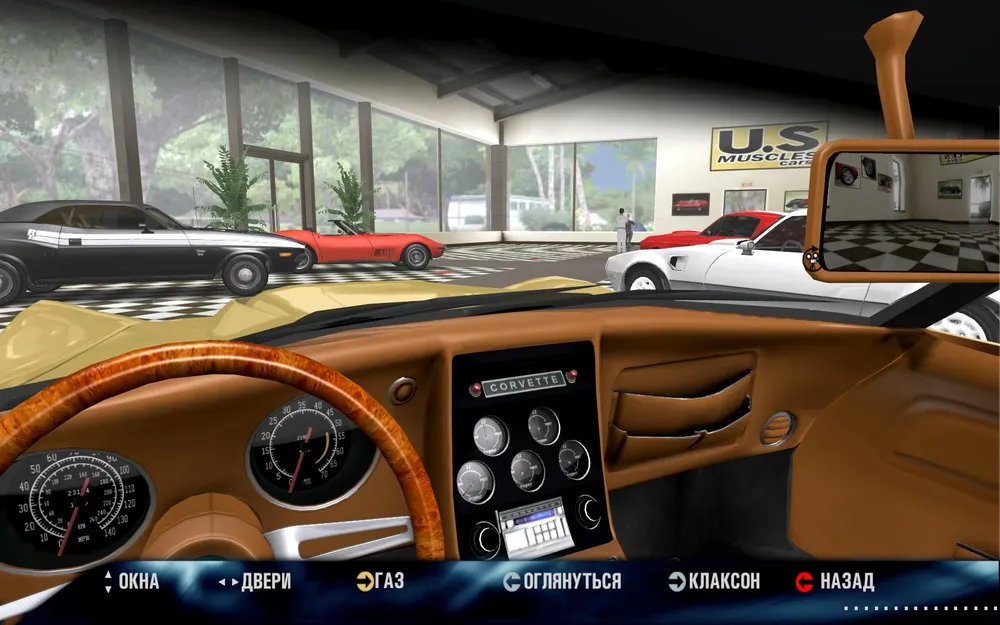
Although at first glance the gameplay seems similar to NFS Carbon. Events and car shops are scattered across the map, police patrol the roads, and the player needs to climb the ranks by earning reputation and buying ever more expensive cars. The main distinguishing feature is immediately noticeable – the scale. First and foremost, TDU attracts attention with figures: the recreated island of Oahu (Hawaii) features 1500 km of roads and over 125 cars, not counting DLC. It's not enough to make it into the Guinness Book of World Records (the dismal FUEL holds that title), but compared to the cities of NFS Most Wanted and NFS Carbon, its size is impressive. Additionally, the territory of the island isn’t limited to just roads. For instance, let's imagine a section of the map like this:
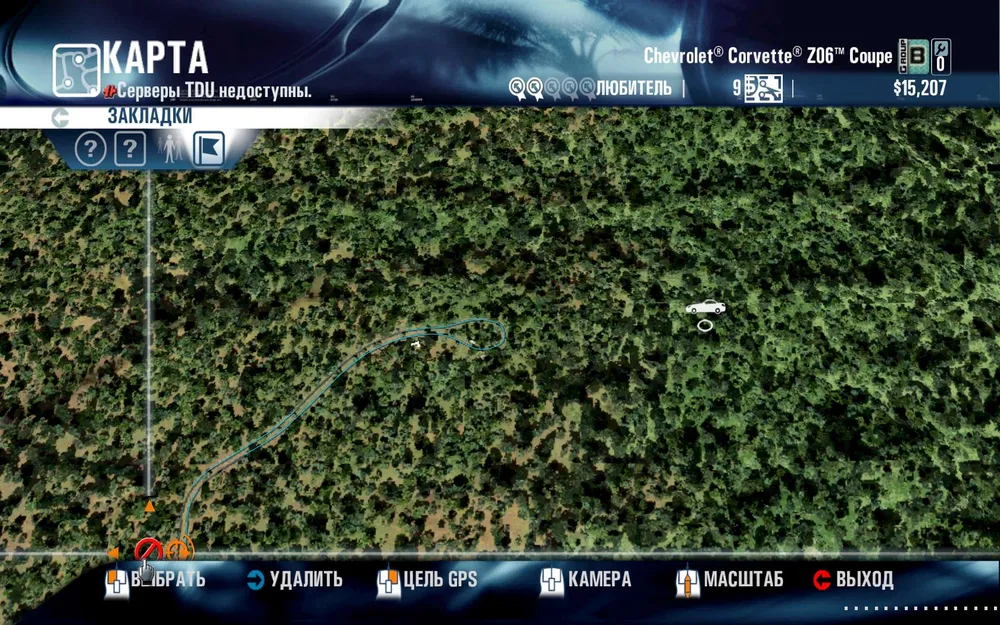
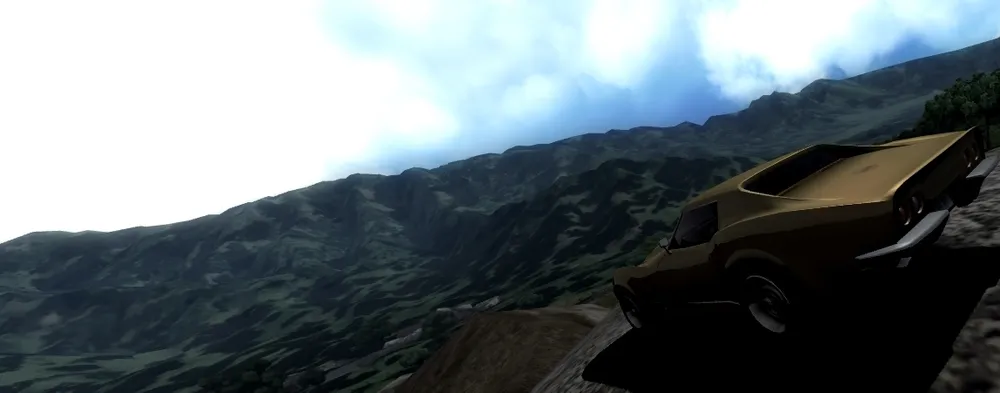
In NFS, this would be a dead end with a beautiful view and a solid fence. In Test Drive Unlimited, however, it's a picturesque corner...
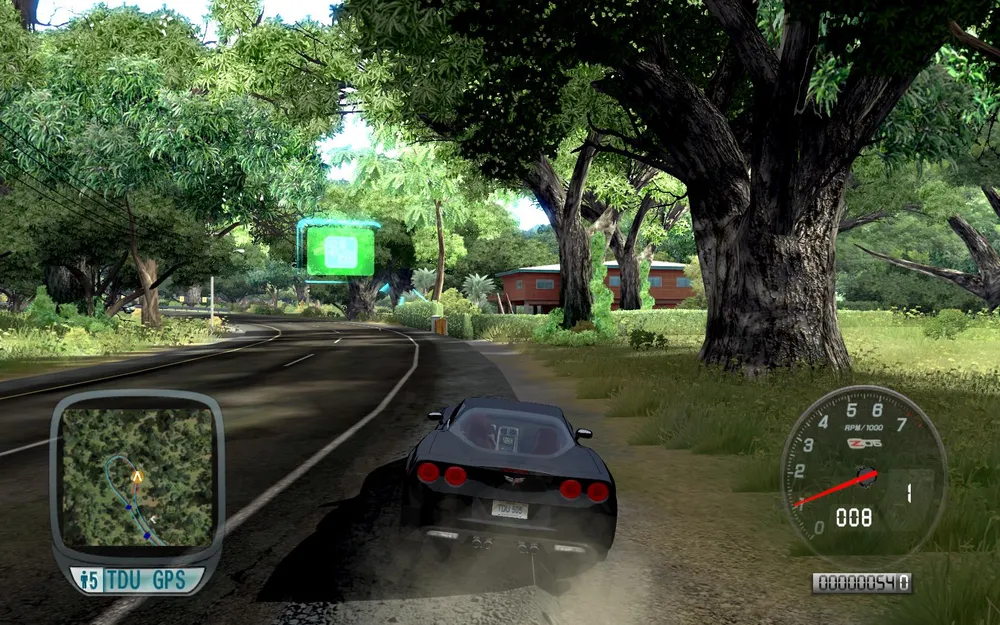
… where you can veer off the track, accelerate, and suddenly find yourself deep in the jungle.
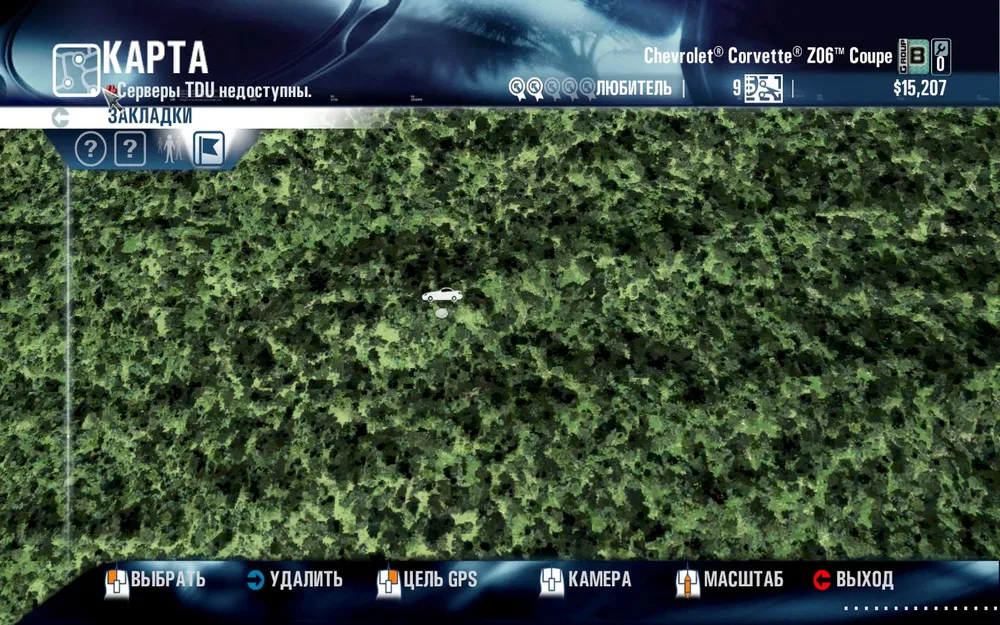
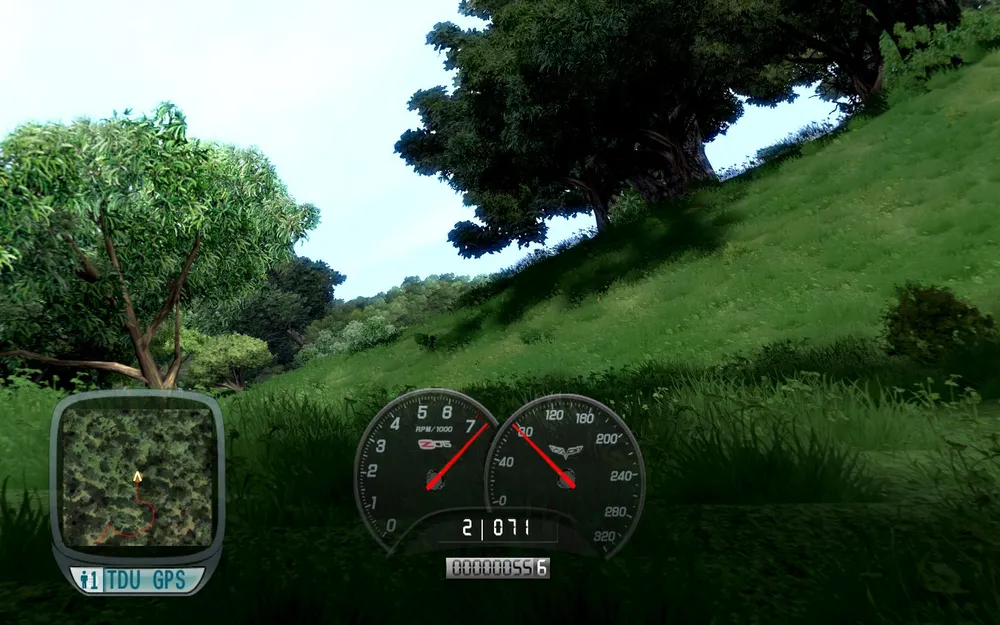
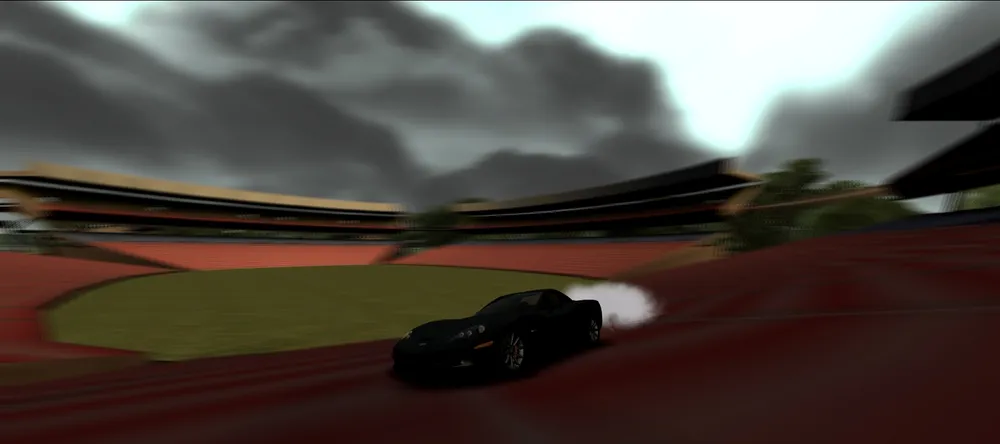
TDU doesn’t restrict the player in nearly any way: roads, off-road paths, stadiums, and parking lots – all are open and accessible for exploration. There are no loading screens between sections of the map; the entire island is one continuous location. The trade-off for this is almost zero interactivity. You can knock down road signs ($500 each from the local police) and cause accidents (
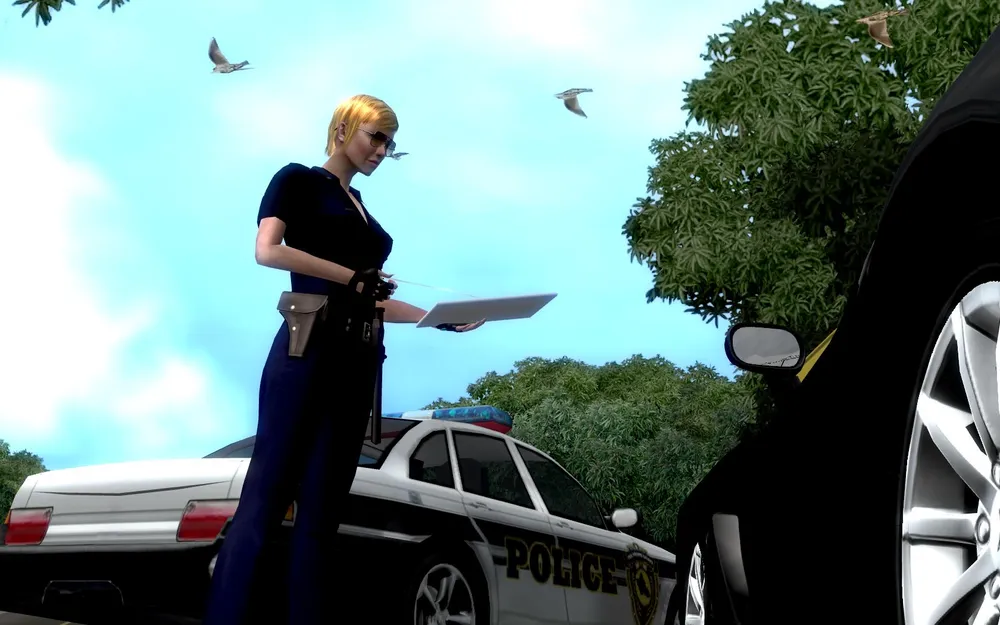
Objects on the map can be divided into three categories: racing events, shops, and houses. Racing events vary greatly – from classic checkpoint or timed races to missions involving elite car deliveries (a very long track with the reward decreasing as the car is damaged) and escorting picky photo models (with a time limit and minimal accidents). The photo models provide special coupons that can be used in clothing shops to customize your alter ego. You’ll often watch your character closely – the camera loves close-ups, so you end up associating yourself with the person rather than the car. This is unusual for a racing arcade, especially considering there’s no story whatsoever. But let's return to the shops. In addition to clothing, you can purchase cars (or rent them if you can't afford to buy) and houses. Houses are straightforward – they house garages for cars, allow for light management (selling and swapping cars, viewing your statistics), and players find themselves there after loading their save.
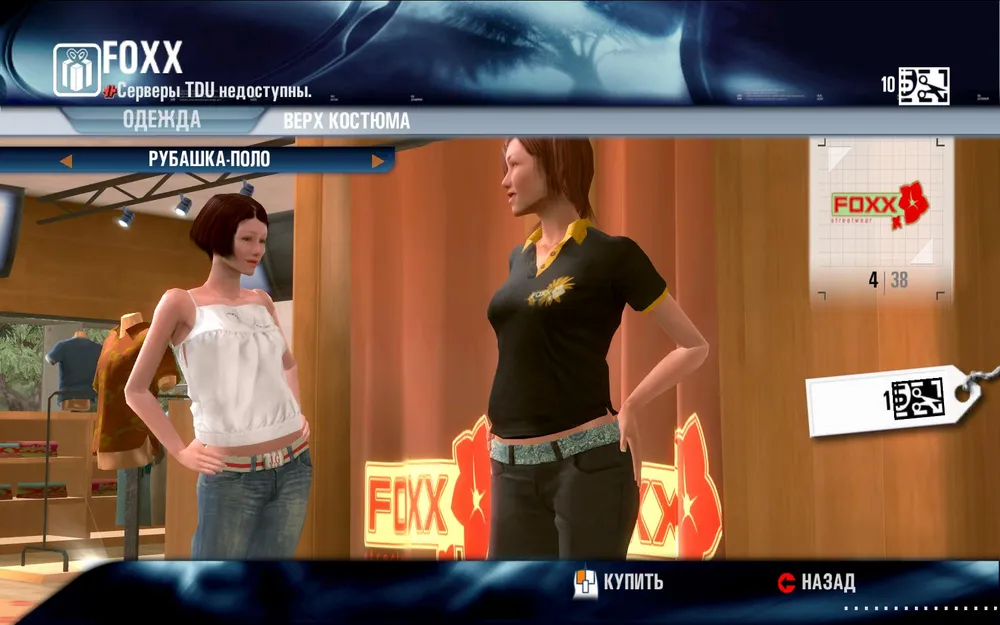
One of the main features of Test Drive Unlimited at release was its online mode. If you connect to the servers, the game doesn’t change much: online events will appear on the island map alongside the offline ones. More variety, deeper immersion into the game. Massive Open Online Racing, as it was called back then. But the online mode is now empty; all the interested players are enjoying the beta of the second installment, so I won't delve into the online aspect. Its time has passed. At this point, those reading probably already imagine the gameplay mechanics that underpin Test Drive Unlimited, so let’s proceed to the lyrical reminiscences.
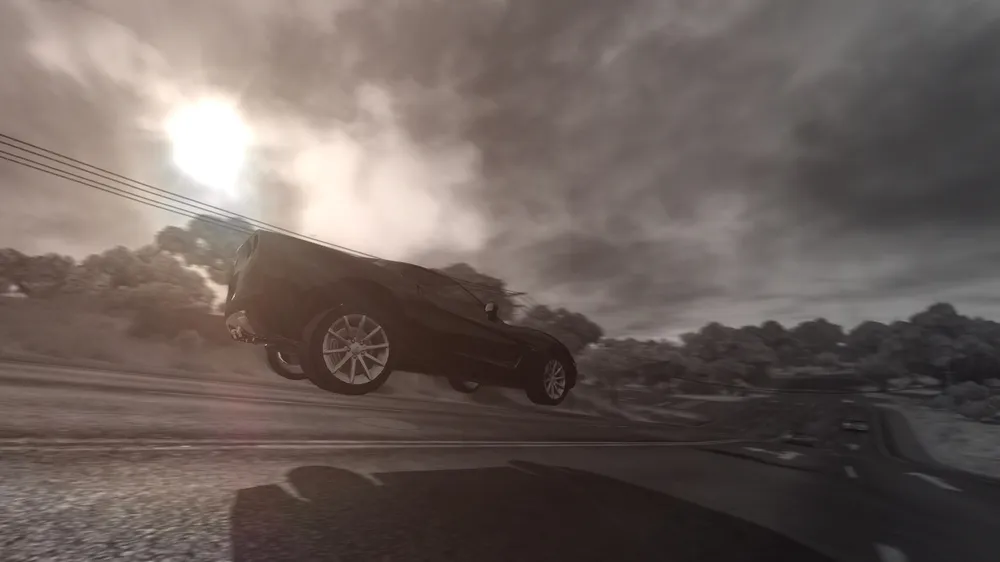
If we try to draw parallels with other games, the freedom and permissiveness of Burnout Paradise comes to mind, although the feel of the games is entirely different: while Criterion Games deliberately created a game that way and thought through numerous ways to entertain the player, at first, it's entirely unclear why it's so enjoyable to simply drive around the island and take in the sights in Eden Games’ creation. If in Burnout Paradise the classical music on the soundtrack sounds like a mockery of the overall chaos, then Classic Radio in Test Drive Unlimited lends a stunning depth to the experience. Racing a convertible along a winding road above the sea, with the sun shining in your face and Mozart playing in your ears, is one of the most powerful experiences a racing game can deliver. Is it even possible to create something like this intentionally? As if the developers made a regular racing game with an open world in the spirit of NFS MW, and then it suddenly came alive in their hands, leaving them no choice but to add a fantastic photo mode (check out the screenshots) and release the game to delight exploring players...
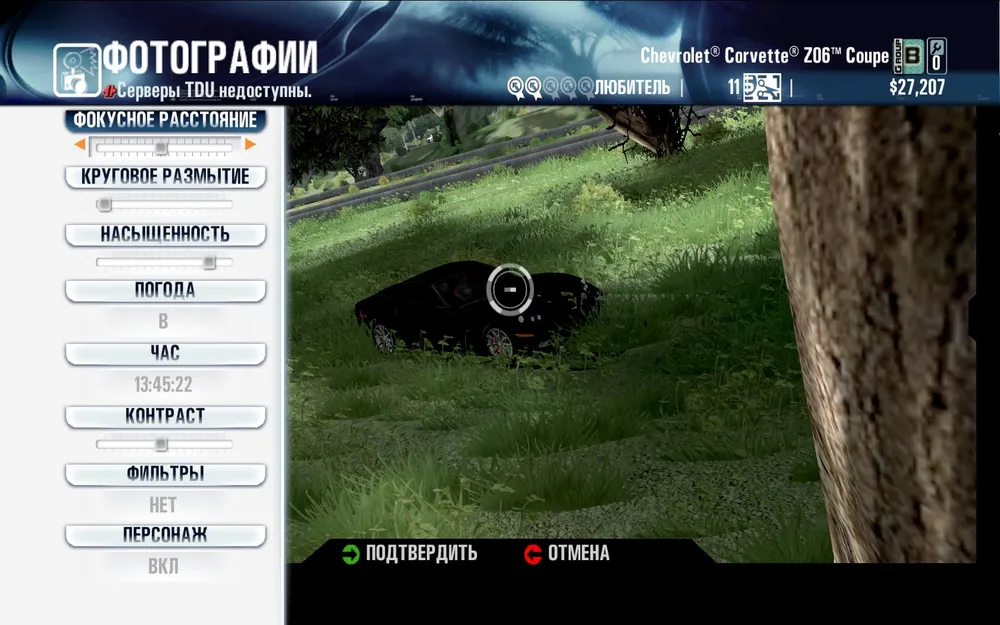
Although, of course, that's not quite true. Eden Games are professionals and veterans of the racing genre. They made Need for Speed Porsche Unleashed, and such mastery isn't something you can forget in a decade. The physics model of Test Drive Unlimited closely resembles the legendary NFS. Without going into details, I’ll say this: it’s one of those rare arcades where playing with a wheel is more enjoyable than without it. Not easier, not more convenient, but definitely more enjoyable. Importantly, you don’t need a driver’s license to enjoy driving. Besides NFS Porsche and TDU, I also consider "Дальнобойщики 2" and DiRT 2 in this category. Unfortunately, modern NFS games are much easier to play on a keyboard/gamepad than with a genuine steering wheel.
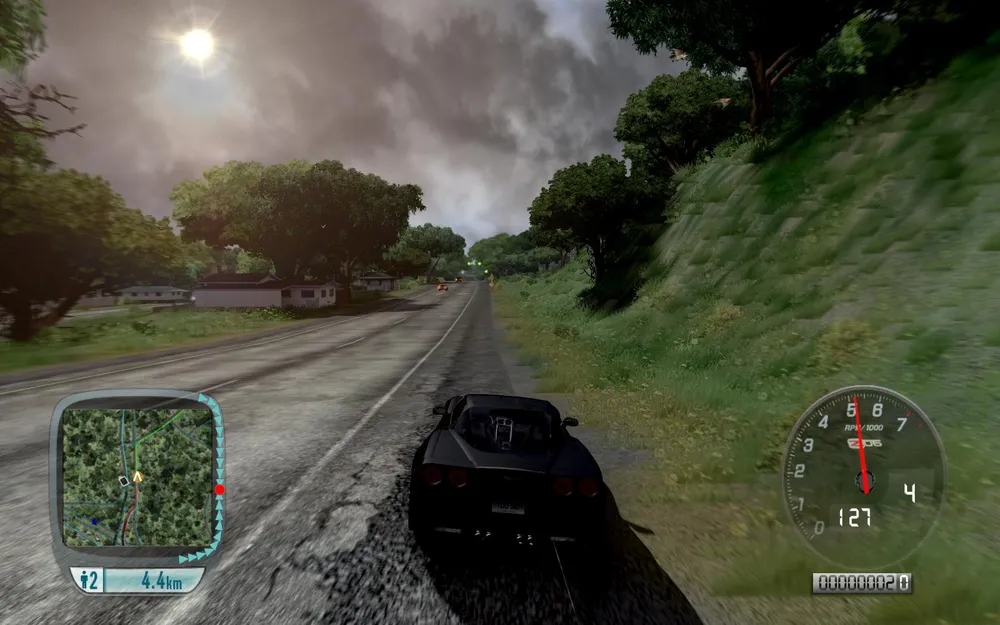
Visually, TDU resembles many other early next-gen games: some elements are beautifully rendered, but some graphic aspects are better left unseen. What’s most alarming here are the sprite trees and ground textures, but since the focus of the game is on roads, cars, and landscapes, your eyes quickly get used to seeing only the good. And yet, people don’t play old games for the graphics.
Returning to the racing arcades of 2006... If in NFS Carbon you feel mad speed, in Test Drive Unlimited you feel the wind in your face. The warm tropical wind. And even five years later, that feeling is worth returning for.
P.S. Don’t forget to install the Megapack DLC. In addition to 45 cars, it will add support for widescreen monitors and high resolutions.