
Legends and Myths of the Moscow Metro

Hello everyone. You've probably heard a couple of myths about the metro? Here I've gathered the most interesting ones.
Slavyansky Boulevard station before the APL launch:
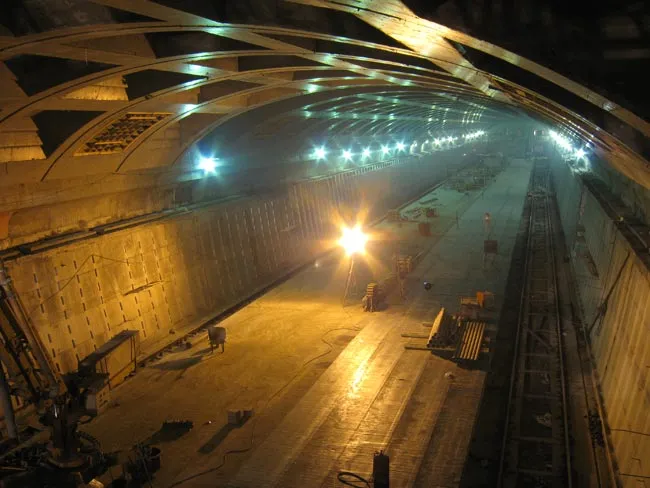
SB-PP section

The Circle:
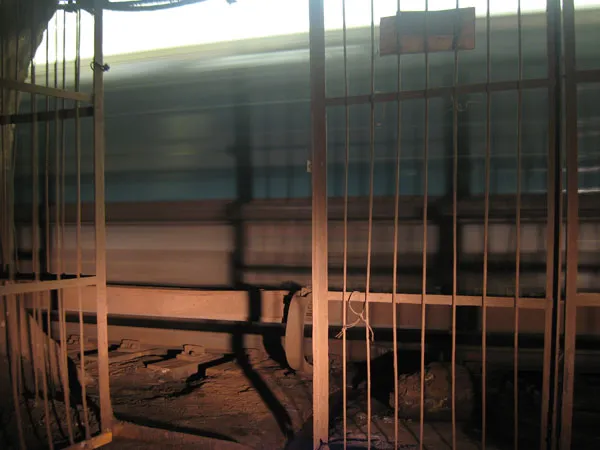
Hermetic door up close
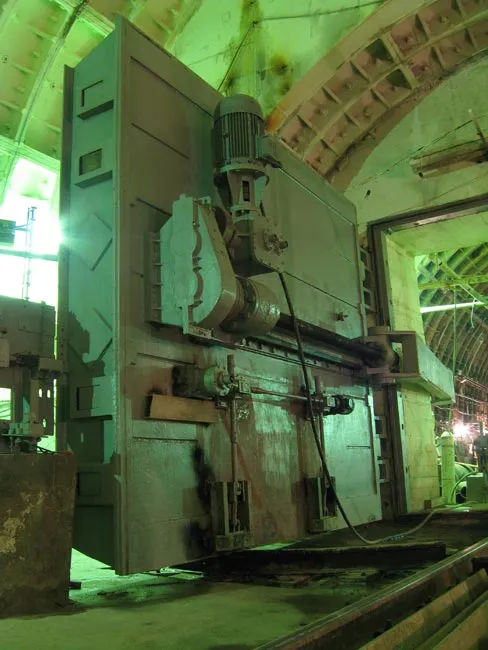
Disassembly of the shield (that's the thing that drills the tunnel)
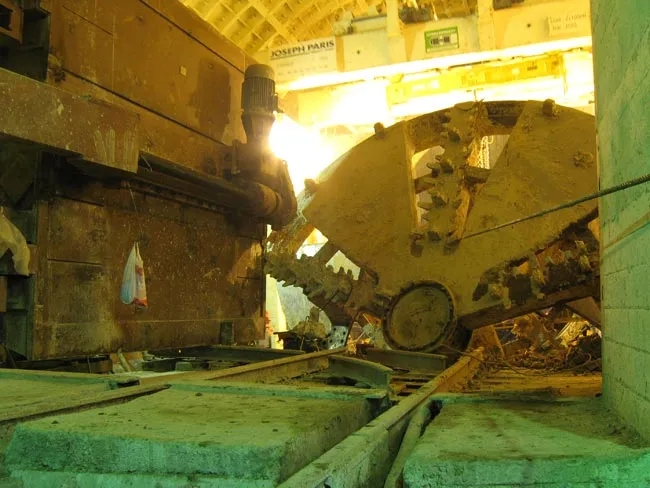
Approach from the shaft (shaft) to the metro tunnel
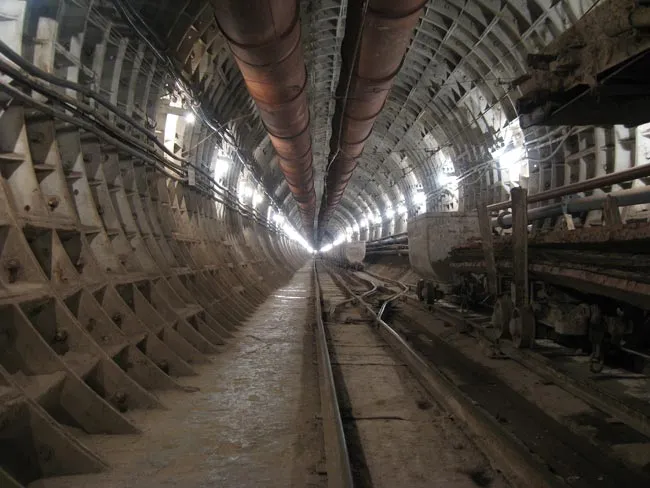
The actual exit
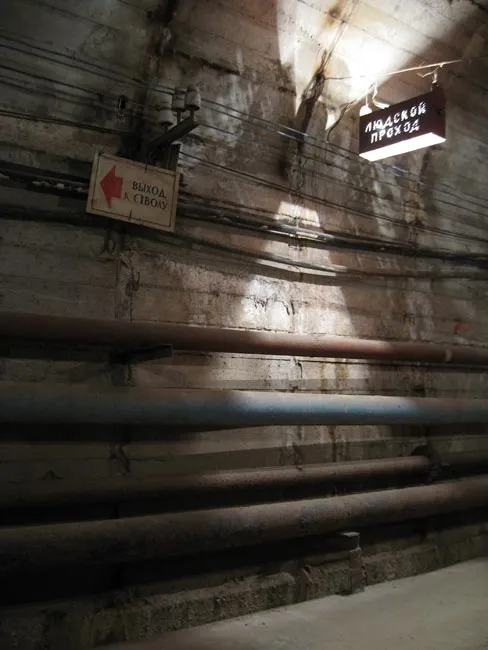
This is what the station looks like from the tunnel
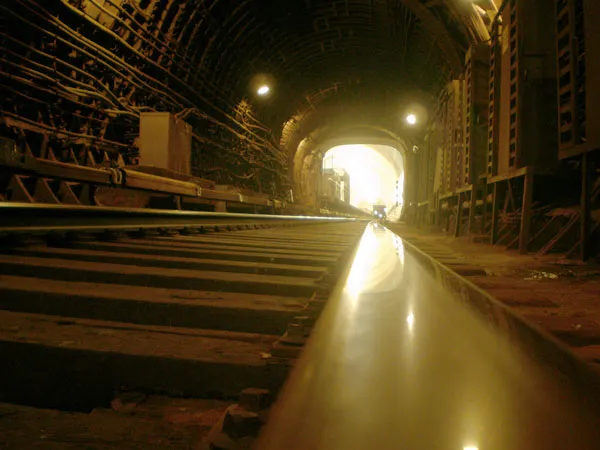

Now, here are the rumors and legends:
1
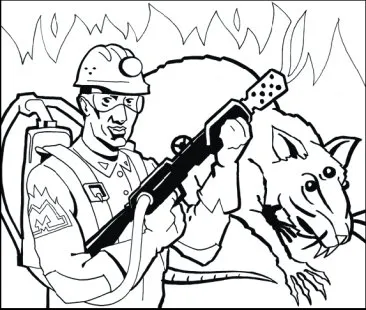
Mutant rats
They are the size of dogs. They live in the metro tunnels and gnaw through cables. Special forces hunt them with flamethrowers. This rumor originated during the perestroika period but turned out to be remarkably persistent. In Almaty, the metro is still under construction, yet legends about mutant rats are already troubling the citizens.
2
Metro-2

Since the early '90s, rumors about the existence of a secret metro have emerged. Allegedly, three or four lines lead from the Kremlin to military sites in the Moscow region (Podolsk, Chekhov, Vnukovo-2). If Americans drop an atomic bomb on Moscow, the government will be able to evacuate to a safe place. According to some reports, this system is called "Metro-2," while others refer to it as "D-6."
3
Dogs in the metro
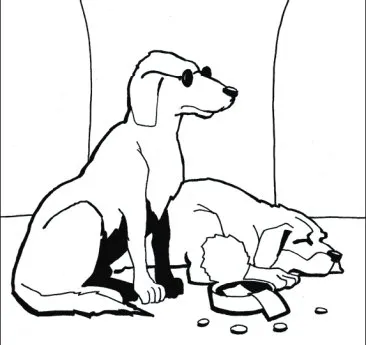
There are about 500 individuals living in the subway system. They warm themselves in the winter and beg. Some dogs hang out in the station vestibules, while others ride the trains. It is unknown how well these animals navigate the system of lines and transfers in the Moscow metro. However, persistent rumors suggest that many dogs live at specific stations and commute to others for "work."
4
"Sovetskaya" station
This station of the Zamoskvoretskaya line was planned to be built right under the Moscow Soviet building (now the Mayor's office). It is said that it was indeed built but was almost immediately closed, classified, and now not a trace can be found: a tunnel like any other. One thing is certain: from 1938 until 1979, before "Tverskaya" opened, there was a long section without stops between "Mayakovskaya" and "Teatralnaya."
5
The mysterious tunnel at "Leninsky Prospekt"
In the middle of the station lies a closed passage. It leads to an already constructed passenger station "Gagarin Square" of the Small Ring of the Moscow Railway. One day, passenger traffic will be organized here, and the passage will be useful.
6
Closed exit at "Bitsevsky Park"
The closed exit to the city is also on the Kaluzhsko-Rizhskaya line - at the terminal station "Bitsevsky Park." In the late '80s, a giant zoo was planned to be built in Bitsev, with a separate exit to it, but it was never constructed. There is only a portico, and on the portico is an iron weather vane depicting animals and birds.
7
Disappeared stations
Two metro stations have been permanently closed to passengers. "Pervomayskaya" (not to be confused with the currently functioning station of the same name) and "Kaluzhskaya" were once terminal stations situated above their namesake depots. Later, the lines were extended, new underground stations were constructed, and the old ones were closed.
8
Metro during the Tsar's reign
The first project for constructing the metro in Moscow dates back to 1890. The lines were planned to be laid in tunnels and on viaducts. Interestingly, the metro station was supposed to be located in Red Square, roughly where the Mausoleum is now. The construction was hindered by cab drivers and the clergy.
9
Metro in Mytishchi and Biryuled
Talk of metro in these areas has been ongoing for so long that it has become a cruel joke. Dmitry Gaev, the head of Moscow's metro, admits that the metro won't be coming to Mytishchi and Biryuled anytime soon. Mytishchi residents are particularly upset because at one point, maps with a planned station "Chelobityevo" hung in the carriages.
10
Underground Kremlin
In 1934, the white-stone Serpukhov Kremlin was dismantled. The stone from which it was built was used to decorate the stations of the first stage - the Sokolnicheskaya line from "Sokolniki" to "Park Kultury" and several stations of the Filyevskaya line. It is said that several stones also ended up in the station "Serpukhovskaya," which opened in 1983.
11
Floods
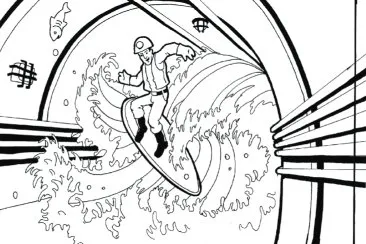
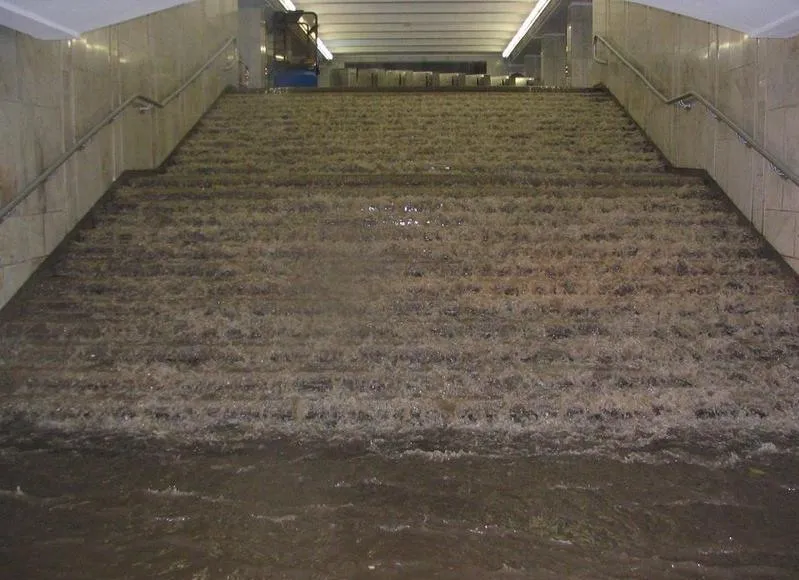
In '84, right after the movement started on the section "Kashirskaya" - "Orekhovo," water from the Tsaritsyn Pond burst into one of the tunnels. It took two months to restore the section. Major bursts occurred here in 2001 and 2003.
12
The cheerful cow
Right now, the metro is insufficient, but in the 1960s, it was being laid ahead of schedule: for instance, in 1963, movement opened on the section "Universitet" - "Yugo-Zapadnaya." During the construction of the tunnels, an incident occurred: a cow fell into the pit.
13
The African driver

For many years, rumors have circulated that there is a black driver in Moscow. There is a known story about an Ethiopian named Ilma Midexsa Tebecco, who came to Moscow to study to become a pilot but was unable to return home due to a coup. He drives electric trains on the Zamoskvoretskaya line. Another version states that the young man has lived in Moscow all his life and is half-Russian.
14
Lost and found bureau
For forgotten items in the metro, head to "Universitet." The storage for forgotten items is located in the southern vestibule (exit from the center hall). If your belongings weren't stolen by homeless people, there is a chance to get them back.
15
Falling onto the tracks
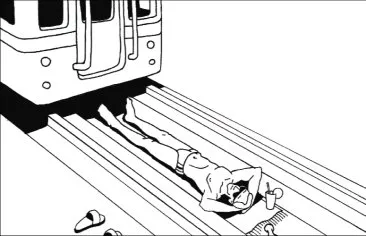
If you find yourself on the tracks, lie down in the special trough between the rails - here the train won't hit you. Don't climb onto the platform: you risk stepping on the contact rail, which carries 850 volts.
16
Metro museum
The museum is located in the southern vestibule of the "Sportivnaya" station at the address: Khamovniki Val Street, 36. The most interesting exhibits are models of trains and stations.
17
How to be the first to enter the carriage
If you look closely at the platforms of the stations, you will notice that behind the white stripe, there are well-trodden paths to the carriage doors. The train always stops in the same spot. Stand in the middle of the light gap, and the doors will open before you.
18
Sex in the metro
To avoid prying eyes, it's better to choose morning or night hours when certain carriages are empty. The optimal option is the branch of the Filyevskaya line toward "Mezhdunarodnaya." From "Kievskaya" to "Delovoy Tsentr," the train goes for 6 minutes. Wait until the end of the year: on new sections of the Arbatsko-Pokrovskaya line, there will be long stretches - 5.7 km from "Park Pobedy" to "Kuntsevskaya" and 6.1 km from "Krylatskoye" to "Strogino." Then you will have 7-8 minutes.
19
Apocalyptic animals
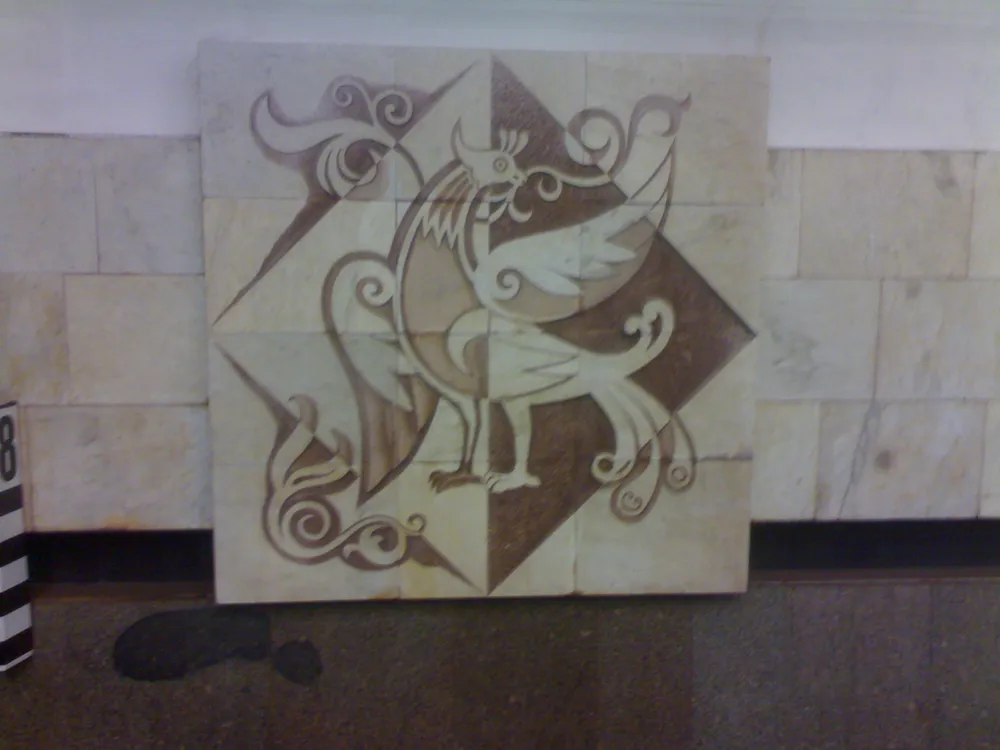
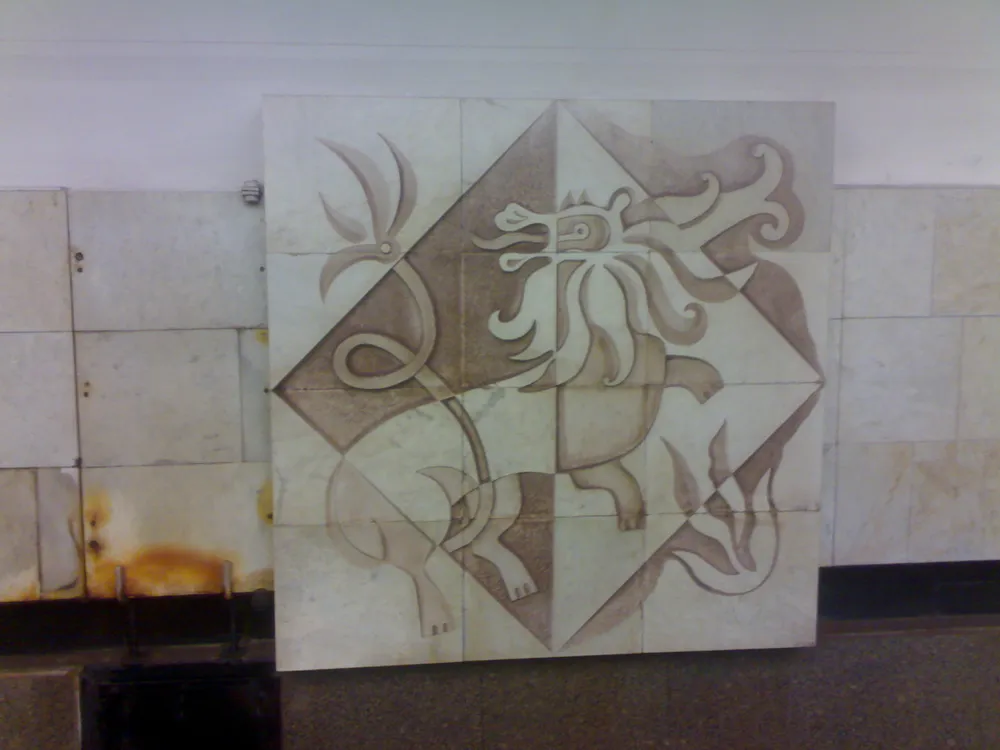
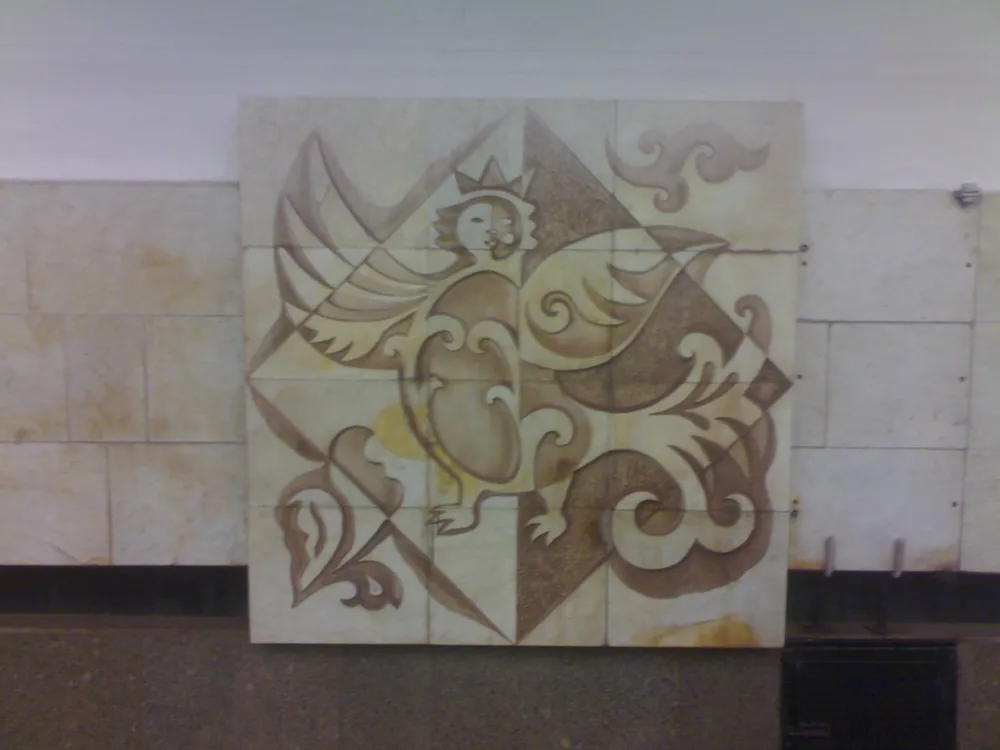
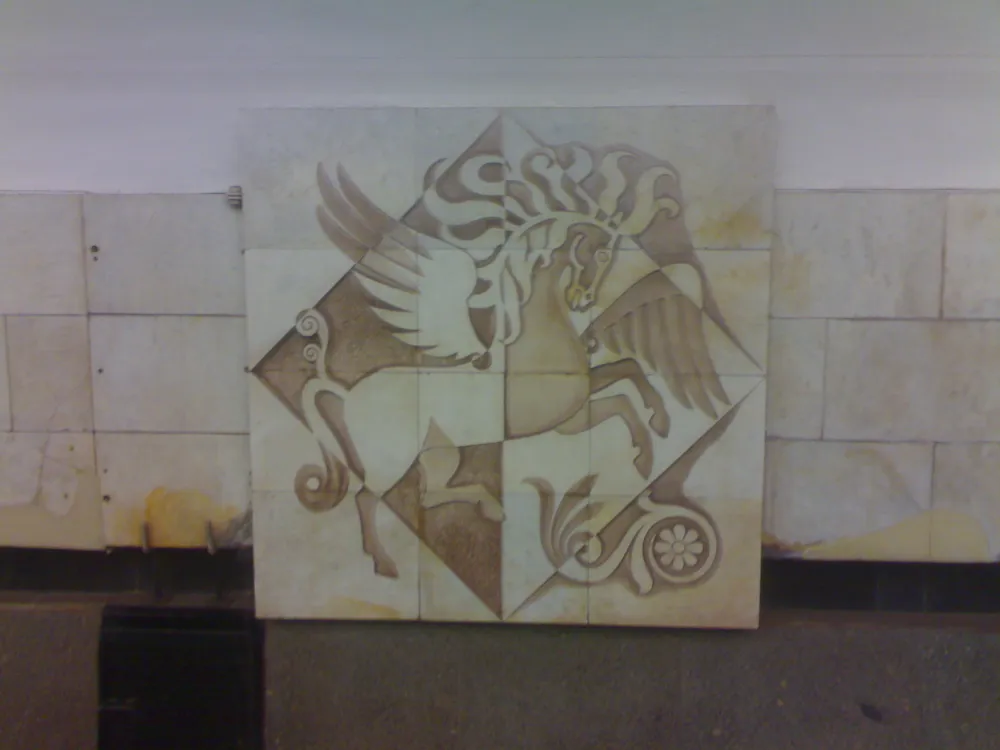
If you stand on the metro station "Perovo" near the stop of the second carriage, you can see images of animals on one of the bas-reliefs mentioned in the "Apocalypse of John the Theologian." Legend has it that they were behind schedule with the project's design, and the chief sculptor fell ill. Then someone brought sketches that matched the style very well (the station is decorated in a mythological spirit - with phoenixes, griffins, etc.). Much later, after the station was launched, someone knowledgeable noticed these drawings. Who brought them remains unknown.
I took the photos myself
20
Laptop and mobile at "Kievskaya"
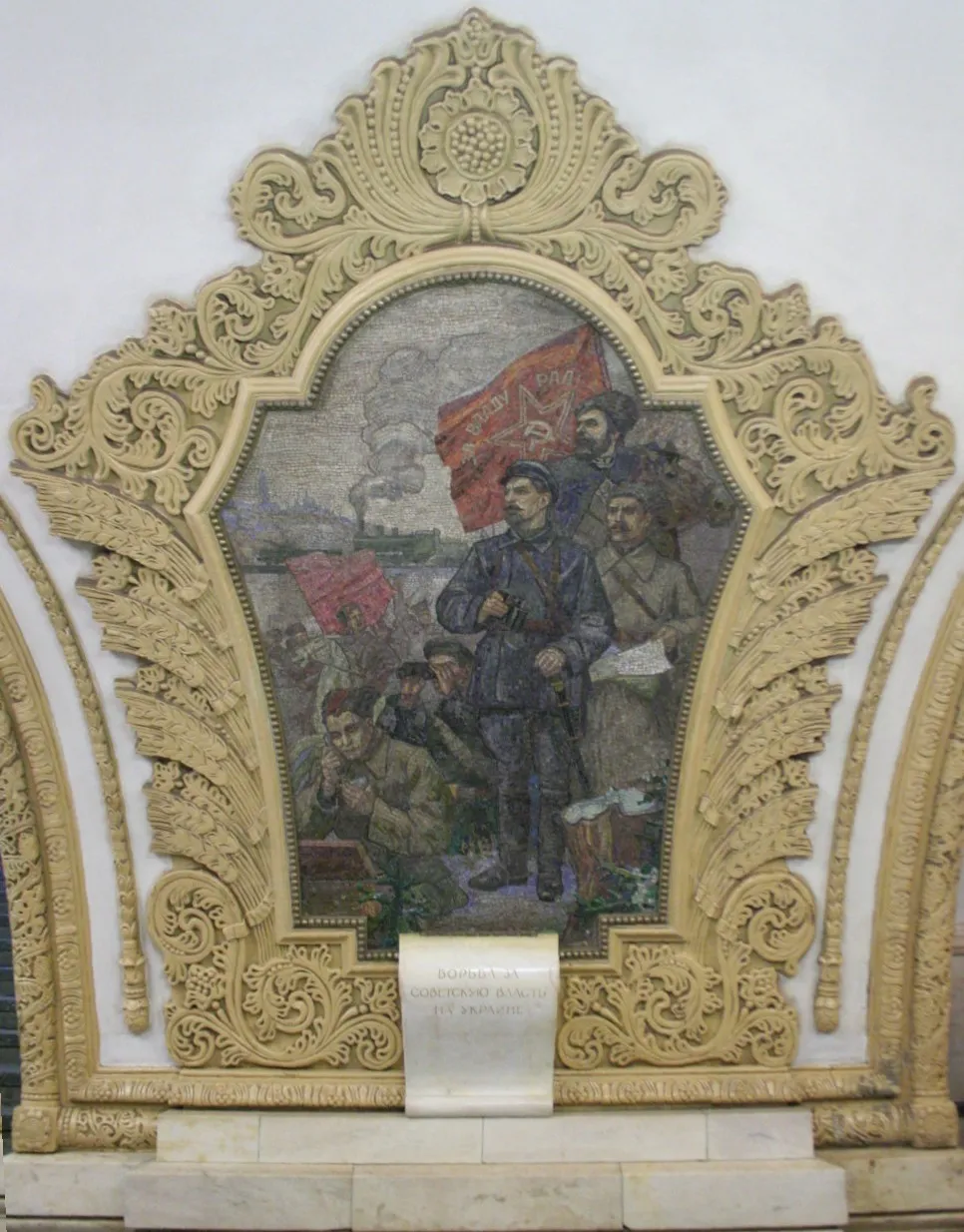
The station "Kievskaya" of the Circle line is covered with mosaic panels glorifying the friendship of the Russian and Ukrainian peoples. In 2004, during the "Orange Revolution," some witty people noticed that on the panel "The struggle for Soviet power in Ukraine," a red army soldier is depicted with a laptop, talking on a mobile phone. Killjoys assert that it is merely a military radio.
21
Fountain in the metro
In the passage between the stations "Rimskaya" and "Ploshchad Illyicha," there is a functioning fountain.
22
Record holders for name changes
"Alexandrovsky Sad" was the most unfortunate. The station was called "Kominterm," "Named after the Comintern," and "Comintern Street," and from 1946 to 1990 it was named "Kalinin."
23
"Rimskaya" station
In Moscow, there is a metro station "Rimskaya," but in Rome, there is no "Moscow." However, there is a station "Mosсova" in Milan. It was named in memory of the Milanese soldiers who fought in the Borodino battle, naturally on Napoleon's side.
24
Movies in the metro
Almost all advertisements where the action takes place in the metro and movies and series are filmed on the non-functioning second platform of "Polezhaevskaya." Also, a couple of times, the tunnels of the central section of the Lyublinskaya line served film purposes. In the tunnels between the future stations "Maryina Roshcha" and "Dostoevskaya," a scene from the film "Men's Season. Velvet Revolution" was shot.
25
Russian slides
On the Circle line before the station, the tunnel goes slightly uphill, and at the exit - slightly downhill. This is done to make it easier for trains to stop and accelerate.
26
"Phystech" station
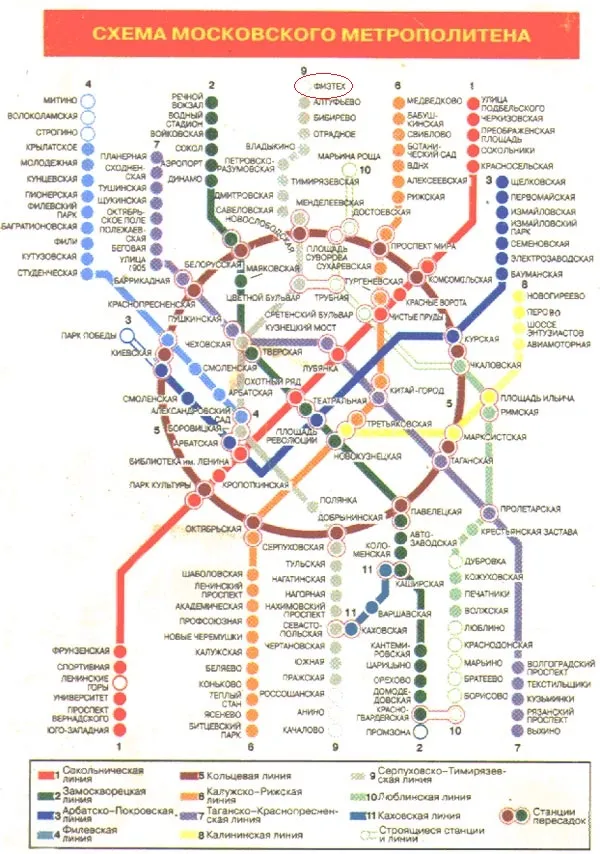
In 1996, some carriages had line maps that marked the under-construction "Phystech" station located just beyond "Altufyevo." Meanwhile, there was no intention to stretch the line through forests and fields to MFTI in the city of Dolgoprudny. It was just a joke by Phystech students. They selected a matching font and color, printed "refined" maps on an expensive printer, and went to post them in carriages. According to the most boastful estimates, 600 people participated in the campaign; more realistic ones estimate around 40. For several years, the station surfaced on various lines of the metro.
27
How trains end up in the metro
Trains for the Moscow metro are made in Mytishchi at the "Metrovagonmash" factory. The finished carriages are attached to a diesel locomotive and transported first along the Yaroslavl Railway to the "Severyanin" station, then through the ring to the intersection with the Riga direction line and further to the "Podmoskovnaya" station. From here, there is a branch to the "Sokol" depot.
28
Freight trains
Often during the day, you can spot freight trains in the metro. During off-peak hours, they transport electric motors and spare wheels from one depot to another. Freight trains are made from regular sets by removing roofs from carriages to accommodate oversized cargo.
29
Number of carriages
On the Tagansko-Krasnopresnenskaya, Kaluzhsko-Rizhskaya, Zamoskvoretskaya, and Serpukhovsko-Timiryazevskaya lines, the trains have eight carriages. On the Filyevskaya, Circle, and Kakhovskaya lines - six, on the others - seven. On the Butovskaya and Filyevskaya lines, new trains called "Skif" consist of three double carriages.
30
Construction records
For a long time, the speed record for tunnel laying in Moscow was 460 meters per month. It was set in 1965 during the construction of the section "Kuzminki" - "Ryazansky Prospect." This result was improved; during the construction of tunnels from "Park Pobedy" to "Kuntsevskaya," workers passed 650 meters in a month. The absolute world record belongs to the metro builders of St. Petersburg, where, in the 1970s, they achieved up to 1200 meters per month. The speed of construction is determined by many factors, the main ones being the quality of equipment, preparation of workers and engineers, the composition of the soil through which they tunnel, and, of course, funding for construction.
31
Twins of the Arbatsko-Pokrovskaya and Filyevskaya lines
Many passengers are surprised that the Arbatsko-Pokrovskaya and Filyevskaya lines duplicate each other. The reason is that initially, a shallow laying radius was constructed. From "Ploshchad Revolyutsii," trains went to "Alexandrovsky Sad," then after "Arbatskaya" and "Smolenskaya," they crossed the Moskva River on a metro bridge and arrived at "Kievskaya." However, during the war, a bomb pierced the tunnel. Stalin ordered the excavation of a deep-laid radius. In 1953, a new section was opened. Now, from "Ploshchad Revolyutsii," trains proceeded to the new "Arbatskaya" and "Smolenskaya," crossed the river via tunnel, and arrived at the new, deep "Kievskaya." The old section was closed, and a depot for broken carriages was established there. But in 1958, they began constructing an above-ground branch toward the Filievskaya, and that is when the section from "Alexandrovsky Sad" to "Kievskaya" became useful. Since then, the lines have duplicated each other, confusing newcomers.
32
Coins, tokens, and tickets
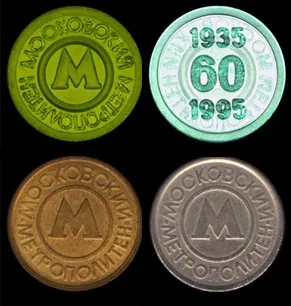
In 1935, the metro operated on special cardboard tokens that were good for only 35 minutes, while the fare was 50 kopecks. Turnstiles appeared in 1959, and in 1960, due to monetary reform, fares decreased to 5 kopecks. This continued until 1991 when the price rose to 15 kopecks. In 1992, plastic tokens were introduced, and in November, iron tokens were released, which were in use until February 1999. The outdated Moscow tokens are now used in the metro of other cities, such as Yekaterinburg and Nizhny Novgorod. In Moscow, only magnetic tickets (since 1993) and contactless cards (since 1998) are currently in use.
More details on Moscow metro tokens
33
Metro bridges
Sometimes metro lines emerge above ground, most often to cross rivers. Three bridges cross the Moskva River: the Kiev Bridge on the Filyevskaya line, the Avtozavodsky on the Zamoskvoretskaya, and the Luzhniki Bridge with the "Vorobyovy Gory" station on the Sokolnicheskaya. In the north of the Sokolnicheskaya line, there is also a small bridge over the Yauza. In all other cases, metro tunnels pass under rivers and canals.
34
"Vorobyovy Gory"
This station, located on the two-level Luzhniki metro bridge, opened in 1959 and became a favorite meeting spot for lovers: couples would go for walks in the park or ascend the nearby escalators to the very top of the Vorobyovy (then Lenin) mountains. The station was built hurriedly in anticipation of the International Youth Festival, resulting in both the station and the bridge beginning to crumble. By the 1980s, the situation became critical. In 1983, the station was closed, and in 1986, trains were rerouted to specially constructed temporary bypass tracks. The reconstruction of the station dragged on, and it wasn't reopened until 2002. The escalators were never restored; however, their remnants can still be seen to the left of the southern exit.
35
"Ploshchad Revolyutsii"
In the niche-arches of the "Ploshchad Revolyutsii" station, there are 76 bronze figures depicting Soviet heroes. At the statue of the red army soldier, the revolver is periodically stolen: on average, the weapon goes missing 3-4 times a year. Students prefer the sculptural group "Border Guard with a dog." The belief goes that if you rub the nose of the watchdog, you will successfully pass the exam. As a result, the dog's nose shines like a well-polished samovar.
36
The most the most lines
The longest line is Serpukhovsko-Timiryazevskaya (41 km), while the shortest is Kakhovskaya (only 3.3 km). The busiest line is Tagansko-Krasnopresnenskaya, which allows residents from the north-west areas of Strogino and Mitino to get into the center of Moscow, while residents of Lyubertsy, Zhukovsky, and Ramenskoye enter from the south-east. The oldest line is Sokolnicheskaya, its central section opened in 1935. The newest line is the "Butovskaya," which opened in 2003.
37
Cross-platform transfers
In Moscow, there are three stations with convenient cross-platform transfers, where trains from different lines arrive on the same platform. These are "Kitai-Gorod," "Tretyakovskaya," and "Kashirskaya." Transfers are convenient, but they are not very good for meetings, as many get confused when scheduling dates "by the first" or "by the last" carriage.
38
Train exchanges
Metro trains like those in Moscow operate in the metro across the CIS, as well as in Sofia, Budapest, Warsaw, Prague, and Tehran.
39
"Park Pobedy"
This is the deepest station in Moscow - 84 m to the surface. However, there are deeper stations in the world: for example, the Kyiv's "Dnipro" is 100 m deep. "Park Pobedy" has two halls and four tracks - here, the Arbatsko-Pokrovskaya line and a chord leading from Mitino to Butovo were supposed to intersect. A separate third station was also planned for the line in Solntsevo. However, the underfunded metro construction struggled to complete the current two halls, and the chord projects fell through by themselves.
40
Great Circle Project
At the "Kurskaya" station, there is a sign "Kurskaya of the Great Ring." The fact is that in the late 1940s, when the project of the current Circle line appeared, a Small Ring passing under the boulevards was also planned. However, the project was never realized. Today, the Great Ring is referred to the line, which may one day connect residential areas. It will include the modern Kakhovskaya line and a section of the Sokolnicheskaya line from "Cherkizovskaya" to "Preobrazhenskaya Ploshchad."
41
Moscow monorail
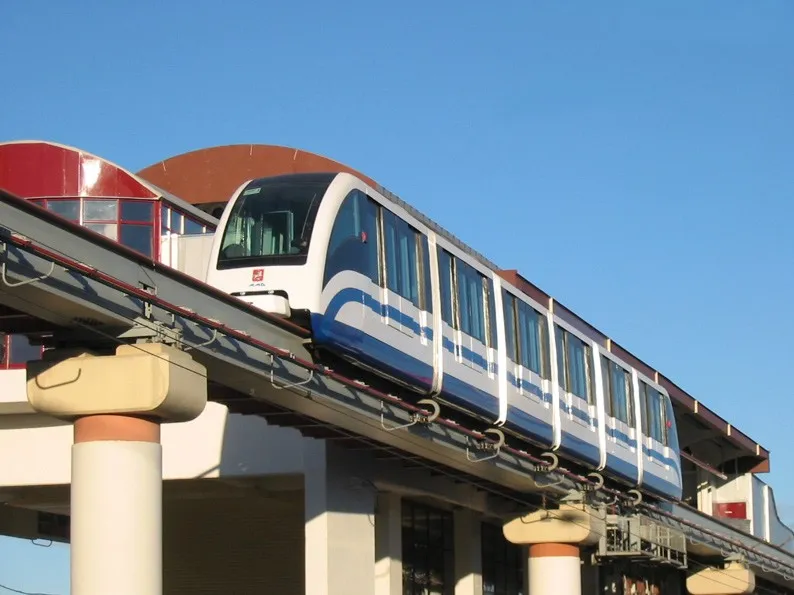

The monorail in Moscow was planned to be built a long time ago. At first, they intended to operate a line from "Kashirskaya" to the Orekhovo area, then wanted to build a line from "VDNKh" along the Yaroslavl highway but realized that the monorail simply could not handle passenger flows. However, the idea of the monorail came to life in 2004. The line from the "Timiryazevskaya" metro to Sergei Eisenstein Street is quite a meaningless attraction. A ride costs 50 rubles, the trains run every 25 minutes, there are few passengers, and the line and wagons are constructed so that in the event of an unexpected stop in the middle of the segment or an accident, people cannot escape from the train by themselves and will have to wait for help at a height of 6-10 meters. The line was supposed to extend to "Botanichesky Sad" metro, but nothing has been heard about these projects yet.
42
Suburban trains in the metro
In the late '40s, there was a project to send suburban trains from Yaroslavsky station into tunnels under the center of Moscow and to connect them, bringing them to the surface near Taganka, essentially creating a system of urban electric trains similar to Germany's S-Bahn. This project remained unfulfilled.
43
Three-track stations
In Moscow, there are two stations with three tracks: "Partizanskaya" and "Polezhaevskaya." These are remnants of unfulfilled plans. In the area of the current "Partizanskaya," a colossal stadium was supposed to be built, and the third track was made to increase the station's capacity and avoid overcrowding after matches. A forked traffic organization was also planned here; a southern branch was supposed to go along Izmailovsky Prospect (just as it goes now), while a northern branch was planned under Izmailovsky Boulevard. From "Polezhaevskaya," there was also a planned branch to Silver Bor and Strogino; in the area of Berzarina Street, you can find remnants of this construction.
44
Chord lines
In the late '80s, an original project appeared for constructing chord lines in Moscow, aimed at providing residents of remote areas with quick transit without overloading transfers in the city center. Four chords were planned: the first was to go from Mitino through "Park Pobedy" to Biryulevo and Butovo, the second from Khimki via "Rizhskaya" to Zhulebino, the third from Solntsevo through "Park Pobedy" and "VDNKh" to Mytishchi, and the fourth from Balashikha through "Leninsky Prospekt" to Dudkino. It was planned to run ten-car express trains on the lines. Currently, there has been an almost complete abandonment of the chords; the Arbatsko-Pokrovskaya line should come to Mitino, and above-ground light metro has been constructed in Butovo. Only the Solntsevskaya line occasionally still appears in long-term plans. It will start in Novoperedelkino, pass through Solntsevo, the Olympic Village, Michurinsky Prospect, Mosfilmovskaya Street, and "Park Pobedy." Then, the line will go through "Mezhdunarodnaya," "Begovaya," "Savelovskaya," and "Maryina Roshcha" to "VDNKh," and from there, under the Yaroslavl highway, to Mytishchi. Or it may not go.
45
New stations on the Circle
Two more stations will be added to the Circle line: "Suvorovskaya" near the Russian Army Theater (between "Prospect Mira" and "Novoslobodskaya") and "Rossiyskaya" near the White House (between "Krasnopresnenskaya" and "Kievskaya").
46
Lyublinskaya line
This year, they promise to open "Trubnaya" and "Sretensky Boulevard" stations, and in a couple of years - "Dostoevskaya" in the area of the Russian Army Theater and "Maryina Roshcha" near the "Havana" cinema.
47
Kalinin line
This line is currently not being built, but it has rosy prospects. After "Tretyakovskaya," a "Kadashevskaya" station is planned under an island on the Moskva River, further stations will be "Ostozhenka" with a transfer to "Kropotkinskaya," "Smolenskaya" with a transfer to two other "Smolenskaya" stations, and then the line will arrive at "City" at "Mezhdunarodnaya." Then, the tunnels will pass through the Filyevskaya floodplain and Silver Forest to Strogino.
48
New exits from old stations
In addition to new lines, new exits from old stations are also being constructed in Moscow. By 2010, new exits are planned to open from the "Baumanskaya" and "Arbat" stations, and by 2012 - a third exit from "Komsomolskaya."
49
Metro in Strogino and Mitino
The metro layout in western Moscow will undergo significant changes. By the end of the year, they promise to construct tunnels from "Park Pobedy" to "Kuntsevskaya." The "Molodyozhnaya" and "Krylatskoye" stations will switch to the Arbatsko-Pokrovskaya line, and "Kuntsevskaya" will become the terminus for the Filyevskaya line. From "Krylatskoye," trains will head to Strogino through the new tunnels. If you believe the Moscow government, in just six months, the residents of Strogino will be able to reach the center quickly. In 2008, they will open a station "Slavyansky Boulevard" between "Park Pobedy" and "Kuntsevskaya," and by 2010, they promise to construct three more stations.
50
New above-ground station
A station called "Technopark" is planned to be built on the above-ground section between "Avtozavodskaya" and "Kolomenskaya."
Pdysh!\[/b\]\]
Sources