

The Second Moscow International Video Game Week Brought Together 20 Countries and 250,000 People
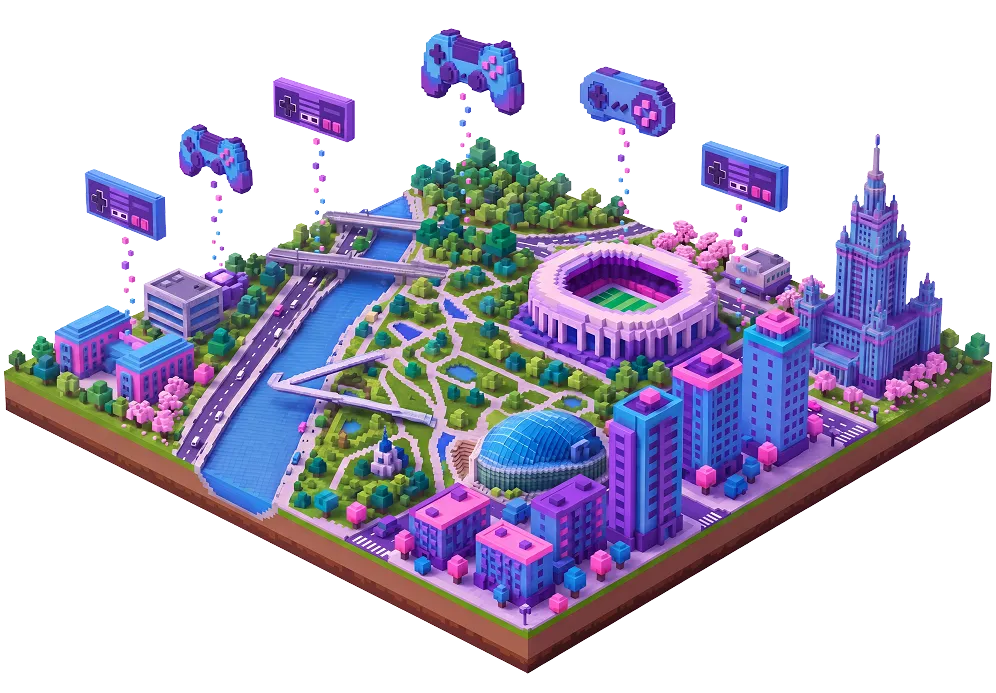
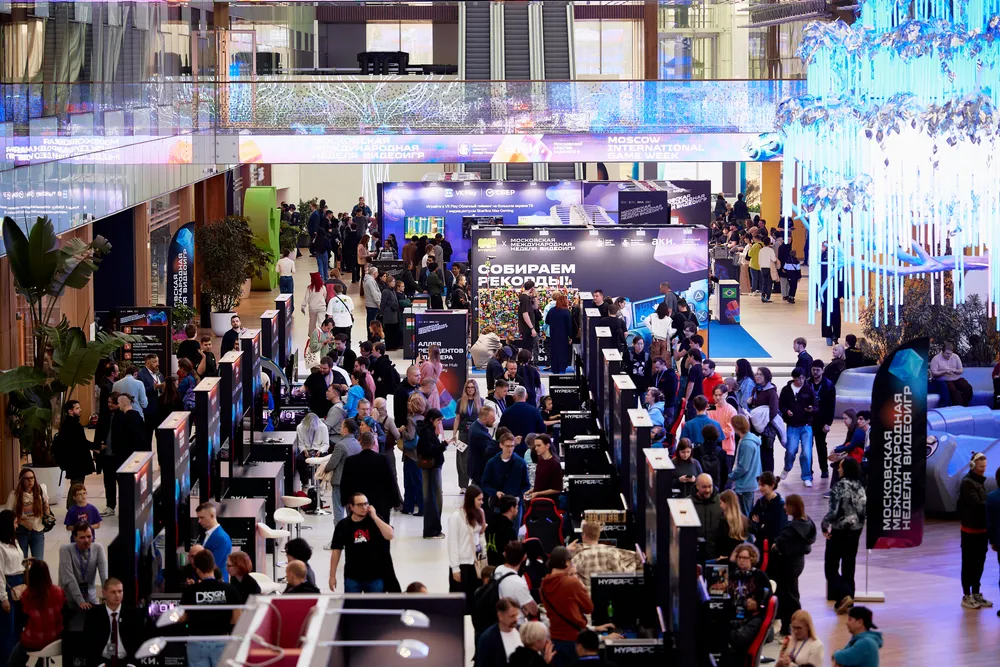
The second Moscow International Video Game Week took place from October 29 to November 1. The large-scale event brought together developers, technology companies, industry representatives and gaming fans. More than 20 countries took part, including China, Brazil, Türkiye, India and others. Most of the program took place at the Moscow Video Game and Animation Cluster, and more than 250,000 people participated in Video Game Week overall.
This year’s theme was “Beyond the Industry”: how video games connect with literature, animation and cinema.
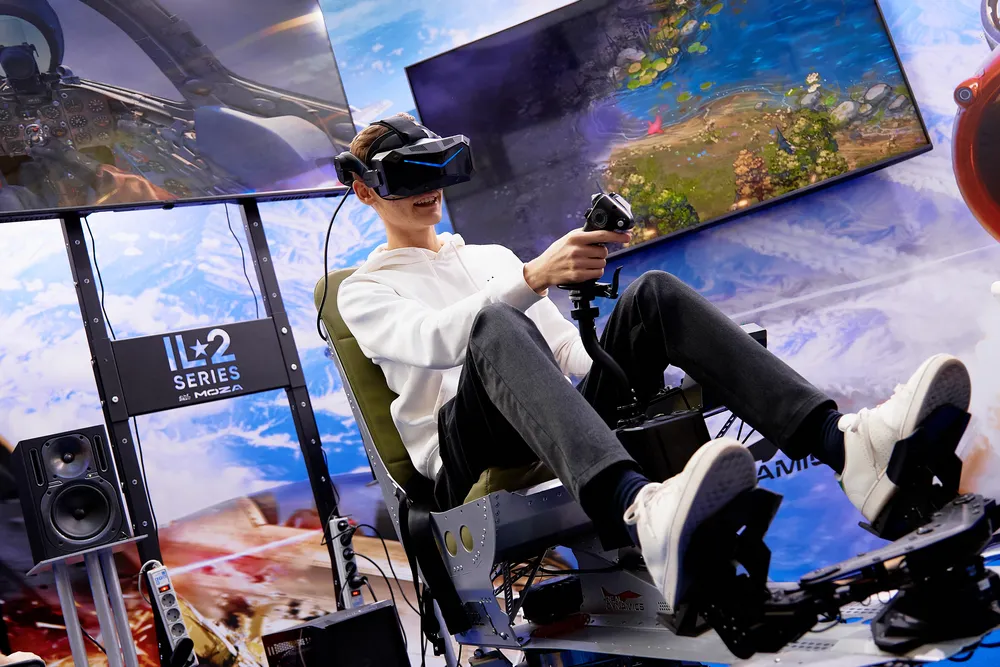
More than 80 Russian and international companies showcased their projects at the event, including games, animation, gaming services and hardware. Participants included major industry players Astrum Entertainment, VK Play, 1C Game Studios and Fogame, as well as dozens of independent teams and cluster residents. Studios from Armenia, Brazil, India, China, Malaysia and South Korea brought international projects. For example, Brasília Game Hub presented games by Brazilian developers, while South Korean publisher Burning Soul showcased dozens of games for smartphones and PC.
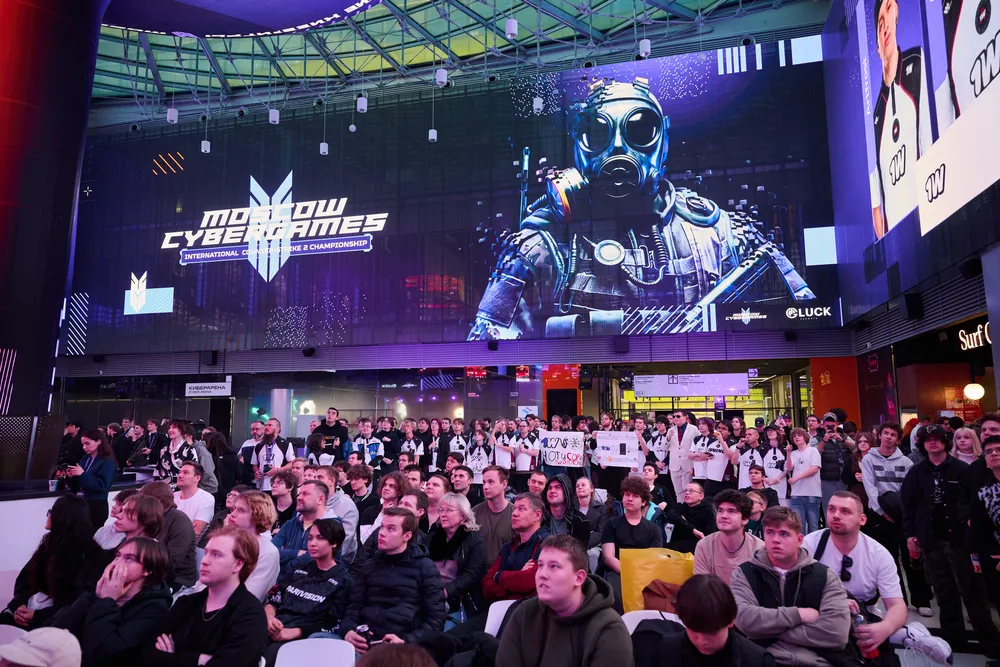
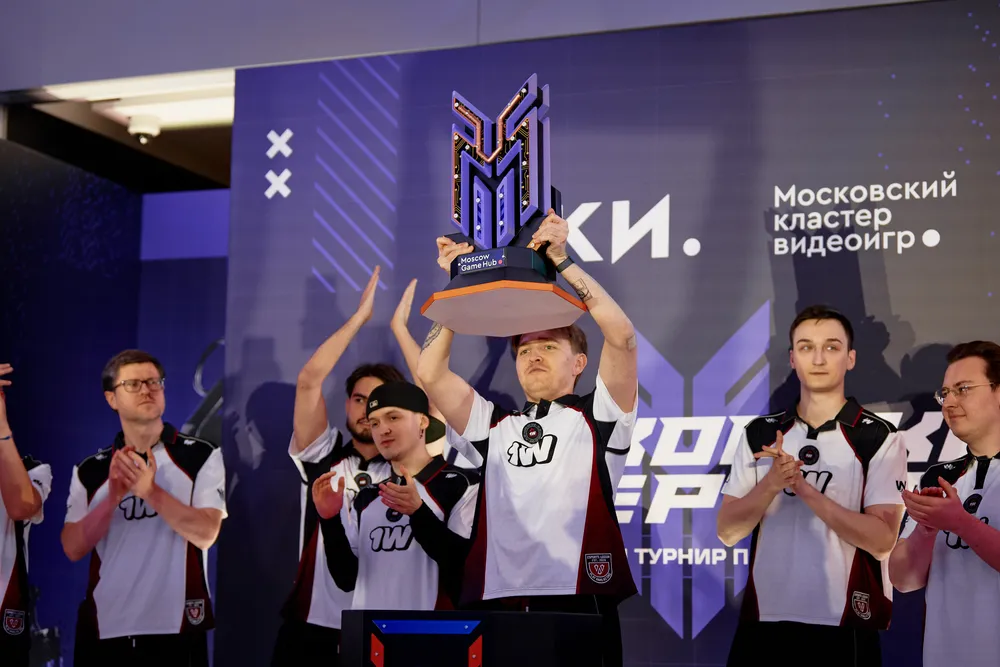
The final of the international Counter-Strike 2 tournament “Moscow Esports Games 2026” took place as part of Video Game Week. Russian team 1w defeated HOTU 2:0 and qualified for PGL Major Singapore 2026. For the first time since 2019, Moscow hosted an in-person international Counter-Strike tournament. Its results count toward the Valve Regional Standings, which determine invitations to Majors. Qualifiers were held in Europe and Asia, with 956 teams from 31 countries competing for a place in the final. HOTU, 1w and two teams from Mongolia, 5star eSports and The Huns Esports, made it to the final stage in Moscow. The decisive match took place on the eve of the November 2 ranking cutoff, so its outcome affected the standings ahead of the Major. 1w will start in Singapore in the second stage of the tournament, which runs from November 25 to December 13. The matches were commentated on by Mikhail “Dosia” Stolyarov, Dmitry “hooch” Bogdanov and Denis “seized” Kostin. Hundreds of thousands of viewers in Russia and abroad watched the tournament in person and via online broadcasts.
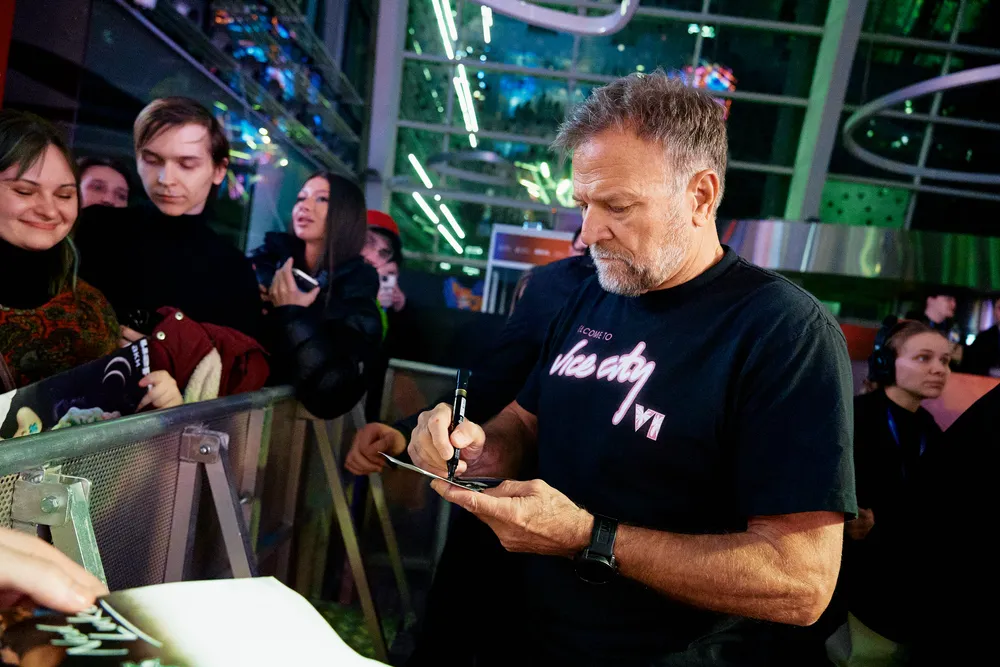
One of the week’s main events was “Video Game Night.” On the night of October 31, the Moscow Video Game and Animation Cluster—from its underground parking garage to the third floor—turned into one giant gaming space. Rapper L’One performed on the main stage, a cover band played soundtracks from iconic games, and DJs performed on every floor. Closer to midnight, actor Ned Luke, known for playing Michael De Santa in GTA V, came out to meet fans.
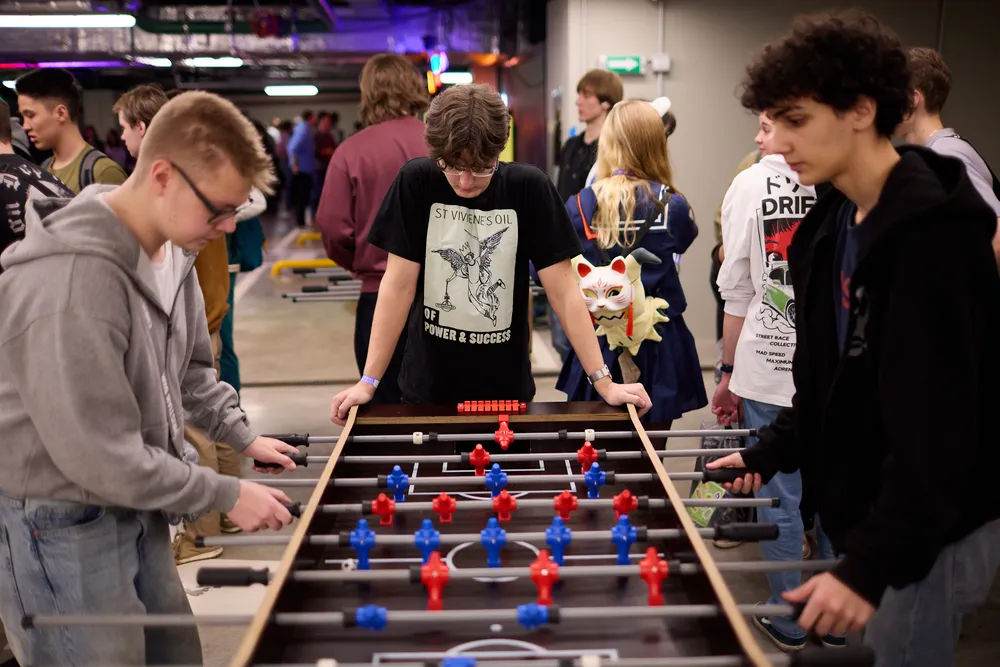
The night itself took the form of a large-scale game. Guests received participant cards and earned in-game coins by taking part in amateur esports tournaments: on PS5, retro consoles like the Dendy, SEGA and the original PlayStation, as well as in Tetris, air hockey and table football. The parking garage featured cars styled after racing games and retro arcade machines.
The Counter-Strike 2 “League of Generations” tournament was part of “Video Game Night.” It pitted a team from the “Moscow Longevity” program, made up of five Muscovites aged 55 to 64, against a team of Gen Z players. The latter included bloggers Lyubov Genrikhovna and Pavel Sarokin, as well as Maksim Lutchak, who makes videos about how Gen Z employees get along with older colleagues in the same office. During the match, streamer Recrent replaced Sarokin, but the “Moscow Longevity” team won 13:10. Recrent also played a show match against South Korean esports player FINALE.
An indie alley was set up for independent developers, where visitors could try demos of their projects. Cluster residents Game Art Pioneers, Blue Cat’s Games and One Game Wonder showcased their games in the residents’ alley. Publisher Terrabyte Games timed the release of full versions of two games on Steam to coincide with the event. Emerging developers took part in the Youth Video Game Developers League, where experts led practical workshops on game design, neural networks, narrative design and working in international markets.
Festival visitors set a Russian record by creating the country’s largest construction-brick mosaic. A total of 1,112 people took part over three days. Everyone added pieces as they saw fit, resulting in an abstract composition. The mosaic used around 10,000 pieces. The event was organized by RUBRIK. This was the Week’s third record in two years: in 2025, the largest mass esports tournament held during the Week and the country’s largest media screen, in the cluster’s atrium, entered the Russian Book of Records.
A business program ran alongside the other events at the cluster. More than 50 sessions were held across two stages, featuring over 250 Russian and international experts from 20 countries, including developers, publishers, investors and representatives of related industries. Participants discussed the specifics of game development in Russia, different business models and government support for the industry, the creation of game universes and franchises, workforce training, and the role of neural networks in animation. Dedicated sessions explored promoting Russian games abroad, screen adaptations and games based on books, as well as the 90th anniversary of Russian animation.
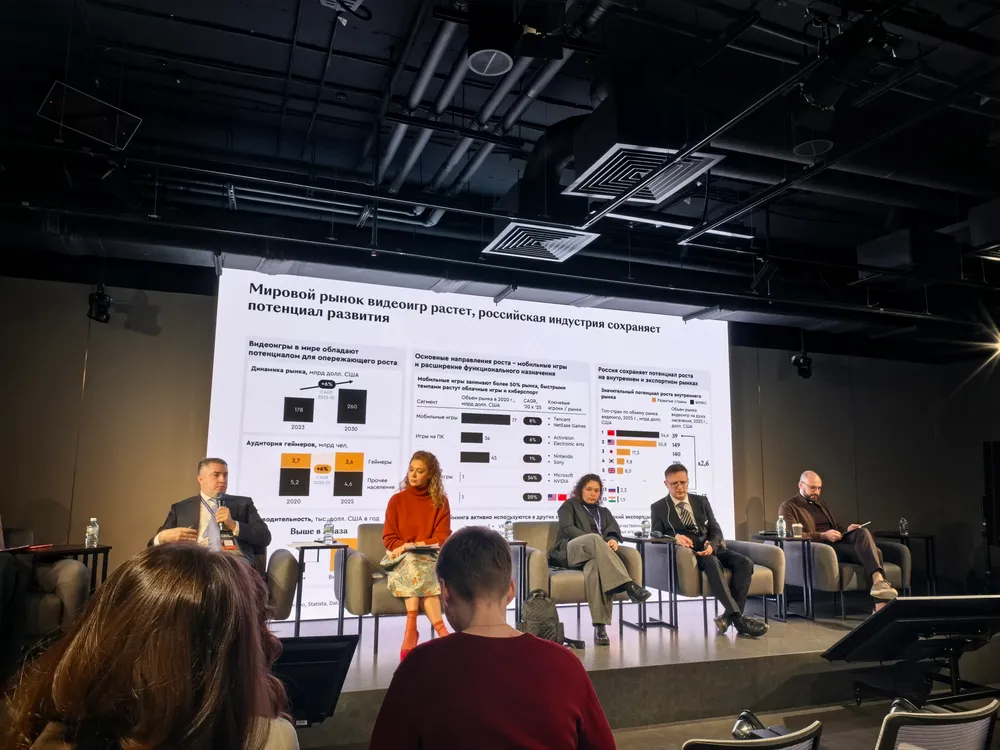
Important industry news was also announced during the business program. The Moscow Video Game and Animation Cluster ranked among the top three hubs alongside those in Abu Dhabi and Shanghai, and received the highest score for its facilities. The global video game hub ranking was compiled by the consulting firm Yakov & Partners.
The citywide program covered more than 1,000 venues in Moscow, 68 regions of Russia and five foreign countries, including Belarus, Kazakhstan and Kyrgyzstan. More than 200,000 people took part in the Week’s esports tournaments, including competitions at COLIZEUM and CyberX clubs. Five universities and schools, including the Higher School of Economics, RTU MIREA and Scream School, held lectures and master classes. Chitay-Gorod put together book selections for gamers in 79 stores, while Hobby Games and Mosigra prepared board games based on video games.
Moscow International Video Game Week is organized by the Moscow Agency for Creative Industries under the Moscow Department of Culture. The event aims to showcase Russian game and animation projects and Moscow’s infrastructure for developing the industry, as well as strengthen the position of Moscow studios in international markets.
The official partner of the business program of Moscow International Video Game Week is MosHub.Skolkovo, a business space run by the Moscow Department of Information Technology.