
The Story of the Series Development. Part 2
The TES series included more than just role-playing games. This world was attempted to be used twice for creating an adventure game... and both times it failed. Overall, the text here will be shorter than in the previous part — images can say much more about Battlespire and Redguard — dark stains on the reputation of the gaming universe. So, the continuation of the story of a big series in our small world...
[cut]
(reminding you that BS=Bethesda Softworks)
An Elder Scrolls Legend: Battlespire
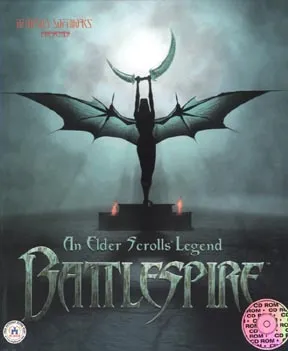
After the release of Daggerfall, work began on three fronts: Battlespire, Redguard, and Morrowind – as it became clear that the playing audience craved more games, more often, and better! Battlespire, initially named Dungeon of Daggerfall: Battlespire, was the first of three that were slated for release. And it was released – November 30, 1997.
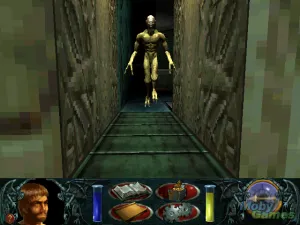

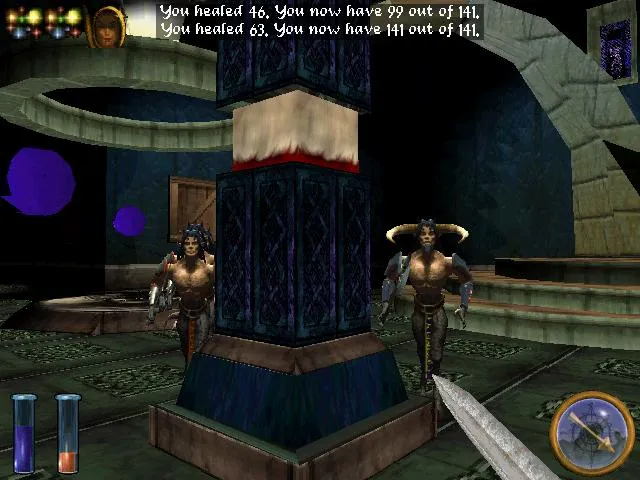
Originally developed as an expansion for Daggerfall, Battlespire narrated what BS called "the best part of Daggerfall": underground adventures (or rather – in Oblivion, but in essence, it is not so important). Battlespire would be smaller in size than previous games and was supposed to showcase an "intensive rise in the quality of the series". One of the main advantages of Battlespire was the possibility of multiplayer – even in Deadmatch mode. It was during this time that the "emergency stop" was pulled – development of Morrowind was interrupted, and the staff working on it were transferred to the development of Battlespire and Redguard. Battlespire eventually was released as a standalone game - An Elder Scrolls Legend: Battlespire. Fortunately for us – the game quietly flopped. Players complained, said "not this", turned around, and left. Meanwhile, BS was preparing something new, perhaps an even bigger disappointment.

The Elder Scrolls Adventures: Redguard
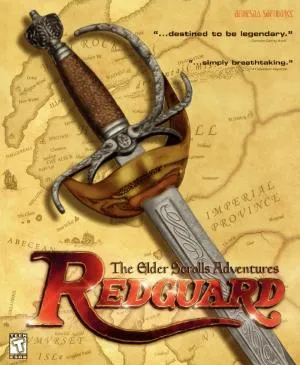
Redguard was the second of the three games being developed during that period, released on October 31, 1998. Inspired by examples like Tomb Raider, Prince of Persia, and the Ultima series, BS decided to create a pure adventure under the banner of The Elder Scrolls series. Players would converse with NPCs using keywords, use items to solve puzzles, and follow an "epic" main storyline, constantly moving through dungeons and chasms.

This is the very first combat. You won't even see the menu, immediately headfirst into the abyss. After the introductory video, of course. You'll have to figure out the controls on the go.
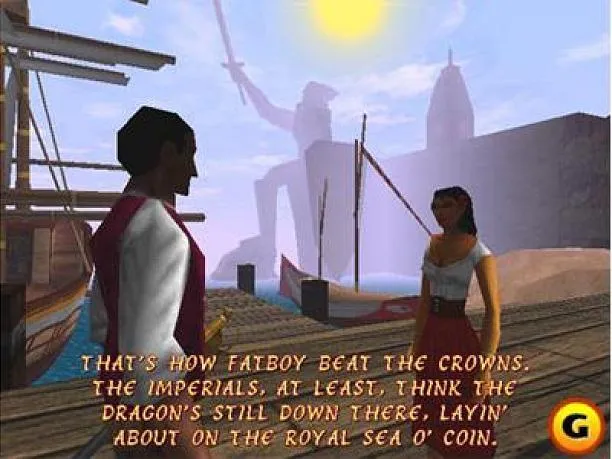
This is how the dialogues look - they are voiced, and quite well. The topic selection system sends a warm hello to Oblivion - it was this system that was copied from "Redguard".
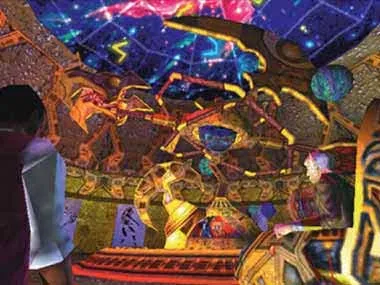
A Dwemer observatory. I bet this screenshot will appear at least once more in this blog.
In Redguard, the team focused a decent amount of their time on achieving increased detail for items and characters using XnGine, to create a three-dimensional environment, various islands, and the town of Stros M'kai. Redguard did not offer players the opportunity to create their character. Instead, you have to play as Kira, a Redguard. The game flopped even quieter – which is a shame, as it was quite good for its time. Nevertheless, one of the few things that Redguard left in history is this comic. Quite interesting, by the way.
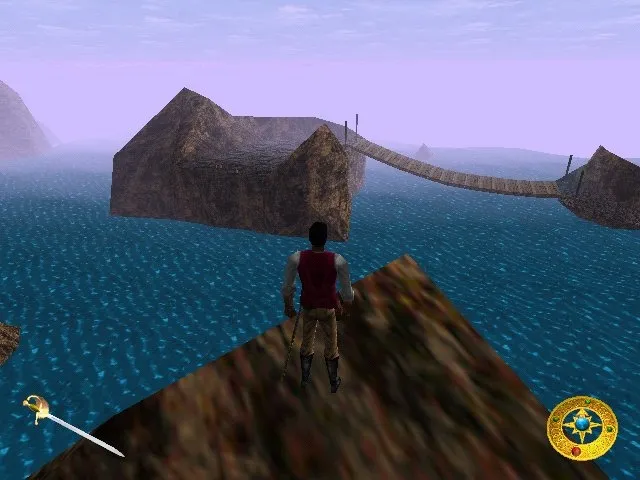
This is what water looks like in the game.
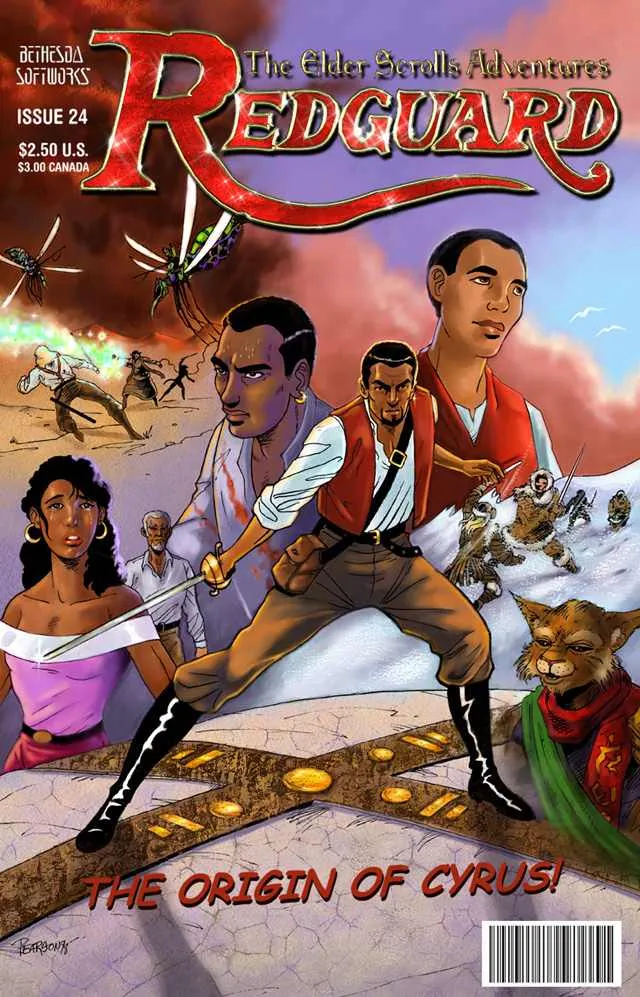
The title page of the aforementioned comic.
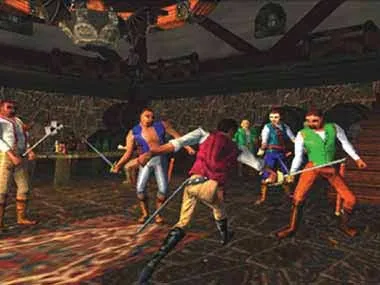
Our hero is playing Rambo.
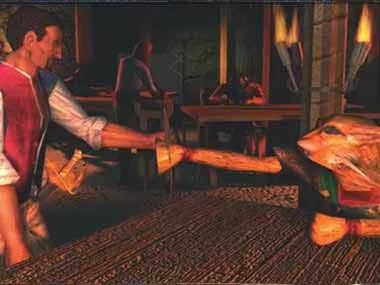
Animation for 1998 - quite "on par".
As I have already mentioned, the games essentially failed. Players, accustomed to the vast open spaces of Daggerfall and the RPG genre, could not accept Redguard and Battlespire. There was a decline in the sales of the Elder Scrolls series overall, and BS was closely approaching bankruptcy. When Howard was asked if he was afraid of anything, he replied: "Yes, there was such a period. In my 13 years here, in the company, which is a long time, one must be prepared for blows. The years immediately after Daggerfall were probably the worst for us. We made poor decisions and created bad games".
After the release of Redguard, a considerable time passed - almost four years. Game fans became more and more excited, receiving increasingly beautiful screenshots and concept art from Morrowind. They were inspired by the words of developers, indicating that the self-assembling dungeons from Daggerfall were put on the shelf; they decided not to disgrace the territory of Great Britain and other countries - yes, in Morrowind there will be only a few square kilometers - but what kilometers they will be!... It’s impossible to convey this in just a few words - it was a sharp ascent of the series to new heights, and I will tell you about it in the next, concluding part, along with Oblivion and some facts from the possible future of the series
Comments are even more welcome than in the previous part, as I studied these two games somewhat less than the main series. So don’t hesitate to share your opinion; it might well be correct - in case of errors, I will correct the post.
Source: English Wikipedia
Translation and comments: Pegazs