Report from the presentation of The Witcher 2 in Moscow

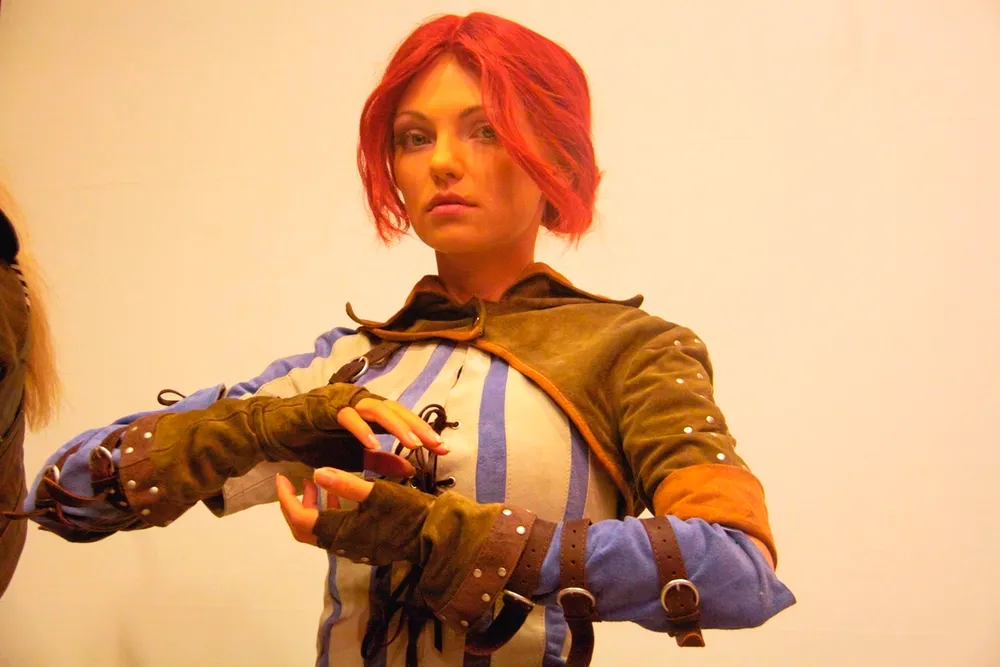
As some of you may know, on February 9th, a significant event took place in the Moscow restaurant "Krasnaya Melnitsa": a live gameplay presentation of The Witcher 2. A medieval setting, a wealth of snacks and cultural communication, along with a fresh build of the game, were showcased by the developers from CD Projekt RED themselves. What more could one wish for? Perhaps characters in costumes from Sapkowski's era, but they entered the hall by the end of the presentation, much to the delight of the photographers. Before we dive into the description, it's worth mentioning that there are no spoilers here. CD Projekt RED is just as afraid of them as you are, and they monitor every kilobyte of public information in press showcases and interviews.
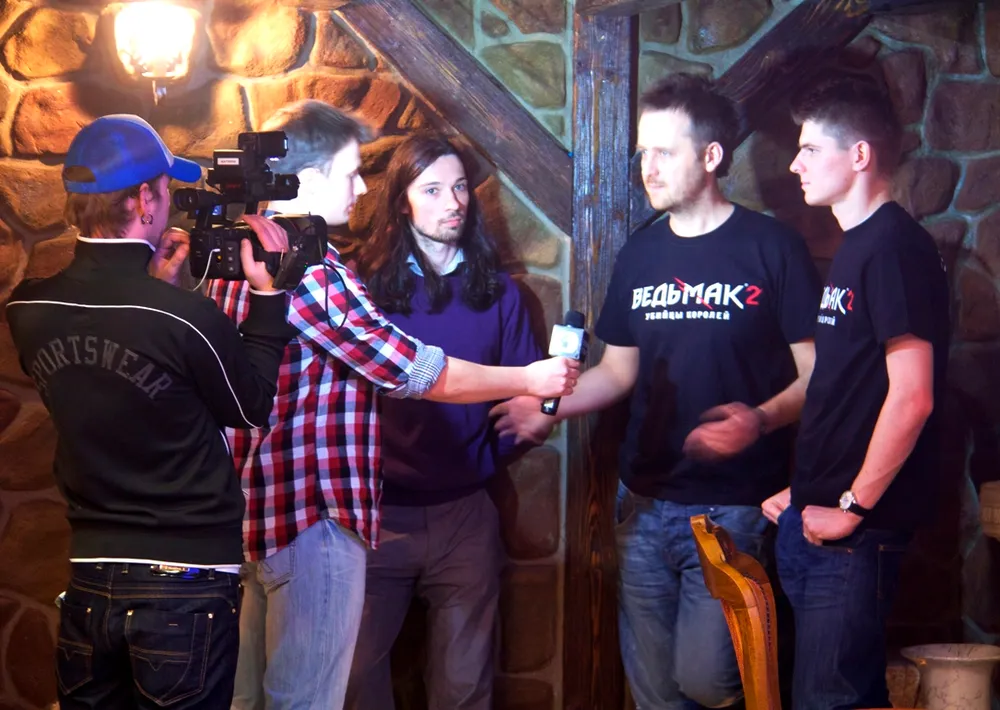
This is already the second presentation of The Witcher 2 that I have attended. However, while the main goal at Igromir-2009 was to spark interest, by the time of the presentation at the restaurant Krasnaya Melnitsa, enough was already known about The Witcher 2 to count down the days until May 17th. The developers understood this perfectly, which is why there were no epic battles with huge monsters during this presentation. Instead, we got an answer to the question, “What does the everyday gameplay of The Witcher 2 look like?”
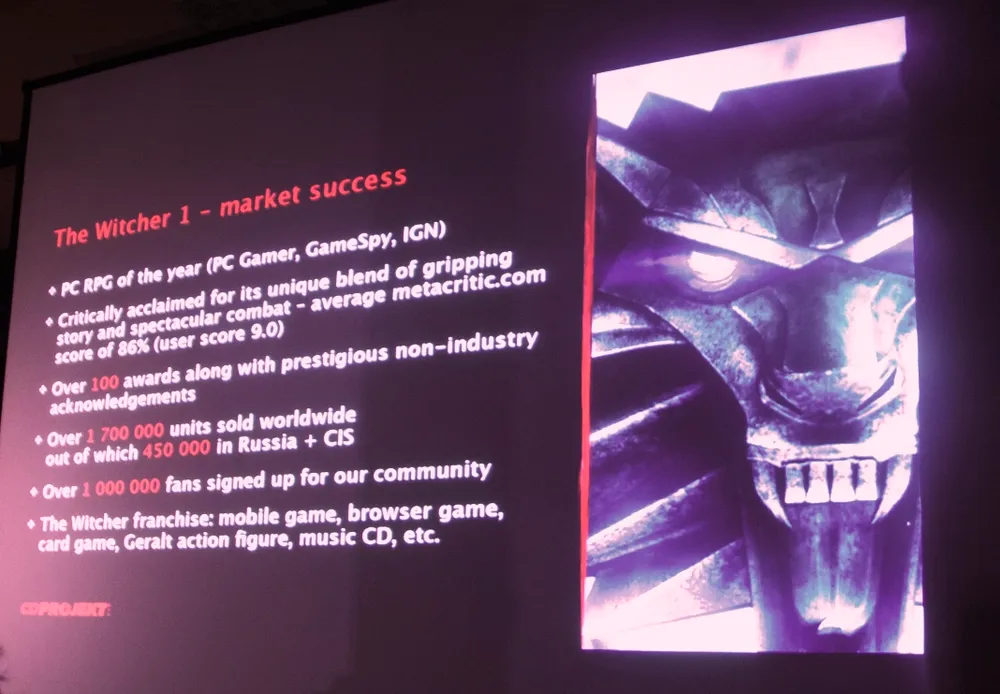
But before we see the gameplay itself, we were shown an old trailer to set the mood. After this, Marcin Iwiński, co-managing director of CD Projekt RED, delivered an introductory speech in Russian (almost without an accent), before switching to English to talk about the success of the first Witcher. 1,700,000 copies sold worldwide, over 100 awards both within and outside the gaming industry. The Witcher 2 had already garnered eight awards at major exhibitions before release, including E3 and Gamescom, and had graced the covers of dozens of magazines. The developers are confident that there’s more to come after the release.

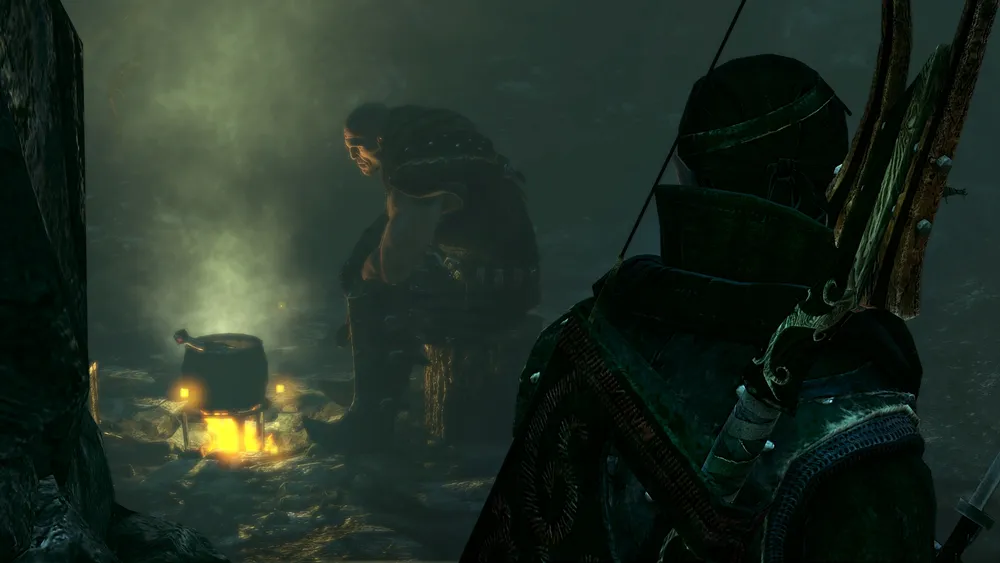
Then came the main event – live gameplay. A mid-game episode from one of the side quests was selected for demonstration. Upon launching, we were greeted by the traditional loading screen with art, but to the developers’ credit, this was the only time we had to see it. All subsequent loading now happens seamlessly; the game pauses for just two to three seconds while transitioning from the street to the tavern. Reflecting on the first Witcher’s launch night, where five-minute loads tested my patience at every step, witnessing the smooth loads of the sequel was a tremendous pleasure.
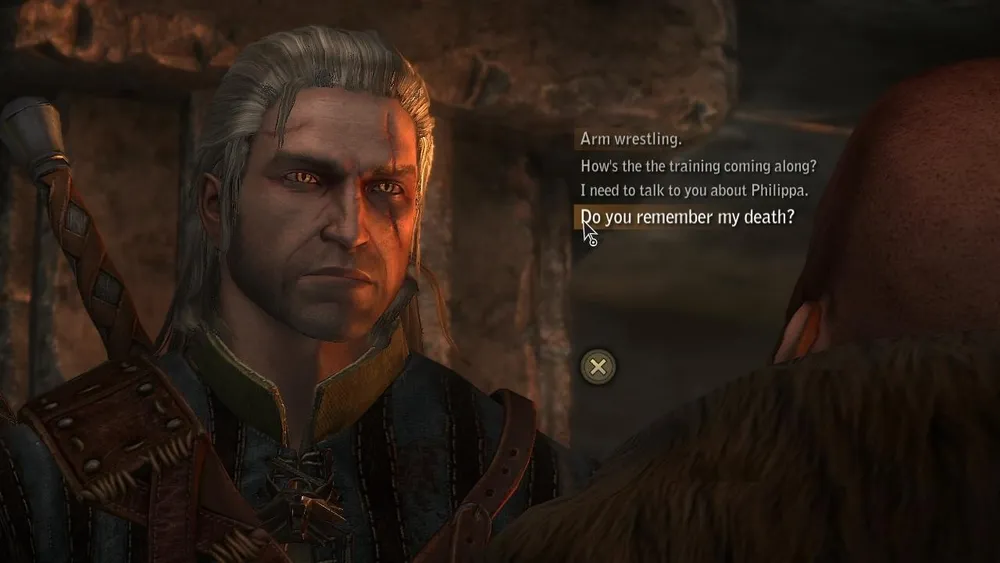
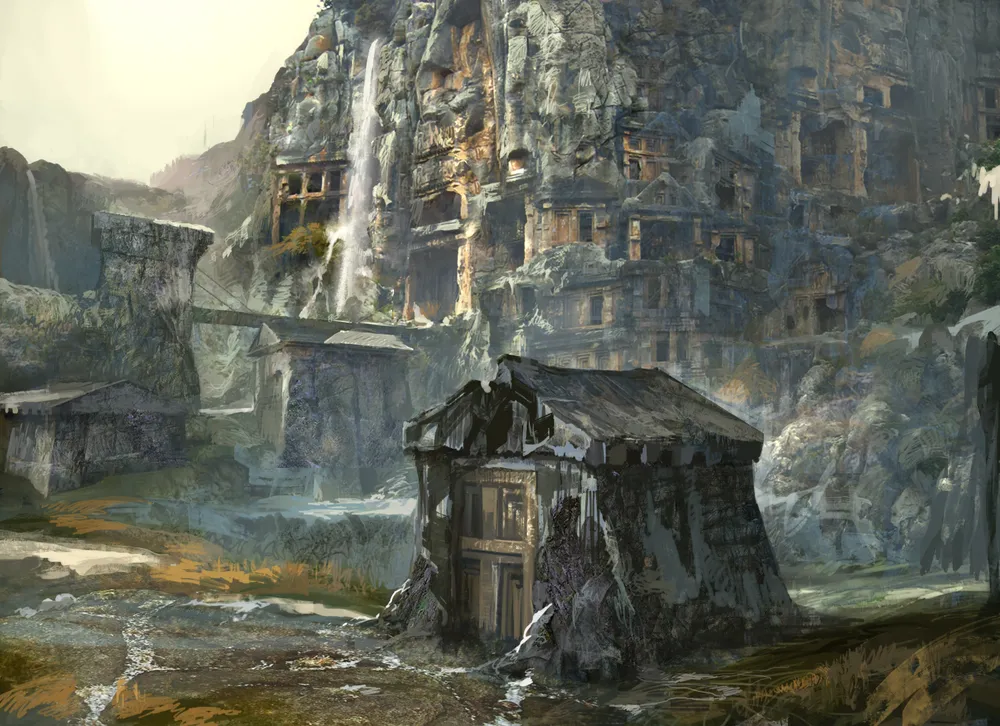
But let’s get to the process. Geralt stands in the middle of the dwarven city – one of the largest in the game. Short citizens stroll the streets, shadows of clouds crawl over the rooftops, and a torch nearby throws beautiful flashes of light onto the walls. Let’s get closer. Near the door, an elf calls out to us and explains a city problem: young men are disappearing among the elves and humans. The last corpses were just sent to the city's crypt, and it’s evident that the investigation will have to start from there. The new dialogue system is best illustrated by screenshots, while I will speak about the impressive work with light. The dialogue took place right next to the torch, and the reflections on the elf's face occasionally distracted from the important mission. However, Geralt was as calm as ever: payment is promised – the job will be done.
But first, let’s step into the tavern, where, as before, you can entertain yourself with mini-games: fist fights, dice poker, and arm wrestling. Poker was already shown in the video; I will just add that a physics engine is used to simulate the behavior of the dice, making watching the game more interesting. In fact, the dice poker from The Witcher 2 is no longer shameful to release as a separate game for PSN and XBLA for about five bucks. We must at least comfort the console gamers, as the game, if it ever reaches their platforms, will do so significantly later than the PC release...
But I digress. After losing a hand of poker, we head to our old friend Zoltan, to try our luck in arm wrestling. In this game, the player needs to keep a point within a segment that moves along a line and gradually decreases in size. If we reach the edge of the line – victory. This time victory goes to Geralt. From the sidelines, arm wrestling looks very simple, but there are likely hidden complexities when playing against strong opponents. By the way, each mini-game appears in the journal as a separate quest, and after defeating another opponent, he sends us to the next champion, whom it will be a little tougher to defeat. The quest journal in The Witcher 2 is not formatted in the usual way: it is written from the perspective of the bard Dandelion, describing Geralt's adventures from the outside. Thus, upon completing the task, we can read a full story about yet another adventure of the White Wolf in the journal.
Another peculiarity of the journal, and indeed the entire game interface, is its optimization for gamepads. Many elements display circular or cross-shaped details for selecting options with the stick (like in Mass Effect). Not to mention that the presentation itself was done using a gamepad. Of course, those who despise consoles will be deeply outraged by this fact, but the majority of players need not worry – the console-ness is noticeable only in the interface and does not hinder the enjoyment of the game in any way – the mouse remains the primary control element.
Time for business, time for fun. We exit the tavern and return to the task. The road to the crypt leads through a forest and past a small lake. While in the city landscapes, a realistic palette was used, in nature, the colors become fantastical and rich. Thick haze in the air, bright blue water, sharp silhouettes of trees. To put it briefly – "Slavic fantasy". This, in my opinion, is what its visual embodiment should look like.
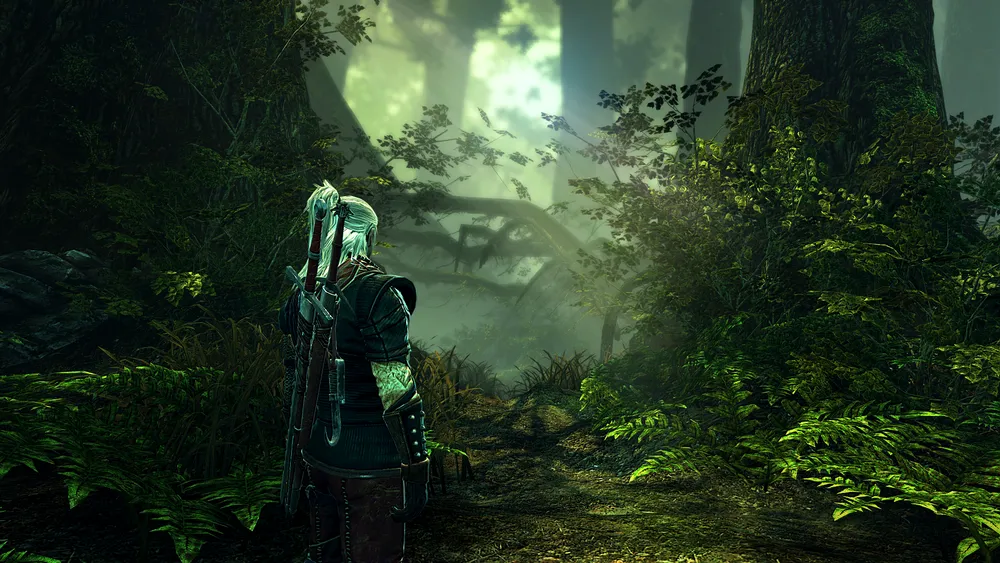
In nature, Geralt meets the first enemies – so far, humans and elves. From a distance, the combat system appears very similar to the first part, but there are several interesting differences. Firstly, the tactical pause is no longer a pause, but merely a slowdown in time. This slowdown is enough to calmly choose a sign, yet the dynamics of the battles are noticeably improved. The second innovation is that the strong and fast styles are now assigned to the right and left mouse buttons, and they can be combined in any sequence without delving into the pause menu. The third is shields. If an enemy is blocking with a shield, you won’t break through by endlessly clicking the left mouse button. You have to come up with tactical tricks, roll, and knock down with signs to break through the defense of such an opponent. After the battle, we examine the trophies and try on elven armor with a hood. Beautiful, but impractical for our mission. We move on. As we know, by the shores of lakes in the world of The Witcher, one can encounter not only intelligent beings. After going a little further, we witness a scene where a patrol of humans is attacked by Nekkers (new monsters, an enhanced version of Drowners). Since we are not sympathetic to either side, we observe the course of the battle for a moment and then finish off the weakened foes. A clean job. And yes, in the lower right corner of the screen, the traditional RPG battle journal shows how much damage each side is taking in numbers.
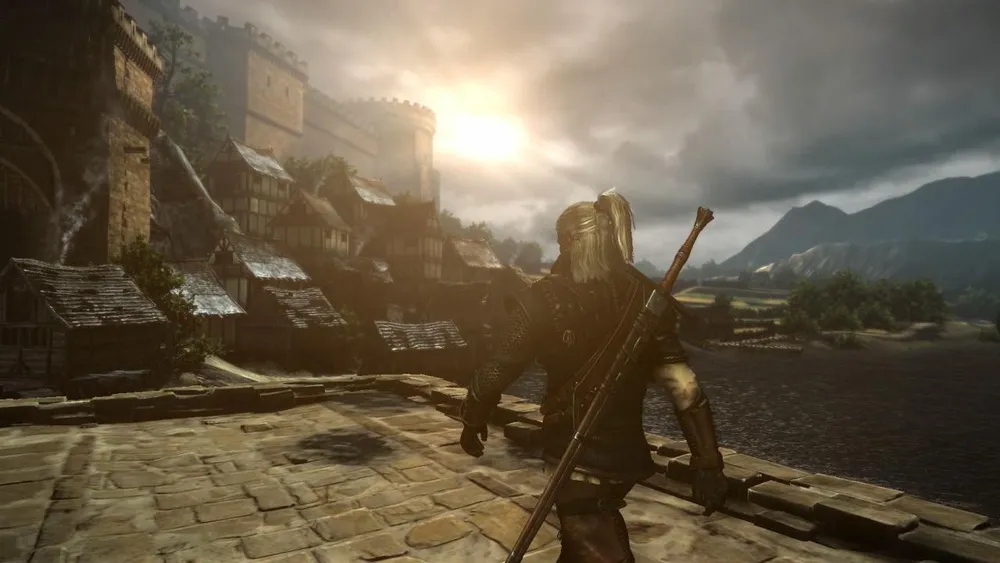
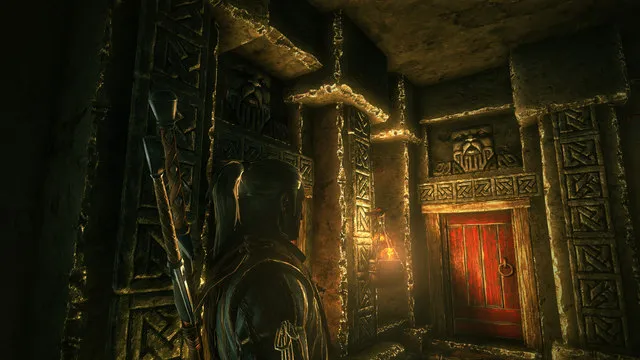
Here we are at the crypt. As you remember, no loading screens – we descend straight from the forest down the steps into the darkness and begin our exploration in search of fresh corpses. Along the way, we use signs to interact with the environment – lighting torches and breaking fragile walls. In the dark of the crypt, the lighting system again showcases its full potential – a fire strike against the ghosts casts very effective bursts of light onto the walls. But the ghosts remain weak and do not delight the eye for long, especially when Geralt wields a silver sword...
After several failed attempts, we find the young man we need. Yes, it’s an unpleasant sight. We will have to examine every part of his body, choosing from a menu reminiscent of dialogue, before drawing conclusions. And the nail marks on his back clearly indicate – a succubus. But how did he end up with Dandelion's verses in his pocket? We return to the tavern. By this time, the plot steals the blanket of impressions: no matter how beautiful the graphics are, one cannot stay in the game for more than a couple of hours for it alone; and The Witcher 2 is a large role-playing game. In the tavern, Dandelion, of course, will be happy to have his stolen trinket returned to him, and in exchange, Geralt will use him as bait for the monster. Young, handsome, talented – the succubus will definitely be interested.

And the final scene of the presentation – a burned village. After a brief dialogue, the player is in for a surprise – next, you will control Dandelion. This technique was used in Sapkowski's books, so why not utilize it in the game? Especially since there’s not much to do – just sing. Composing a song on the fly is a dialogue, but not an ordinary one. To keep the rhythm, you will have to choose the next line within a limited time; the succubus shouldn’t lose interest. However, Dandelion is not new to commanding attention. The succubus invites the bard into her dungeon, hidden beneath a trapdoor, which he, after a brief contemplation, descends into. We once again take control of Geralt and head off to save our friend.
The succubus – naturally, in the guise of a seductive girl – is already preparing to amuse herself with Dandelion. But she recognizes the White Wolf and offers a deal – he will not kill her, and she will not kill the bard… she just wants to play with him for a few hours. Geralt smirks, and… a black screen, thank you for your attention. Damn it, Poles, how can you play with the audience like that?
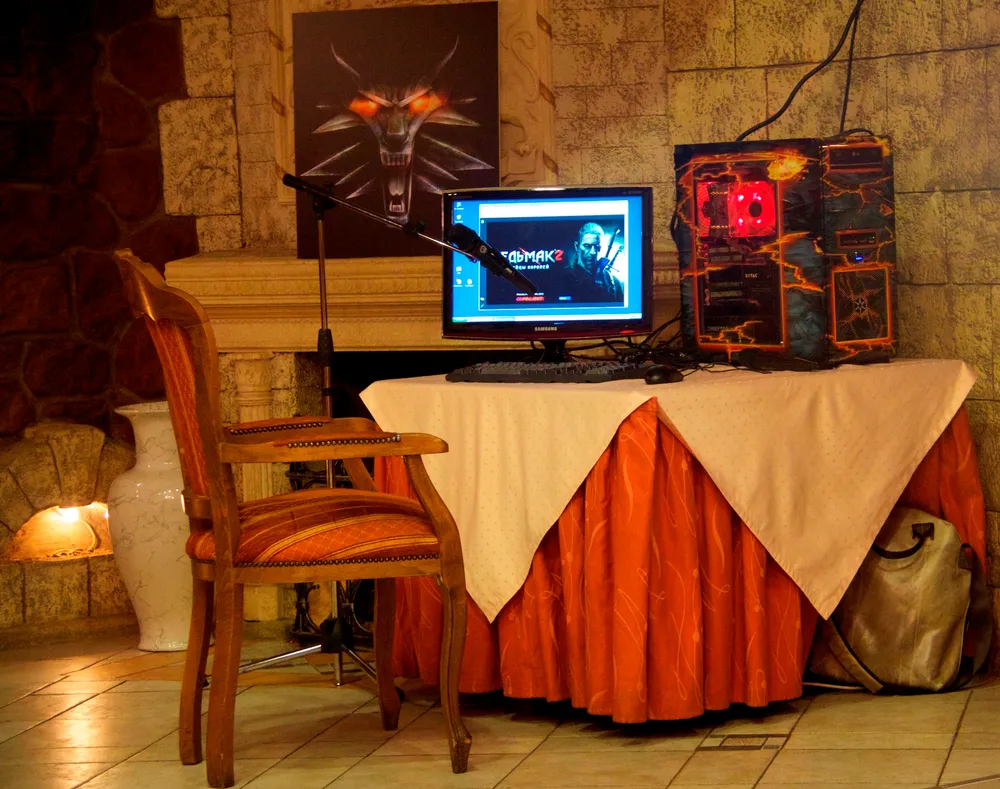
To the developers' credit, they fully understand the danger of spoilers in The Witcher 2 and show just enough to be able to tell something about the game on one hand, while on the other hand, every new video raises the desire to play even more. There’s nothing left but to get ready the saves from the first part (if you haven’t completed it – hurry up!) and mark the days on the calendar. There are now less than a hundred left...
Text – AQuaRity
Photos – Cannoneer
Especially for GAMER.ru!