
Easter eggs and secrets in Bioshock Infinite
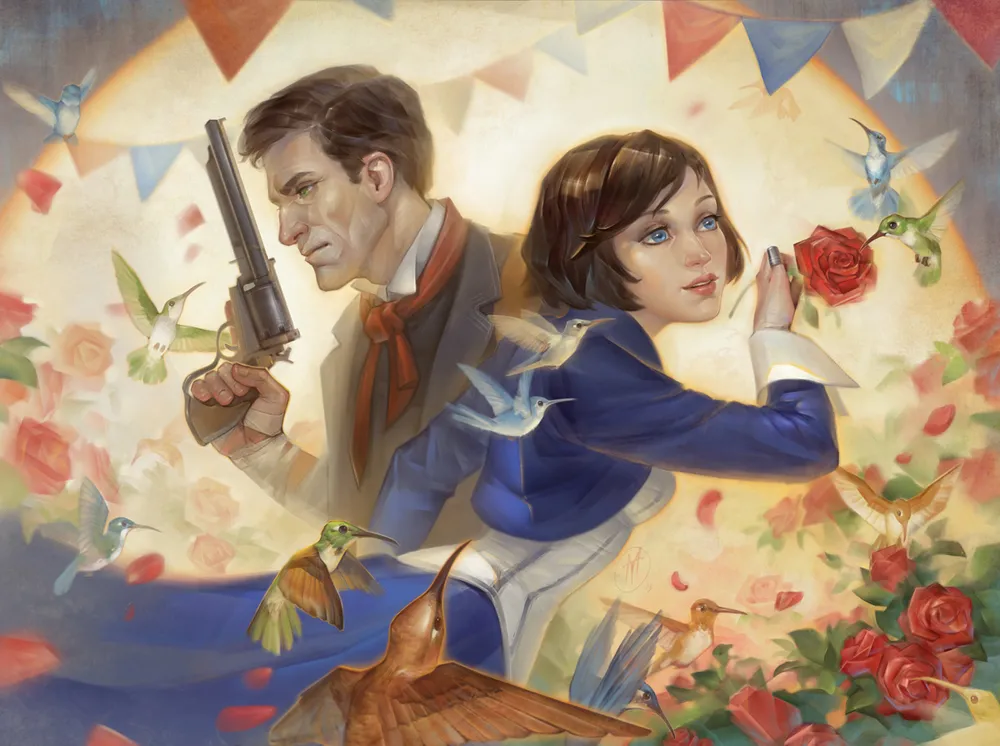
What can I say, Easter eggs have always stirred the minds of gamers, as it's always nice to find something that, in theory, you weren't supposed to discover. For developers, it's a joy to hide various references to everything imaginable in the game.
[Bioshock infinite](/games?search=Bioshock infinite) is no exception to this, just like the previous games in the series (I still remember the Schrödinger's cat from the first Bioshock). Moreover, the Easter eggs in the game are quite something: it won't just be limited to banal graffiti on graves (though, graffiti does have its place).
And yes, this paragraph is bold so you can see the warning that this post contains a lot of spoilers. Where would we be without them?
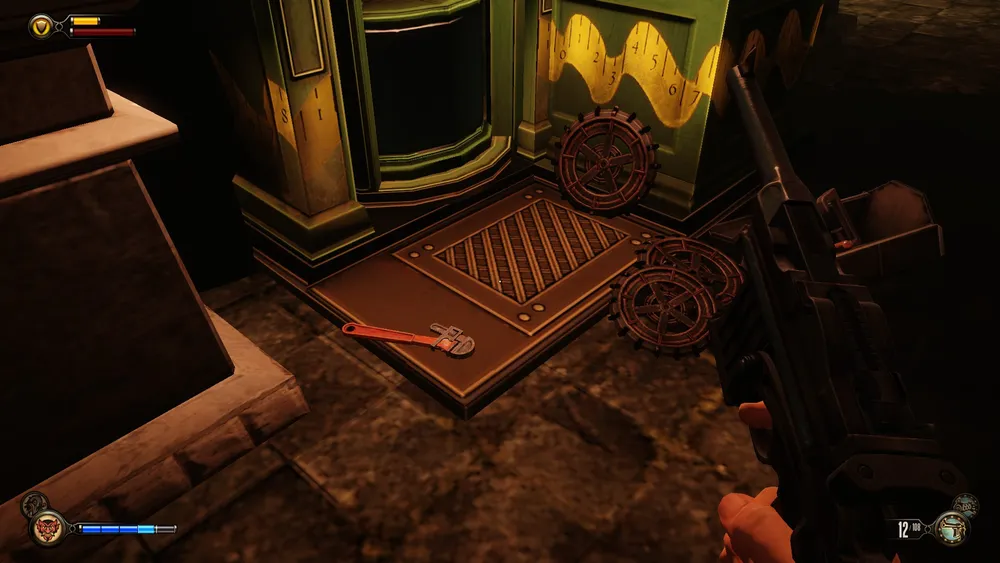
- After all, everyone remembers the memorable wrench from the first Bioshock, right? It's certainly not as brutal as the drill from the second part or the Skyhook from the third, but it has its place in the game. The first time you meet your old battle buddy is after receiving the vigor with the crows: he will be lying next to a broken vending machine.
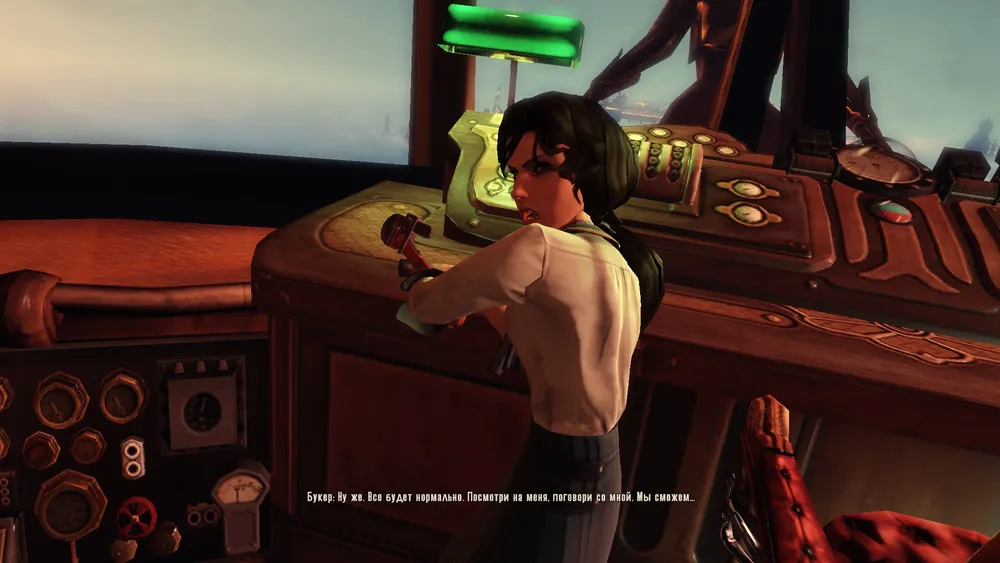
Your second encounter with the wrench will be more memorable: Elizabeth will give you quite a whack after she learns you have no intention of taking her to Paris.
- Did you find the stroller with the gun in it from the first Bioshock cute? Then you'll definitely like the stroller with ammo that you can find in the Lincon Harbor, right after you get on it and pass through the first hall.
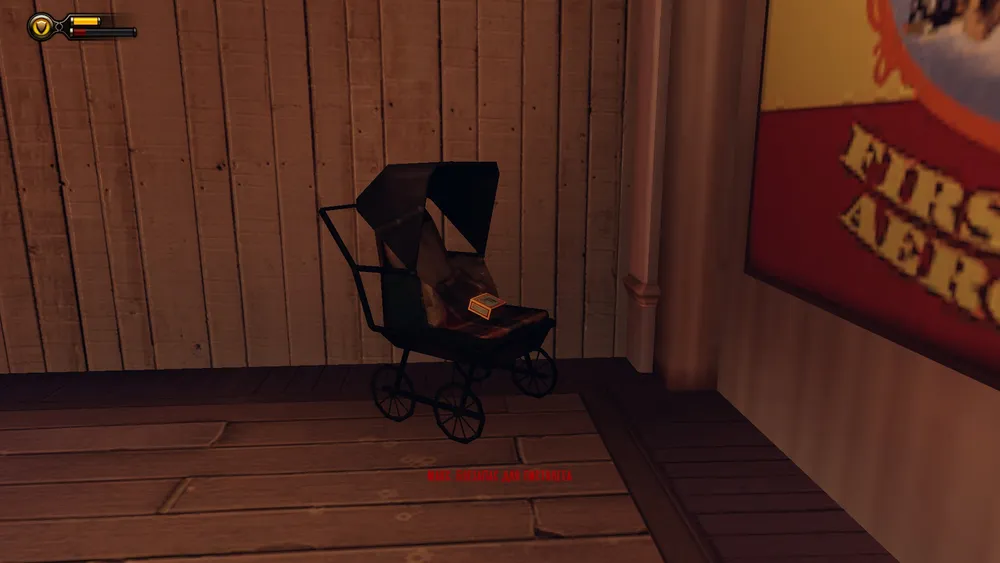
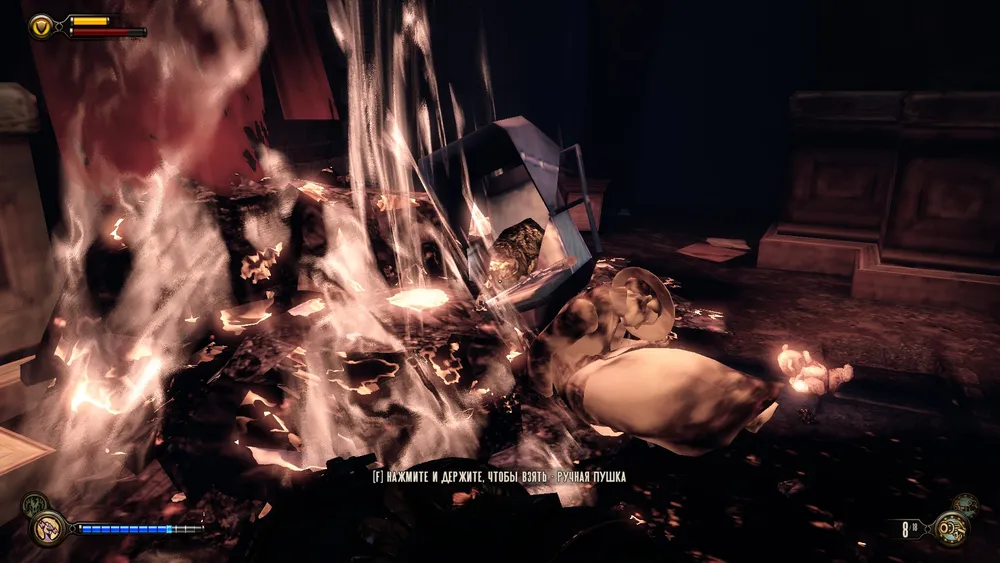
There are actually two strollers now: another one, this time with a hand cannon inside, is waiting for you in Emporia, in the burning building between the Gardens of Memory and the Market.
- After Elizabeth asks you for advice on which pendant would suit her better, you will find yourself in the gaming room of the Lutece twins. Elizabeth will complain that the last game in the Lutece series has been delayed three times – here [Bioshock Infinite](/games?search=Bioshock Infinite) refers to itself, as the game indeed was postponed three times.
- You probably don’t even know who Saltonstale is, but early in development, this old man played a significant role in the plot, acting as a substitute for Dr. Steinman from the first Bioshock, since he was just as insane and, like Steinman, appeared at the very beginning of the game. In the end, he was cut from the game, along with his partner Charles.
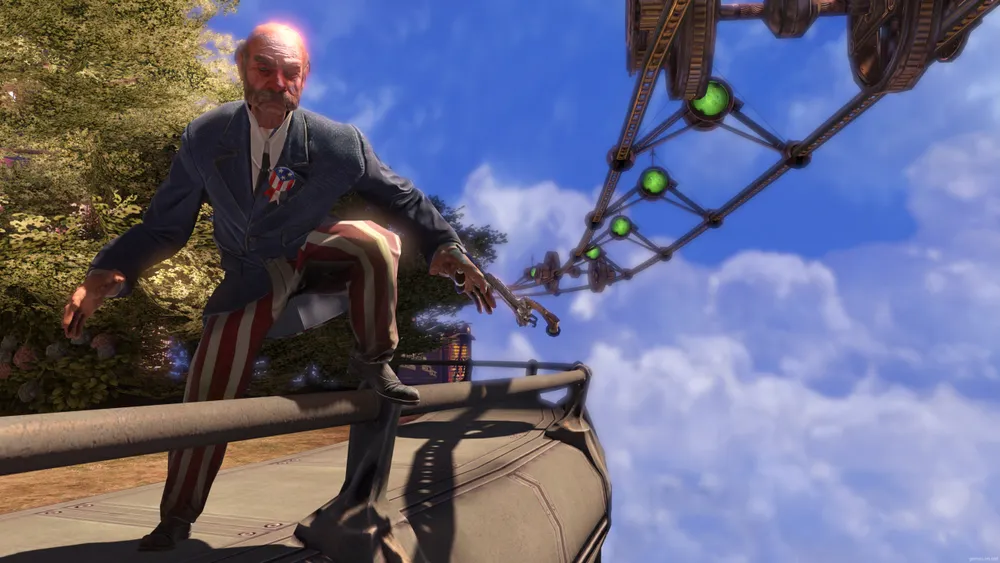
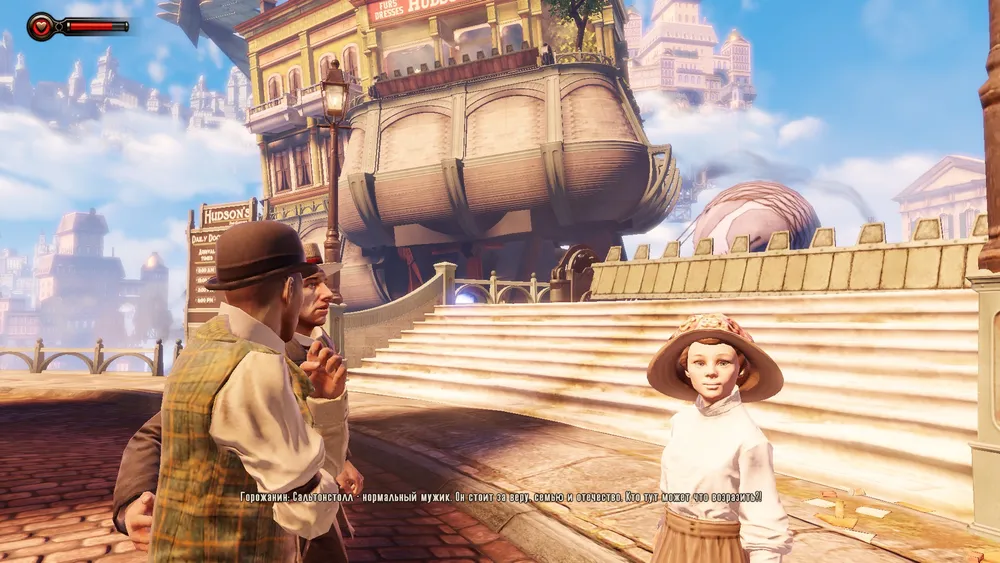
But Saltonstale still has a place in the game: references to him can be heard from the citizens of Columbia in the New Eden Square (right after your arrival), and after the "Voice of the People" takes up the revolution, you can find a board with scalped heads, among which are a few strands of Saltonstale's hair.

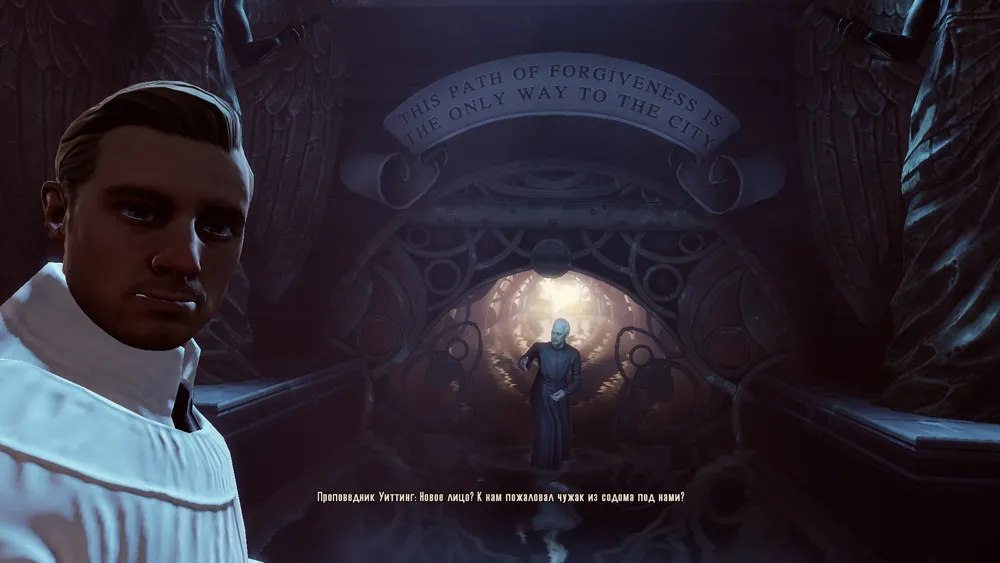
- Remember how the first bloodthirsty Splicer greeted you in Rapture? "Is it someone new?" he asked. These same words greet us from a priest in Columbia.
- The main character's last name, DeWitt, is borrowed from the American theoretical physicist Bryce DeWitt, whose scientific inquiries resonate significantly with the entire action unfolding in the game (the theme of parallel worlds, in particular).

- Another interesting feature of the last name DeWitt: it literally translates from French as "From Eight" ("De" means "from," and "Witt" sounds like "huit," which means "eight"). An inverted eight, in turn, becomes the symbol of infinity (Infinite). So, one could interpret Booker's last name as "From Infinity".

- The only door in the game that is locked with a code can be opened with code 0451 – a code used by developers from Looking Glass Studios (the authors of [System Shock](/games?search=System Shock) and Thief). The code itself references "Fahrenheit 451," a book by Ray Bradbury. 0451 is the first code in computer games (it first appeared in [System Shock](/games?search=System Shock)), which is why it is commonly used ruthlessly in many games ([Deus Ex: Human Revolution](/games?search=Deus Ex: Human Revolution), Dishonored, Bioshock).
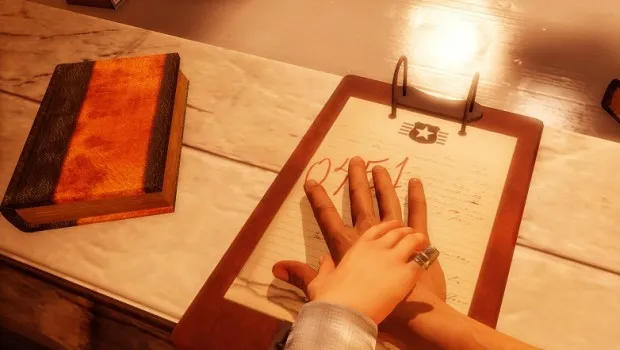
- Not only the code 0451 references a famous science fiction book, but also the future New York we find ourselves in. The year of Columbia's assault on New York is 1984. George Orwell's novel was titled "1984".
- Behind the first tear that Elizabeth opens (even when she was in the tower), you can glimpse a cinema, with a poster announcing that the current screens are showing the sixth episode of "Star Wars".
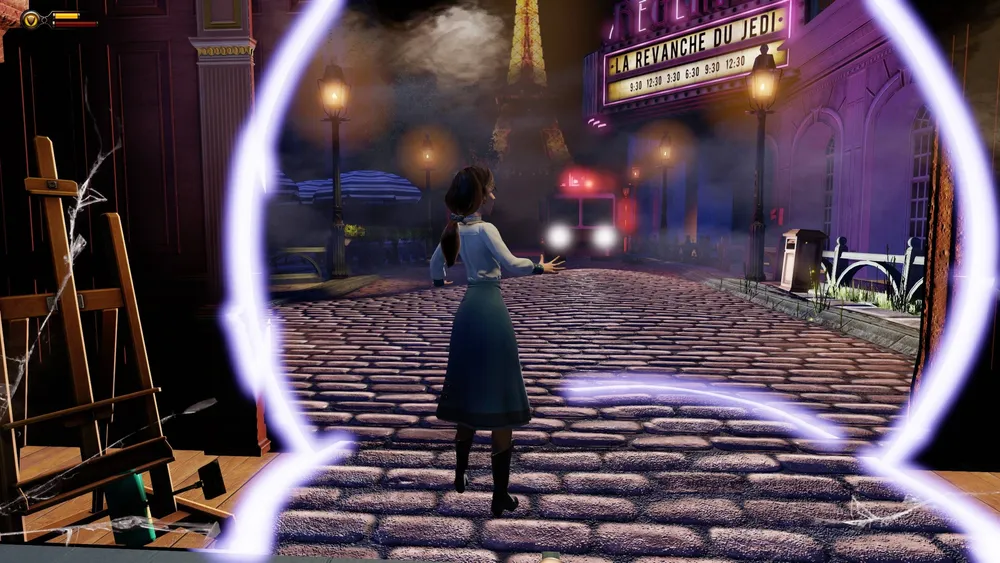
After this scene, Booker will say: This job is getting worse all the time, which is also a reference to "Star Wars," but this time to the fifth episode, where Lando Calrissian says a similar line: This deal is getting worse all the time.
- At the beginning of the game, you can hear a woman asking a man not to compare her to the heroine of the book "I Married A Vox Populi," which is a reference to the 1949 book "I Married A Communist."

- Essentially, the replicated Easter egg with Rapture in [Bioshock Infinite](/games?search=Bioshock Infinite). It's pretty straightforward: Elizabeth transports us there through the plot, to kill the Songbird. BUT pay attention to the background: A Little Sister is sorrowfully leaning over the dying Big Daddy. At this very moment, Elizabeth mourns her old guardian. This scene hints at the resemblance of the relationships between Elizabeth\Little Sisters and Songbird\Big Daddies.
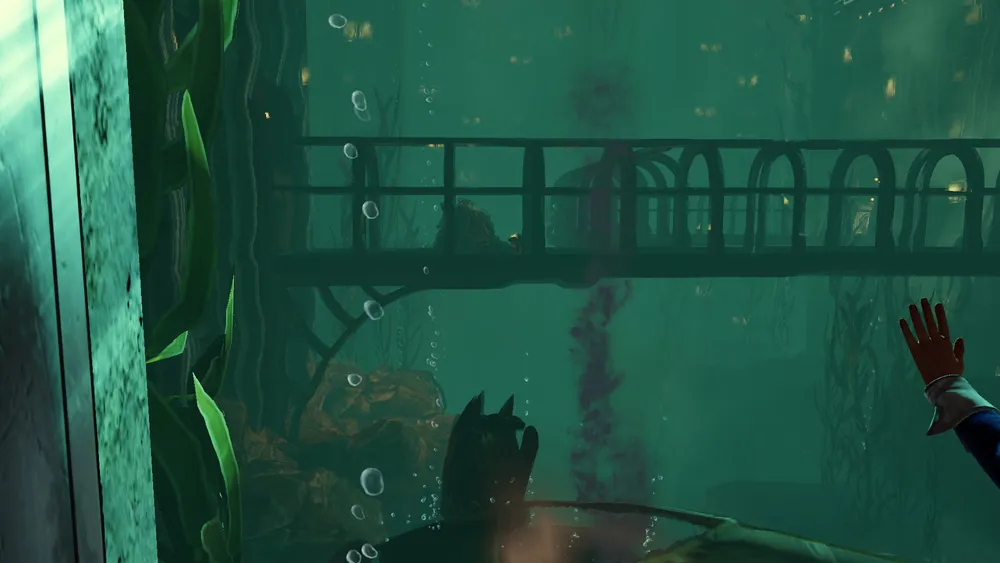
- You probably didn't expect that even in the original Bioshock, which came out back in 2007, there is a real reference to [Bioshock Infinite](/games?search=Bioshock Infinite), released in 2013. Watch the video and carefully follow the soundscape.
[player]2963[/player]
Did you hear that? The cry of the Songbird, brought here by Elizabeth and dying in agony at the bottom of the ocean. That's when it's time to be surprised. It turns out that while you were dealing with Fitzpatrick in the Fort Frolic, somewhere in Rapture, Elizabeth was killing the Songbird and saving Booker. Therefore, even though the plots of the two games do not intersect, they closely touch each other.
One might fairly question whether Levine truly conceived the entire story with Columbia, Elizabeth, and the Songbird back during the creation of the first Bioshock, or if he simply cut sounds from the first game and inserted them into the latter. Most likely, the second version is closer to the truth, as, as the folks from the internet figured out, the sounds of the Songbird can be heard not only at the moment of Fitzpatrick's death, but also afterward, and, in fact, throughout the entire location, which means the songbird's cry was merely a creepy auditory accompaniment in Fort Frolic.
- An interesting Easter egg is also linked to the soundtrack of [Bioshock Infinite](/games?search=Bioshock Infinite). In fact, in certain locations, songs performed by Elizabeth play, but you won’t hear them in the usual way.
To hear them, you only need to speed up the game by 10 times. To understand what I’m talking about, watch the video below.
[player]2964[/player]
Interestingly, if you speed the game up by eight times, then Booker will start singing, and the lyrics spoiler the ending of the game:
"Time for me to drown
Time will finally catch up to me
To relive"
An approximate unprofessional translation: "It's time for me to drown, in order to be reborn."
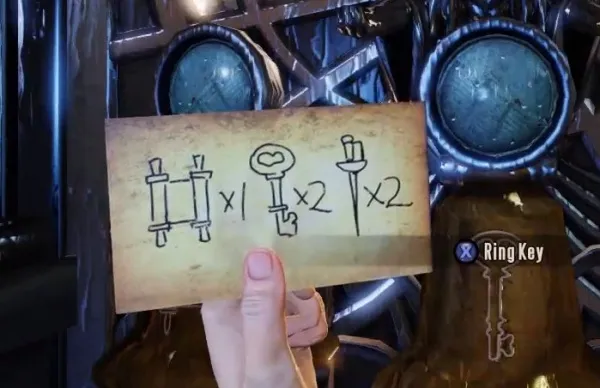
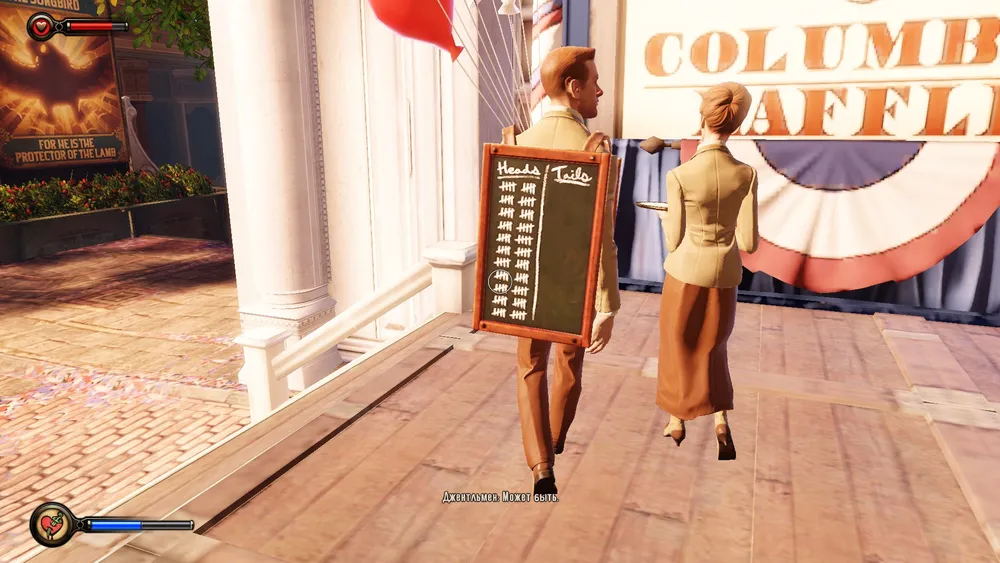
- Most likely, Booker attempted to save Elizabeth 122 times, but all of these attempts ended in disaster, and the 123rd visit of DeWitt to Columbia is the main action of the game.
This conclusion can be reached by recalling the bell codes at the entrance to Columbia (1-2-2) and counting the notches on the board of the Lutece twins when they offer you to toss a coin.
- If you try to shoot Rosalind Lutece, she will mock you, saying you missed. It will end with her summarizing with the unhelpful phrase: "I can continue this forever. The question is, can you continue?"
- Obviously, Booker is an analogous version of Jack\Ryan in a parallel universe, but he may also be a distant relative of Ryan, as the only ones who can activate the bathyspheres are either Ryan himself or his relatives. As we see, Booker can activate the bathysphere with ease.
- At the beginning of the game, at the fair, a set of four "Wild Mustangs" is being sold, which is a reference to the early E3 version of the game, in which it was planned that Vigors would be used only once, like grenades in your shooter games.
- The "1999" mode can be unlocked either after completing the game or after using the famous "Konami code" in the main menu. This code is quite famous: it has appeared in countless games (like in DLC Quest, for example).

- The game features quite a few covers of relatively modern songs (how they ended up in Columbia – read here). There are covers of Girls Just Wanna Have Fun, Tainted Love by Soft Cell (not Manson), and Fortunate Son by Creedence Clearwater Revival performed by a lonely African American woman.
You can hear most of the covers in this video, but that's far from all, as there are actually more—believe me.
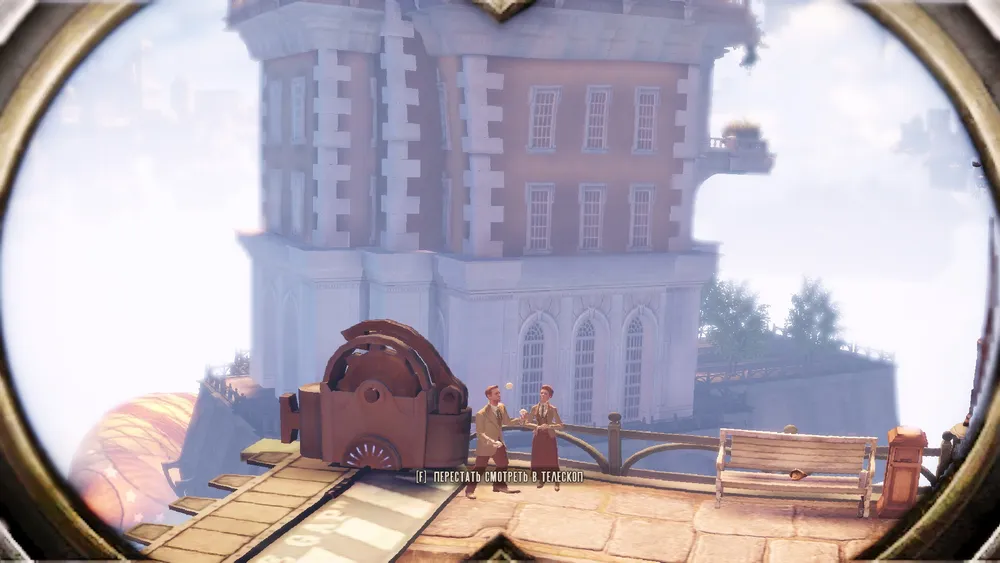
- After receiving a telegram from the Lutece twins, look through the telescope positioned slightly to the left. You can see Robert juggling and Rosalind watching him.
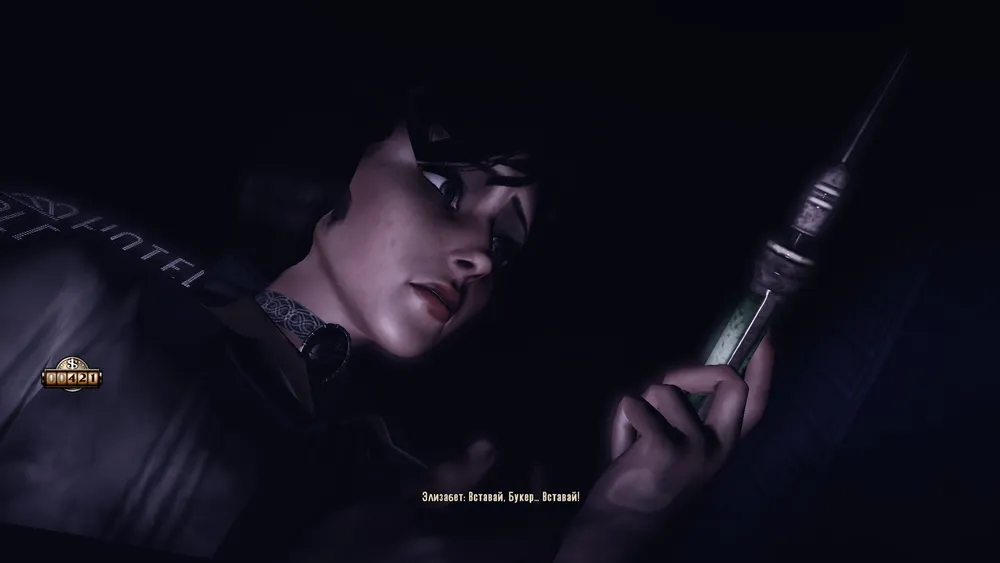
- When resurrecting Booker, Elizabeth uses a syringe similar to those used by Little Sisters in Rapture.
- In the "Hall of Heroes," there hangs a map that strongly resembles the map of Disneyland.

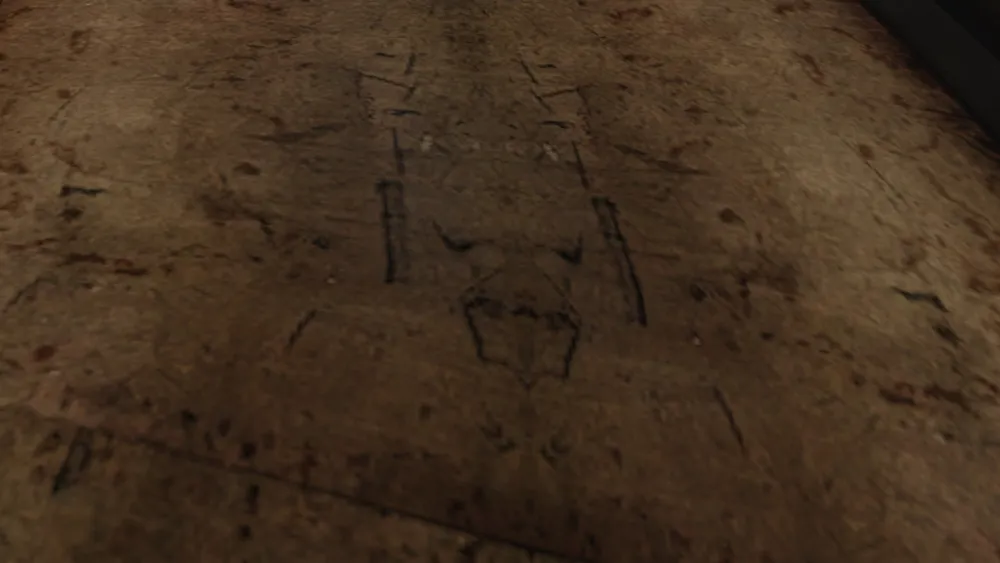
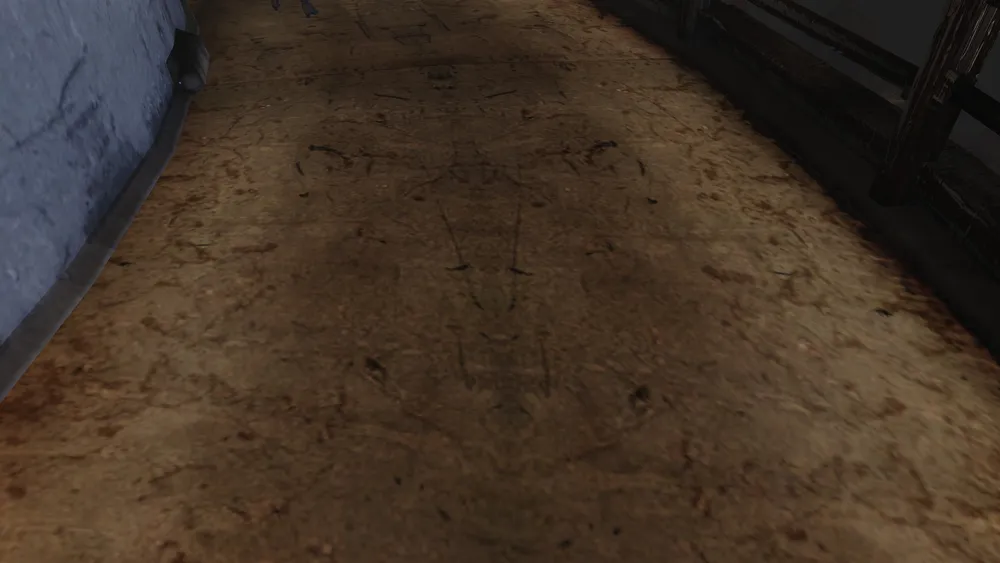
- On the asphalt in front of the Lighthouse at the end of the game, there are gaudy drawings of animals.
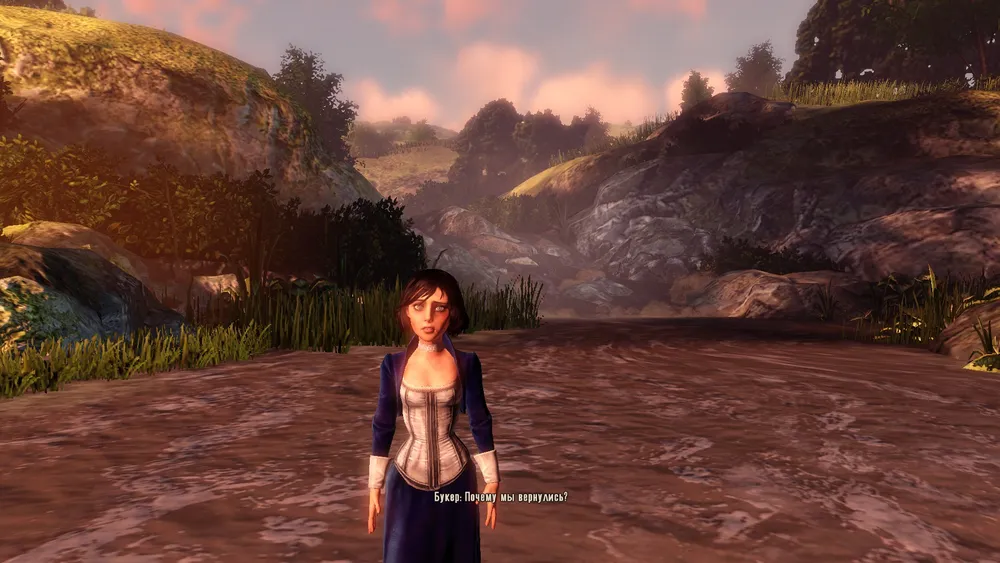
- Elizabeth's story resonates significantly with the tale of Rapunzel: both were kidnapped from their real parents as a payment for debts and both were kept in a tower for 20 years.
- In the end, when many versions of Elizabeth drown Booker, you can notice that the central Elizabeth lacks the pendant with the cage\bird. Possibly, the Elizabeth in the center is not the real Elizabeth at all, and Booker seems to understand this too, as he resists her actions, and before this, in the boat, Elizabeth had a pendant, opposite to the one you selected...
Let’s unravel another talekle.

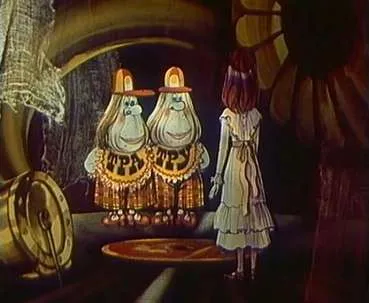
- The Lutece twins bear a striking resemblance to the twin brothers Trololo and Trotolo from "Alice in Wonderland."
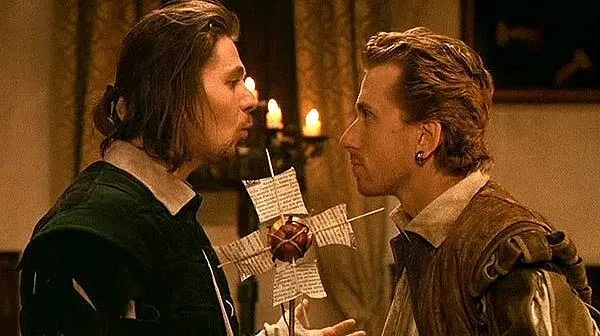
Additionally, the twins share a lot in common with Rosencrantz and Guildenstern from the play "Rosencrantz and Guildenstern are Dead" (a game with logic and words, with a coin that lands heads up).
- Lutèce is a word derived from the French Lutetia. Lutetia was an ancient Roman city, on the site of which, you will be surprised to learn, is now Paris.
- Zachary Comstock has a lot in common with Anthony Comstock, a 19th-century American politician. They share many similarities: both are fanatical and both use rather brutal methods of governance.

- Almost all of Fink's inventions have an equivalent in Rapture: plasmids – vigors, Big Daddy – Songbird, EVE – Salts, and much more. This is due to the fact that Fink was simply copying Rapture's technology while observing its life through tears.
- Lady Comstock's appearance is borrowed from Alice Roosevelt Longworth.

- The sounds emitted by the ghost of Lady Comstock are a distorted version of Lacrimosa by Mozart, which is part of Mozart's Requiem. This same composition plays in Lady Comstock's room in the "Hall of Heroes" and in the tomb where she is buried.
- If you remain standing with the Lutece twins after they offer you to toss a coin, Rosalind will advise you to leave them, and when you do not comply, she will say that she will repeat this phrase until you leave. And yes, she will indeed start to repeat it.
