Wolfenstein - is it bad? A review especially for Gamer.ru
The game has only been out for a few days, and it has already been branded with all sorts of names. It's been called a clone of **Call of Duty**, and accused of stealing ideas from **Prey** and **Hitman: Blood Money** (though I don't quite understand how). Some have accused it of monotony and lack of innovations. I'm really glad I didn't write a review in the first days after the release. Against the backdrop of the numerous attacks on the game, I feel doubly compelled to show what it is really like, rather than how it appears to schoolchildren, amateur reviewers, and other unqualified critics.
Let's gather all the most popular complaints about the game. So, many expected a remake (whatever that means). I've heard claims that the game is copied from **Call of Duty** — because of the fascists. The third complaint is the weapon upgrade system, which feels somewhat out of place. Oh yes, the fourth complaint is the running around identical "copied and pasted" houses in search of useless treasures and documents. Finally, the fifth complaint is about the "graphics being terrible"; not a quote, but the essence of the complaint is clear as far as I can tell.
Interestingly, the gameplay or atmosphere are not mentioned in these complaints. They seem to be overlooked altogether, and some even attempt to clumsily throw tomatoes at the dumb allies who don't assist the player...
Let's not get petty — the review question just sounds… or rather, looks. Here it is:
Not Call of Duty
The introductory video immediately shows that Wolfenstein is little like **Call of Duty**. As far as I remember, in none of the series of that game did the main character possess magical abilities and amulets of monstrous power. It’s foolish to call the developers thieves because of the fascists — they were in Wolfenstein back in 1981. In other words, you could equally chop the hands off a history book — it also depicts wars with Germans.
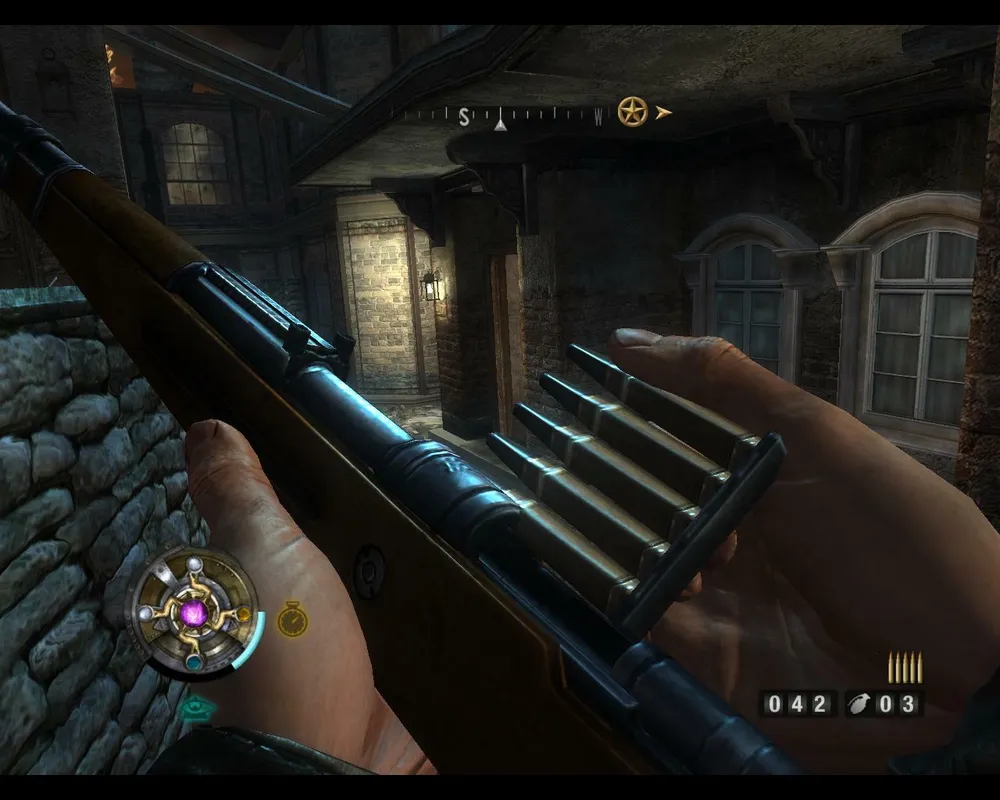
And what’s wrong with the graphics?
The video shows the ship Tirpitz, where agent Blazkowicz finds a medallion that turns out to be imbued with unprecedented power. It saves the dashing spy's life, and then the energy from the magic trinket dissolves the Germans in seconds. However, B.J. isn't very surprised — behind him is "Return to Castle," where he has dealt with some representatives of the Tullies, fought zombies, exterminated mutants, and blasted King Heinrich I.
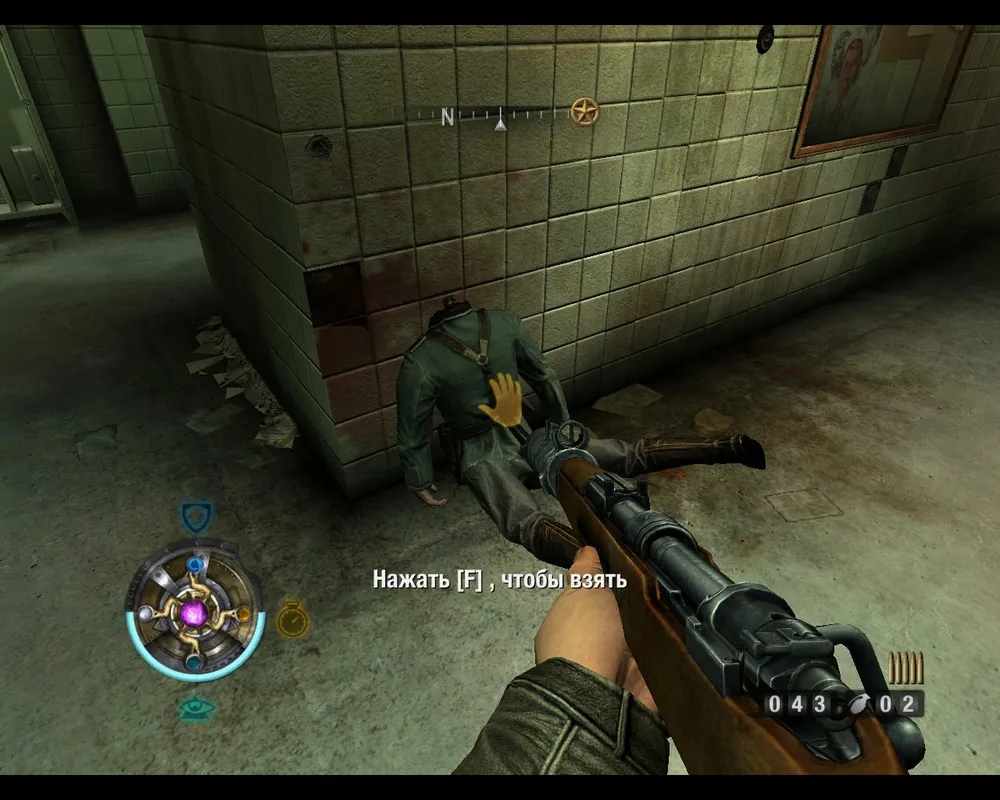
The German soldier is comfortably settled and resting
Upon his return, the medallion is taken for research, and Blazkowicz is tasked with figuring out what’s going on in Eisenstadt. They say Himmler has stirred his occult dealings. So who else can handle such a delicate task? Of course, our army man B.J. Blazkowicz.
It all starts quite standardly — the Germans set an ambush at the train station, and we are trying to break through with a fight. The rebels help as much as they can, then some special wagon explodes, and everything around becomes weightless... a several-ton train floats in the air, soldiers tumble around helplessly shooting in all directions, some greenish-blue substance covers the floor...
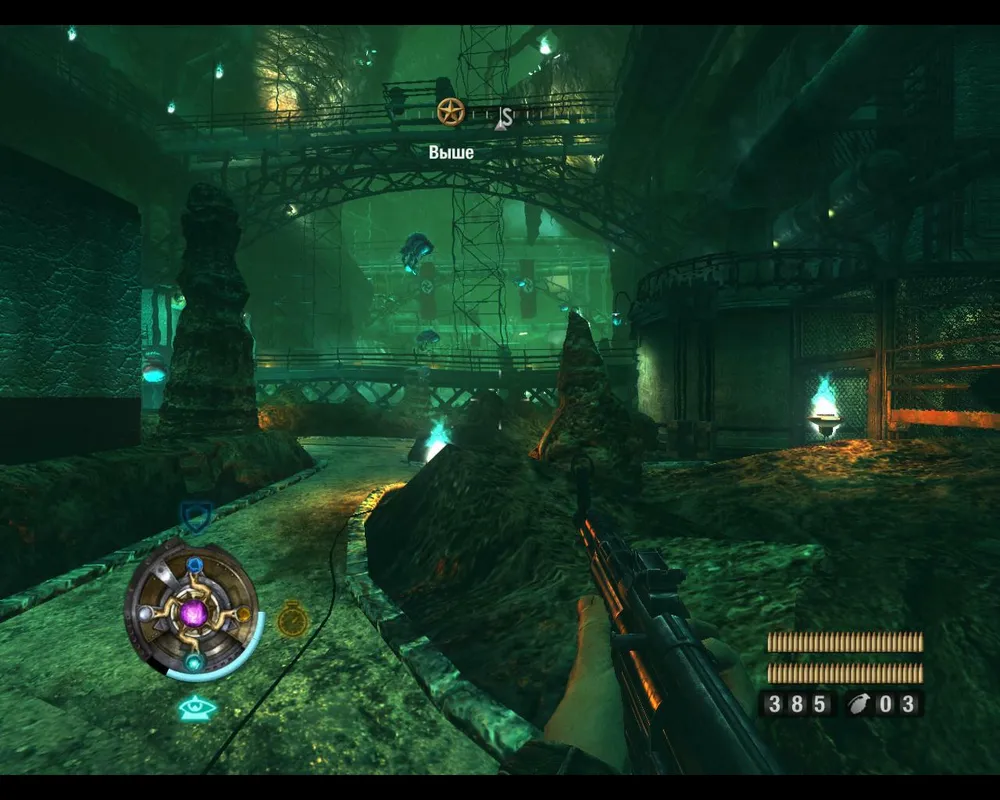
If you still see similarities with **Call of Duty**, then you can stop reading — there will be even more, because all the weapons are German. And they were in [Call of Duty](http://www.gamer.ru/games/54-call-of-duty-world-at-war)!****
Sandbox
After the ambush at the train station, we find ourselves in the historical center of Eisenstadt. It's covered by war, so most civilians have fled far away. Only arms smugglers and various types of insurgents remain. And also a whole crowd of Germans who patrol the city as best they can, trying to guard secret objects of special importance — Tully artifacts and other power spots.
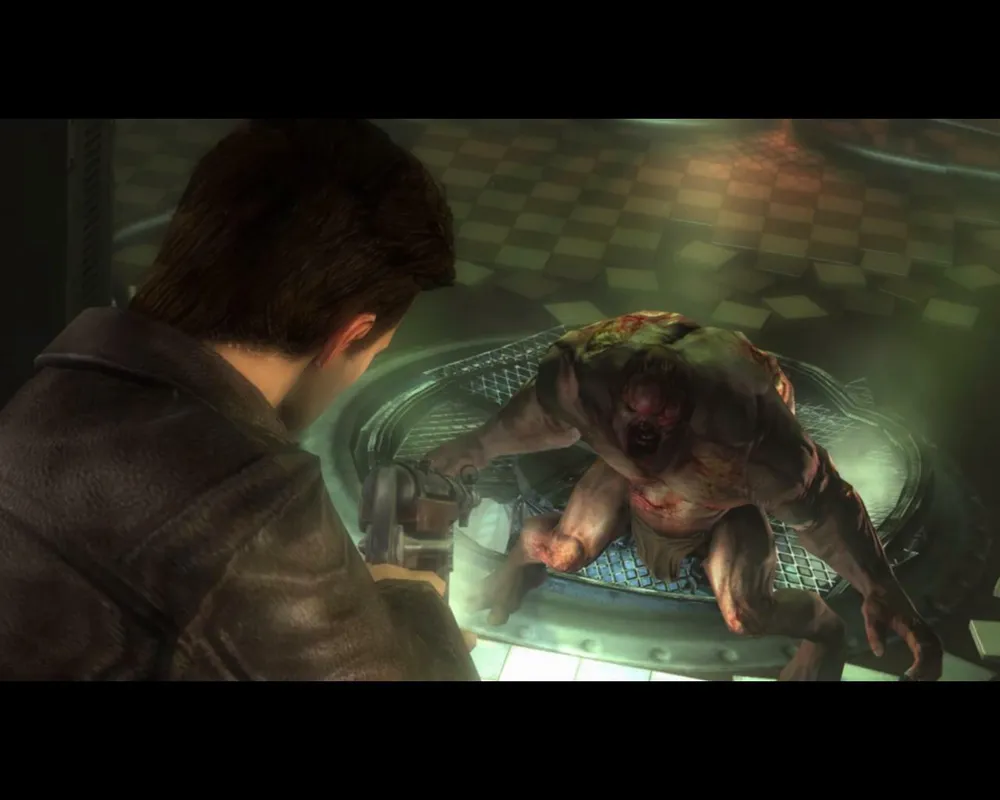
McDonald's!
Unlike the usual chain of missions typical for shooters, we have some freedom of will. You can stroll through Eisenstadt while collecting gold, data, and power tomes. Sometimes you can take on side missions to earn money for weapon upgrades (the gold automatically turns into money, by the way). The scattered secrets do give off a console feeling, but if you think a bit wider, it's clear — this is a tribute to past games. The hidden treasures (that is, Nazi gold) had to be sought even in the very first game. And especially the developers deserve praise for the data — in the folders and briefcases scattered throughout the game, you can find many texts that enrich the story, and the concept art looks like blueprints, which also contributes significantly to the atmosphere.
Free Roam mode is indeed a very popular feature. The entire Prototype was built on it, GTA has long used this model, and there were also NFS and even in Call of Juarez: Bounded in Blood you could shoot bad guys and rob caravans between story missions.
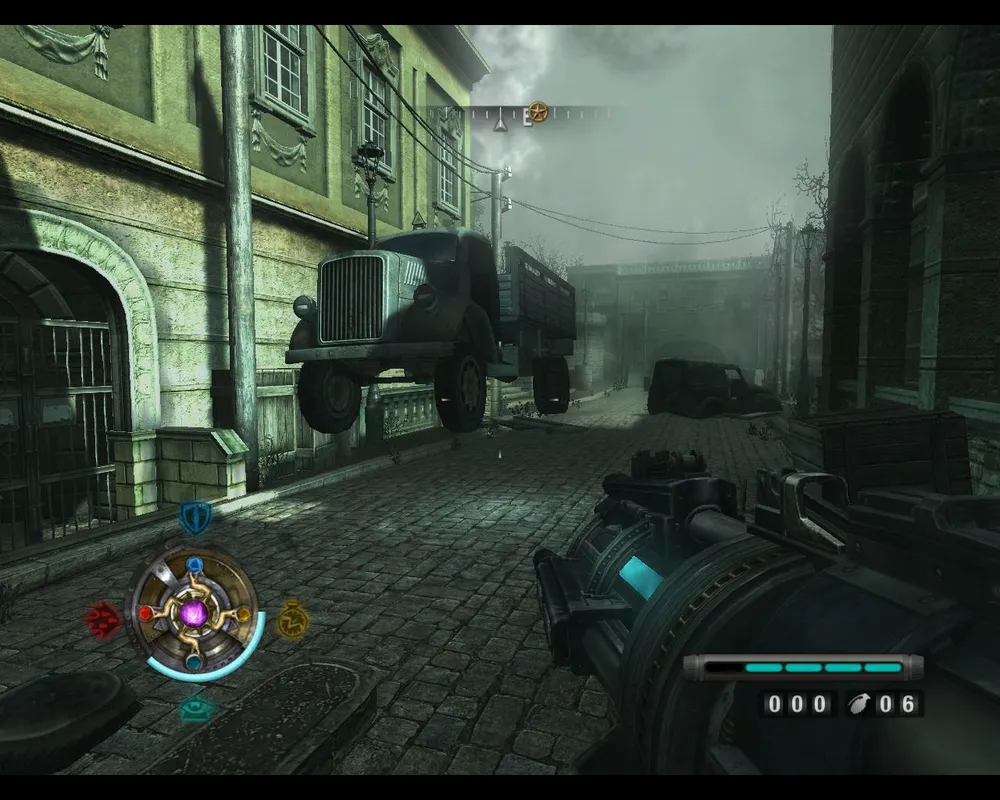
Imagine a narrow path in a dark forest. You walk along it, stepping over puddles, avoiding stumps, but you don't turn anywhere. On the sides is dense thicket, and your goal is on the other side of the forest. You head towards it, knowing full well that you won't turn aside. A free city — it’s like the edge of the path. Here you can stop, run around a lot, and visit other parts of the woods where different trees grow. Our goal will still be in the same place, but the journey won't be so boring. Therefore, this bit of freedom (especially in a shooter) is a blessing that freshens up classic story missions (this is a fact, no matter how much sarcasm is put into it in other reviews).
"Should the player enjoy rummaging through houses?" — that's their business. The game can be finished quickly without paying attention to anything else.
Super-Soldier
So what does old B.J. do? He, like almost twenty years ago, kills Germans. And in such quantities that Lieutenant Aldo Raine would definitely want him in his squad of "Inglourious Basterds" (that's from Tarantino's film "Inglourious Basterds," your Cap).
German soldiers are not distinguished by any special military skill. They are dumb — they love to hide, but in a way that at least half their heads stick out. The fight with them usually goes like this. We rush out onto some street, see a patrol. While the Nazis try to orient themselves, we give a burst from the MP-40, two drop dead, and the rest hide. They alternately pop out and shoot in all directions. We throw a couple of grenades, aim — that's it, the way is clear.
Ordinary soldiers, like in previous games, pose almost no threat, being there only for visual flair. The sound of gunfire and weapon animations are superbly designed, and hits and deaths are really worthy of a separate prize. The hordes of German soldiers appear and die only so the player can shoot, throw grenades, and hear their dying screams. A kind of visual routine.
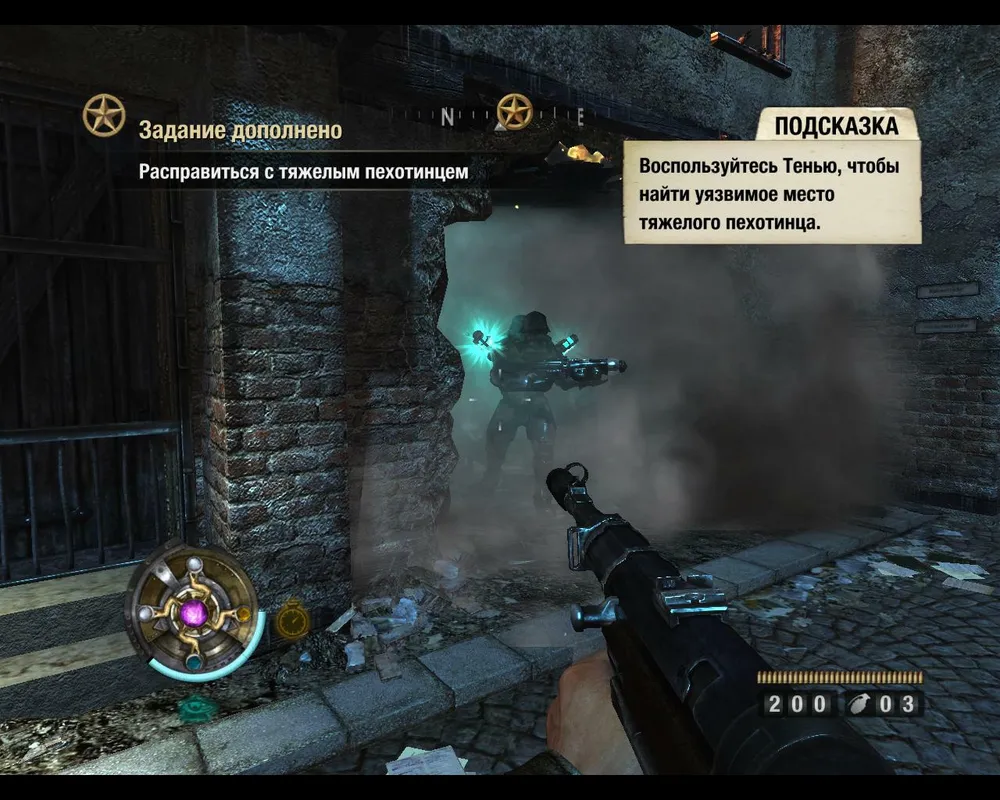
As the story progresses, various creations of German scientists appear. That’s how I encountered a heavy trooper. By accident. I was walking down a narrow street in Eisenstadt, looking for gold, and this brute crashed through the wall. He grunted and then pointed his weapon at me. A thin squeal rang out, and the barrel spewed forth a blue stream of energy. I pressed the trigger mouse button with all my might and ran (backwards, of course) to cover. By the time the third magazine was nearing its end, the beast still hadn’t died. The valiant soldier of the Führer moved towards me with the calmness of a concrete wall...
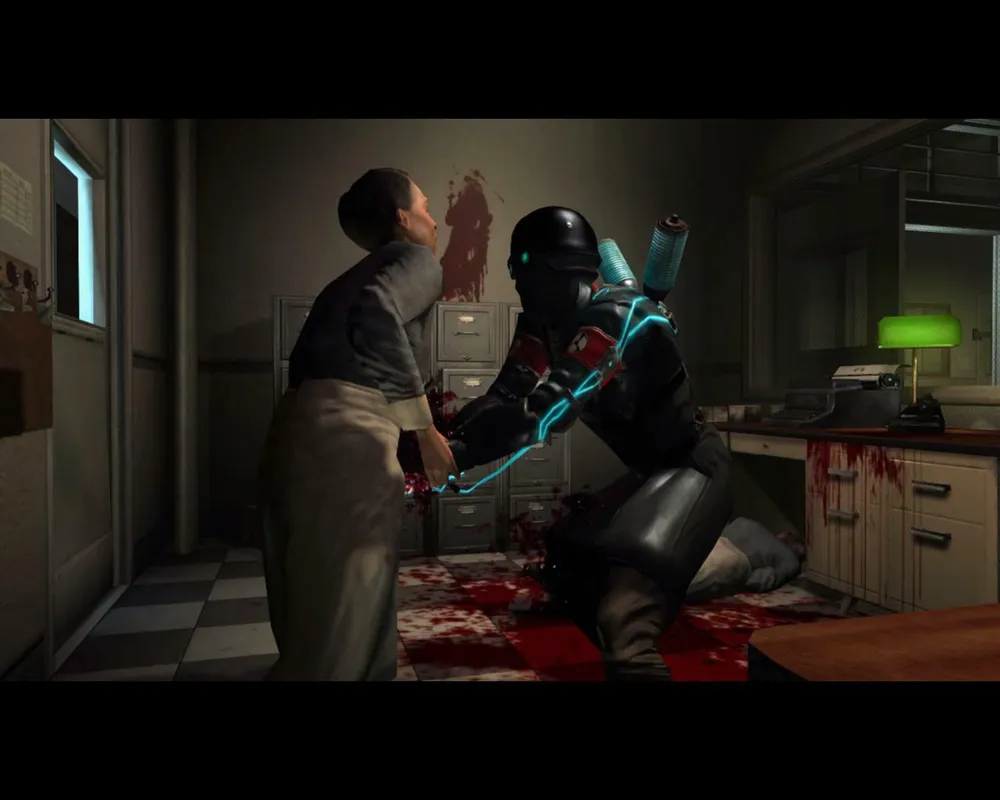
In one of the missions, I met an invisible enemy. As I learned from secret documents, German scientists experiment on people — embedding Tully crystals in their bodies. As a result, the victims gain inhuman abilities. The transparent fellow, for instance, runs quickly and slices with some glowing knife, usually killing with one blow. He also emits horrible sounds, so one gets the feeling that this quick-footed trickster is always somewhere behind. Fear makes you nervously look back every second...
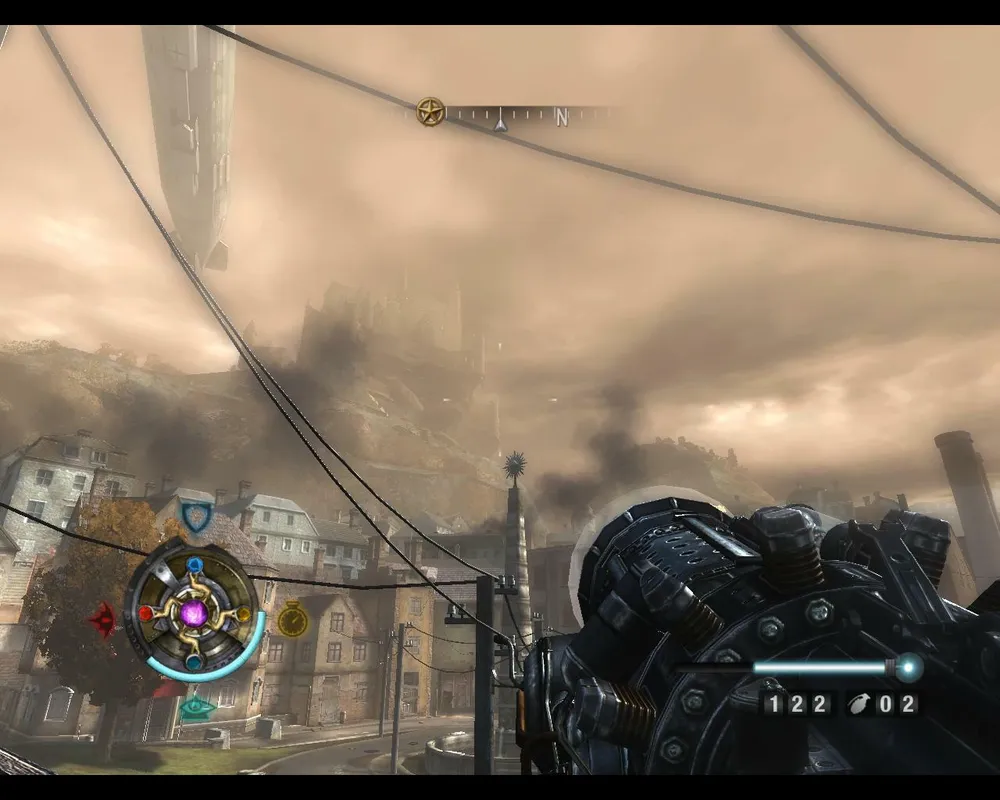
Here is the ordinary world. Not so gloomy after all...
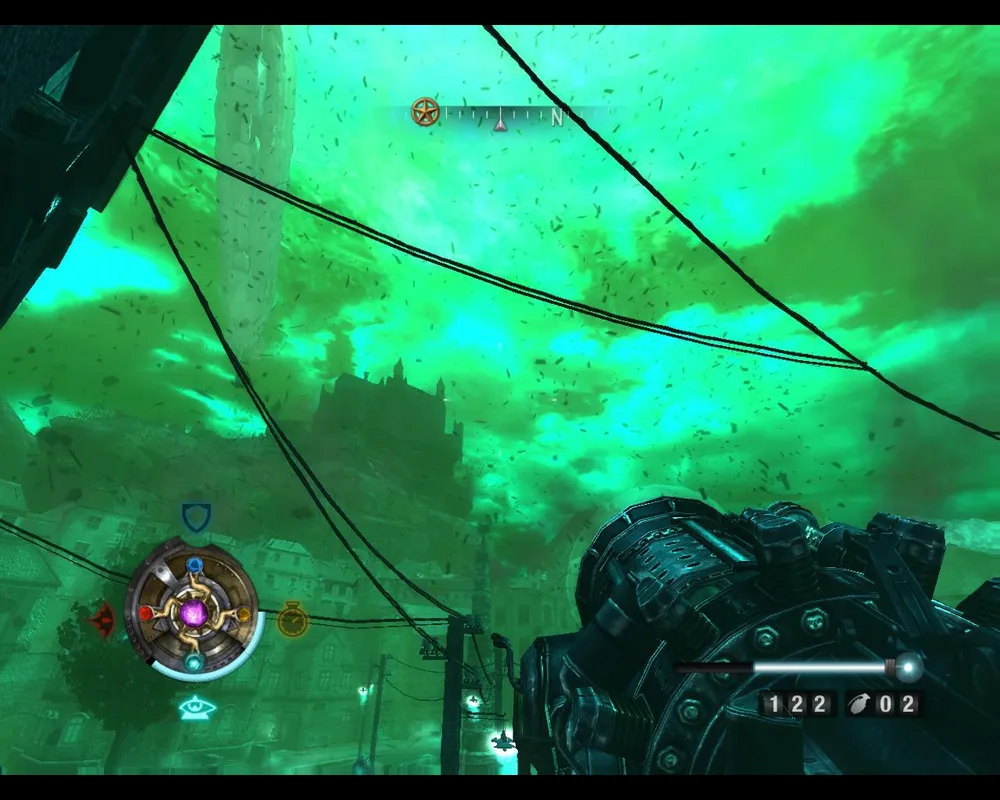
And this is a view from the Shadow. So, is there any difference?
An important role in all these battles is played by the medallion. The very first mode allows you to enter the Shadow world and see the light of the Black Sun. In this dimension, everything is different. Living people look like decomposing corpses, some winds constantly howl, some incomprehensible scraps fly into the sky, and light seems to pour in streams, ready to be drained away in the next moment. The shadow world is steeped in some kind of doom, hopelessness, and melancholy. It's no wonder the Tullies went extinct...
In this grim atmosphere, the battles with enemies are perceived differently — the worn-out Second World War contrasts sharply with the greenish-black Shadow world.
If you still think the game copies **Call of Duty**, then it's all. Medicine is powerless here. Or is it? Something made you read to this point.
Give us firepower!
Another branch of complaints is weapon improvement. Why, honestly, I never understood. Remember how many positive emotions we had in S.T.A.L.K.E.R.: Clear Sky, where we upgraded our favorite [whatever you had] and armor in the swamps? We found idiotic flash drives and then rushed to craftsmen for upgrades. Wasn’t it so? I’d bet my finger that the game received not devastating reviews largely due to this "discovery."
Why can stalkers upgrade their weapons, but B.J. can’t? It always felt to me that the classic concept with a fixed set of identical weapons was already so stale that wolfen.. one wants to howl. In Raven, apparently, thought something similar, therefore they provided a wonderful gameplay-expanding weapon upgrade system. For it, we complete story missions and seek gold, and then, with particular cynicism, deal with enemies.
Here's what our agent has in his arsenal.
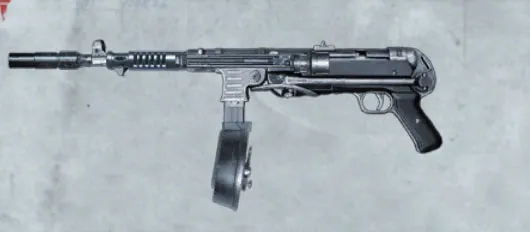
MP-40 submachine gun — pure classic. Initially a quite weak firearm turns into a deadly weapon (with investment). We double the magazine, put on a silencer (it sounds stylish), adapt it for a heavy caliber — regular Germans die from a couple of hits. The only pity is that you can’t carry more than 200 rounds on your back, and it's hard to hit distant targets. So sometimes you have to switch to...
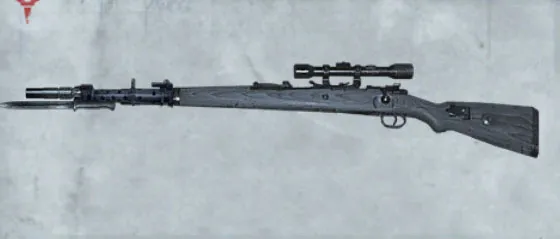
Kar-98 rifle — loud and slow in the factory version. We invest a bit of money — equip it with a stylish suppressor and scope. Now we can play as a sniper. Let's also fit a bayonet — there will be no problems in melee combat. I really like this rifle, as it tears off body parts. We aim, shoot — splat! A German has exploded into pieces. Legs on the left, arms on the right. Head and torso perfectly in the middle. Order must be maintained in everything!
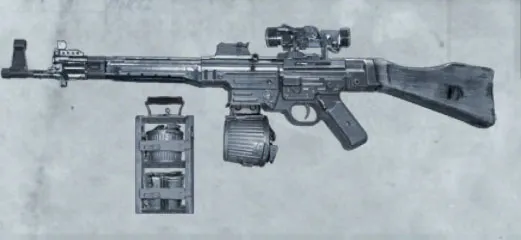
MP-43 — a 7.92x33 caliber assault rifle. It bangs loudly, and in the pouch, you can carry another 200 rounds (a total of 400). Fitted with a stabilizer and optical sight. Theoretically — a universal substitute for both MP-40 and Kar-98. Practically — no stylish suppressor.
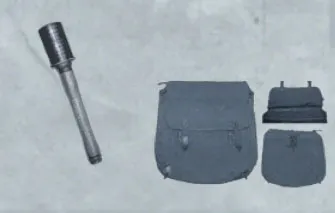
Mdl. 24 grenade — an ordinary grenade. It explodes.
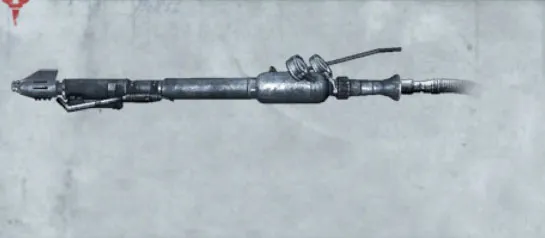
Flammenwerfer, or as we call it, a flamethrower — a tribute to RTCW, apparently. It appears in the game with flamethrower soldiers who are quite rare, so you can't really set fire to anything with this marvelous high-temperature piece — the fuel runs out quickly.

Panzerfaust — our favorite bazooka. In RTCW, it was the main means of combating bosses, and here its rockets can be made to be homing.
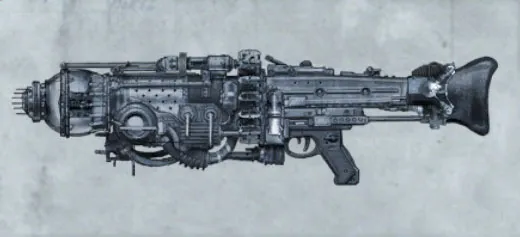
Photon gun — the first serious toy. It fires some particles that look like a blue beam. Upon contact with living matter, it vaporizes it. The heavy infantryman is armed with such nonsense. It's a very powerful and dangerous toy.
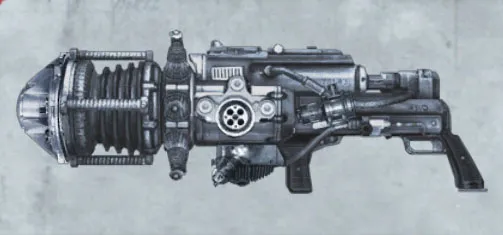
Tesla weapon — another greeting from RTCW. It shoots lightning that jump to the enemy. Sometimes it can "devour" a whole gang of enemies. The downside is that it only works at medium range, so any fascist with a rifle or a flyer is already a problem.
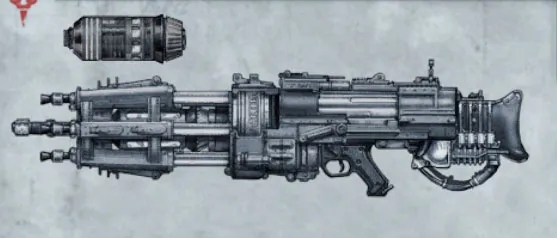
Leichenfaust 44 — a terrifying gun (bfg!), which launches balls of concentrated Shadow energy. They make a big boom. I won’t say anything more, it's a secret!
In addition to weapons, there are also magical properties of the amulet. There are four of them.
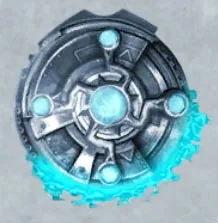
Shadow — the main power. It allows us to see the world differently. Enemies are highlighted, special doors and ladders appear. Besides, the character runs faster.
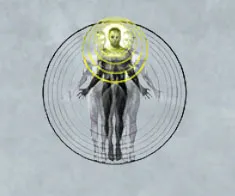
Slowdown — standard Slo-Mo. But it’s no less fun for that!
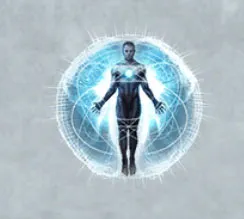
Shield — stops bullets and other harmful effects. Impudent blows to the face are clearly considered a benefit, as the shield does not protect against them. Upgrading this power allows you to send bullets back (as in "District 9"!).

Enhancement — this ability ignites the weapon. It shoots more accurately and much more powerfully. The most useful thing in terms of spectacle — limbs fly off in a flash. If you upgrade it, you can start breaking through concrete walls with bullets. Very useful.
Remakes and Pink Breasts
Wolfenstein is not a remake. The first game was so long ago that making a remake out of it would be a disaster for the pocket. Those times when a first-person view was already two-thirds of the success have passed. Now out of all 60 levels of Wolf 3D, hardly one in a hundred players will make it through. It is evident that no one attempted to redo RTCW either. (I’m clarifying this in context of remakes).
Wolfenstein is a worthy successor to traditions. But why should it step in place and use exclusively ideas that are eight or eighteen years old?
The brief version of the review under a spoiler:
Literally in 15 minutes, watch a detailed video review from agrippa.
One small thing:
don’t forget to drop by our chat, read [here](http://www.gamer.ru/games/846-obo-vsem/posts/7132)