This world is cruel, yet beautiful. Game Review
Here I am, having completed The Witcher 2 for the second time, finally ready to share my impressions in more detail. And while many have already had the chance to experience the game, quite a few are awaiting version 2.0 to fully enjoy such an engaging sequel.
[cut]
Graphics and Voice Acting
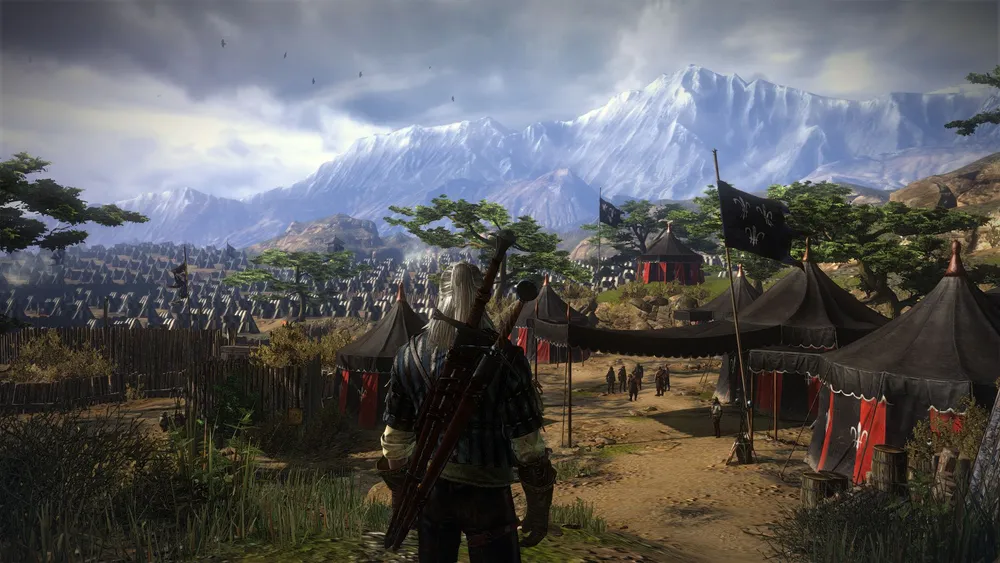
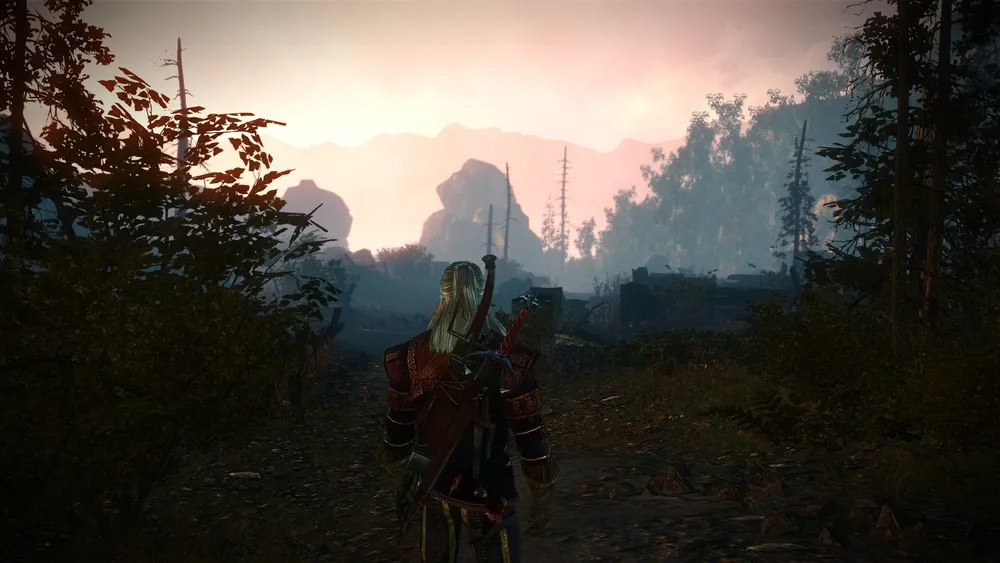
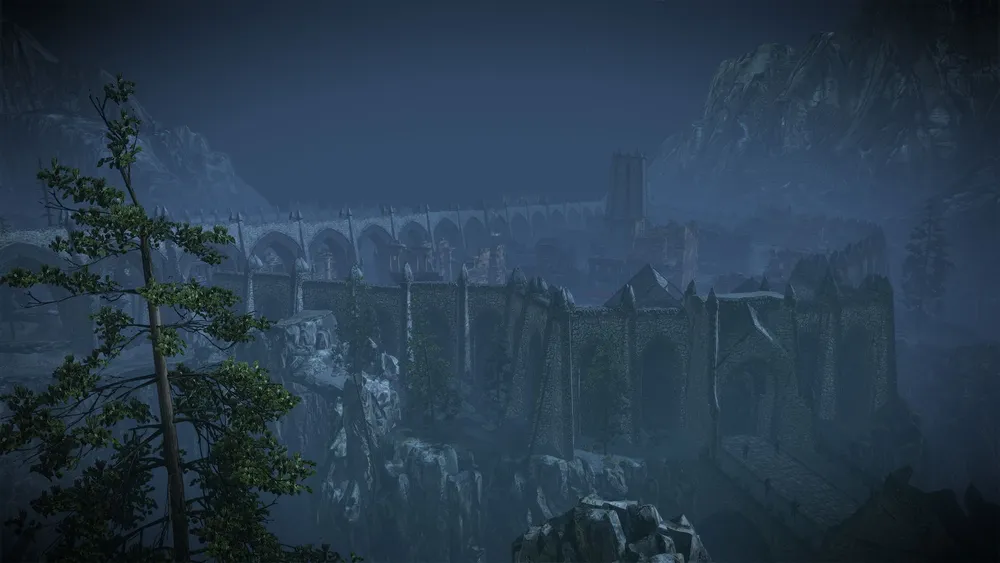
Honestly, games like this rarely spoil us with good visuals, but here, once you start it up, you can't stop being amazed. It's nearly perfect: there are picturesque forests teeming with monsters, impressive fortresses, and much more. And although the world isn't as vast as we were promised (the locations in the game aren't that many, and each can be traversed in about ten to fifteen minutes), the attention to detail and the craftsmanship involved conceals that fact from view.
The music is also quite good, although its style deviates significantly from the original. Even the voice acting surprisingly did not disappoint: all characters speak in their own voices (hello, Dragon Age), their dialogues are filled with emotion, and I can't find enough words to describe the richness of the great and mighty language. It's clear the localizers put in some serious effort.

The characters in the game are excellently crafted: each has a unique personality, and their actions reveal specific goals and motives. Remarkably, it doesn't come across as contrived or forced. This equally applies to our famous witcher, Geralt of Rivia: in his quest to find the king's assassins, he'll constantly have to make ambiguous decisions that can lead to the most unpredictable consequences. These consequences may not significantly impact the plot, but what can you do? Even such a great hero can't change the course of global events. Nevertheless, in search of the lesser evil, we can still shape the fates of people, elves, dwarves...
Combat System and Equipment
As for the combat system, it's changed, but it's not entirely clear in which direction. The skill tree has been distinctly divided into branches: one pertains to basic skills, while three others relate to the paths of the swordsman, alchemist, and mage. You can no longer develop a character who dabbles in everything. In some ways, that's even a plus, as there's now less chance of creating an unbalanced character. The calling and switching between styles is gone: fast and strong attacks are now tied to mouse buttons. Additionally, Geralt has unlearned how to block attacks on his own; now this task falls to the player. Signs have also been modified: while in the first part, Aard and Igni were mostly useful, now all signs have become beneficial. For example, Quen now remains active until it's broken, and Irden allows for very effective enemy stoppage.
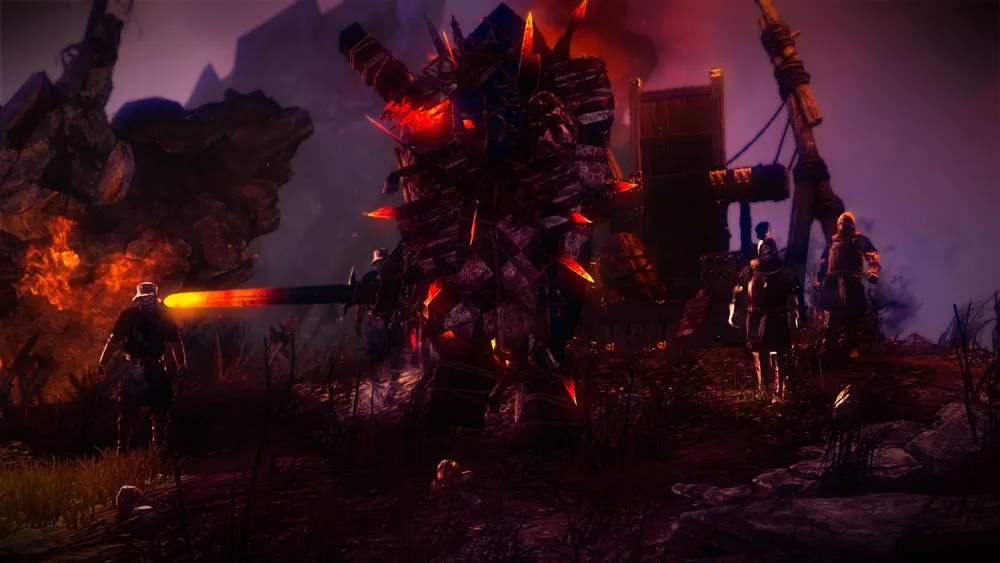
But what's strange is that after all this, Geralt is no longer the powerhouse and agile fighter he was in the first game. Even three or four opponents can make him sweat, whereas previously, a dozen surrounding monsters posed little problem. The situation is worsened by the absence of an active pause: instead, we are offered only time slowdown. Switching signs, throwing bombs, and changing targets cannot be done leisurely anymore; you need to act very quickly, or else the enemies will reach Geralt, with dire consequences. If they happen to swarm him, the only option left will be to run in circles, taking down enemies one by one. It wasn't ideal before either, but still.
Monster contracts are still present, but now to complete them, you not only need to kill a certain number of monsters but also destroy their nests and dens. It's an interesting approach, but it's disappointing that there are so few contracts: one or two per chapter compared to four or five in the first game is just too few.
A vital aspect of the game, alchemy, simply couldn't be overlooked. The number of elixirs and bombs has decreased slightly, and potions can no longer be consumed during combat. Most potions now have not only positive effects but also negative ones, which can be cured by consuming another specific elixir.
The equipment in the game really has become plentiful, but just a little while ago, there was nowhere to put it: the inventory was cluttered throughout most of the game. Fortunately, a recent patch fixed this misunderstanding, allowing players to store unnecessary items with innkeepers. As for the inventory itself, it's quite user-friendly and clear, but the lack of a few small features can be annoying. You can't sell all junk with one click, nor can you see which books have already been read and which haven't. However, there's still hope that all of this will be added along with future patches.
Mini-Games
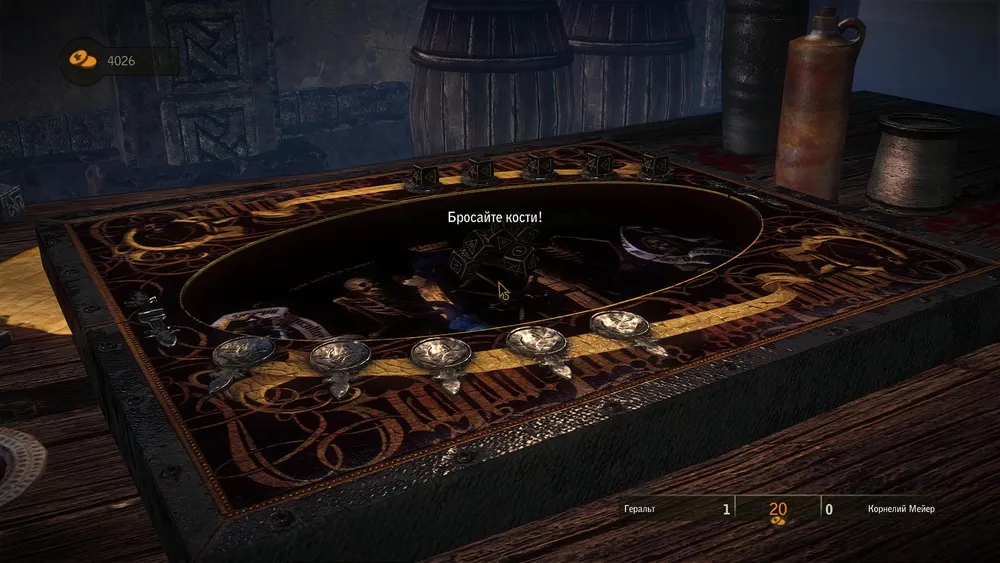
But Geralt doesn't spend all his time hunting down assassins, right? For these situations, a wide range of entertainment is provided in the form of small yet amusing mini-games that you can play at the nearest tavern. By the way, their selection has changed somewhat. For example, the "drink to the bottom" game, which required beating your opponent in drinking, has been replaced by "arm wrestling." Most games are based on QTE, and, unsurprisingly, they're easier to play with a gamepad rather than a keyboard and mouse. Yes, the game supports gaming controllers for good reason. Everything seems well, but to lose at these games, you really have to make an effort; although, if you think about it, the situation was not much better in the first game either.
The dice game hasn't disappeared either, but it has changed here as well. Now, the game is played for only one round instead of two. Instead of dots on the sides of the dice, there are polygons. Moreover, the physics of the dice throws is taken into account, meaning incorrect throws can lead the dice to fly off the board, and thus, the points on them won't be counted. All this is amusing, but initially feels strange.
Conclusion
Throughout the game, one can't shake the thought of why Geralt suddenly decided to reclassify himself from monster hunter to, quite literally, a spy? Indeed: there are fewer monsters now in both number and variety. We primarily battle humans (whereas in the first part, it was the opposite). There's a lot of stealth operations in the game, where you need to sneak past someone unnoticed.
And if we face the truth, it turns out that there’s not much freedom of action in the game. We are strictly led through the storyline, and quite quickly: sometimes it feels like events follow each other at lightning speed. This is particularly noticeable in the last chapter, where all details of the intrigue are suddenly thrown at the player.
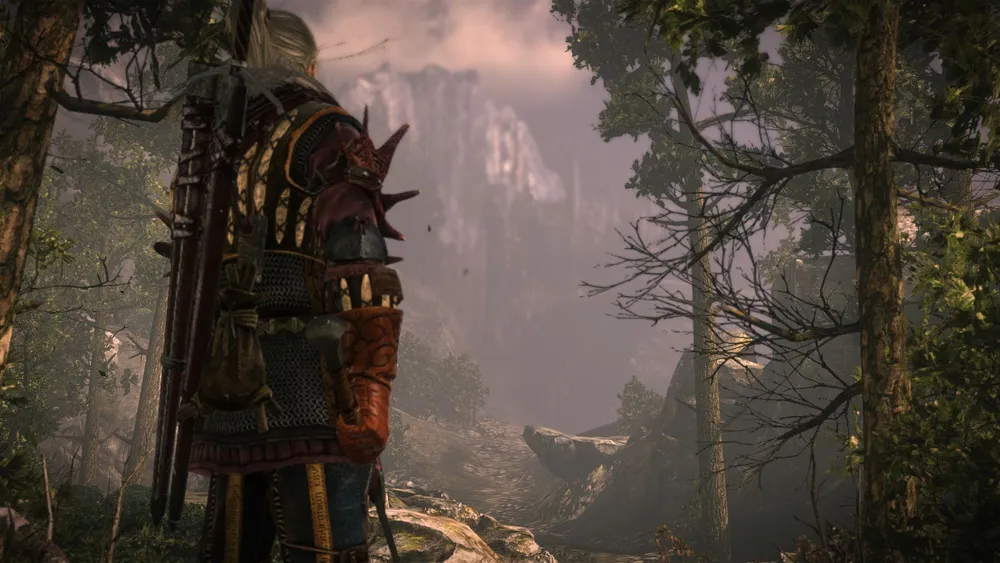
And even despite the controversial combat system and controls, the reduction of monsters and quests, and the blurred ending, The Witcher 2 still remains an excellent game that RPG fans shouldn't miss. After all, where else can you find such a meticulously crafted world, beautiful visuals, and a captivating story all in one place? However, I would still recommend waiting for version 2.0, which will introduce a proper tutorial system and fix remaining bugs to get even more enjoyment from such an impressive project.