Mimokrokodilom in Kill Team
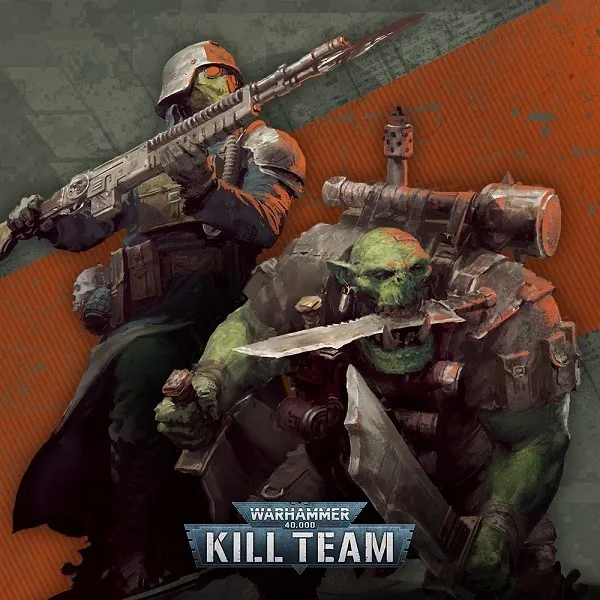
What is Kill Team and what do you consume it with?
Maybe you didn't know, maybe you wanted to ask, maybe neither, and here I am ready to dump a little new information on you, but...
If you like Warhammer (which is the brother of 40k, not fantasy)...
If you enjoy the tacticality of X-COM / [Jagged Alliance](/games?search=Jagged Alliance)...
And if you are okay with the fact that while your opponent is going back and forth, you won't have time to smoke or grab a coffee...
Maybe you'll like this skirmish.
Another plus often mentioned is the speed of the game, but if someone suddenly tells you that a match in the current KT lasts 40 minutes, that person is either greatly mistaken or being dishonest.
An hour and a half is allocated for the tournament format of matches, and a drinking match can last up to two and a half hours, while you lazily chat and vividly describe: "And here my guy, like in the Astartes movie, crashes into your leader at full speed, I activate the stealth assault stratagem, and I wave my knife so cool that I resolve two dice of damage before your priority sounds of dice See, I told you it's a very big and cool knife, instant headshot. I’ll name the model Brother Dandy."
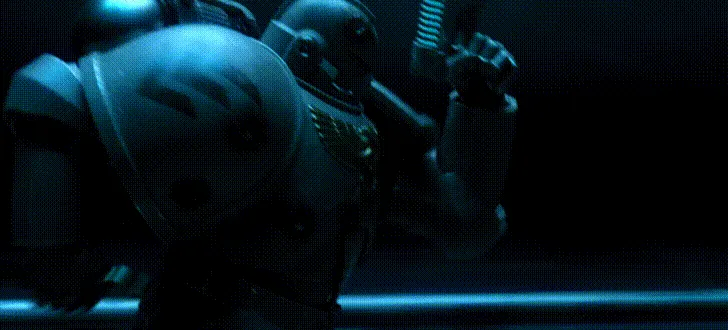
But there is a lot in common with the big brother on average. Starting from the model range, where a significant portion of the miniatures from the large Waha is completely valid and legal in the skirmish version, ending with similar moments in the statline of units and rules.
And here lies a significant pitfall. Because 80% of the rules are similar and simpler, 10% differ in detail, and the rest can even contradict. It’s funny, but sometimes it leads to confusion when people play both versions or switch from one to the other.
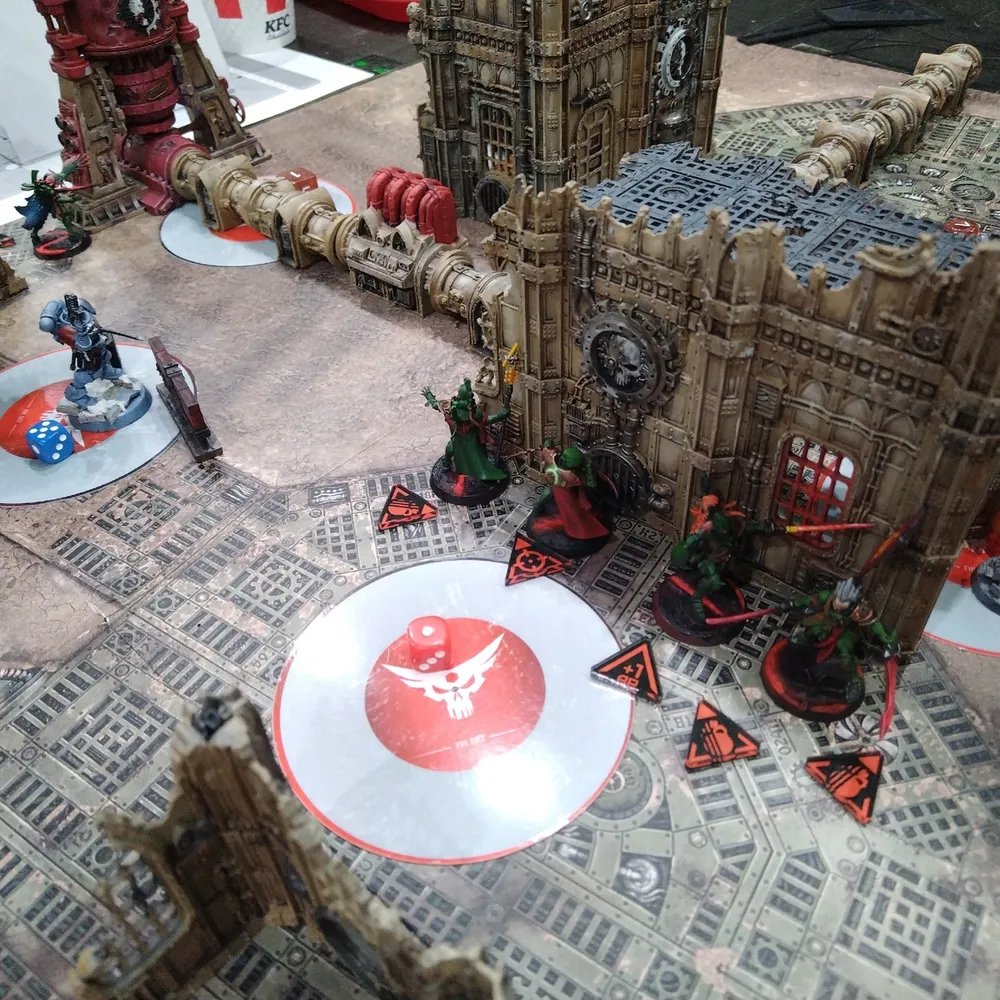
It seems that the elves set up an ambush behind the ruins, but the Wolf who bypassed them from the flank has already eaten two of the pointy-eared.
In essence, the game is a tactical wargame where you have between 6 to 14 models in your squad, and practically every small rodent has a personality. Even guardsmen with lasguns or gangers with shotguns from the genestealer cult fight for victory points in missions rather than just to wipe all of your opponent's miniatures off the table. I'll die, but I'll do it © - no joke. Four game rounds are not as many as they seem, and even losing the last fighter does not guarantee you defeat if you made effective use of all the time you had with your models.
Because sometimes what's important are not the models, but who controls them and what decisions they make. They are fighters, but the player is the strategist! And whether it will be shooting circus or serious engagement depends on the players.
In KT, you can't just take a shot at a model you see with another model. First, you need to look at the orders you gave yours, what order the enemy has, and how they interact. Essentially, there are two: "Conceal" and "Engage," and if you imagine their interaction in dynamics, the understanding of why they work the way they do will drastically simplify.
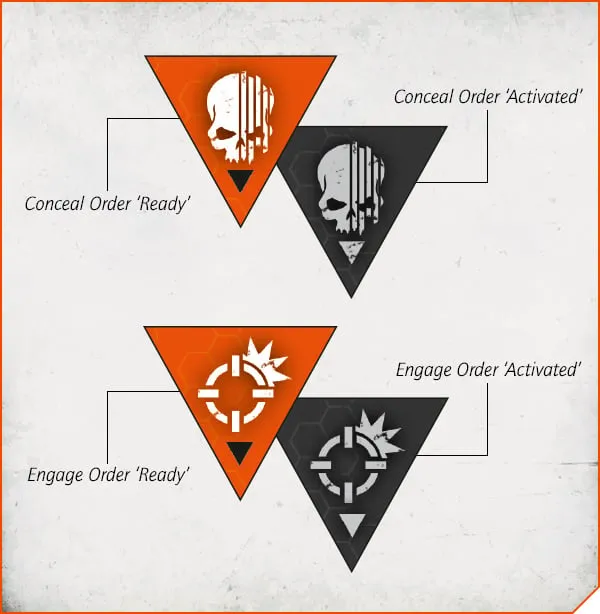
A guardsman behind a pile of trash with the "Conceal" order is not just standing behind the pile of trash, exposing his face. He is in motion, crouching, crawling, protecting his head, holding his helmet, not exposing himself, and, of course, he is not ready to shoot or fire back. That's not his concern. And no matter how many enemies with the "Engage" order are on the other side of the pile of trash, aiming at it, they won't be able to do anything with the guardsman darting from cover to cover until he comes out into the open. Or receives another order to engage in combat, at which point the pile of trash will no longer be such a reliable cover, for if you want a fight – be ready to get hit back.
But, as with all rules, there are exceptions. Because no order to hide will save a fighter if an enemy with a weapon jumps up onto the pile of trash and shoots the guardsman at close range. Or flanks him in such a way that the trash does not block the line of fire. Or hikes up to a higher position to see who is crawling in the ditch.
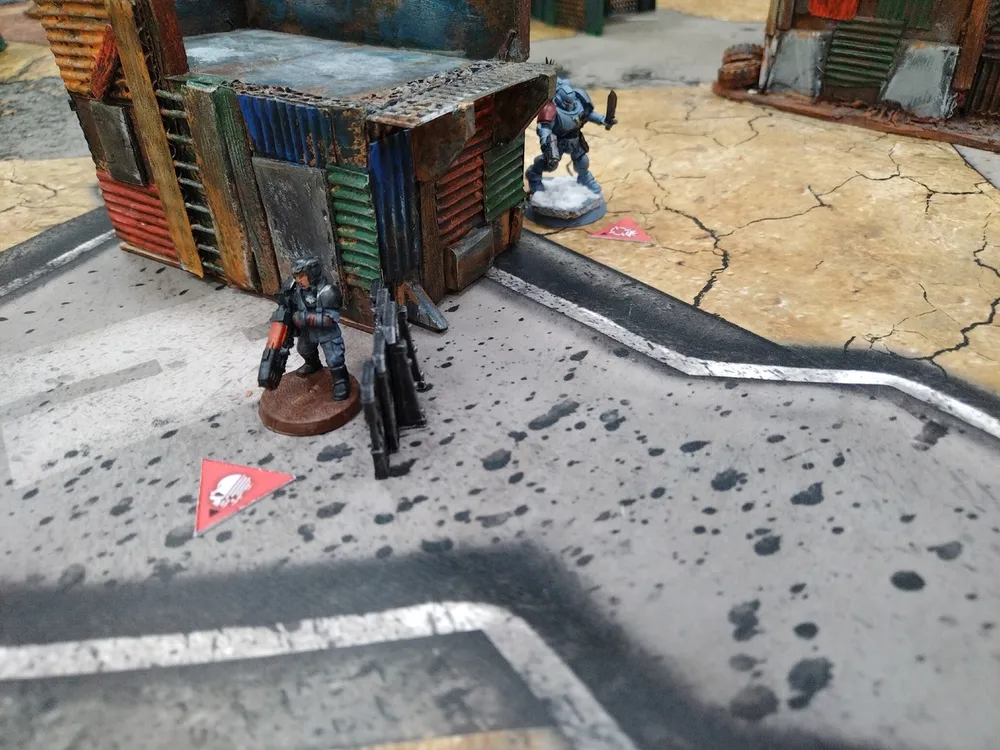

The guardsman feels safe but does not know that a sniper on the tank has already taken him into his crosshairs.
Decisions, decisions, decisions. Small and big, but the player will be constantly in the process throughout the match. Because the activation of models is alternate. Because if you have less, you have to think not just about this turn, but about the future, so as not to be outflanked, so as not to be caught in a trap, so as not to expose yourself to some enemy grenade launcher or plasma, which will be the last to play for the opponent.
Dynamics over all fields. And diligent work of the brain.
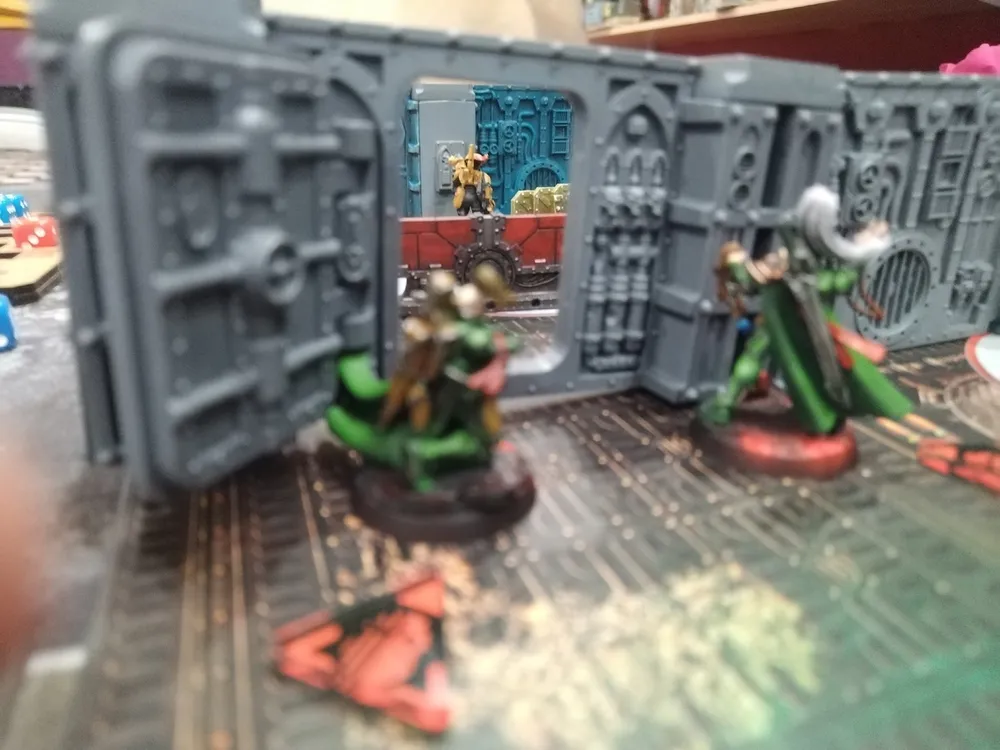
One more second, and the minute will turn blue. The Eldar crept up unnoticed.
With all this, in KT there are tons of commands, both generic and faceless, and unique named ones, for which special models and rules were assigned to make the little guys stand out. Sisters of Battle, who believe in the Emperor so much that "I rolled a die, but my FAITH IS STRONG and so he turned into a hit. The plasma shell that flew by turned around and hit you in the back, did you watch "[Especially Dangerous](/games?search=Особо опасен)?". Drukhari, who enjoy the killing of someone. The Blood Pact, which gets perks from the same, but also from the fact that they themselves die like flies. Chaos Legions, that have special rules for each deity in the pack. The Rogue Trader team, supported from orbit by orbital weapons of the cruiser. Classic Space Marines, who simply crush with bolter fire. Ogryn commandos, masters of stealth and quiet kills from a grenade launcher, whose sniper shoots worse than the classic ones, but in long bursts.

These are the things. I think there’s no point in detailing the rules or narrating battle reports; there’s already plenty of that online if anyone is interested. I was just inspired to write this review-not-review, article-not-article, because I love tactical strategies and spend time with people who share my passions. And Wahka, whether big or small, allows you to combine both of these aspects.
And finally, an important point regarding the pricing issue, as when it comes to any Wahka, it is quite sharp.
To play Kill Team you need fewer models. Most of the gangs are assembled from one box without any problems. You need fewer dice; there are no buckets of rolls, where you throw 30 dice 4 times in a row. The field is four times smaller, and hence you don’t need as much terrain for it. You need a few markers for orders (found online for free, printed on paper, with a flair - on adhesive paper), and a ruler or two for measuring movement distances, as well as distances to points of interest.
And finally, we live in an age of accessible miniatures and even more accessible 3D printers. Anything can be ordered and printed. Moreover, in tabletop clubs where such games are played, you can usually find a "try it out" squad, terrain, and an opponent.
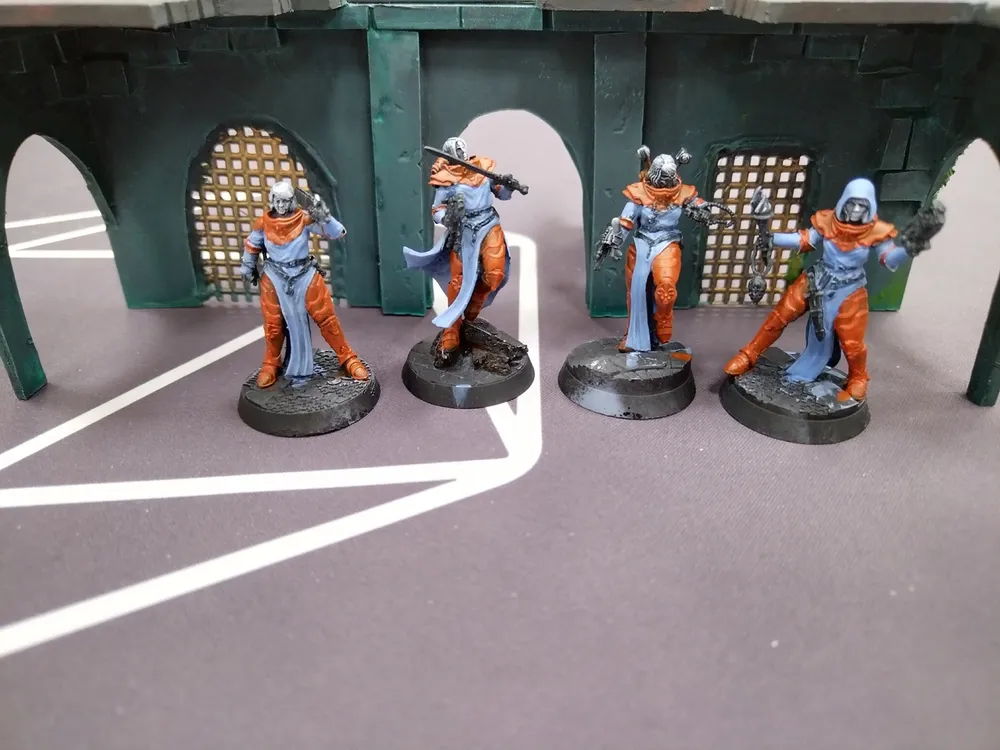
I’m slowly painting my novices. The detailing and quality are at level, even if it's 3D printing. Official miniatures are far less beautiful.
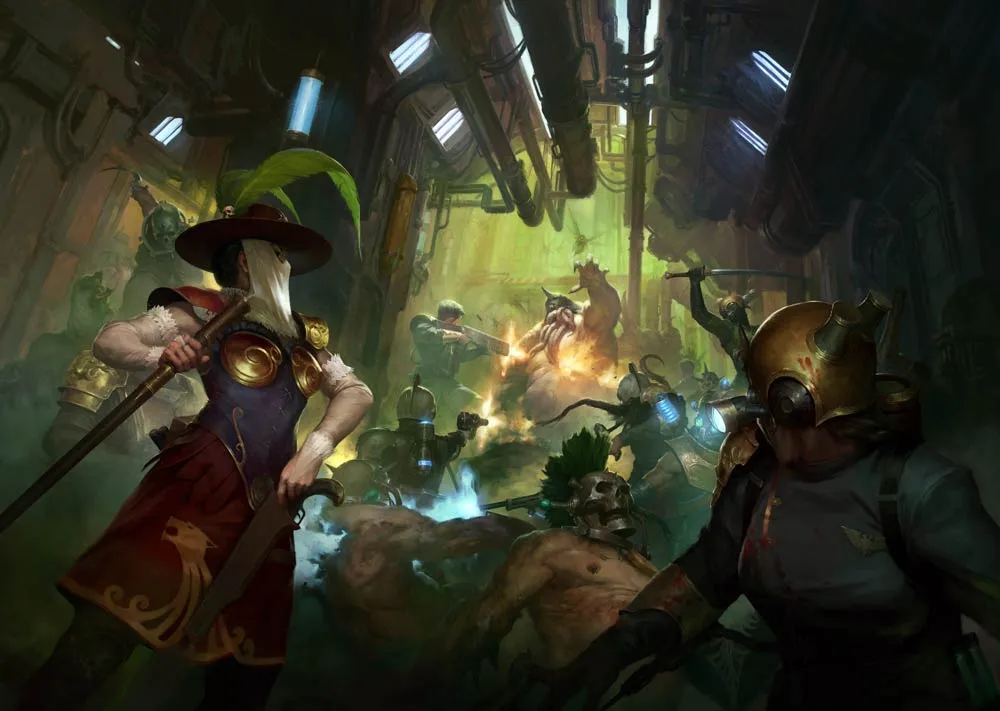
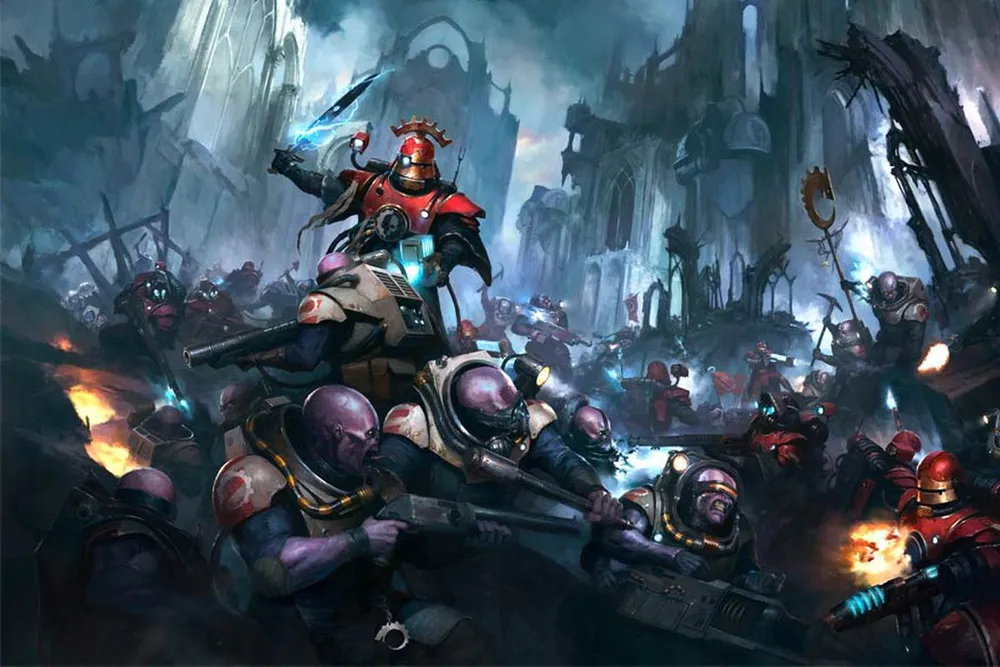
At last, here are a couple of official arts for you.

Love strategies, play strategies, and be awesome \_ © WellplayedTV