"Orchestra of War" - review on Red Orchestra 2
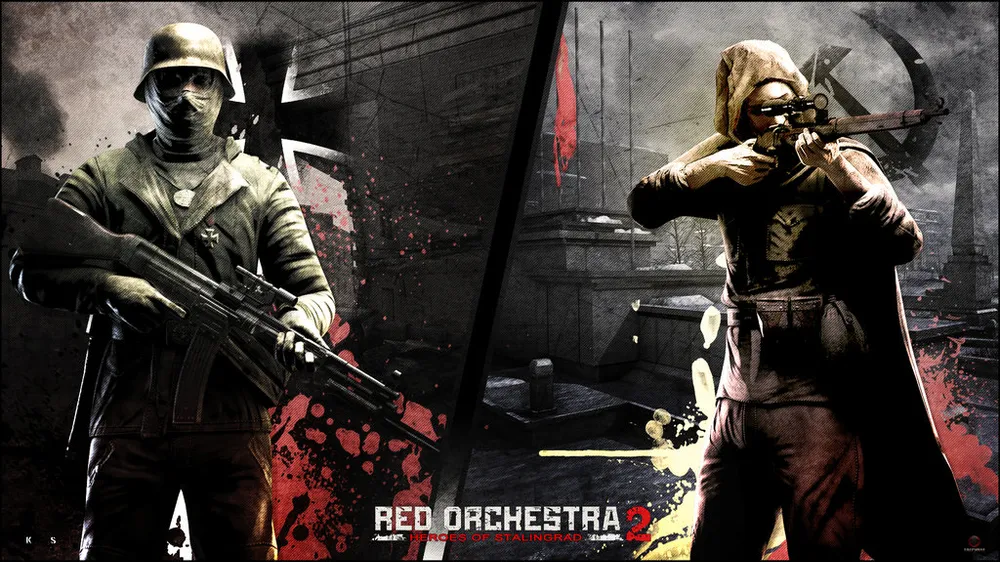
We are standing by the mortars
Under the mountain, at the firing position.
There will be glorious work,
There will be a hot battle with Fritz
Soldier's folklore
Since roughly 2006, gamers together with the press have been pressuring developers of shooters with the words "we're tired of World War II." Developers, understanding nodding, quickly released hits like the multiplatform "Call of Duty 4: Modern Warfare" and the purely console "Battlefield: Bad Company." Year after year, publishers fed us modern wars, where a soldier without ultra-vision and technology without homing missiles are neither a soldier nor technology at all. Yes, there was something called "Battlefield 1943", which never came out on personal computers (though "metacritic" shows otherwise). And let us remember that even **DICE** isn’t considering creating "non-PC Battlefield games". Yes, we also remember the good "World At War", but that was back in 2008! Modern wars should be presented to us every year, while World War II is left at the sidelines? In such a situation, when there is no deafening roar of the T-34 engine on the horizon ("World of Tanks" doesn’t count) and no rumble of PPSh gunfire, the release of "Red Orchestra 2: Heroes Of Stalingrad" is perceived as a breath of fresh air.
The story of the private company "Tripwire Interactive" began back in 2004, when this team of talented guys was essentially a group of enthusiastic modders showing significant promise in game development. The competition "Make Something Unreal" organized by "Epic Games" allowed John Gibson's team to be spotlighted in front of the community. The modification "Red Orchestra: Combined Arms" for "Unreal Tournament 2004" brought "Tripwire Interactive" not only fame but also money, computer hardware, and eventually a license for commercial use of the "Unreal Engine" in its second and third versions.
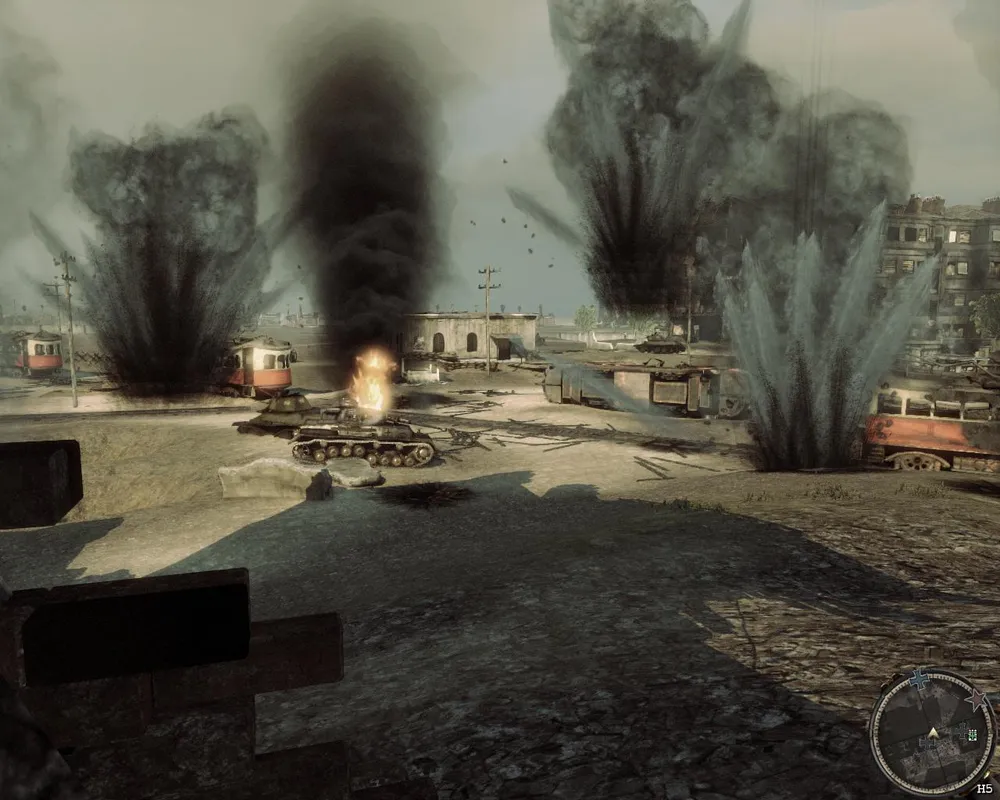
The multiplayer here is much more spectacular than the dull single-player
If you don’t serve, you won’t know
As a result - the release in 2005 of the added and improved "Red Orchestra: Ostfront 41-45", which sold over half a million copies worldwide. The fairly high ratings from the press and players boosted the developers' spirit and strength, and finally, in May 2009, almost simultaneously with the release of the Steam hit "Killing Floor", the announcement of the sequel was made. The authors promised to keep up with the times, so they chose the "Unreal Engine 3" as the foundation for their new project. Regarding gameplay and, importantly, its essence: "Tripwire Interactive" made it clear from the beginning that they did not intend to compromise with the mass user - even if their game is aimed at a narrow circle of players, "Red Orchestra 2" would take a truly unique spot in the entertainment market. At this time, let’s not forget that the creators of the "Brothers in Arms" series - "Gearbox Software" - in their "Furious 4" completely abandoned the series' traditions, shifting to the ideas of "People Can Fly" with their "Bulletstorm". The screen will greet gamers with propaganda of madness and total chaos. Whereas "Tripwire Interactive" took the beaten path, knowing that they would be supported, to put it mildly, by a "group" of fans of the first "Red Orchestra", but possibly also fans of the tactical shooter "Brothers in Arms".
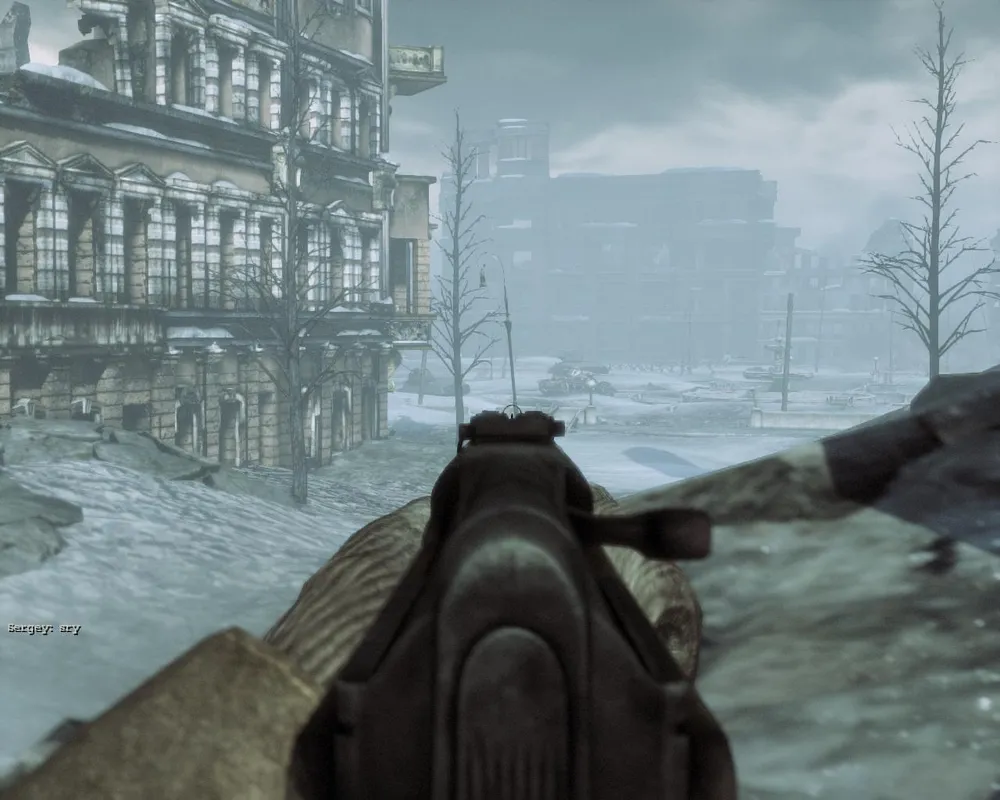
In a couple of seconds, I'll catch a bullet in the forehead. Try to guess where the sniper is hiding
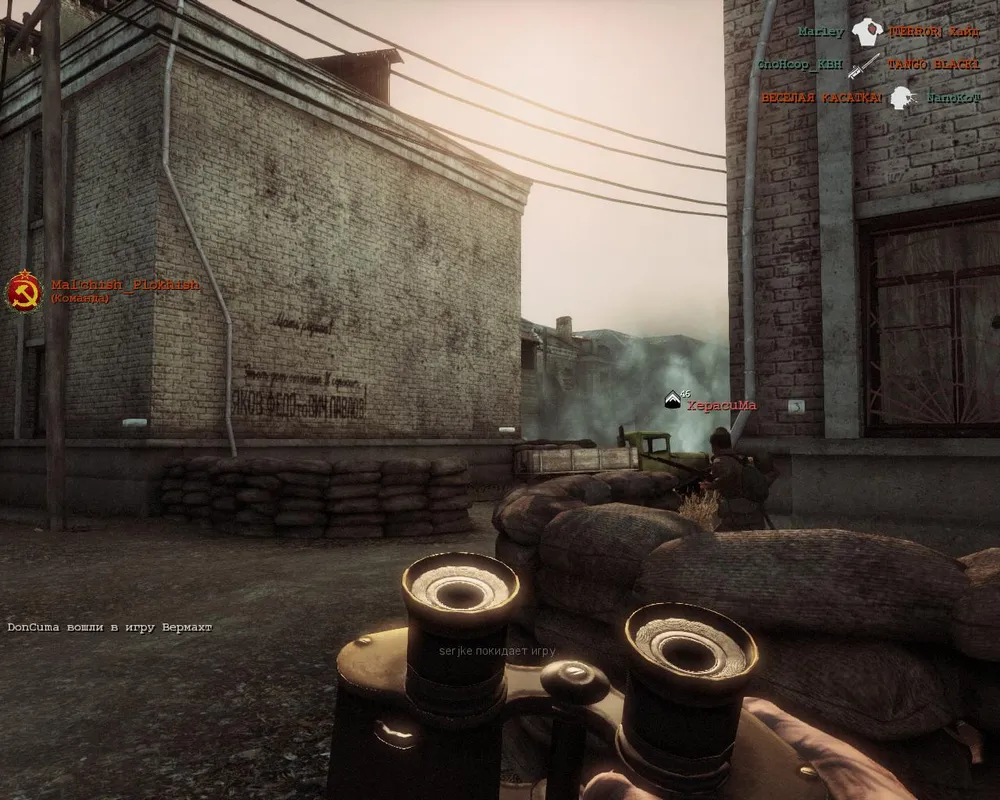
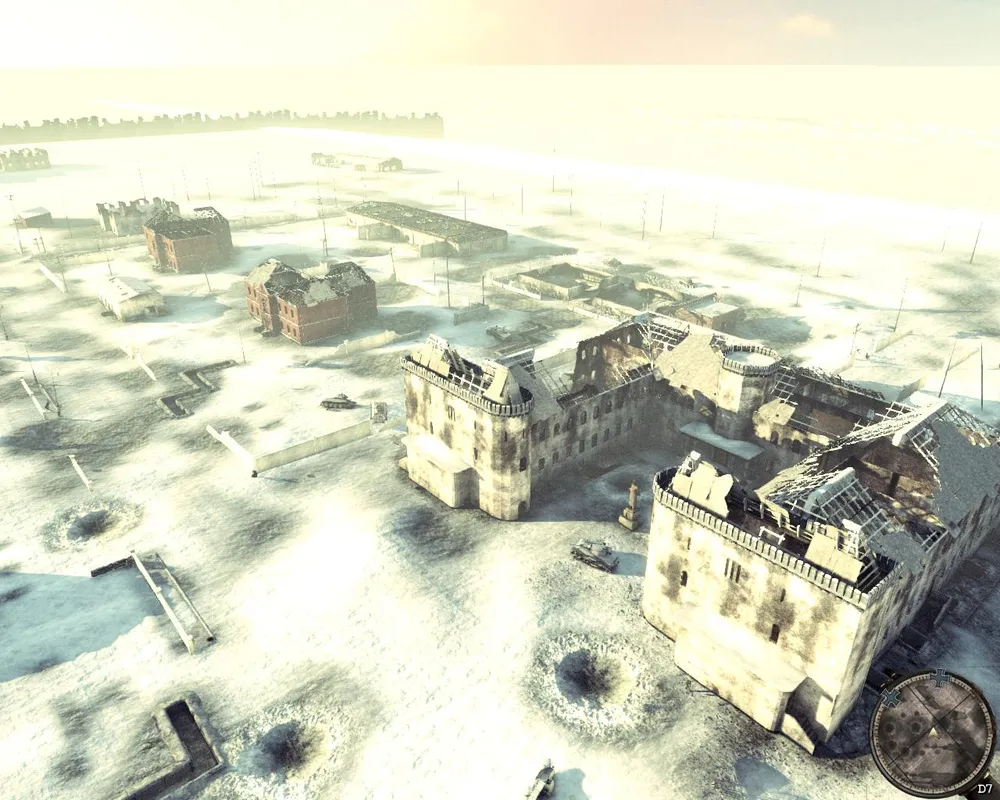
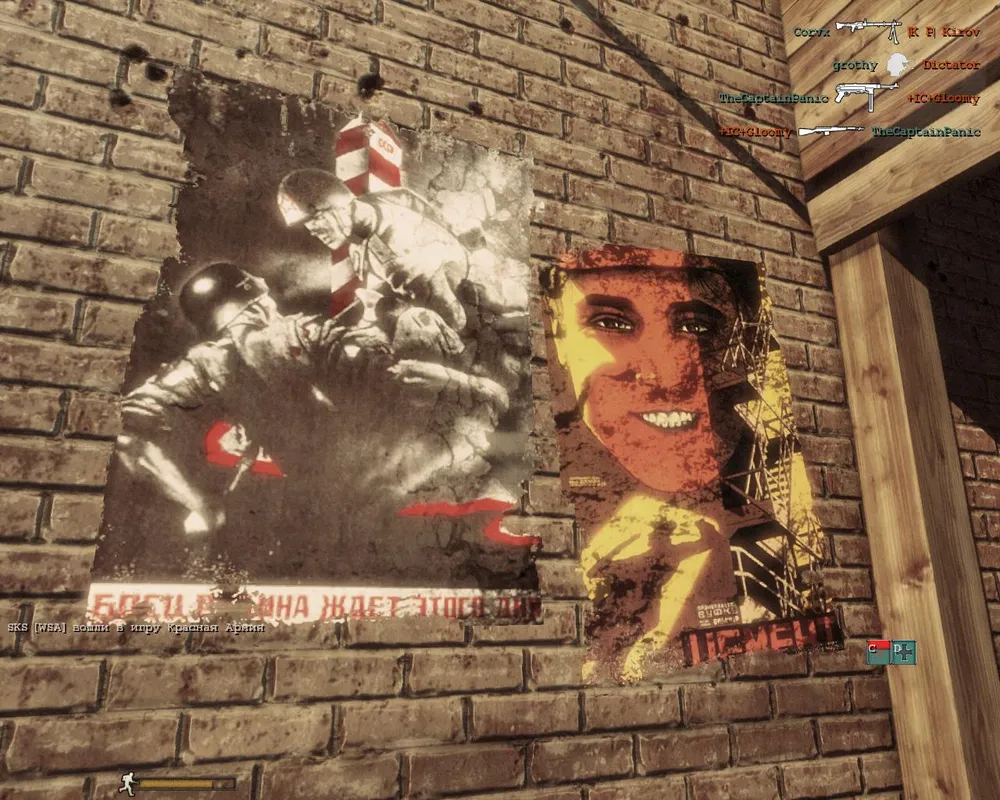
The sequel to "Orchestra" is essentially just a revamped original with a "budget". No revolution happened, however, the game is no longer perceived as a modification from talented guys overflowing with enthusiasm. It is worth noting that not all mods based on the "Unreal Engine 3" looked worthy in terms of graphic design. Recall at least "Damnation" - seemingly a cool action game, where none went without numerous bugs and terrible location design. "Red Orchestra 2", despite looking very worthy (detail, lighting, smoke), couldn’t shake off the defect of many freshly released multiplayer shooters: an abundance of various software bugs sometimes drives players crazy. However, it is foolish to shelve "Orchestra" just because of this fact – what, after all, multiplayer shooters don't suffer from such unfinished features at their launch? And let me note that the theme of the Great Patriotic War, which resonates with Russian citizens, combined with the project name "Heroes of Stalingrad" will undoubtedly play its role: many of our compatriots-gamers will buy the game, not paying attention to the main point on its box - it is still "Red Orchestra" with its "blackjack and hookers".
Stalingrad's chest breathes heavily...
From the single-player of "Heroes", you rightly expect more: atmospheric screenshots at the time evoked thoughts of spectacular shootouts filled with drama, as the central point of the game's script is indeed Stalingrad – the hero city whose residents endured heavy bombardment in August 1942 and were then forced to defend their lives among their native streets and houses. Agree that you expect a corresponding response from "Red Orchestra 2" - with fervor, with history, with drama, with experiences... Receiving at least "Call of Duty 2" with a realism tweak would already be a great happiness. But all hopes turn to dust literally from the first shot of the single-player campaign, when, taking on the role of a soldier from the German army, we along with our fellow service members capture the Russian settlement “Spartanovka”. No, you did not mishear– the introductory mission in "Heroes of Stalingrad" has us performing the task as a Wehrmacht shooter. "This is a story about simple soldiers", - explains the project producer Sergei Gerasev, - "about how every soldier - be they German or Russian - had a hard time during the war, and each soldier primarily followed their superior's orders".
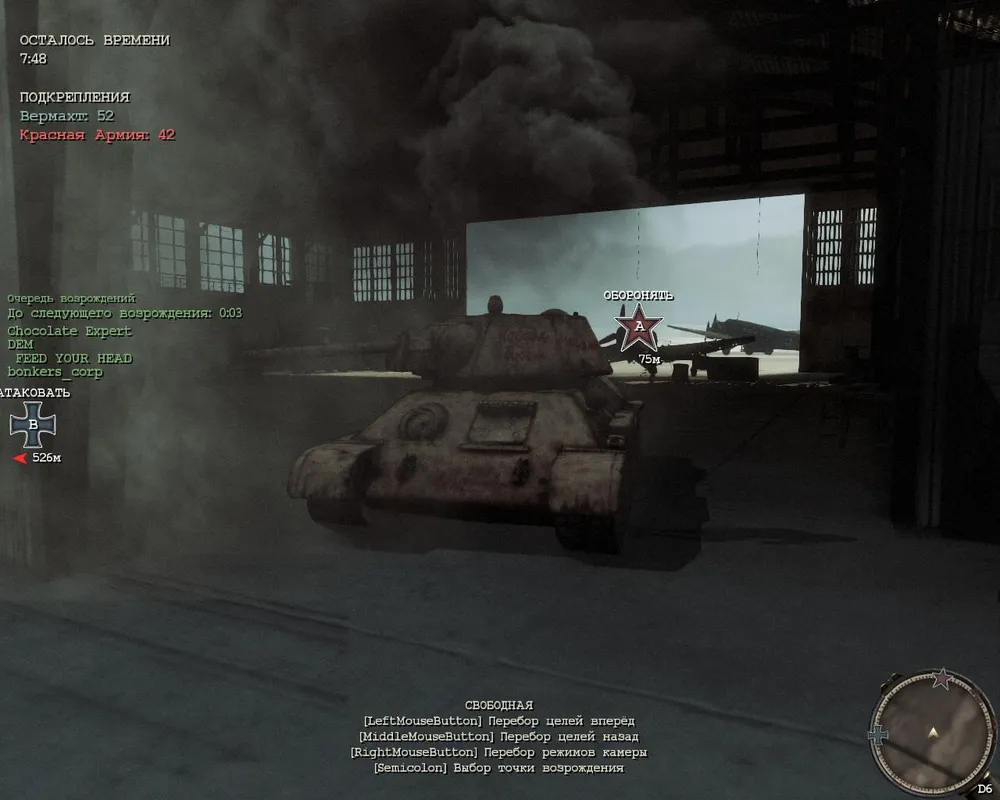
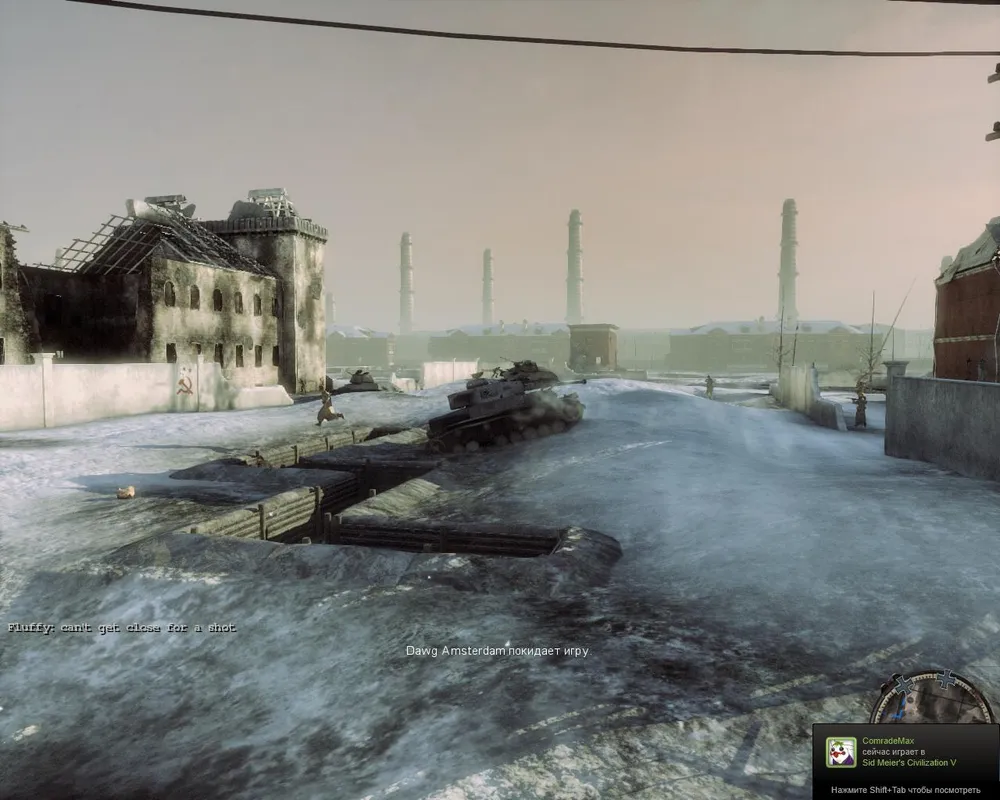
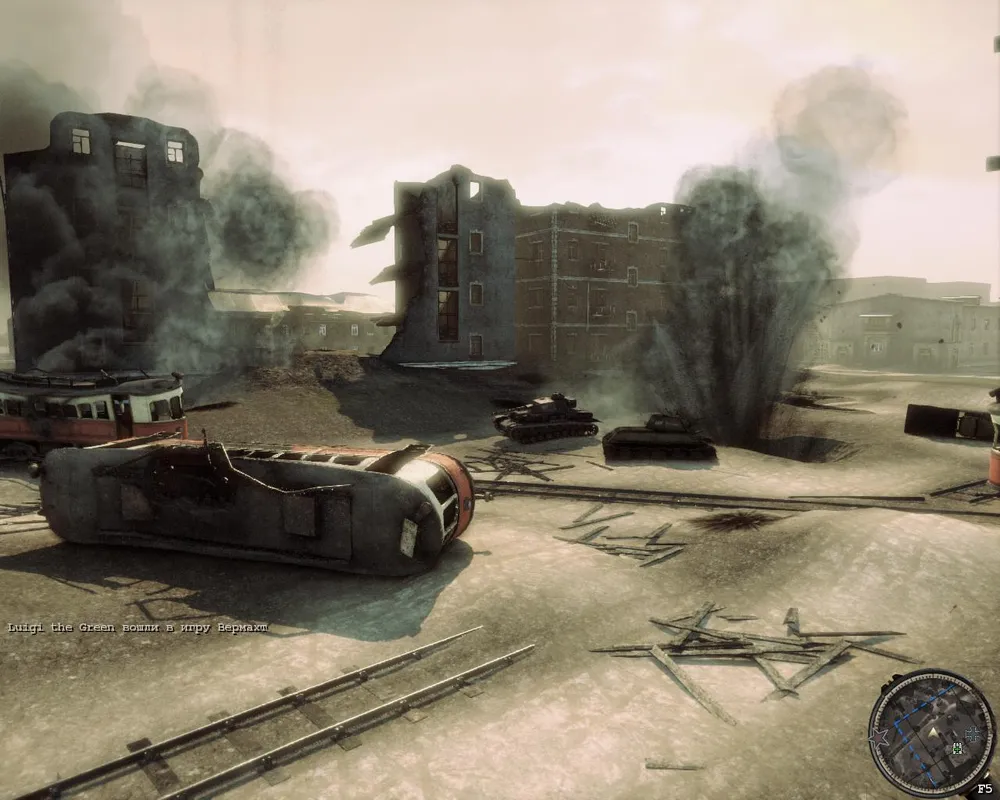
The tank battle is in full swing. The Soviet army defends the hangar with airplanes while the Fritz are tasked with destroying all of the opponent's equipment
Closing our eyes to this opus, we try to immerse ourselves in the gameplay. After a few minutes, we understand that the play is, let’s say, very straining. And it’s not even the fact that you die literally from a couple of bullets. We’ve gotten used to that since the times of Matt Baker, the young Staff Sergeant from the 101st Airborne Division. The atmosphere is finally spoiled by non-player characters, who exchanged brains for some remoulade, which the Germans love to pour on their dishes. The whole gimmick lies in the scripts: while in "Gears of War" or "Call of Duty" they work and appear great (largely due to the compact design of the locations), in "Heroes" with its miniscule "Battlefield" scale, the scripts appear horrendously archaic and out of place. Why, one wonders, having bypassed a concentration of enemies and wandered deep behind the map’s rear, do I find myself completely alone (my teammates with vacant stares don’t count)? Where, for heaven's sake, are the enemy fortifications, which Colonel recently reported to me, spitting his German saliva? At these moments, all illusions of a quality storyline and single-player immediately vanish - launching the local campaign means disrespecting yourself as a gamer. Hence, we exit back to the main menu, fix our eyes on the "Multiplayer" option, and attempt to have some fun on the battlefields against real players.
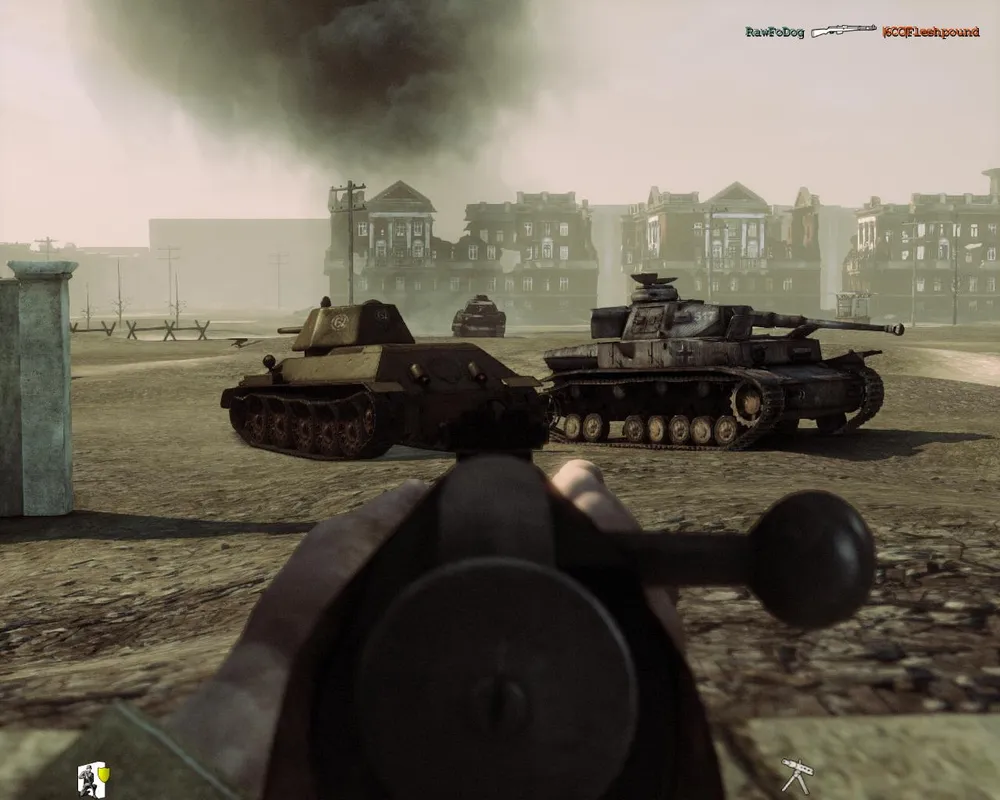
The T-34 crew attempted to rush across the open ground at speed and literally crush the enemy infantry. Surprisingly, they succeeded
You accomplished your immortal deed at that hour
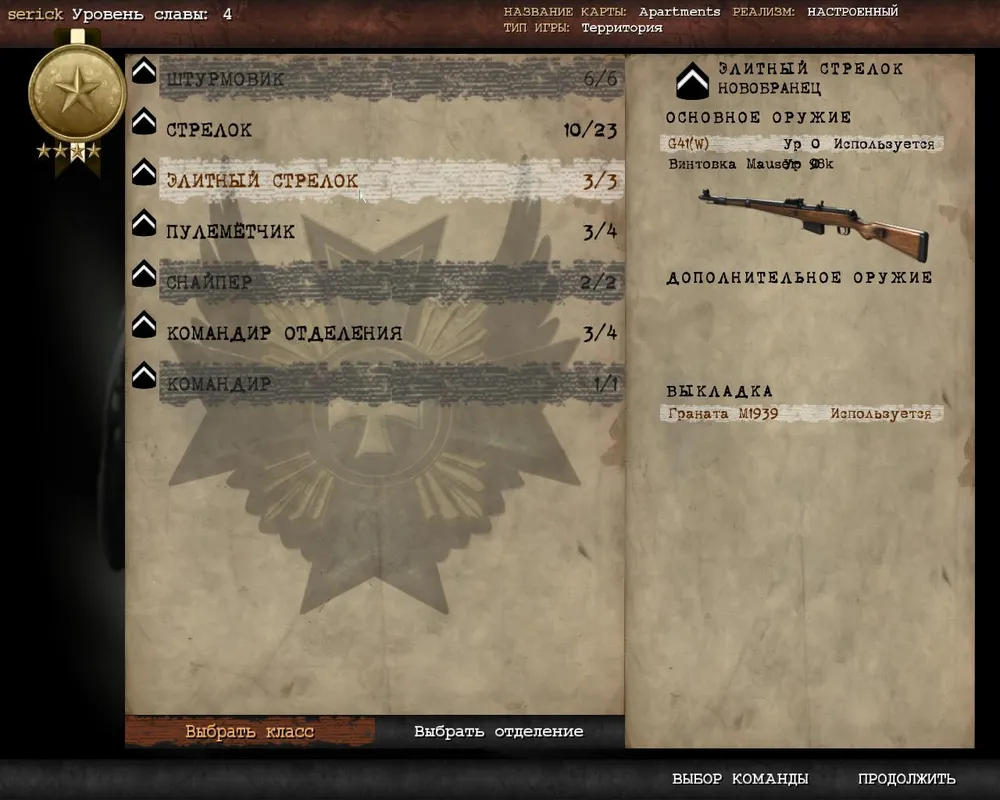
Initial impressions of the multiplayer cannot be characterized with flattering epithets either. An unprepared player will find themselves in a world of buggy chaos, without the constant whistling of bullets overhead, cinematic explosions, and airborne kills. On the contrary: to make a player go down forever, precise shooting will only be required, with just a single bullet being more than enough. You have to decide who you want to play as almost immediately - for balance, developers limited player choice. Thus, there cannot be more than three snipers on a team, but there are plenty of shooters with Mosin rifles or Mausers. So-called squad leaders are also limited in number, and all of them are useful mainly for the ability to be a "resurrection point" for allies. The company commander is another matter, and this class, crucially, can only be occupied by one player. Hellfire on me if it turns out to be a young and inexperienced gamer, constantly looking for trouble, as that class can indeed offer crucial help to the team. So, they are capable of calling for artillery strikes, which can force the enemy to retreat (the game features temporary concussion), and provide smoke cover - giving the opportunity to dash across the street without getting shot by the enemy.
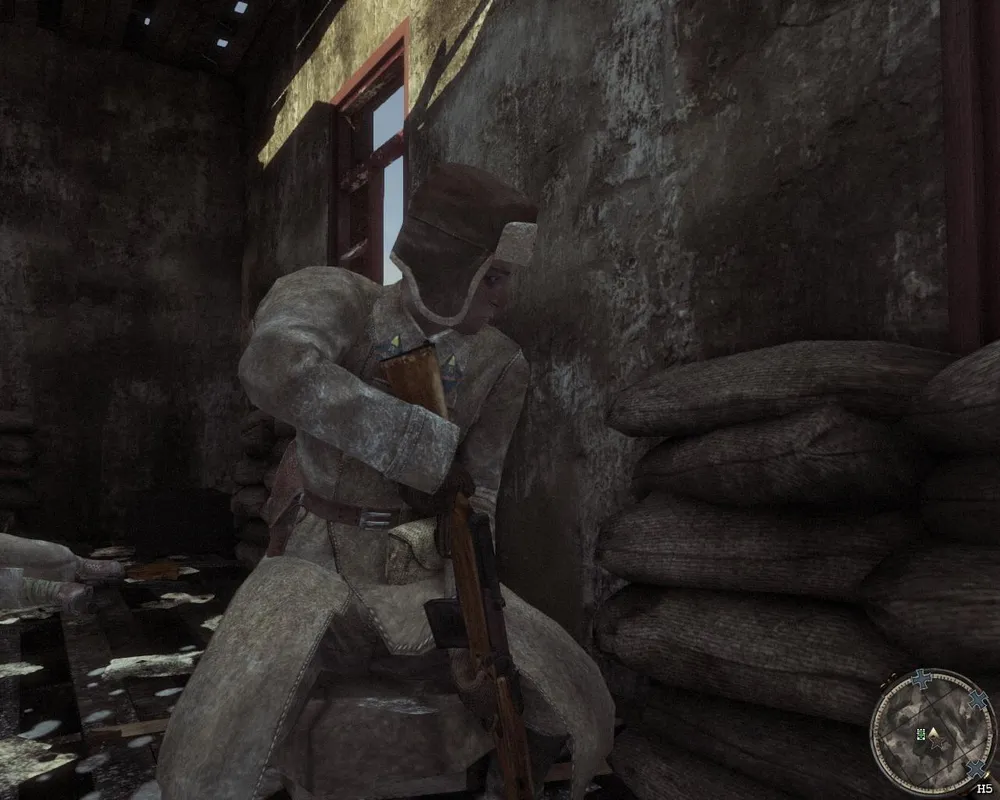
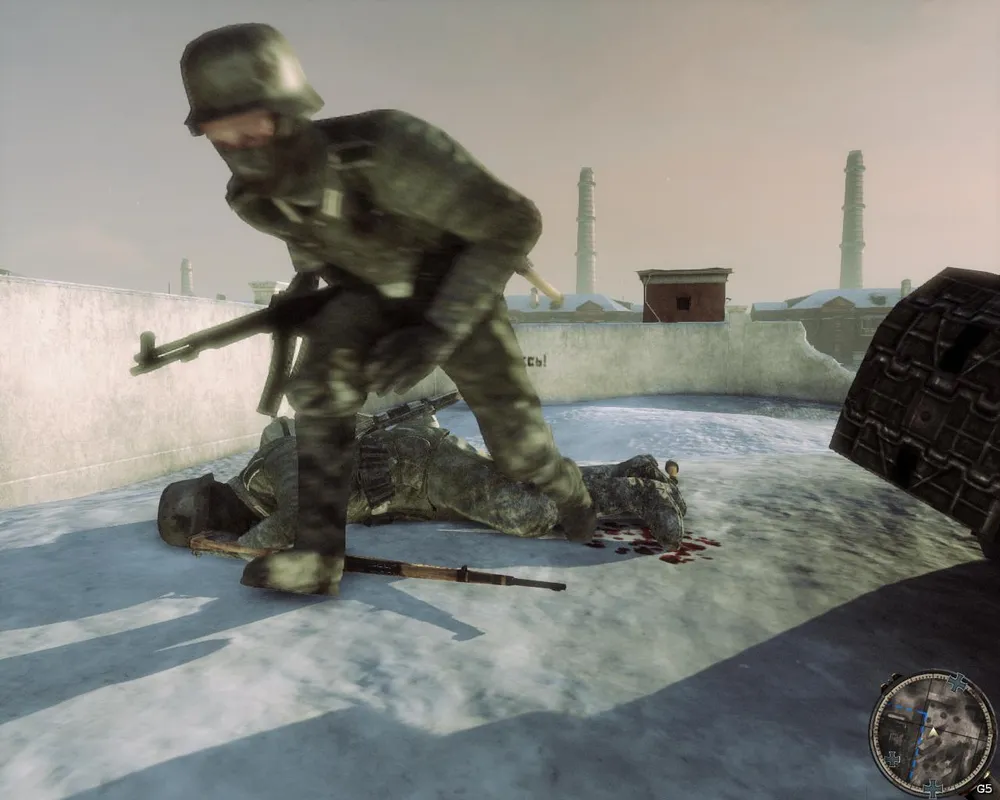
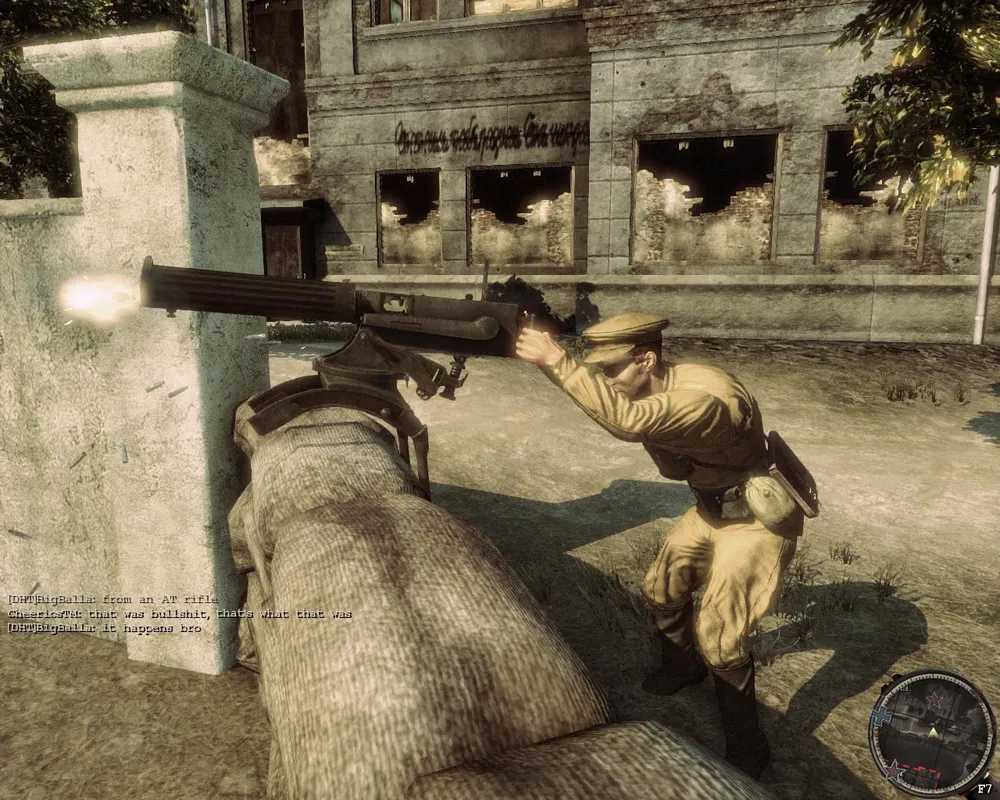
The shooters' task is to take a favorable position and fire rare shots at the target
Resurrection in "Heroes of Stalingrad" occurs in waves, and one must wait on average about ten to fifteen seconds. Thus, the role of the company commander in the team becomes even more significant, fortunately, being able to resurrect an entire wave of allied forces isn’t as easy as knitting slippers like Aunt Manya. Team play, if this group of fighters genuinely wants to win, must be given special attention: developers have calibrated the balance well, but no one is going to impose order in the team, and if you started playing like disorganized monkeys - prepare for inevitable defeat. The original "Red Orchestra" did not favor confident lone players coming from games like "Call of Duty" - successful combat operations, as the sequel showed, can mostly only be led by a competent group of reasonable people, aware of their roles and positions within the team. Even snipers are not recommended to wander alone, as it is always calmer to fight in the presence of compatriots.
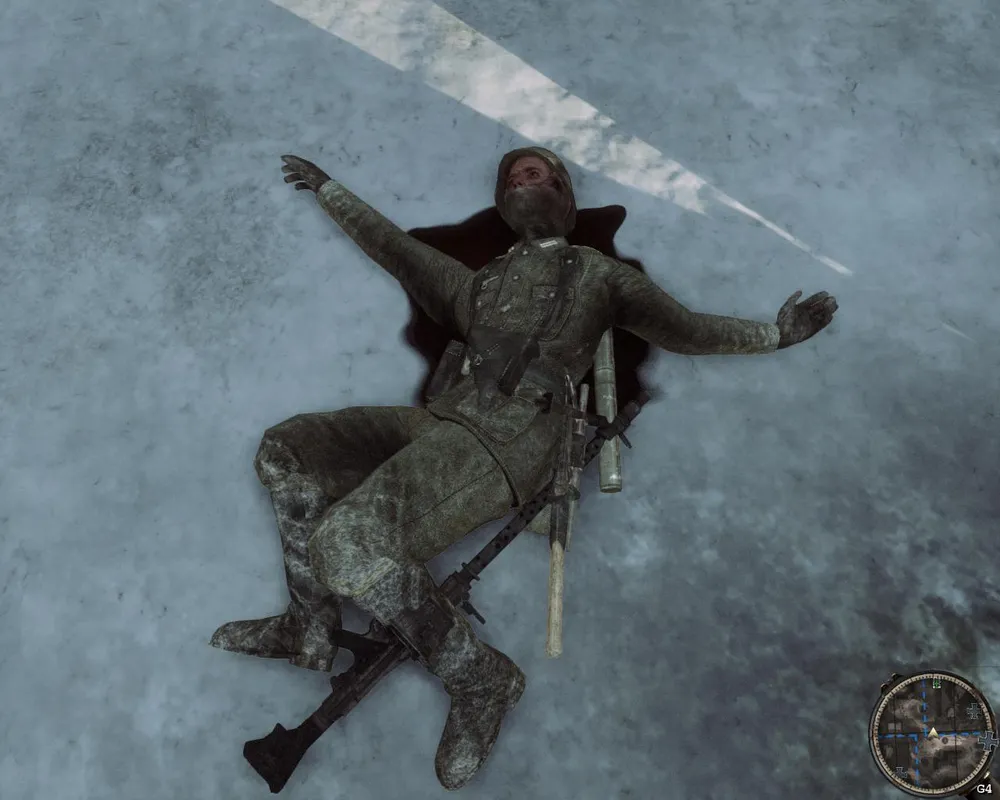
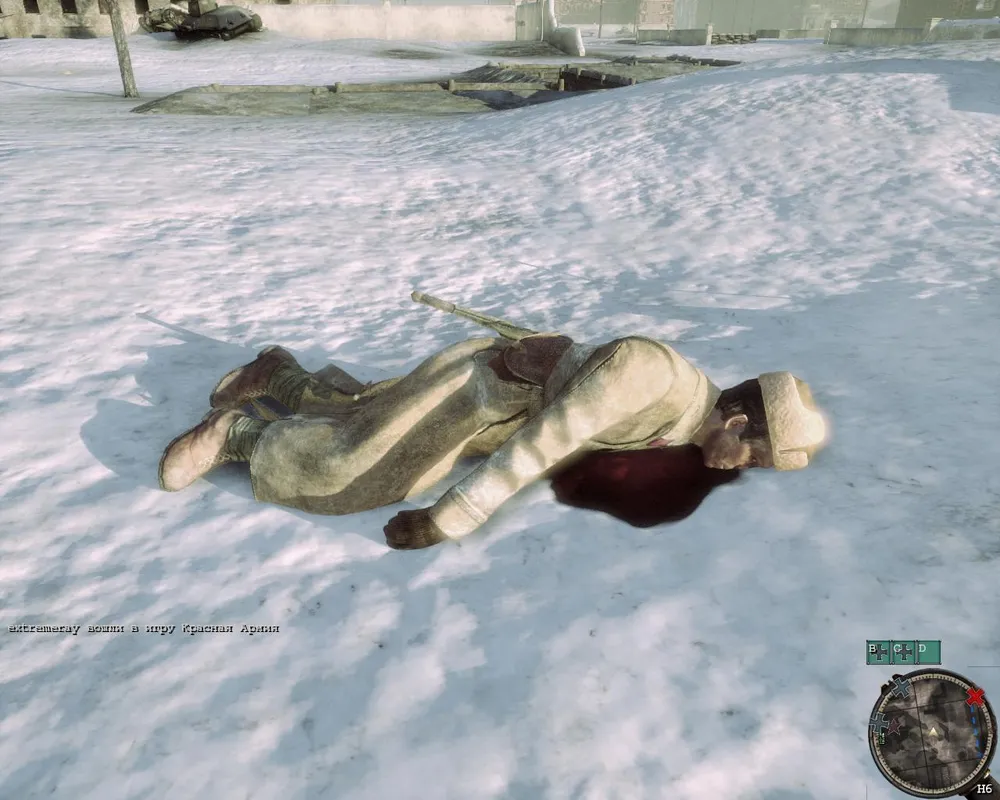
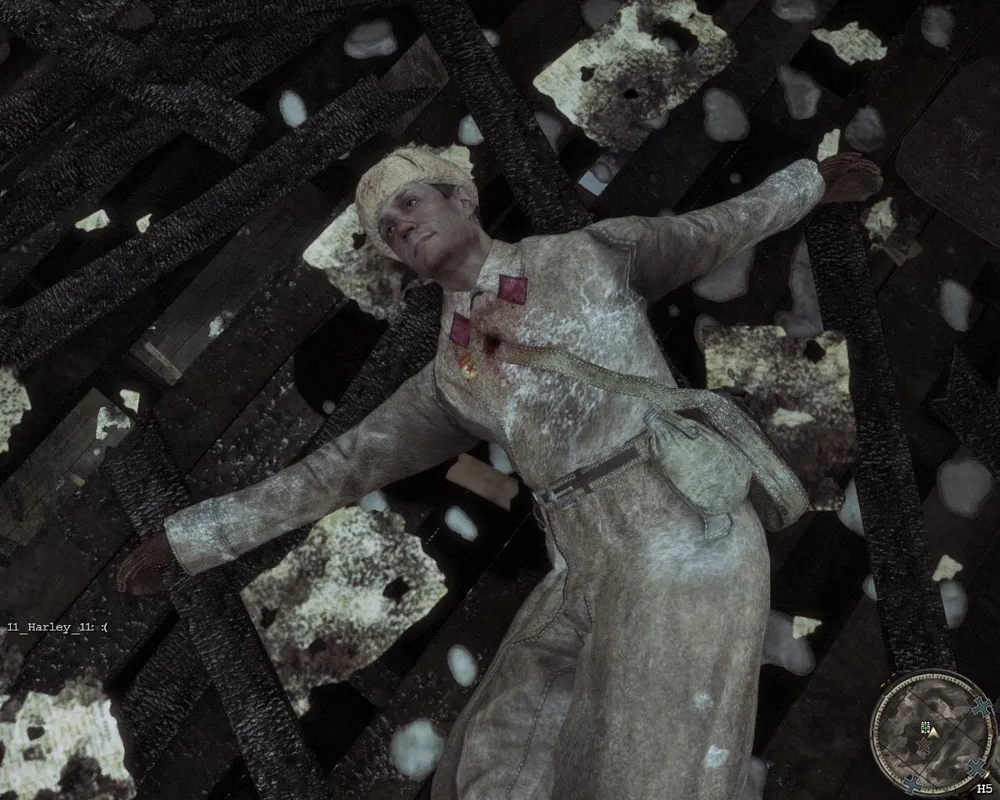
The conditional hardcore nature of the "Red Orchestra" series (let’s not forget that it is indeed conditional) lies not only in the fact that we cannot switch weapons on the run, cannot mark enemies on the map, and cannot summon a pack of half-starved man-eating dogs out of nowhere. The spectacular hitbox system takes the project to a whole new level of difficulty: if you receive a chest wound, you can still shoot at the enemy while bleeding out. There were times when a player, “catching” a couple of bullets, managed to take down several opponents before plummeting to the ground themselves. A shot to the carotid artery leads to the darkening of the screen and then - inevitable death. Often, you not only don’t understand where that fatal bullet came from, but also when it managed to hit you. By the way, some bleeding can be stopped if you apply a bandage in time. Forget to provide yourself medical assistance - you become a klutz from "Operation 'Y'" with a red stain on your shirt. Only already presumably dead.

Deciding not to sit idly in defense, we aggressively pressed the enemy positions at their base
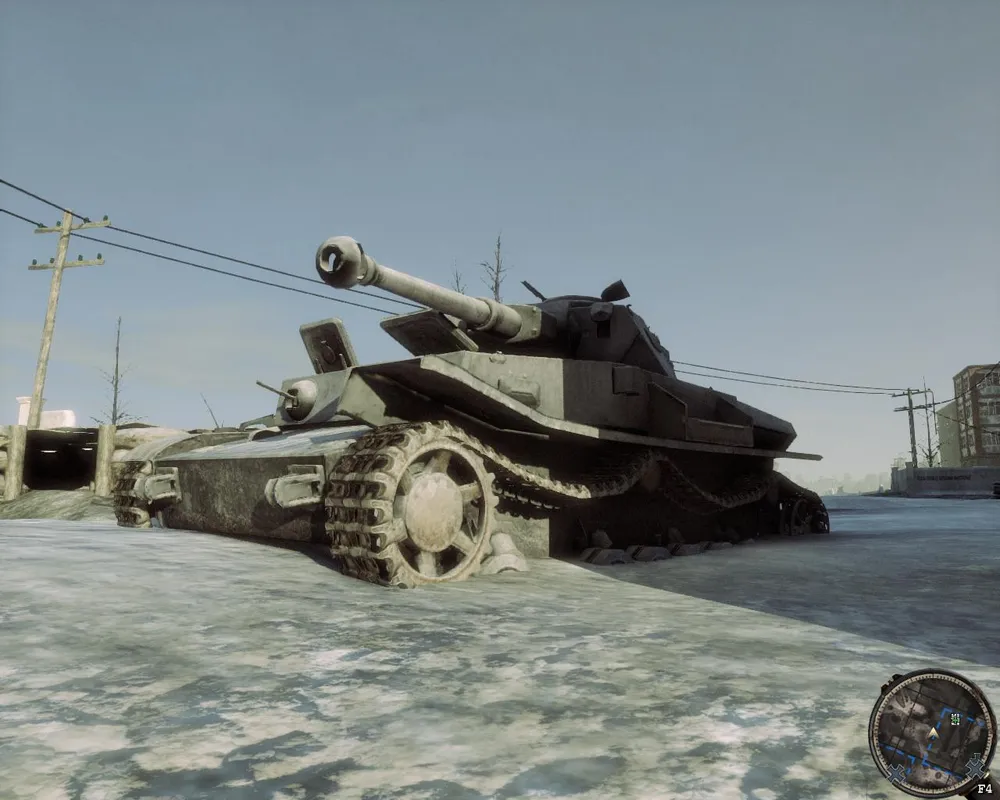
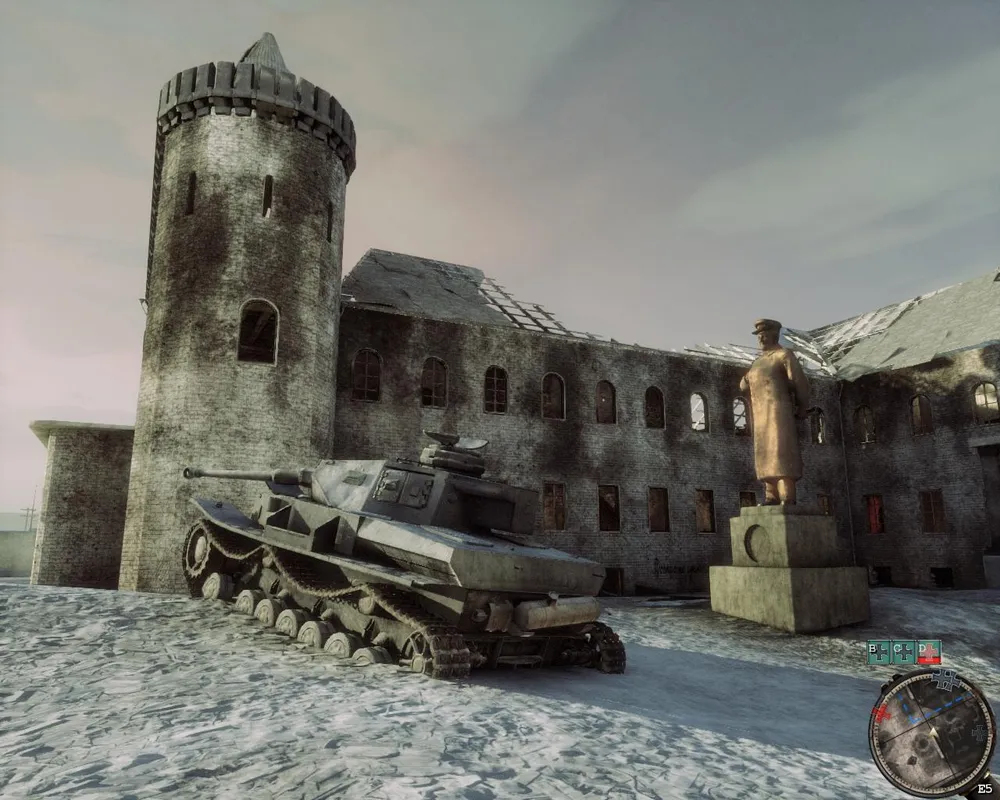
Infantry battles in "Heroes of Stalingrad" turned out excellent: playing is hard, playing is interesting. What cannot be said about tank battles, which not only pale compared to battles in "World of Tanks", but also demonstrate this extremely clumsily. The worst of all in the crew of the vehicle is the driver, who is deprived of normal visibility of the terrain - they have to steer virtually blind. The utility of tanks in mass battles is hard to overestimate – considering their size and mobility, they can easily be shot at from anti-tank rifles. On the other hand, with adequate infantry support, tanks can indeed pose some trouble to the opponent, but that is already, as mentioned a bit earlier, a matter of teamwork.
The fact, guys, is evident
"Red Orchestra 2" will undoubtedly be appreciated by hardcore fans and all that corresponds: the gameplay for snipers is complicated by the peculiarity of the scope, machine gunners got weapons in their hands with which they can easily miss from two to three meters (probably the bullet spread), and automatic gunners with their PPShs and Stg-44 are forced to constantly charge headlong, while shooters must constantly hide behind cover and shoot accurately from there (like in "Gears of War", just from the first-person perspective). Thoughtful map design, variety of hitboxes, good sound, class diversity, and excellent opportunities for team play overshadow even such a shortcoming of the game as an annoying soldier's nasal sniffling.
Result: 8.4