
Why the Old Gamer Died, and How to Live with It Now
Below is a collection of notes, thoughts, and results from a series of observations and surveys. Although it sounds rather impressive, in reality, they do not serve any single purpose: it is just a structured version of my attitude toward the evolutions of both Gamer as a site and its individual aspects.
While in many ways the descriptions below were created for my own needs, perhaps someone will find something of interest here too.
Half a hundred thousand

Strangely enough, despite the complete availability of these figures, the average user often does not pay attention to them. The daily attendance of Gamer at this point is approximately 42 thousand people according to the counters. Accounting for summer and the "medical history," let’s round it up to 50 thousand (a fun fact: this number has not been growing, although it hasn’t particularly decreased either, for about two years now).
What is interesting, and what surprises many (no, seriously), is that the loyalty of visitors to the resource is, for the most part, close to zero. It’s enough to say that only about a sixth of this number visits the main page. The overwhelming majority is loyal (if you can put it that way) only and exclusively to the information.
In a global sense, this means that the "Gamer audience" is not users, but readers. But until this point, everything was more or less intuitively understandable from the old rule 1/9/90; it is quite difficult to accept that a huge percentage of the 90% read not the resource, but search results.
Sometimes it reaches absurd situations where one post entirely covers, and thus is equivalent to four days of work for the entire portal.
The full realization of this fact allows for a more accurate monitoring of the site's development features.
Three resources
In a simplified model, Gamer, like virtually any other commercial resource, has three types of conditional resources: traffic (or attendance), reputation, and money (more precisely, in this context—a monetization complex). They can freely flow into each other when applying appropriate tools and efforts.
However, as often happens, raising one inevitably leads to losing two other parameters. Furthermore, the same "reputation" is further divided into external and internal (where the latter refers to the notorious "interest and creativity").
For branding, for instance, a certain weight is needed for a company to consider working with Gamer under acceptable conditions. If the branding is poor, it can upset users and even scare away visitors (special shout-out to fullscreen ads). Nonetheless, it does bring in money.
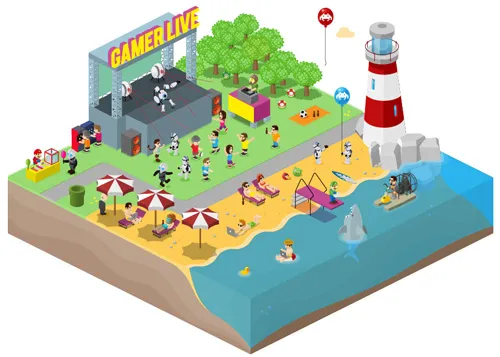
Money, in turn, can be invested into something like GAMER LIVE, thereby improving all other metrics, as it is cool, trendy, youthful, and all that. But it's expensive. The last such event, interestingly enough in the context of this note, was canceled due to insufficient external reputation: not only the reputation of the portal itself (not because it's bad, but because it has competition) but also the industry's standing in the world at large.
Even materials within the portal have to circulate and be circulated between, say, interest and relevance. Most of the most read materials by visitors, paradoxically, often have low and even very low ratings. This is because guides and walkthroughs are simply boring to the registered audience: they are always materials that are needed by a wide audience, but contextually. Hardly many people would be reading guides on all games in the morning.
But the reverse is also true! The most original, creative, and interesting posts with huge ratings often have very low readership. Why? Very simple: too original. So much so that they are simply not searched for, as people don’t even know what to look for.
Are there materials that are both interesting and relevant at the same time? Certainly, but in practice, it turns out that there aren’t so many. The task of the resource is to maintain a balance, providing a favorable atmosphere for writing "in general," while simultaneously pushing toward the periodic writing of specific relevant materials.
A special headache in all this structure is the fact that relevance is such that it changes every two days, so any labors in constructing a "dream society" may unexpectedly collapse. A change in the wind could mean that ship models are now in fashion, while the entire resource, after methodical processing, only writes about tanks and wants nothing else.
As a result, balance must be maintained within the community... at least it should be in theory and it is generally the case in words. How it looks in practice is a completely separate question.
Administration

Over two years at Gamer, a funny tradition has formed: no matter what exactly is changing and in which direction, cries can be heard in the spirit of "the administration is great" and "the administration are idiots." Interestingly, unless specified otherwise, it always refers to one particular person: Kotovskiy.
At the same time, everyone basically understands this. A rather nice way to avoid personal comments. Why, however, this works equally for both negative and positive actions remains a mystery to me.
The equality itself is in many ways accurate, especially due to the long break during which Admin... ahem, pardon, Kotovskiy was not only the "development director" but also the acting chief editor. I’m not from the NSA to be listening in on Gamer's office, but I’ll cautiously assume that the situation has now changed toward a slightly more collective perspective on decision-making.
Such "spontaneous authoritarianism" is neither a bad nor a good phenomenon. However, the inevitable side effect is the emergence of a more or less clear imprint of the "ruler's" personality on the portal. This is manifested in a multitude of details, the atmosphere, and even in seemingly absurd things.
Let’s take something amusing for example. In the very early period of his leadership, the valiant Kotovskiy made (now deleted) post "Popopiatnitsa" with content corresponding to the title. The subsequent outbursts in the comments and even in a number of discussion posts (for example) were somewhat funny but still an unpleasant phenomenon, so the root cause was deleted, and the audience that negatively related to such materials on a purely gaming portal was somewhat cautiously alarmed but generally "understood and forgave".
In general, they laughed it off, and it didn’t take long for the meaningless and ruthless block "[Girl of the Day](/games?search=Девушка дня)" to adorn the main page in prime real estate. And it’s not that this was somehow really offensive; it’s just that the motivation is glaringly unclear. Part of the users, including quite active ones, was visibly irritated by such inconsistency between the resource and the materials, and at the same time, these materials do not bring visible benefits.
Indeed, the attitude towards the "[girl of the day](/games?search=девушка дня)" was well expressed in that it would gradually transition from "girl of the day" to "girl of the week," and then to "girl of the month" thanks to the incredible popularity of the section.
Fortunately, this farce has now been removed, but only upon closer inspection does it become clear that Kotovskiy’s spirit has crept into many aspects of the site’s life, improving some, worsening others, and in some cases sweeping everything away and building something entirely new. In many ways, the "understanding of Gamer" over the last year has come down to the "understanding of Kotovskiy."
Old Gamer

To be honest, I come back to the pear occasionally. In March 2012, I got busy again, turned to other matters. In December, I return — and here lies a wasteland. It’s like leaving your home city for resorts, only to return and find ruins, debris, and devastation. I tend to stay consistent in my habits, so it was painful to witness the complete loss of the creative staff.
— Malkavian, from personal correspondence
The title of this post states that there is some "old" Gamer. To make such a claim, a reference point is needed, ideally numerical, which can help draw the line and show the difference. But surprisingly, you are currently looking at it. The blog GAMER.ru — the heart of Gamer from the past, now dried up and almost forgotten. The center of sociality, the center of communication, in some sense even a small elite club "for its own" — for that very 1 from the formula 90/9/1.
The very essence of the transformation of the new Gamer is vividly highlighted by the fact that in the menu you can see above, if it is expanded, you cannot find a blog dedicated to the life of the site, but you can find "girl of the day."
The true "crisis of Gamer," regarding the exact moment where authors' opinions diverge somewhere a year ago (though that such a crisis did occur is practically unanimously stated) — is by no means "the loss of a light bulb," the loss of authors, commentators, decline of the "creative level," and any other passions to suit your taste. The old Gamer was destroyed the moment the social structure hopelessly disintegrated, thus nearly killing the original key idea of the portal.
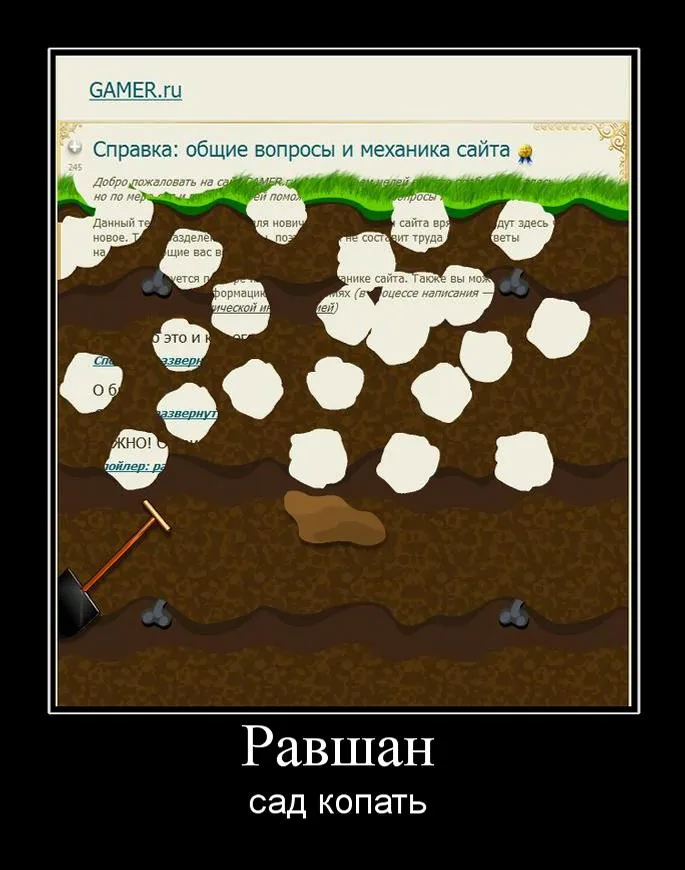
By the way, at one point even the positioning changed. Once, Gamer was called "the first social network for gamers," now — "an internet resource dedicated to gaming themes." And along with that, of course, "a unique browser game with RPG elements," only that the spell system collapsed along with the sociality—aside from all sorts of erasing and editing of posts (which are not a luxury but a necessity), most of the collection remained unused. And if in the case of some spells the problem lies within the spells themselves (the same "Erasure" is an already rather senseless thing), then in others...
In fact, I wouldn’t be surprised if one of the spells has had a bug for a year that has remained undiscovered simply because there hasn't been a suitable situation. Just because the spell has never been used.
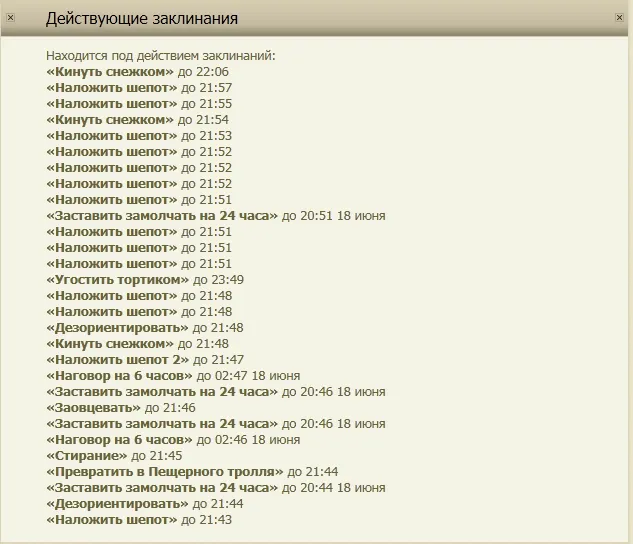
The spell system of Gamer was initially built on precision and a certain degree of "elitism" of the spellcaster. Simply put, two conditions are required: the spellcaster must understand at the same time why and on whom they wish to cast a spell, and must have sufficient level for this.
The first point implies sociality and a certain minimum threshold of social ties within the community, the second — the author's loyalty (emphasizing the author, not the copier or commentator) to the resource over a relatively long period of time. The result of the "great exodus" was both a drop in sociality below the acceptable threshold and a significant decline in average level.
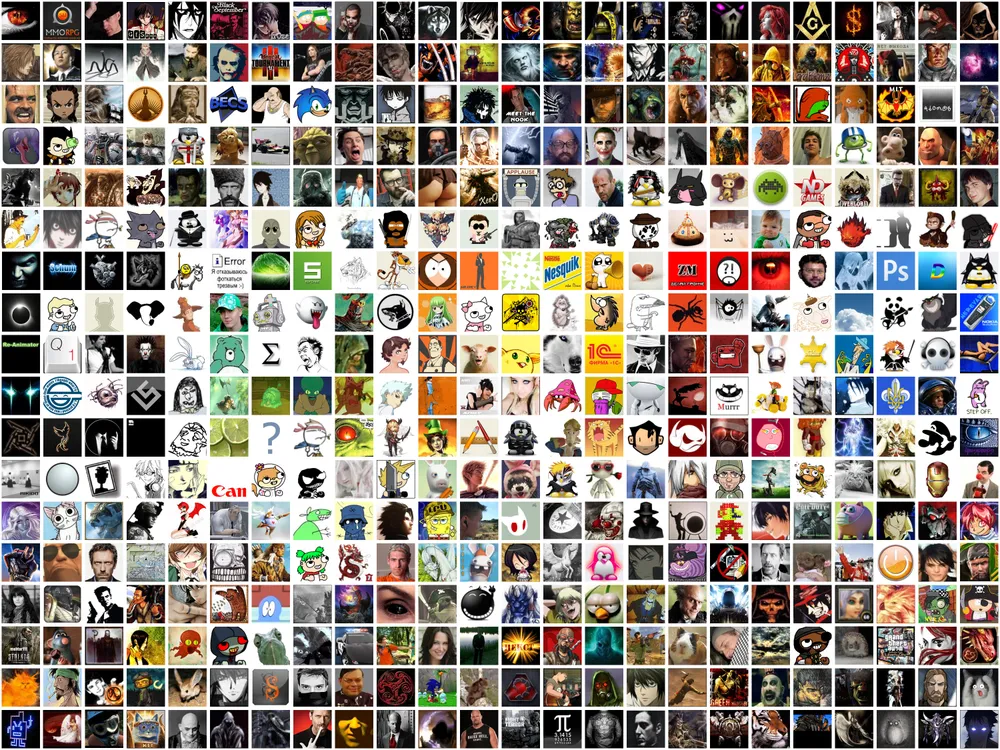
Simply put, at a certain point, Gamer simply stopped operating according to its initial ideals. As a crucial block of users essential for the survival of the old structure disappeared, it collapsed, losing both its familiar composition and any ability to replenish itself by the old rules.
The end result is that part of the functionality of the old Gamer is fundamentally not used on the new Gamer: there’s neither the necessary audience nor motivation. This is an inevitable consequence of changing development policies. The other question is whether this could have been avoided? Or even used to one’s advantage?
New Gamer

Котовский: Unfortunately, the blogger is an optional character.
[Джин Кризсволт](/@Джин Кризсволт): It took quite some time for you to finally say that out loud. Off-topic, yes, I know. But that doesn’t stop being upsetting for more than a year now.
AQuaRity: [...] I feel out of place on gamer.ru since the moment the official news reporters flooded the news feeds, and I was finally convinced of that when the "from the editorial office" tab appeared in the new design. Gamer as a blogging site is dead. And it was killed by specific personalities.
The Gamer of today is a victim of mutual distrust, spiraling out of control. Both sides seem to have tested how far the other can go. Everyone wants comfort, but there is still a balance here: ideal conditions for some ultimately lead to catastrophic situations for others, and vice versa.
First of all, this is about various events and "keys from the publisher." Here, the administration brings a really cool blogger to an event. And after that expects a report, preferably a cool one too. But if a report isn’t written once — it doesn’t matter if the reason was laziness, illness, or even triviality of the event (there’s nothing to write about, simply put) — a grain of distrust is already sown. For all sides at once.
What does the administration think? "Hmm, some bloggers have become unreliable." But it seems to forgive, after all, the blogger is indeed cool. But then what does the blogger think? "Hmm, it seems that I can just go to events for free." This is just one simplified example; there have been many such instances, and in both directions.
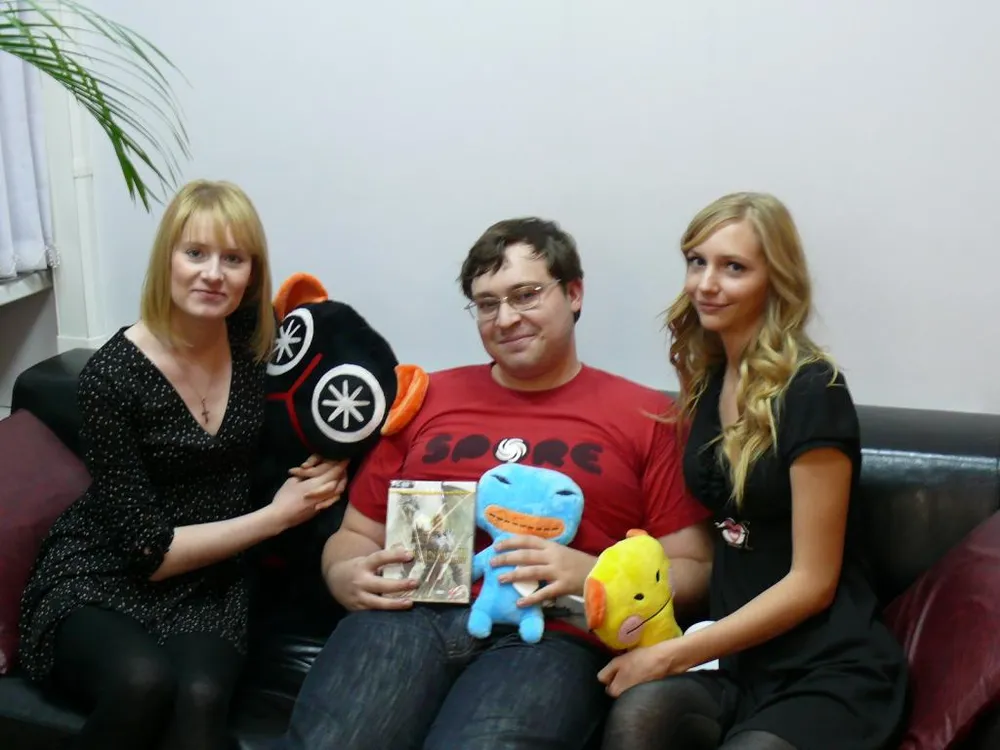
From conversations with quite a few of the most active bloggers of this kind (the fact of small numbers only aggravated the issue), after another round of this "cold war," the administration ultimately surrendered, and even without prolonged constructive negotiations, sharply separated editorial materials from the main ones.
But even after that, the branching continued; the offered keys became worse (more precisely, towards less interesting products), and then almost turned to dust. Events and keys "for the site" ended up monopolized by the editorial team.
After a relatively short period of utter darkness, however, the reverse process began, but it looked quite strange: the volume of purely editorial work in a certain area was bluntly proposed to be handed over for, let’s say, numbers of experience (a relatively recent example). In the best case — additional motivation in the same numbers (sometimes GG). I think it won’t surprise anyone that such attempts rarely gained traction in percentage terms, and the output, to put it diplomatically, was modest.
And quite recently, the situation began — slowly, yes, but what progress! — to turn back. The discussion revolved around what were still somewhat frightening conditions (though it’s hardly surprising after a long period, during which more and more disappointment in the institution of blogging emerged from the editorial side), but nevertheless during the symbiosis.

What has changed? We may never know, but it’s not difficult to guess the causes. The "warm, cozy atmosphere of blogging" was originally not a goal but merely a pleasant by-product of the initial reputational acceleration of the portal. But then Kotovskiy either personally decided to change "the party's policy," or simply activated originally planned actions, but entirely directed all resources to "change the clocks": the site veered off the path of "a warm, cozy community" to the familiar variant of an information portal everyone knows.
Or, to put it more correctly (information on Gamer was indeed always present), it simply reallocates all resources in favor of maximizing the relevance of information, regardless of the transformations of neutral elements.
From a certain point onward, the "little elite club" (as affectionate as it sounds in relation to mere amateur bloggers) lost its weight as a tool. This small structure, in the scale of the portal, did neither harm nor benefit the main parameter — traffic. Of course, in such conditions, in all choices, "to consider the interests of bloggers" / "to attract even more traffic," the decision was obvious.
But the inevitable consequence is a certain blow to internal reputation. Yes, both notoriety and user mass reached a threshold where the interests of individual bloggers became deeply disregarded, but the result was the collapse of the deepest of the original social structures on Gamer and the destruction of the element that held that aspect of the old Gamer — elitism.
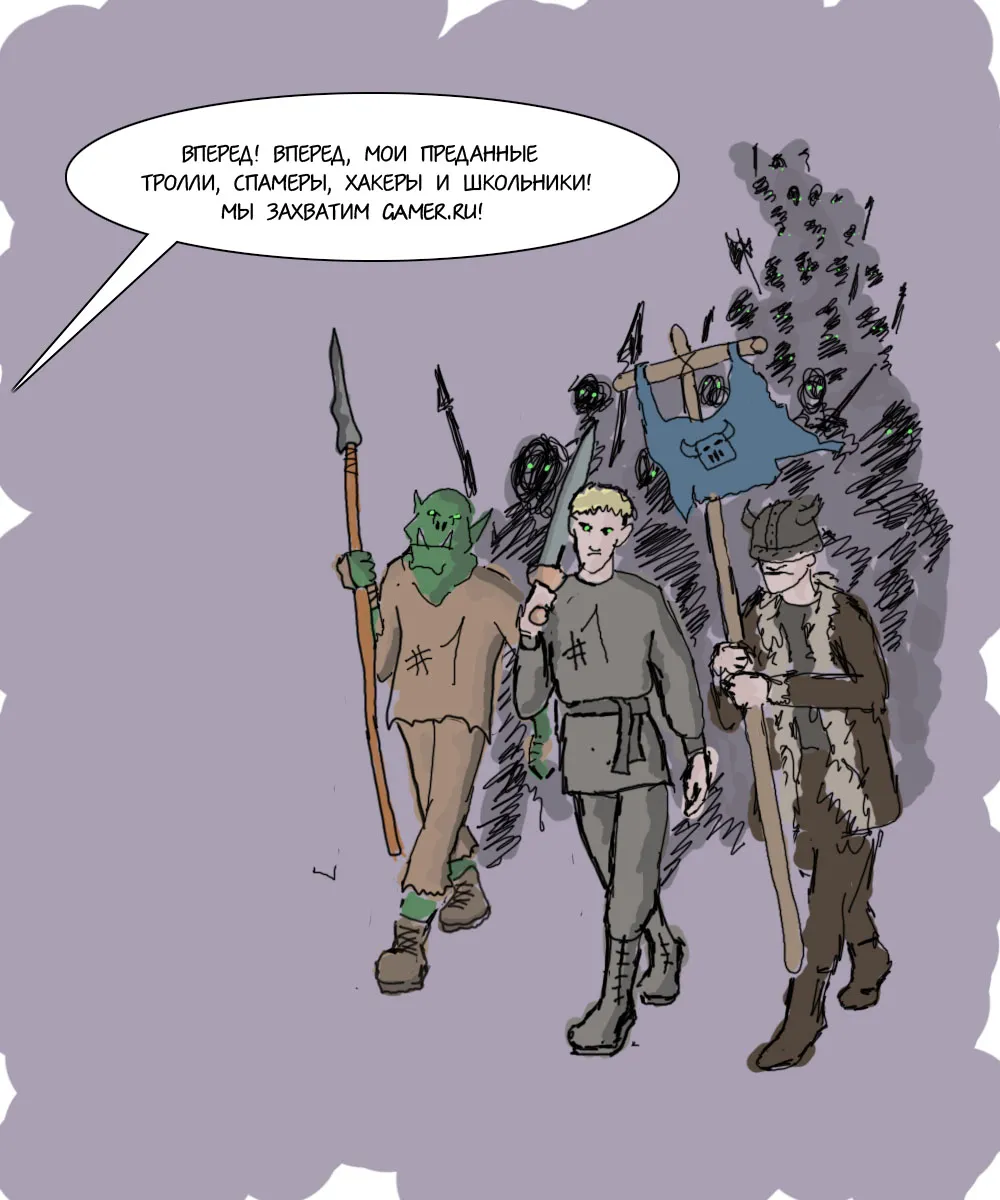
Indeed, both the level system and the very "social component" implied a certain hierarchy. But it was methodically eliminated in favor of universal equality (hello, particularly the "activity"; it amuses me, by the way, that I somehow made it into the current top 5 in less than a week of not particularly intensive labor). Information became paramount over sociability. When all these connections disappear, the "warmth" vanishes, and a gray mass often appears before us, where there is merely a rather abstract audience, but almost no specific personalities that "everyone knows."
But here’s what’s interesting: yes, the entire system collapsed once, but did it actually hinder the goal of creating relevant and only relevant material? Obviously, no. That’s why now there are even vague attempts to return the former glory because that "little elite club," despite all its arrogance and unreliability in global matters, generated that very "atmosphere of creativity" whose loss has been spoken of for over a year now.
After all, they were all such cool bloggers, after all, not SEOs.
Clans
Darth_Malice: Ah, clans need to be finished...
Котовский: They are finished. They have more functionality than clans in most MMOs (their own forum, their own chat).
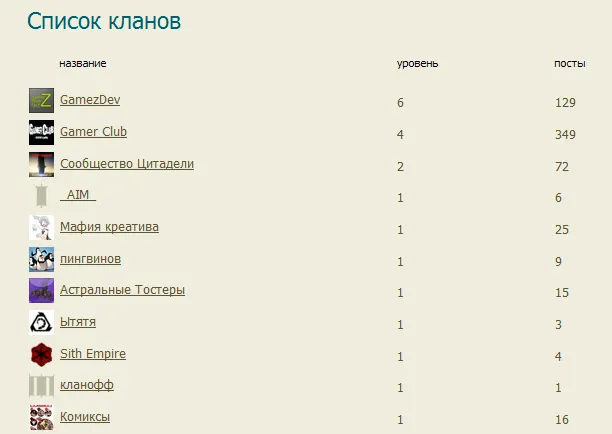
At this point, one is inclined to add "but not really." The current status of clans is easy to understand by attempting to find them without using the detour of “via profile to the clan page, from the clan page to the general list.” Clans today on Gamer are almost in an illegal position—they are neither in the list on the right, nor on the main page, nor in the menu... The top clans can’t even be found on the ratings page.
Simply put, they have been sent to oblivion. The creation of clans is a separate, rather dark story not even from the old, but from the ancient Gamer. Initially, they were created "just to create." Then they accrued functionality. "Their own forum," "their own chat"... but it didn’t fly. Why?
There was no own "meaning." Clans in an MMO are rarely created just "to exist," but even considering a dozen upgrades, the meaningfulness of clans as a phenomenon on Gamer remained at a zero level. Movement in the right direction only occurred during "clan wars," but in reality, these are temporary events intended for occasional application...
Could something have been done...? No, even better: could there be something done about it? There are numerous different options, from the most primitive to the highly sophisticated. And even for inspiration, one doesn’t have to look far: just look at any MMO. Let’s take any element of a typical MMO that serves as a "meaning" and driving force behind the institution of clans, and then adapt it to Gamer.
How about territorial wars? We draw a map, divide it into a couple to several dozen pieces. Wonderful. How can this now be used? We make clans fight for them, of course. For the fact of possession, a huge number of potential motivations can be proposed: a bonus to experience for all clan members, orders, "gold mine GG" in the territory, special status next to the nickname for special occasions... just the desire to "dominate all," in the end. A long time ago, a serious confrontation arose between clans [clan]GamezDev[/clan] and [clan]Gamer Club[/clan], where the former represented the authors' forces, and the latter — quite the opposite, copier types. In a way, it is symbolic that the former have today, quite literally, zero activity, but that is still a good example of ideological confrontation.
One can also note in parentheses that any conflict could be incited by limited resources: the income of one area would hardly suffice to meet the needs of a hundred people, but perhaps for five? Many small clans battling with each other are charming. After all, competition drives progress.
And if such a structure were created, it could potentially be utilized for the needs of the entire resource. First, we would make it so that all territories could only be captured by writing posts. And then we would declare that to seize this one territory — a certain number of posts with a total number of views N is needed. For this territory, only posts in the category “reviews” are necessary. And here we have a territory of the blog [World of Tanks](/games?search=World of Tanks), which can only be captured by posts in the requisite blog.
And this can all be changed based on the situation, shuffle the requirements... It’s a much more ideologically correct method of controlling the flow of materials for the "unique browser game with RPG elements" than some incomprehensible GG, which evoke associations not with "a captivating gameplay experience" but with such plagues of modern games like grind and even pay-to-win (no matter how noble their goal may be in theory).
One could also kill bosses. Groups assemble (it could even be between clans, since in our theoretical model we are not limited in means; it could even be between any users, as is the case in most MMOs) and go to defeat a representative of a company that wants to promote a game. Only damage, again, is dealt via the ratings and/or views (it’s better to use ratings) of posts created by the group regarding the game. When the boss finally dies, experience and items (read: experience itself and various system perks like experience bonuses and, optionally, items from that very company representative) are distributed among groups according to their contribution.
Or let’s create combos. For instance, if a group has posted a review, a guide, and a walkthrough, this would yield a notably greater effect than three identical units of posts. This could help partially resolve the issue of material monotony, inherent in such situations.
And these are just examples, thought up in five minutes for demonstration. You may, in your spare time for your own development, practice and think about how group dungeon raids could be adapted for Gamer, say.
And the dead stand with scythes
sandro123456: I'm curious why the administration doesn't care about the users' opinions anyway?
Котовский: Why do users "not care" about the administration's opinions?
This perspective on the issue is quite rarely considered, but the problem of mutual understanding really exists. Going back nearly two years and analyzing the speeches of both those who left and of those who ultimately stayed, one can conclude that we have a classic problem of misunderstanding what is happening.
Simply put, updates are not accepted not because they "break" something (though that is indeed true), but rather because who knows why it had to be done. Changes are not justified and often not even commented on. In particularly dire cases, even upon direct inquiry.
Once again turning to the logs of long-gone days, it is noticeable that the word "arbitrariness" and its synonyms were quite popular. Yes, we fear changes, but it seems that we actually fear the ancient scourge of humanity — ignorance.

The peak of this problem arose during the so-called "apocalypse" or simply the redesign (yes, yes, that "Return the lightbulb!" from there). For all time, the key reason for this event was merely a humble remark, "The design change was indeed necessary." Why, where, how, for what reason—remains a mystery to this day.
There have been rather few such radical and controversial transformations since then, so it can be said that the degree of the problem has lessened, but questions (and many!) arise after every other update. Why were ratings and comments introduced for separate images, even though the popularity of this feature was predictably poised to be near zero, moreover it introduced an unnecessary iteration in accessing full-screen images? Why was the “blacklist" implemented under the strangest conditions (VIP, absurd discrimination based on level criteria), making its effectiveness as an instrument likewise steadily near zero? Why, why, why...
At the same time, the lack of response to direct inquiries is often disheartening, whether it be in a personal message or a post in the “Questions and Suggestions." Usually, this is either a modest reply (which, let’s note, is already very good), but often silence.
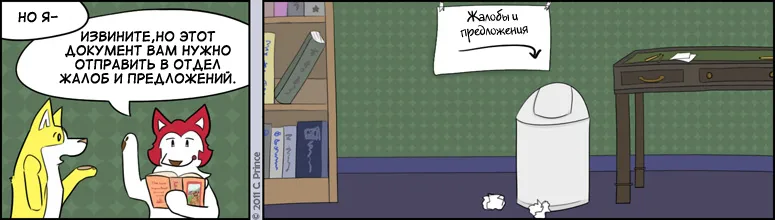
The paradox of the situation is that suggestions and feedback are indeed read, and bugs are fixed — just very quietly. Suggestions sometimes end up in the "global plan," but in what form, for what reason, and whether the author of the suggestion deserves credit for it or the new functionality has been sitting in that list for two years, only now have hands reached it...
It can’t be said immediately why this happens. Perhaps the noble administration hopes that the user is an intelligent being and will figure it out for themselves... well, as practice has shown, they figured it out with the verdict of "arbitrariness," but meanwhile, even the loudest screamers at least vaguely understood that every decision ultimately had some primary causes, even if they weren’t clear without commentary.
Or perhaps this is just simple fatigue from endlessly explaining to users the obvious? After all, these users are usually rather unreasonable (without sarcasm, by the way: that's how it is), to the extent that explaining one's radiant vision of The Right Portal is little more than wasting time...
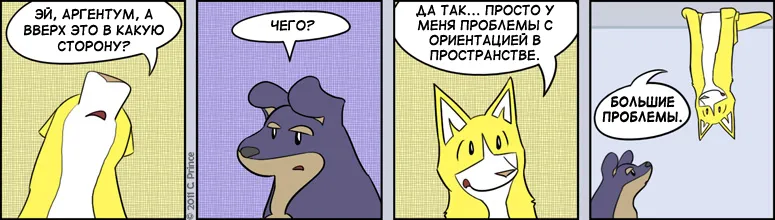
And here again comes the difficult choice in resource allocation: on one hand, the peace of mind of some selected users and the loss of time, on the other—the time that can be dedicated to advancing toward a Bright Future for all of that daily half a hundred thousand people.
But is today’s positioning between these two extremes reasonable? I tend to believe that it is not. Some minimum level of argumentation at least in updates could seriously help to understand what constitutes "good" and what constitutes "bad" in today’s Gamer.
Where is it heading? And, more importantly, why? And the most crucial question — what does "I" specifically have to do with it? If at least the reasons for every update were briefly explained (why this specific functionality is "awesome" for the portal and why it looks exactly this way and not another), it could help improve mutual understanding between users and the editorial team, the crack between which appeared with the pronounced separation of them from one another over the same year and a half ago.
Although, I suppose I am just another "unreasonable user." But in this silence, I will probably never know...
About activists

As the main reason, it seems to me that many just "burned out." There were few instigators to begin with, and once they disappeared, the others, being lazy and amorphous, stopped doing anything.
— Werat, from personal correspondence
On Gamer, both in the old and the new, there have never been any tools for collaborative work. This is a fateful error of the portal as a social network, yet social ties still formed from somewhere, and today they are even managing to form again. Where did they come from? Why did they stop at some point?
These are rather complex questions, requiring a comprehensive answer; I hope that this collection of notes will at least bring us a little closer to understanding this situation. Let’s consider the roots of sociality. They imply communication and any joint activities. Chat rooms are lovely, but as we’ve already seen from the sad experience of clans, they are no more than tools, not an end in themselves. What brought bloggers together on this portal?
The obvious answer: texts. Some regulars find like-minded people among others simply by browsing their texts, commenting, exchanging opinions in comments, sometimes moving into personal messages and joint correspondence. This is how the primary cells of the old Gamer formed: there were both "indie game specialists" and reviewers, translators... Certainly, in the most popular blogs, such cells arose simply around a game. At the moment of writing, a good example would be the blog [BioShock Infinite](/games?search=BioShock Infinite), and coincidentally, it also sharply illustrates the next instrument of Gamer's sociality.
This sociality requires a "core." Common thoughts, common interests are nice, but the defining characteristic of the old Gamer was genuinely collective work. Cells form around leaders, around activists (and it doesn't even matter if they realize it themselves). Primarily, these are the ambassadors of blogs. By displaying sufficient persistence, sometimes employing various tricks in proposals to Gamer friends to write the next post specifically in their blog... this is how new ties are formed. The blog becomes a lively platform where bloggers get to know each other and learn from one another.
In MMOs, which Gamer was supposed to emulate "on paper," such individuals would be referred to as event-makers. Spontaneous flash mobs, trivia contests, and more — this is something that any MMO can easily survive without, but... you know, we wouldn’t want that. Because it’s interesting.
But the business doesn’t end at blogs. Long before the emergence of today’s clans, true clans existed — possessing structural significance. For example, the "Mafia of Creativity," where several people worked together on specific themes. This also includes organizers of gatherings (even before GAMER LIVE, Gamer bloggers periodically met "just for fun"), "forum games" (hello ostracism), contests (real contests, not wretched lotteries), the aforementioned flash mobs, and even such things, impossible without a robust social element, as internal press — both serious (hello hometown Gamer Times), as well as numerous "yellow" ones.
In an ideal world, those who organize all this would be the bridge between the editorial team and bloggers... and they were, it should be noted. But then they left, the editorial team built walls, and bloggers almost entirely turned into pumpkins. Just users on another gaming portal.
In fact, if there’s a desire to return to the "old Gamer," the path to that lies first and foremost through working with such activists. They inspire, catalyze, and merely serve as a "bridge" between the collective unconscious craziness and the Napoleonic plans of the administration.
Another question is that establishing work with such people and nurturing them is a labor-intensive process. Ideally, the system should have originally encouraged a variety of unions. Oh, if only clans were not just a meaningless addition to a nickname, but something more...
New-New Gamer

Perhaps enough has been said about the past; let’s turn to the present now. The current situation is in many ways dualistic. Last Monday, I was quite amused by the sight of the main page, which had only one silver post on it: a humorous consequence of the duo of the departure of the owners of the most explosive content and the banal fact that it is summer now.
The user base, as battle testing has shown, is generally quite fragmented. In general, there have always been some skirmishes between some well-known users (mainly for ideological reasons) on Gamer, but now I observed a qualitatively different level of chaos. However, it should be noted that it is much better than it was just a year ago: many look at each other suspiciously now, but at least they recognize one another. Yes, building "the new Gamer Times" here will not work simply due to internal conflicts (and frankly, there aren’t enough people to not paralyze the work of the portal, to be honest), but there’s something to work with here... if one desires, of course.
Apparently, Gamer is going through the same stage socially that it once experienced during its early beta testing: the gradual formation of new cells and cautious evaluative glances everywhere.

There are also undeniably positive signs. For instance, currently, the clan [clan]Two Points on the Apgar Scale[/clan] remains in a stable state. Although the actively participating portion of the clan constitutes less than a dozen people (less than a third of the total membership), this is still better than nothing. At the end of some posts, thanks can again be seen for proofreading and help in creation. Although, of course, not as frequently as one would like. The Gamer Weekly event is absolutely wonderful. It’s nice that the blogging adaptation of the "Almanac" finally found application with the editorial team: competition drives progress, and attention is simply pleasant, so here we are killing two birds with one stone.
It cannot be overlooked as a positive sign that the successful conduct of Gamer Dead 2013 (the name is interesting in the context of this post, it seems to me) took place, despite a rather modest promotional campaign.
Humans are social creatures. If the portal stabilizes within its once chaotic motions here and there, a semblance of the old social system will form here naturally: after all, the audience exists. Only, of course, this will happen sooner rather than later.
Should this process be expedited somehow? I don’t know. I can only say that the old Gamer was a unique mix of forum atmosphere with a huge audience of readers. Such a thing is unlikely to arise again anywhere else. But from that, there’s little objective statistical benefit: yes, it’s cool when there are really great bloggers, but the rotation of users is huge: literally, in six months, over half of the "first echelon" has left the site, but neither attendance nor even the number of materials—in non-abstract qualitative, but in harsh quantitative—evaluations has changed.

"Warm, cozy Gamer" is a utopia that left because its support turned out to be unnecessary to those who could sustain it. It didn’t provide any benefits; sometimes it even hindered the main goal. It would not be entirely correct to say that "Gamer died as a site." It is very much alive, but the authors have changed it beyond recognition. Gamer lives on as a site, but is still dead as Gamer, as something unique.
So the question of "Should we restore it?" remains unanswered. After all, when asked, "Should we preserve it?" while the system was still functional, a decisive "no" was given.
But it’s a slightly different question, can we restore it? In its original form—hardly, too much water has passed, and I’ve already mentioned certain downsides. It cannot be restored, but it can be integrated. Make it not a random manifestation of the interest of some random activists but a working element of the system.
From the administration's perspective, the most obvious path would be clans. Relaunch them, breathe meaning into them, and then utilize them. Make Gamer a bit more of an actual game, as declared "on paper." KBNiVT, Gamer Weekly—these are also important tools on this path. They create the right atmosphere. And of course, "working with users"... what, however, will be invested (if any) in this cliché phrase—remains a mystery even to me. After all, with each new day comes new relevance and new goals.
What can users do? Six months ago, the answer would have been almost unequivocally "nothing," but now there are indeed small, yet stable unions of people. You can give their existence more meaning and interest, whether it be contests from the clan’s side, collaborative writing of posts on a certain topic (the "Mafia of Creativity" began with "synchronous volleys" of posts, for instance) or anything else.
And those who are outside such cells... you can join. You can create your own. You can start your project, throwing out a call for participants—people will find you. The hardest part is launching the process, maintaining it interestingly, and without any additional motivation.
And until that point, the old Gamer is dead. And living with that knowledge is rather sad.
\The texts draw from limited information from open sources: detached from objective internal statistics, many assertions may be based on incomplete data. Also, of course, this material should not be regarded as anything more than the author’s subjective opinion.*