Where are my wizards????77© almost Conflux. A review of Heroes VI and a bit about the series in general
How it all began
Personally, I started playing "Heroes" with the third part (what a surprise, right?), but I also played the first, thanks to the computer lab at school No. 166 in Voronezh-45, and the second, which was installed on my very first computer from the collection "500,000 games, of which about 5 work". And, of course, I considered (and still consider) HoMM III a masterpiece in terms of the harmony of all elements; it was the first game I purchased.
The style, battles, castles, music, map - everything blended perfectly; it was a huge leap compared to the second part (though the style could be debated). But, unfortunately, from a gameplay perspective, [Heroes 3](/games?search=Герои 3) were a catastrophe. Nothing really changed since the beginning of the series. You still created caravans of first-level heroes to deliver troops, still ran around the map capturing abandoned mines, still ignored half of the creatures in the castle for the chosen 2-3 units, and still chose magic over swords. It was precisely because of all this that the famous hours-long matches happened.
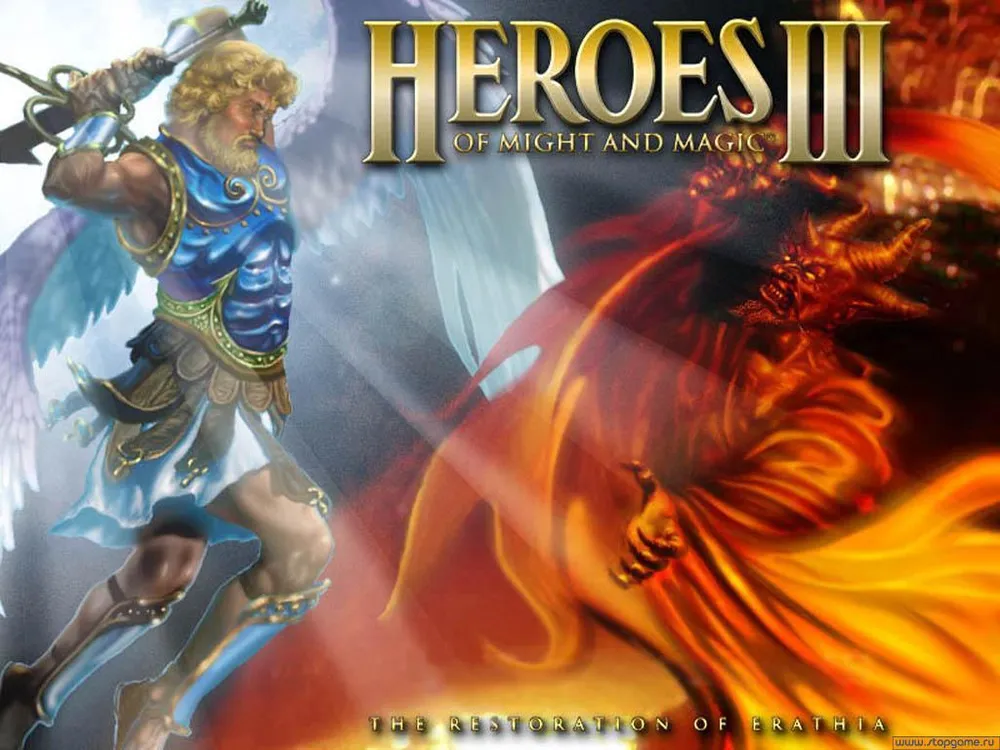
Balance was not just off; it didn't exist. The Necropolis was the absolute leader, with thousands of skeletons, unkillable vampires, and the only level 6.5 creatures - death knights that could be acquired in hardly a week, after which you could launch a black crusade and cleanse the entire map of signs of life. An equally great castle, Conflux, was added in the addon, where the growth of first-level creatures was not different from that of level 7 creatures, which also resurrected. Meanwhile, we also had such castles as Inferno, Fortress, and Citadel, yes. Fortress, by the way, was my favorite castle, and it saddens me VERY much that swamp creatures no longer shined in the series (besides the eternal hydras). And all of this was spiced with the uniformity of castles, which only differed in the unit set; the battle tactics were the same for all.
Combat itself was a concentration of tactics and strategy, with clever maneuvers such as "fly to the archers," "hit the archers with magic," or "blind the archers." Oh, and there were also cool elements like absolutely useless hordes of first-level cannon fodder (though they were often not bought at all) and very interesting and necessary horned demons with peasants.
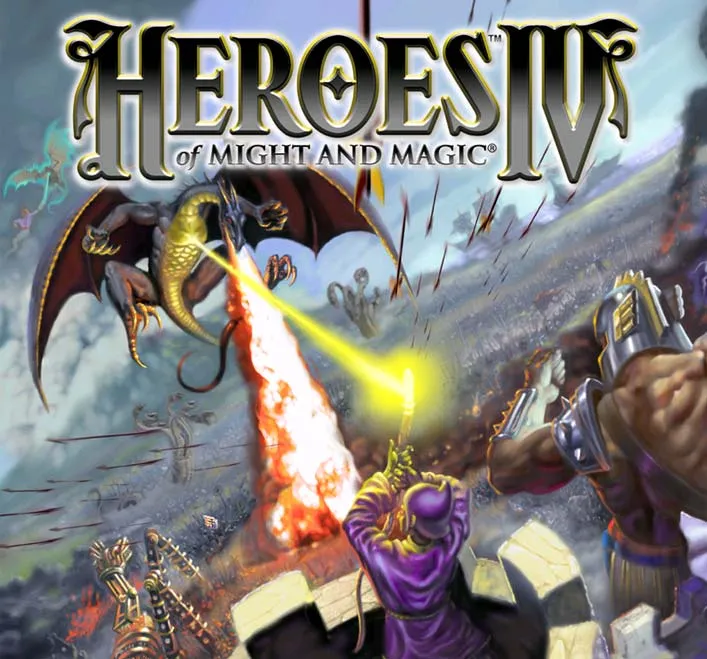
In short, all of this needed to change. And in [Homm IV](/games?search=Homm IV), NWC was not afraid and chose the path of total revamping of the entire game, shaking almost all foundations. By the way, creature upgrades were far from being the main focus. So, in H4, there was a truly magnificent system of hero abilities, and their participation in battle was excellently developed, thanks to the new shooting and magic system. An overpowered mage was an easy target if not protected from enemy ranged units. A fighter hero, meanwhile, was no less dangerous, due to high damage and survivability. An enormous variety of skills, their combinations, artifacts - I consider all this the best innovations of the "fourth". Each unit was given unique abilities, which created very interesting combinations and opened wide avenues for tactics. By the way, regarding tactics - Homm III didn’t even compare in terms of combat. H4 was chess, while "the third" was checkers. As for creature improvements - they were still mandatory for everyone, so why pay twice to get a 100% effective unit? In a way, their removal was logical, but it's controversial. And there was real diversity in castles and their tactics. Life relied on defensive magic and resurrecting, which in sum created hordes of unkillable squads that were extremely hard to wear down. Chaos enjoyed huge economic superiority due to thieves, smoothly transitioning into magical dominance and BLACK DRAGONS. Death - classic necromancy, summoning the undead in battle and curses. Nature - mass calls and excellent archers. Order - powerful economy, diplomacy, and the best magic, but with very slow development and expensive units.

But as we know, this part was expected to fail. People couldn't endure the absence of unit upgrades, no growth on the first day of the week, and the lack of choices in castle development paths. Or maybe it was the yellow interface covering half of the screen; I don’t know. The game flopped, NWC went bankrupt, all hope was lost. But then the banner was picked up by Nival, who learned from the predecessor's mistakes and released HoMM III v2.0, having worked on the tactical part and diversity of castles, where each race had its own "feature," which previously only Necropolis could boast. The developers were clearly afraid to depart from the recipe of the third part; in the end, a solid game came out, and the role-playing system was obviously a class above the HoMM III system, though the magic turned out to be a poor reflection of what we saw in the fourth part. Two magnificent add-ons pleasantly infused the game, but still, these were the same old good "Heroes" with their old good problems.
Let the savior Conflux come!
Somehow, I got swept away into a sea of nostalgia. In short, we can finally see what the developers of MM:H VI have accomplished. By the way, the abbreviation is silly, but that's okay. The first thing that stands out is the special online feature of the game called Conflux. At any given moment, you can join a room "for chatting" where you can listen to how schoolkids lament that "Heroes" are no longer what they used to be. Moreover, the game can connect to your Skype, allowing you to type in the Skype chat without leaving the battle; however, this brings some issues, particularly the unwieldiness of the window and its constant minimizing (though maybe it’s just me having such bugs).
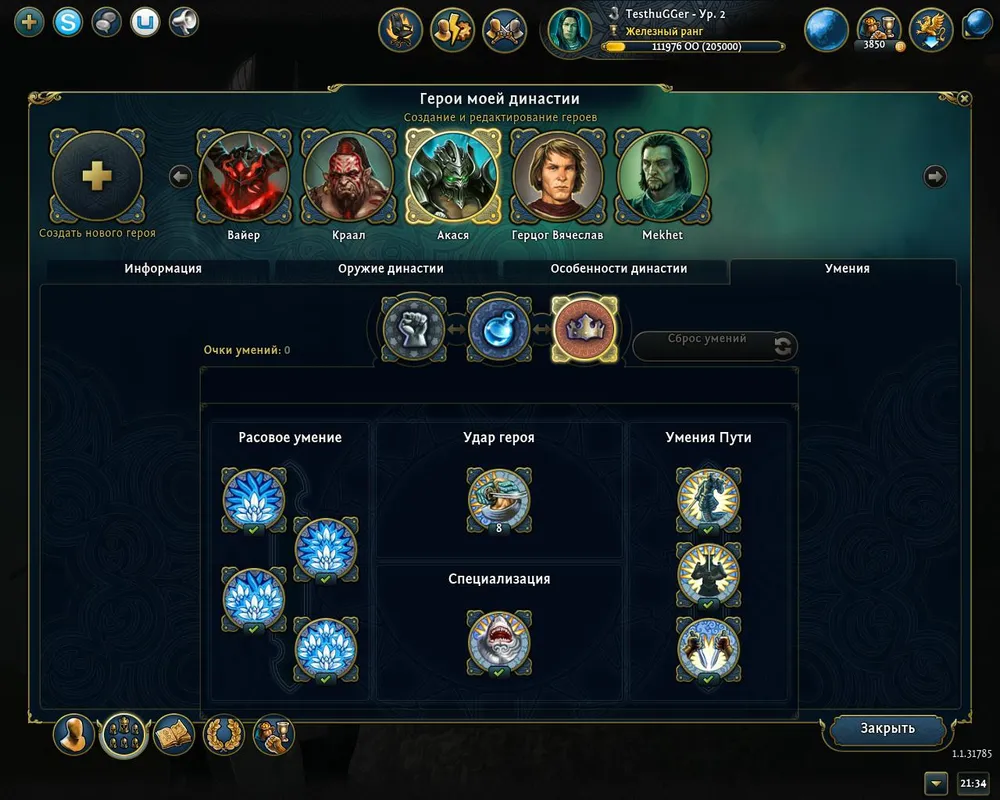
In Conflux, a global profile called "Dynasty" is created, to which experience earned by heroes in the game is attributed. Starting bonuses are tied to this profile, which can then be selected at the start of a match for any hero. These bonuses, by the way, still need to be unlocked; initially, there are only three available - gold, resources, or a luck card deck.
Special dynastic artifacts (some are bonuses for pre-ordering/purchasing from various places) are tied to the profile, and favorite heroes are assigned. Dynastic artifacts receive the same experience as the hero who equipped them. Gradually, the artifact gains levels, unlocking new bonuses, such as "+5 to initiative for all creatures" or "+ to Dark Magic." These bonuses do not break the game, and they can also be turned off in online play.
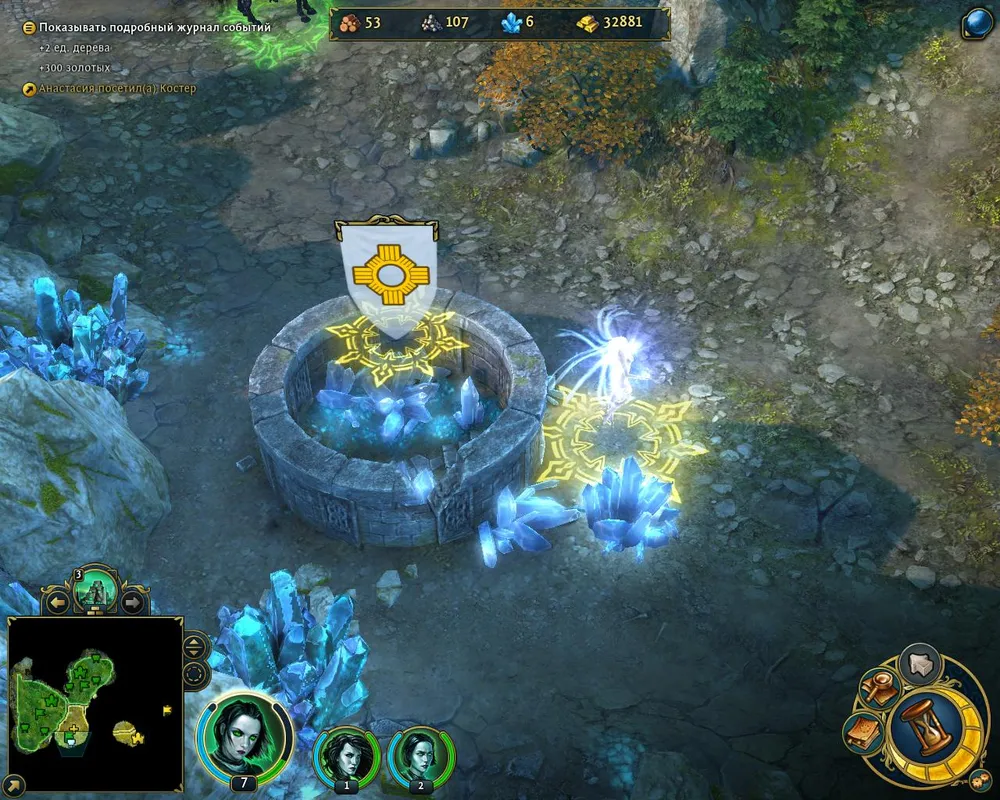
The dynasty also includes heroes created by you; however, to select a specific castle in combat or online play, you first need to create a corresponding hero in the dynasty for the city, which is somewhat inconvenient. The profile also tracks your achievements, like "obliterating 100 archangels with a squad of maniacs," for which rewards are given in in-game currency, which you can then use to purchase hero portraits, skills, or dynastic weapons (for now, it’s empty). I think the assortment will be expanded. There’s also an encyclopedia in the profile with information on all the creatures you’ve seen, complete with all characteristics and backstory.
Additionally, on some campaign maps, there is a Conflux sphere where you can write something smart, but at the moment it’s just a portal to School-land and the land of "funny" comments.
One day a Russian, a necromancer, and an angel demon went off to fight...
From the beginning, we only have access to the tutorial campaign, consisting of 3 missions, where we are shown the basics of the game. We can see how much more convenient everything has become. The essence is no longer in controlling separate mines, but in capturing territories and controlling forts and cities. Of course, you can capture a mine, but it will only be yours as long as the hero is standing very close; to capture it, you’ll need to take the local fort or, god forbid, the city. Creatures from nearby dwellings flock to the forts, and both the dwelling and the fort can be upgraded for your race at a small cost. Speaking of costs and mines - instead of the myriad of resources, we are left with only wood, ore, gold, and crystals. Technically, each castle used only one resource for its needs, so diversity was only really necessary for the mage guild, which was abolished here, and this seems to be an expected change. However, resources were one of the calling cards of the series, so this is somewhat controversial.
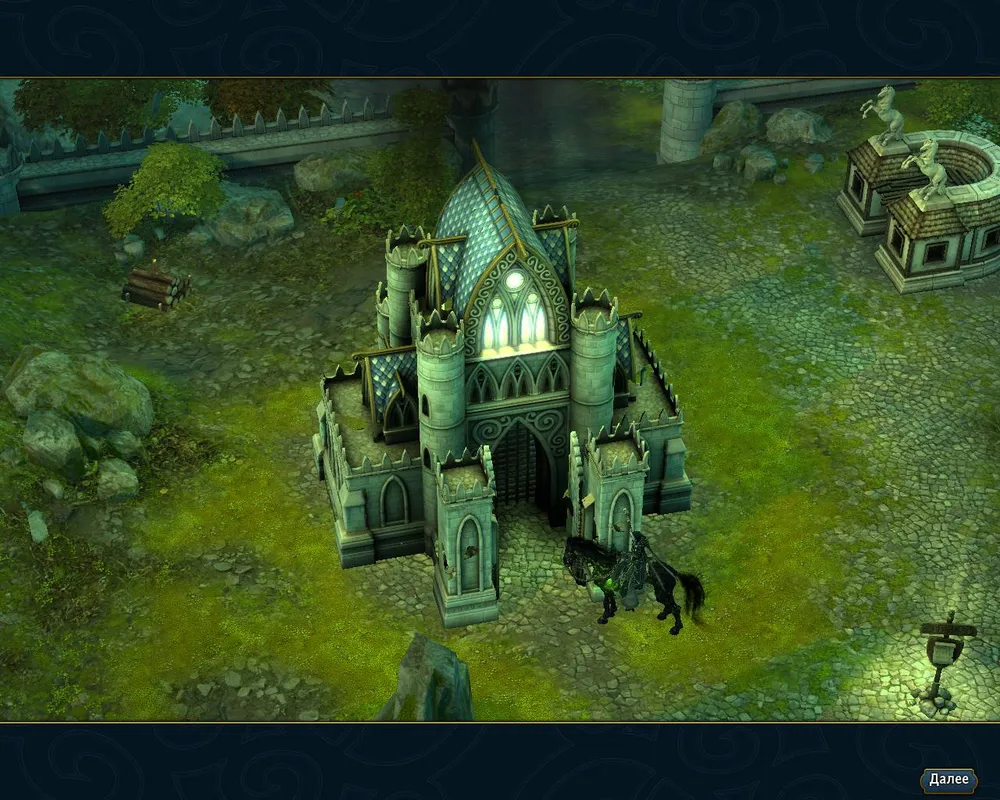
Now, onto dwellings and creatures. Now, there aren’t seven levels of creatures, or even four, but just three. The first level has three basic creatures, like guardians, archers, and sisters among humans. They form the backbone of the army, occupy a large volume, and are by no means mere cannon fodder. Every unit has its value; weaknesses are compensated for by abilities and vice versa. For example, the same sisters can heal and RESURRECT allied troops. Previously, only angels could boast this. At the second level, there are special creatures, the striking force. These include vampires, liches, and lamassu among necromancers. Each unit is a valuable fighting unit fulfilling a specific role on the battlefield. By the way, vampires are no longer a wildly unbalanced unit; they now drain much less life, but have gained nice abilities like absolute defense for one attack. Finally, the third level consists of the highest creatures of the castle, of which there is one, and this time, there are no identical dragons across half the factions. Some resemblance exists only in the Sanctuary, but there it’s an eastern-type water dragon, more akin to a giant snake. Dwellings are divided into 3 levels, and each gives a boost to the growth of corresponding-level creatures in cities.
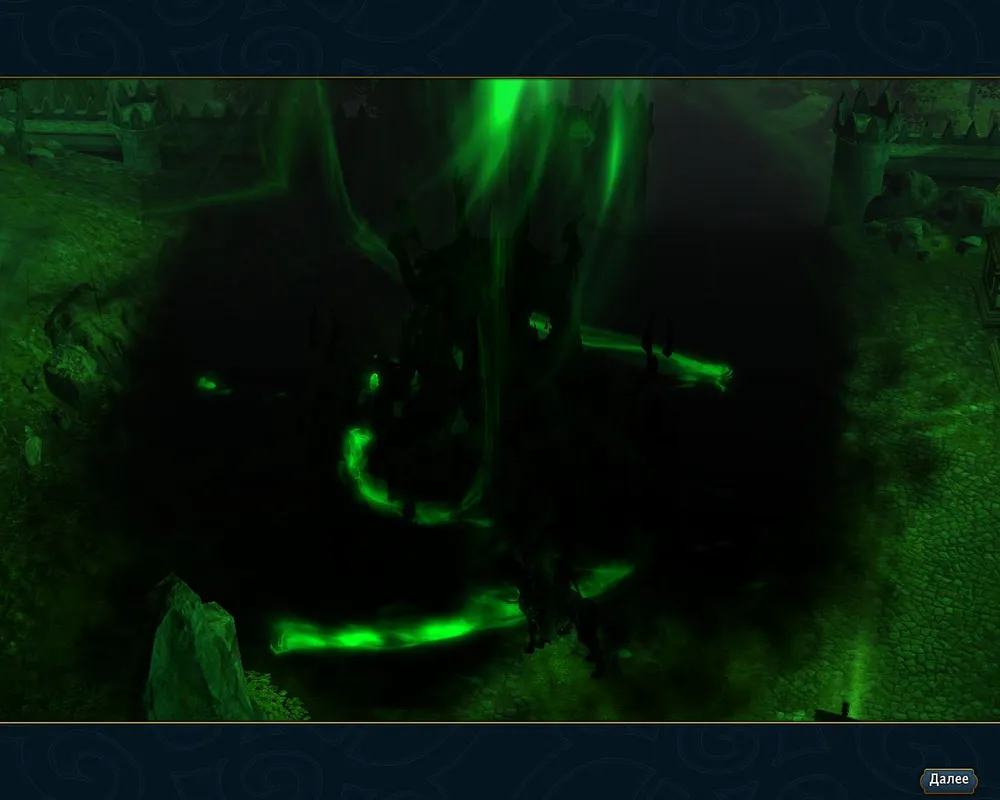
In each castle, unique structures can be built, and you need to choose two out of four. The built Grail (also known as "Tear of Ashi") provides plenty of gold, growth, and a clever racial bonus. By the way, all constructed buildings change the external appearance of the castle, which looks great. In every castle, you can build a portal that allows you to move to any other castle. I almost forgot to mention another feature - identical castles form a unified offspring each week, which can be purchased in one place, without the hassle of transporting and caravans. Some might call this a simplification of the fort system, but I believe there’s nothing wrong with such bulk purchases of creatures.
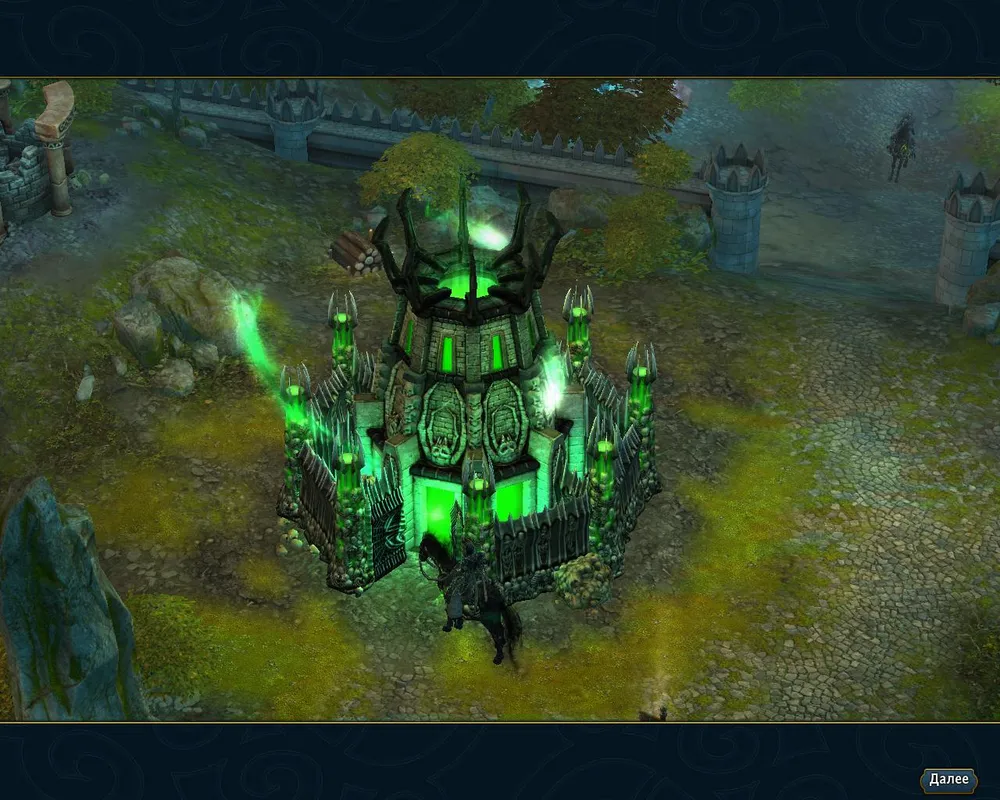
What are "Heroes" without heroes?
There were several interesting changes concerning heroes. Firstly, heroes now specialize in magic or strength. The former have access to more spells, while the latter get more combat skills, which, by the way, are quite diverse and useful. Furthermore, some artifacts require a focus on strength/magic, meaning a mage can’t carry something like the Shield of Dwarves. Like in the fifth part, heroes can directly attack enemy troops, and warrior heroes obviously hit harder.
Secondly, heroes now have a reputation. If you're pursuing retreating units, leveling up skills aimed at direct damage, and all that - Blood reputation rises. If you let creatures go peacefully, prefer defensive magic, and vegetarian food - Tears reputation rises. Upon reaching a certain level of reputation, a hero in any town can receive a special title. This changes their appearance (more warrior-like when following the Blood path, for example) and grants a special ability, which can be either passive or active. The system is interesting and adds even more variety. By the way, heroes no longer need levels in Scouting to assess the threat level of a certain unit.
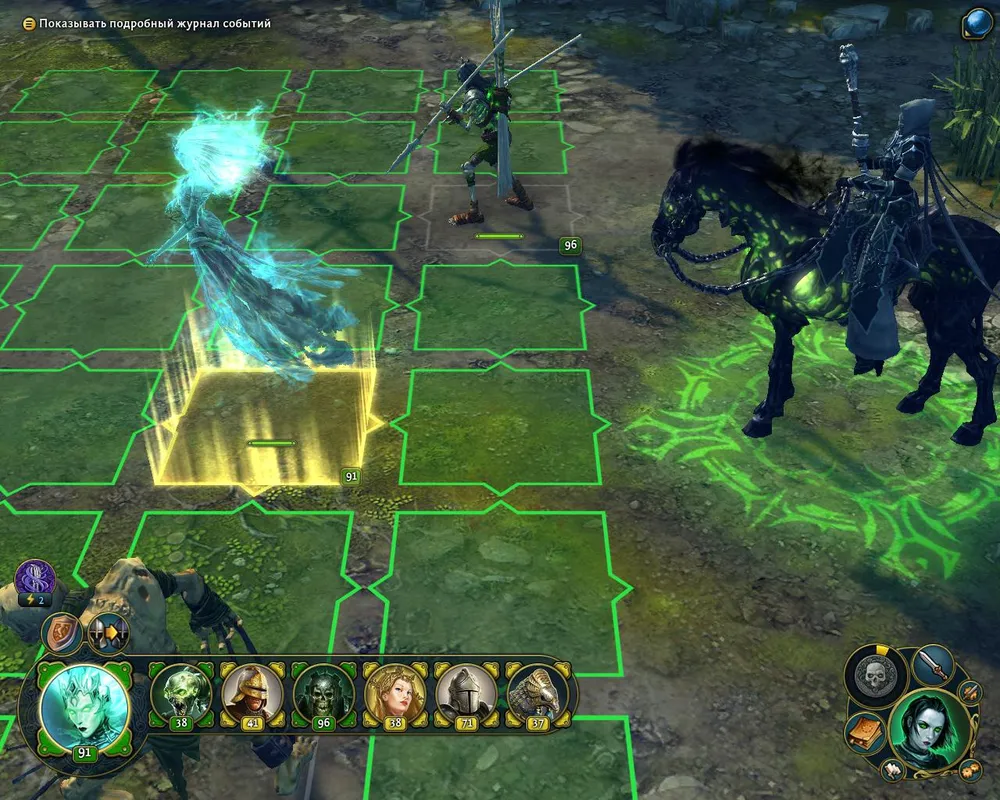
The game features artifact sets, but bonuses come from each pair from one set, and assembling a full set will be extremely difficult, so don’t expect bonuses akin to the "Elixir of eternal life" from HoMM III for three collected rings.
Heroic luck now influences the chance of double damage for warriors, while bad luck results in misses, and special animation is played for double damage. High morale allows the squad to take another turn at the end of the round, but only for half the move distance, and the hit will be half as strong. Moreover, creatures are now divided into those dealing physical damage and those dealing magical damage, with a magical defense parameter introduced as well. The hero’s magical strength affects the damage from spells used and the effectiveness of curses/blessings.
Where are the Sorcerers?!
Now let’s move on to the factions. In the first game of the series, there were Barbarians, Humans, Sorcerers, and Nature. The second added Necromancers and Wizards (quite ambiguous in nature). The third gave us Swamps (;_;), Demons, and Elementals. The fourth retained only Humans, Barbarians, Nature, Necromancer-Demons, Wizards, and Sorcerers. The fifth delighted us with Humans, Wizards, Elves, Dark Elves (who are also sorcerers, and "hello to Warhammer"), Demons, and Necromancers, followed by Dwarves and Barbarians. In the most recent game, we see Humans, Necromancers, Barbarians, Demons, and Naga. As we can see, the eternal Nature and Sorcerers with Wizards have vanished. Let’s break down the factions in more detail.
Humans have become much more "holy"; they now have not just man-man-man-griffon-man-horse-ANgEL, but a total of 3 Light creatures and one indirectly light creature, the Sister. Their racial ability is absolute defense, "Guardian Angel," which allows the specified squad to become invulnerable for a few turns. Overall, they became much more interesting and epic.
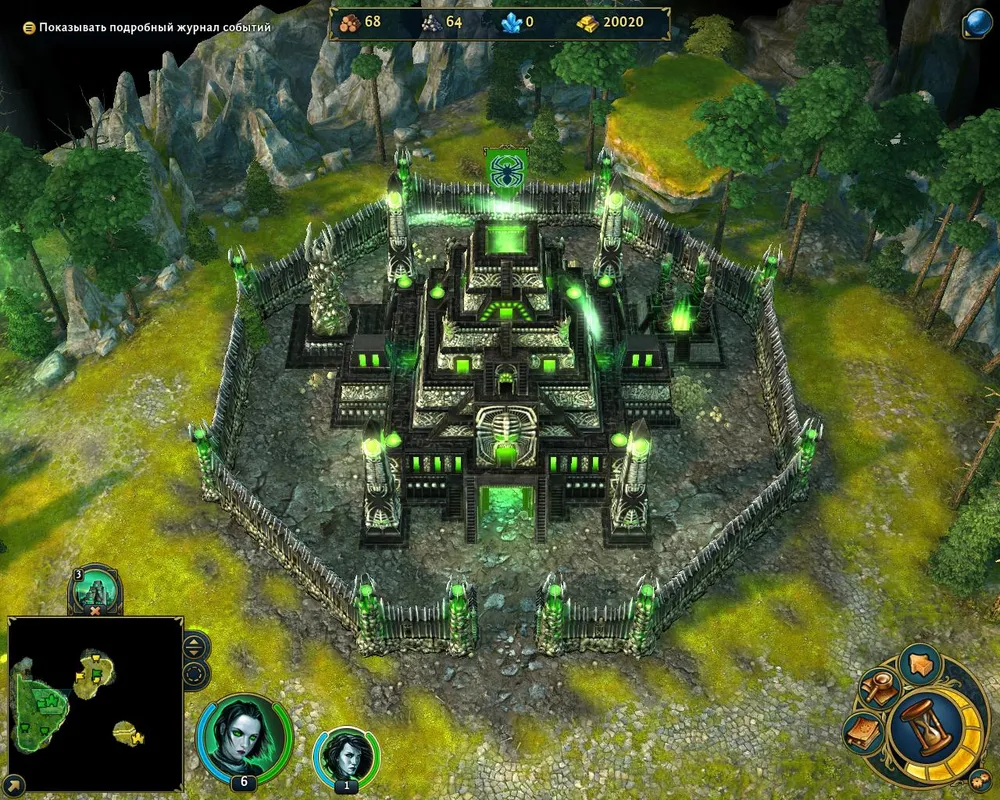
Necromancers have become less sinister and dark; they are more like specialists in death with Egyptian-themed designs, greeting the Tomb Kings. The castle looks like a pyramid, very beautiful. The racial ability "Necromancy" allows them to resurrect (surprise) their squads during battle. Necromancers do NOT resurrect squads after battle; however, they have a unique building that allows them to purchase their killed units in the castle for 3 days after the battle, though it’s considerably more expensive than regular hiring.
Demons, it seems, made a pact with Chaos from WH:FB. No more idiotic devils and horsemen - now they possess a broad assortment of powerful red horned beasts, and the devils have been replaced by extremely impressive Lords of the Abyss. All demons have gained fire resistance and vulnerability to light. The racial ability has been retained; they still summon reinforcements from hell, and a commander following the Tears path can save some even after battle.
Orcs have practically not changed from the fifth part, except they now resemble Indians thanks to colorful war paint and an overall spirit of "for Mother Earth, I’ll rip you apart, happy hunting." The blood of demons gives a slight vulnerability to Light and resistance to Fire. Their racial ability, "Blood Rage," simply grants good bonuses to initiative and damage for all creatures, with no more "gained 3 levels of rage and killed a dragon with a squad of goblins." Overall, they are very good, sharp fighters with low defense.
Naga - newcomers to the series, the creators were inspired by Eastern myths associated with the seas. Predictably high resistance to Water and low to Air. The castle looks like a gigantic natural waterfall, it’s beauteous. Units are highly effective, tough, and powerful close combat fighters.
As we can see, the developers have entirely "fixed" Necropolis and, for the first time in a long while, enhanced it, demons, and the human castle with new interesting units, giving orcs a recognizable style and not hesitating to add a new race while removing a couple of the old ones. Although, as I see it, they could have made another castle for good measure. We hope for add-ons.
All is good, BUT WHERE IS THE %%? REVIEW?!
So now, I’ll briefly run through the other points. Music in the series peaked in HоMM IV; Paul Romero surpassed everyone.
Game number 6 borrows some tracks from HoMM V, some of its own. Some of these tracks turned out quite well (the Necromancer theme, for example), but, of course, it didn't reach the peak. And there's no drums in the battle; what nostalgia that would have stirred!
Units are voiced well; however, I play at high animation speed, which, strangely enough, also speeds up the sound, making it sound like chipmunks in battle for me, which isn’t very okay.
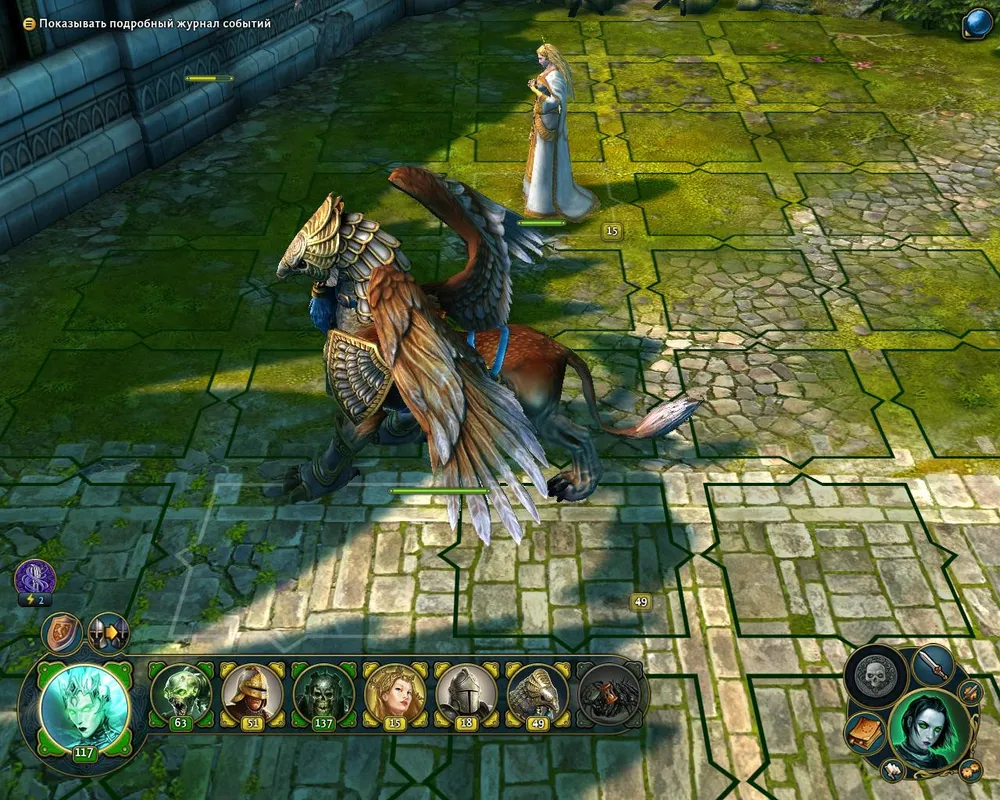
The graphics are very impressive in terms of style; each castle is easily recognizable, and the hero portraits are beautifully crafted. The style has become much more serious compared to Heroes V, with no fairy tale feel - correct proportions, shiny armor, grim necromancers, and blazing demons. It somewhat reminded me of the aforementioned WH:FB, but that’s a good thing. Cities look simply magnificent from the outside; units are beautifully animated, especially critical hit animations.
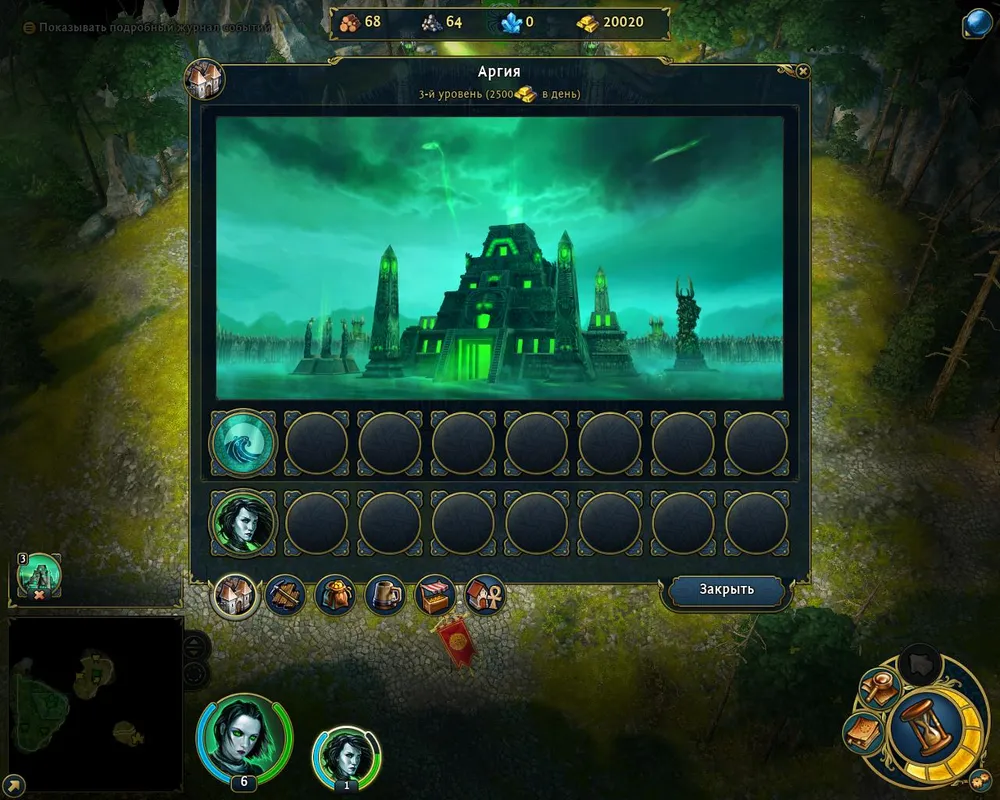
As for complaints about the graphics - the long "loading" of objects after loading a save, and the city screen is really unimpressive, failing to compare with the third part; I won’t even mention the fifth.
And, of course, bugs and Uplay. For instance, skeletons slow down even without upgrades. Spirits of Light are called spirits of Air. If you lose connection to the internet - you will be booted to the main menu. Personally, I was even kicked out of the game, even though the connection was in perfect condition. In short - patch, patch, patch, and everything will be alright.
Pros
Cons
Visual style
Role-playing system
Variety of creatures and tactics
Dynasties
Widespread gameplay improvements
Bugs
Ubisoft
Significant changes, many won’t understand
Instability
Verdict: 9 out of 10 or "Great game, I liked it ©Magostyle"