
"I MADE A TOP WITH INDIE IN IT!!!1" — top 10 indie games of 2010
The Future Lies with Indie Games. "AAA Projects" are close to their logical and technological perfection. Photorealistic graphics have nearly been achieved, and even free engines today do not provoke rejection. The future does not lie with technology. The future lies with ideas.
[cut]
However, even if you don't share this view, it doesn't negate the fact that many outstanding games, including indie titles, were released this year. While overall the year was slightly poorer than the previous one (Trine, Osmos, Crayon Physics Deluxe, Hammerfight, and many others), this year can also boast several excellent and simply decent games.
And yes, this list is only for PC. Consoles are almost another world, so let’s not mingle the two.
Well, let’s not delay any longer. The best games from indie developers over the past year are here!
10th Place: Which
Dozens of indie games are released every year. Many remain unnoticed — it’s inevitable. Which, despite its simplicity and extremely short playtime, managed to outshine the competition and opens our list.
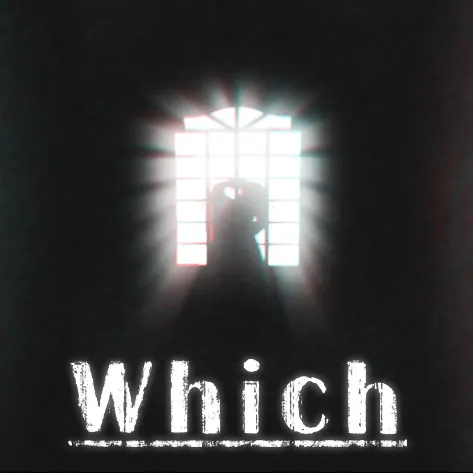
The game was programmed in the great and terrible DarkBASIC in just 26 days. Genre — horror aka "scary game". A black-black house, a headless girl... seemingly clichéd tricks. But — it hooks you.
A small dark-dark game about a dark-dark house, written in a dark-dark BASIC... Agree, there’s something to that.
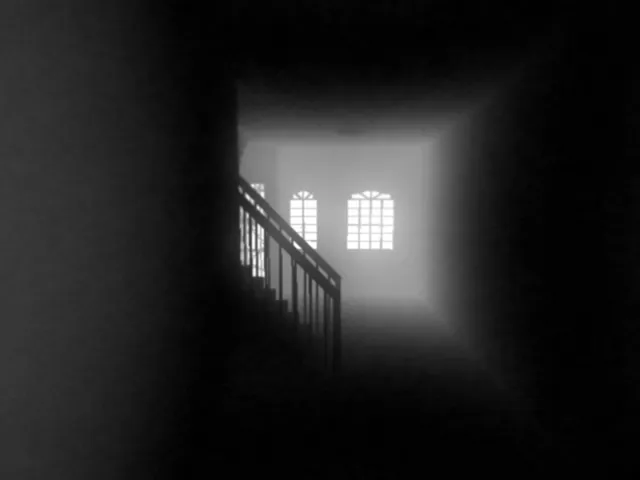
9th Place: Hamlet or the Last Game Without MMORPG Elements, Shaders, and Ads
No, this is indeed its full title. Shakespeare is turning in his grave throughout the entire act. Because this game is based on his immortal work "Hamlet" and coincidentally is the only notable indie quest this year. And yes, one more thing... it was made in Russia.
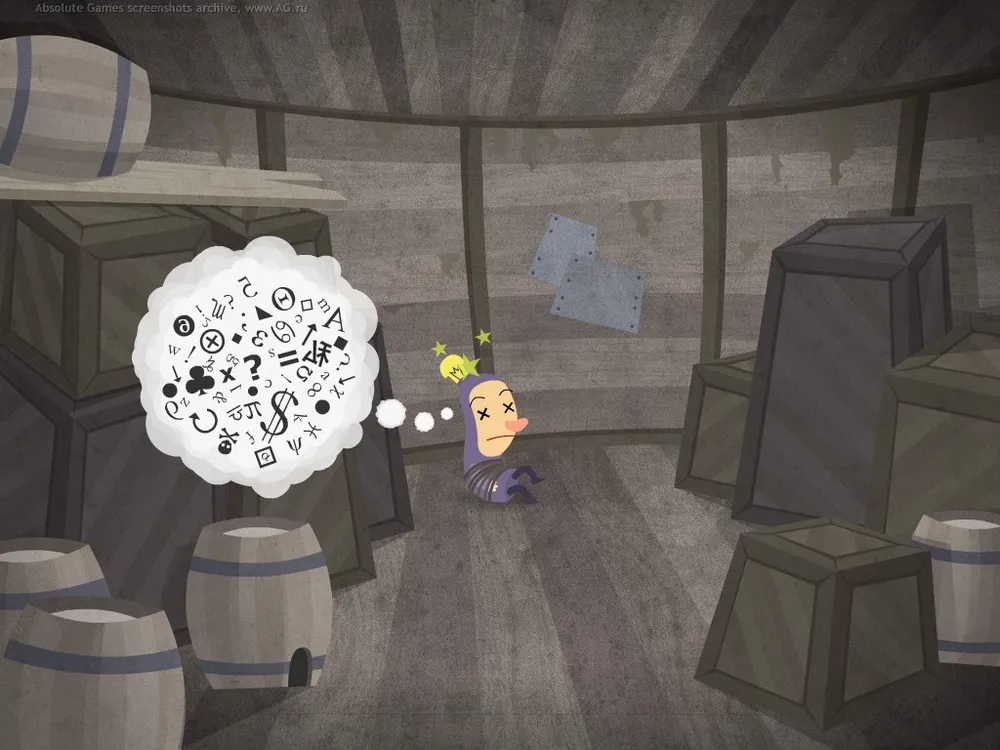
The essence is this: the main character travels to the past and accidentally falls on Hamlet's head. With rather tragic consequences for the latter. Mentally sighing "TIME PARADOX!", our hero decides to restore the normal flow of time and "substitute" himself for Hamlet.
Nonsense? Undoubtedly. And that's precisely what appeals to it. Here everything is nonsensical: starting with Claudius with an electric guitar (!) and ending with our alter ego with a light bulb in his head.
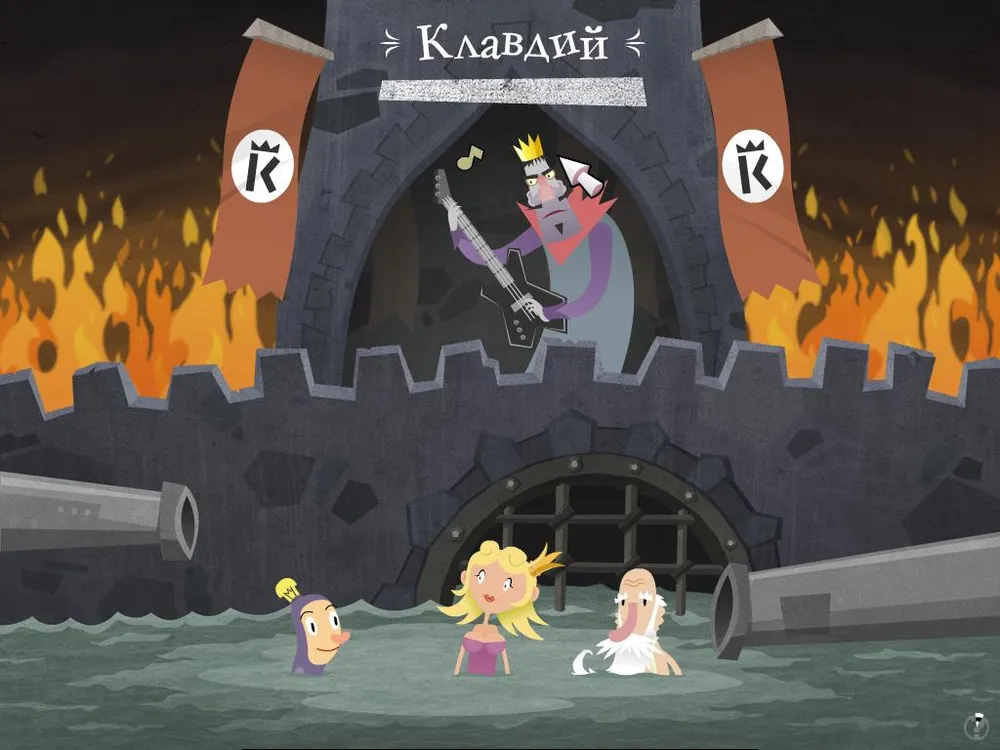
The main downside of the game is its total illogicality. No, of course, falling on Hamlet does involve little logic, but we are talking about the logic of the puzzles themselves. Quite often, you have to search for, to put it mildly, non-obvious solutions. The mini-games also weren’t a success. Unfortunately, a pretty decent game world was ruined by such a flawed gameplay that "Hamlet" had to settle for only ninth place.
8th Place: The Ball
We exist, there’s a cannon with a magnet, and a huge Ball. Oh yes, there's also a bunch of zombies and an incredible number of perfectly functioning "ancient mechanisms". A kind of action-logic game. I would even say, an attempt to "make their own Portal".
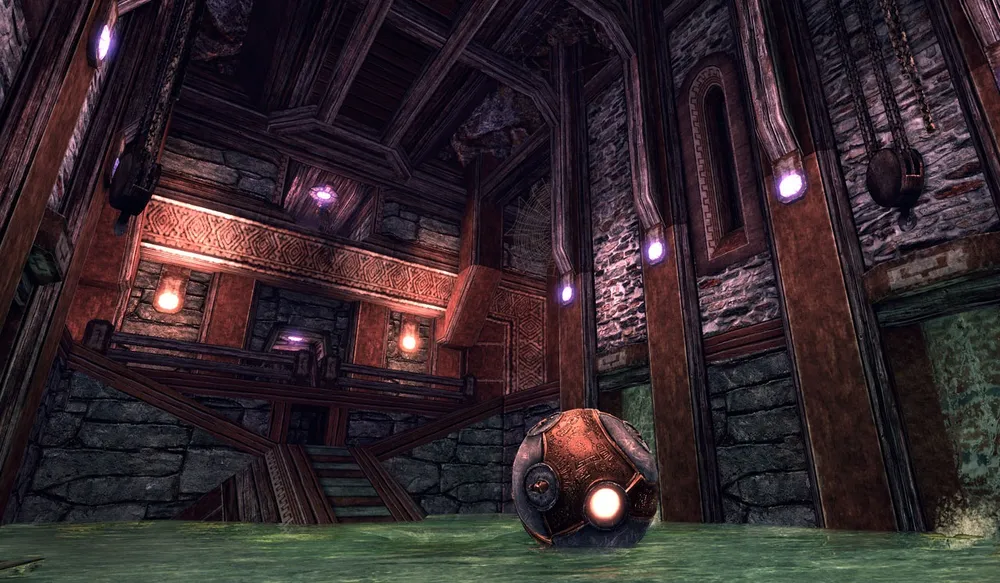
Unfortunately, the developers overlooked several small, yet quite important details. When it comes to the undead, they are usually plentiful. In The Ball, there are plenty of them — they are present in the quantity of "a lot". However, while shooting at them (hello, Left 4 Dead!) in shooters or dealing with them in arcades (hello, Plants vs Zombies!) is practically never tiring, crushing them with the Ball becomes criminally boring very quickly. It’s dreadfully monotonous, and the Ball itself has no charisma whatsoever...
Speaking of charisma: there’s none here. The main character is, in my humble opinion, an idiot — he rushed into the depths of the catacombs with a strange contraption instead of waiting for help. The cube-companion from the aforementioned Portal beats the Ball easily.
The overall gameplay is neither here nor there. The physical puzzles themselves aren't inherently bad, but... they mostly use the Ball. By the middle of the game, you start to quietly despise it, to be honest.

In general, The Ball doesn’t hold up against comparisons with Portal. It is indeed a beautiful game with decent physics, but far too monotonous and lacking "flair". Alas.
7th Place: BIT.TRIP BEAT
PONG of 2010. Recently, there’s an interesting trend in indie games — a considerable number has started to ruthlessly exploit music as part of the gameplay.

And in BIT.TRIP BEAT, a huge pile of various things falls onto our beleaguered "paddle" in time with the music: sticks, dots, stars made of dots, sticks made of dots, dots made of sticks, sticks made of sticks... And bosses, bosses! A rather original "greeting from the past" in a modern wrapper.
6th Place: Shatter
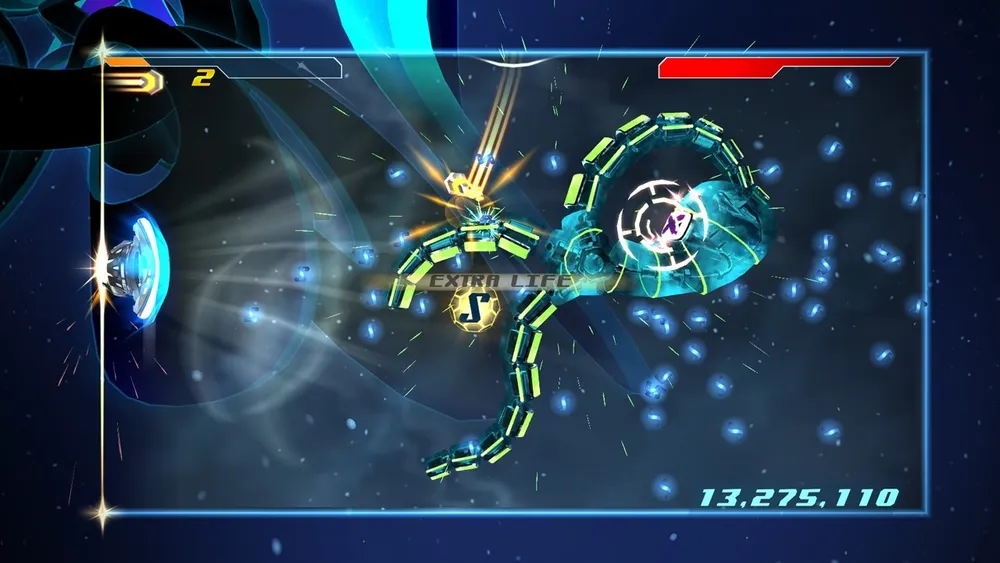
In 2010, there was a certain inclination toward "returning to the roots" in the indie scene. And Shatter is a clone of Arkanoid, which is a clone of Breakout, which is an evolution of PONG. But simple copying wouldn’t have made it to the fifth spot in the rankings. The fact is that Shatter develops the ideas of its predecessors — it plays with physics (pulling-pushing), weapons, bonuses, level shapes, varieties of blocks... And it seems that in the end, it remained the same Arkanoid — you can’t escape from the basics...
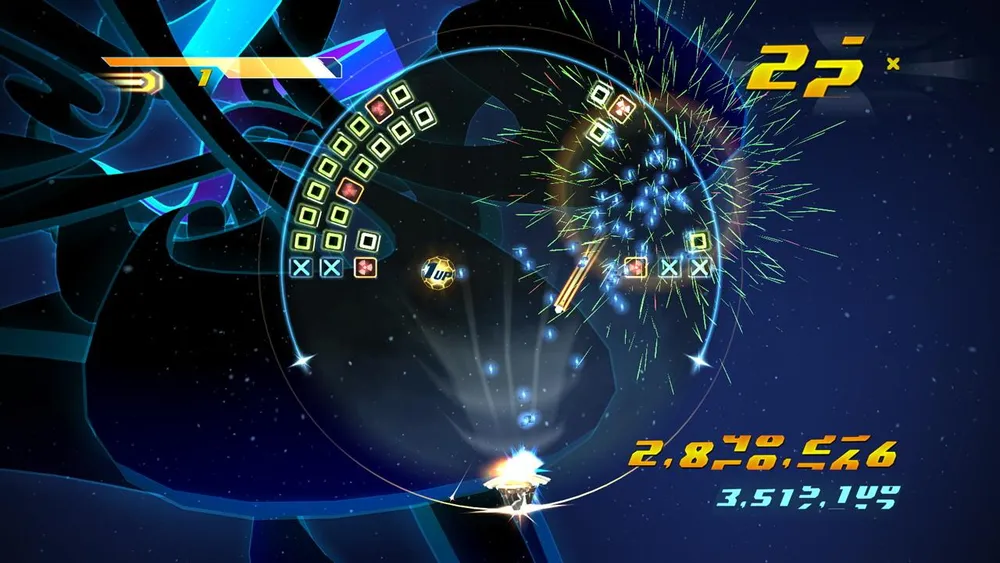
But on the other hand — the Arkanoid has turned out to be very modernized. And successfully modernized at that. Working with classics is not like making yet another Crysis.
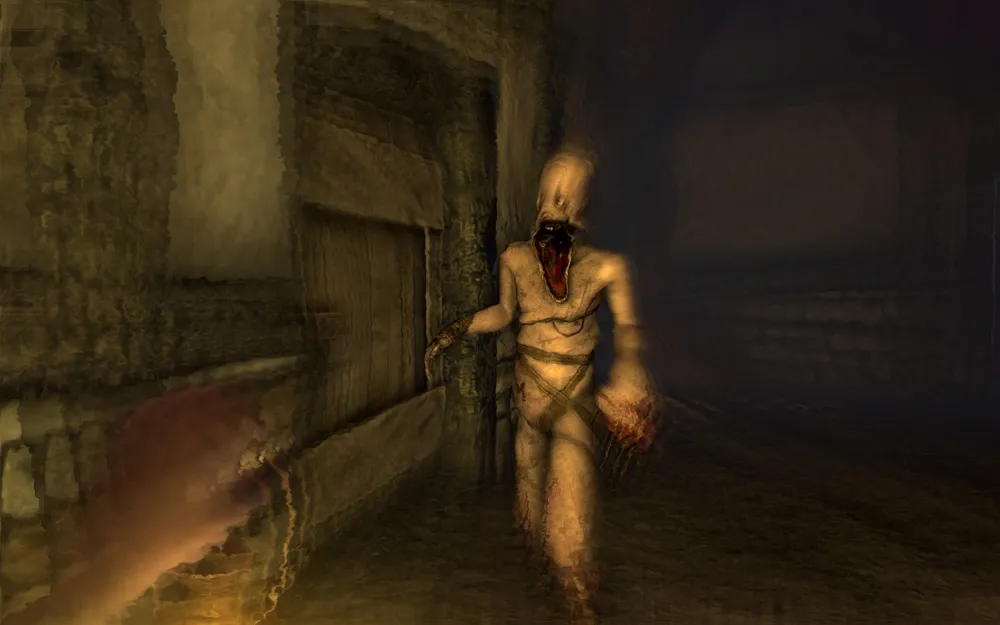
5th Place: Amnesia: The Dark Descent
"Survival horror," as the developers themselves call their creation. And indeed, it is horror.
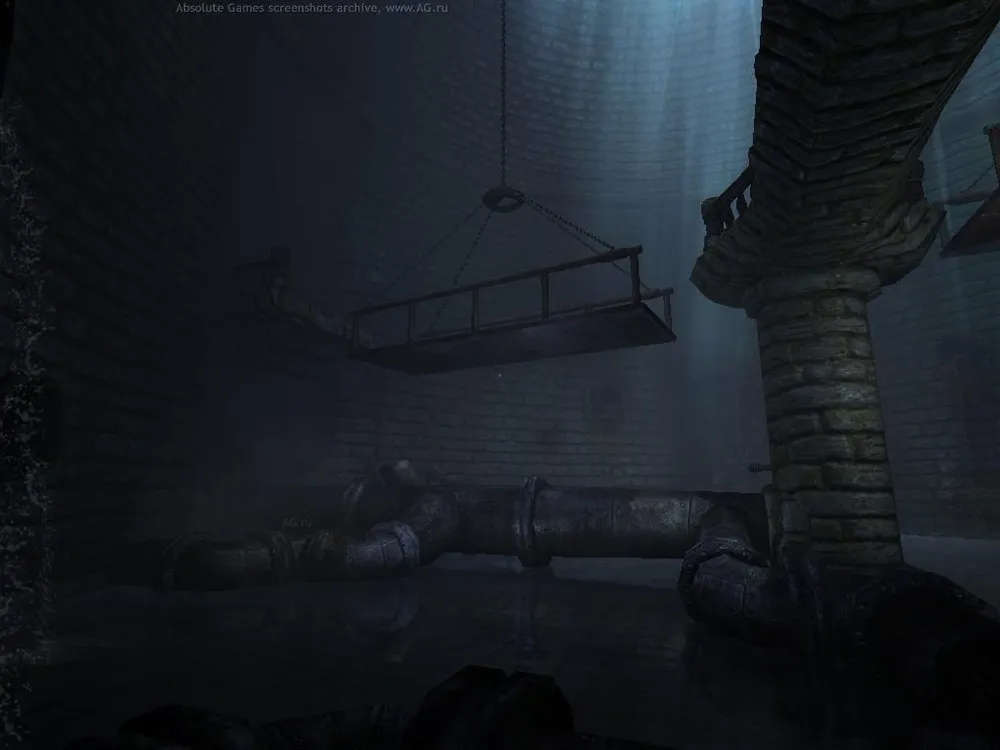
Although the developers use classical, known since ancient times techniques — darkness, sudden sounds, and more in the same vein... it still manages to scare you. Classics never age; you just need to know how to properly make use of them.
The story setup is peculiar — the main character's grip on reality has slipped, and he has suffered amnesia. Now he wanders through the estate (where all the events occur), stumbling upon old documents, his own notes... and many things that are better left unseen...
4th Place: Shank
Bang, boom, vrrrroom, kaboom, ta-ta-ta... A comic-styled platformer — not an everyday occurrence. EA realized this and ultimately took the developers under their wing. It seems that indie gaming is starting to attract powerful patrons, which is certainly encouraging.
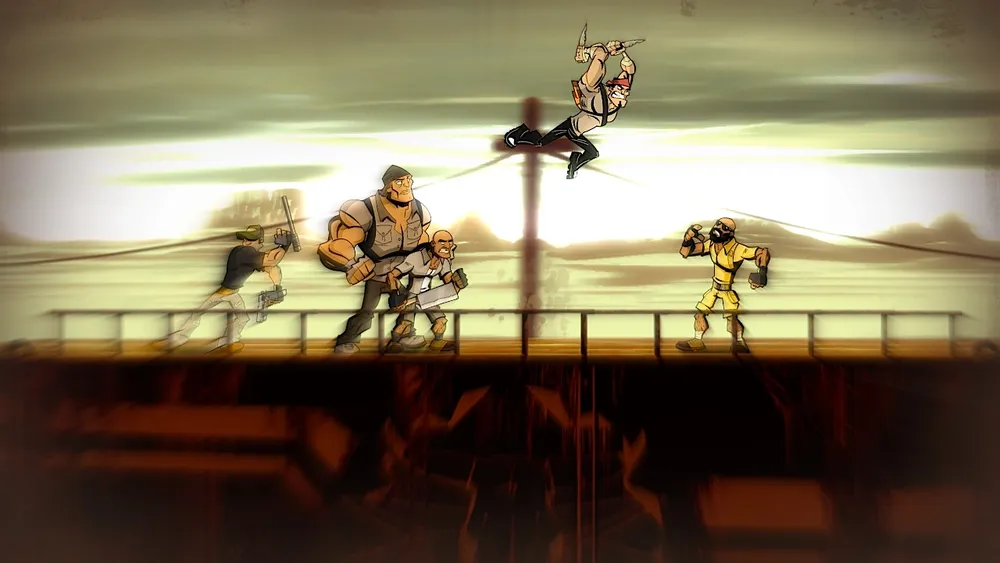
The story is simple — the hero (essentially, Shank) wants to take revenge on an unpleasant person for his beloved. In the process, it turns out that he needs to take revenge not only on that person. But the simplest realization is a very simple fact: a lot of people want to eliminate Shank himself. Well, what does he do? Chainsaw in hand, guns in pockets, grenades for enemies' throats. Did we mix anything up? Seems not.
A platformer in the style of "hello, the nineties" in the best sense. We simply move forward and kill everything in our way. Absolutely everything. We stab, cut, blow up. Strangely enough, this never gets tiresome.

By the way, the "comic-style" graphics turned out to be remarkably suitable. Eliminating dozens and hundreds of enemies in such style becomes an even less serious task, the backgrounds please the eye, and overall everything is quite beautiful. It is likely that this very mix of style — juicy, bright, completely unserious, and the same goes for the gameplay — ensured Shank’s success.
3rd Place: Minecraft
(actually, the classic version of the game emerged back in 2009, but only now has it approached a decent Beta state)
"Robinson Crusoe Simulator" — that’s how this game has already been dubbed. With only two modes — building and survival. The graphics, for which the term "pixelated" sounds quite mild (everything consists of huge cubes). A quite primitive gameplay overall... And monstrous popularity! How?!
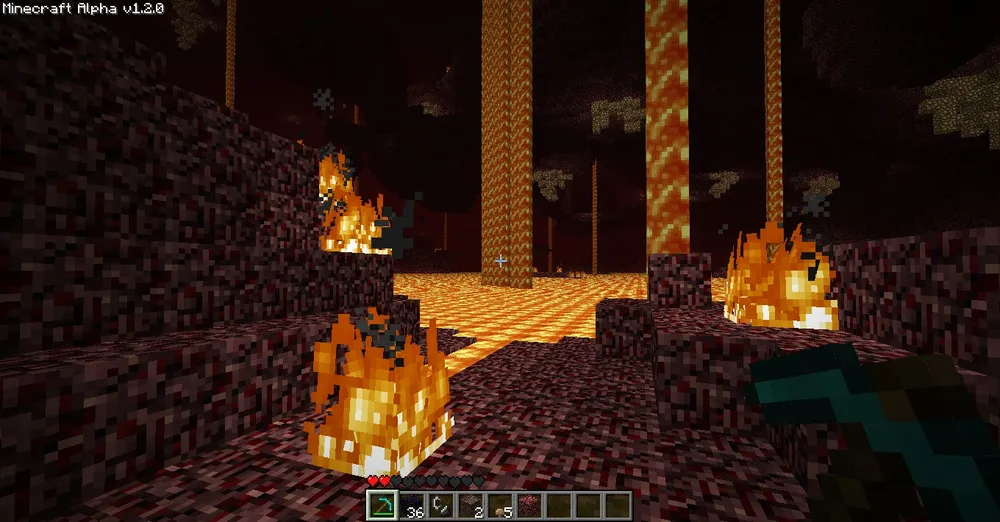
The answer lies on the surface. Minecraft is the legendary Dwarf Fortress, just in, hmm, "3D". Moreover, with extremely pleasant additions — building and full-fledged graphics — "scary, yet cute". There is no goal. Even in Survival, there is only a rather vague objective — "survive". Yes, during the night in-game, monsters try to eat the player, and during the day he builds himself another fortress from the materials at hand. But that’s about it.
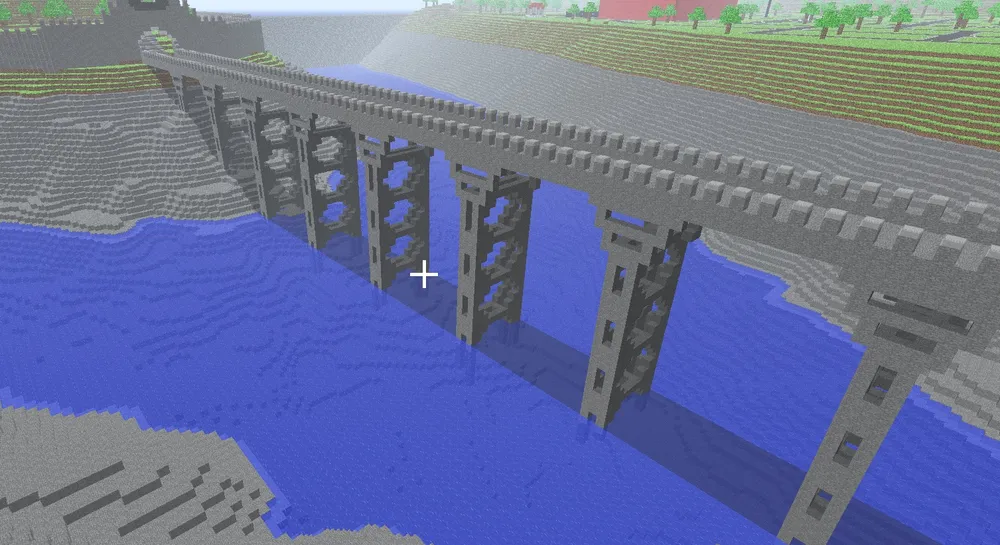
Minecraft is a huge, infinite (the levels are practically infinite in the literal sense — they are created "on the go") sandbox without clear objectives. A constructor that one can either love or completely not understand. In fact, those who enjoy the game do not understand it either. They simply derive pleasure from the process.
2nd Place: VVVVVV
If you still haven't noticed, retro themes and platformers have recently become popular in the indie scene. And it seems they are approaching their peak.
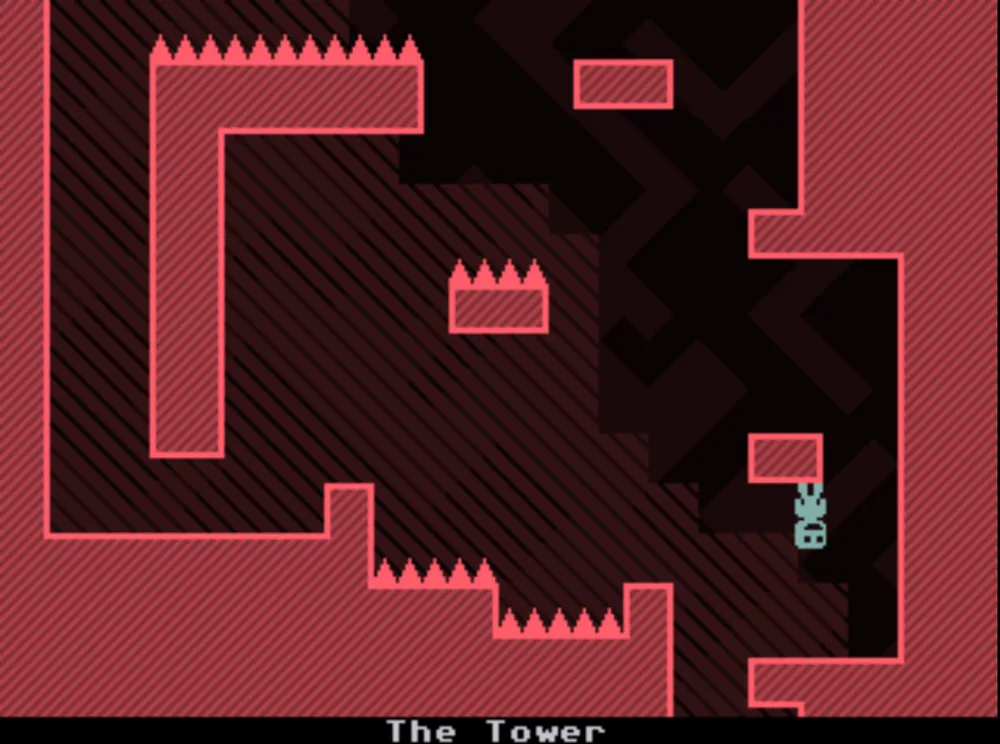
VVVVVV — a rather simple game. Simple graphically. Simple in essence — we can change the gravity vector to diametrically opposite. But at the same time quite complex in gameplay. If you've played this game, you likely remember this moment:

However, it is incredibly engaging. Press a button — you're on the ceiling. Press again — on the floor. Ceiling — floor — ceiling. Moreover, VVVVVV doesn’t stop there. Each game zone (VVVVVV is conditionally non-linear) has unique features. One scrolls horizontally, another has portals, in the third we’ll even get from the right side of the screen to the left and vice versa. Thanks to its relative brevity (the game can actually be completed in a couple of evenings if one tries a bit), simple foundation, and decent variety, VVVVVV leaves a really good impression.
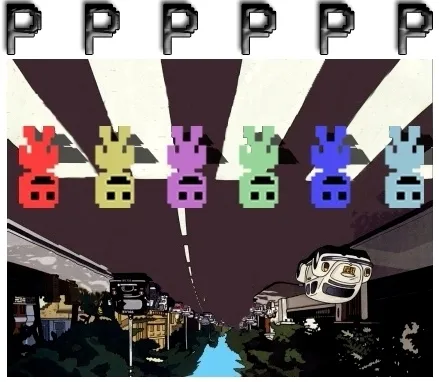
But that's not all. It probably boasts the best music among indie games this year. Wonderful chiptune music, evoking nostalgia for the good old eight-bit times. It even came out as a separate album (PPPPPP).
1st Place: Super Meat Boy
McMillen. Edmund McMillen. Just don't say you don't know him — he created the characters Gish and Braid in his time... However, today we’re not discussing his past achievements, but very much today's.
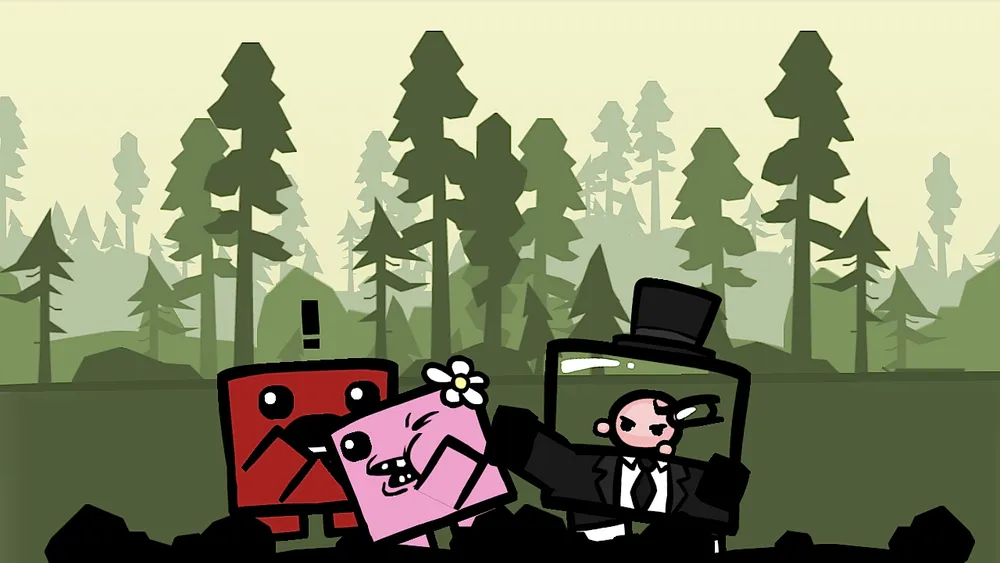
Super Meat Boy is originally a remake of the flash game Meat Boy (also created by Edmund). The plot... is peculiar. Our Super Meat Boy (made entirely of meat) is saving his bandaged girlfriend kidnapped by an embryo in a tuxedo. In short, the plot is not serious. But it is terribly cute and touching. The few cutscenes in the game are masterpieces.
In terms of genre, SMB is a platformer. Truly challenging. Completing a level fifty times is still not the limit. The problem for our Meat Boy is that he doesn't know how to fight, while circular saws, salt, rockets, lava, even demons are after him! All we can do is run and jump. And run and jump excellently, to be honest, but the levels are carefully crafted so that they can only be completed "at the limits of possibilities".
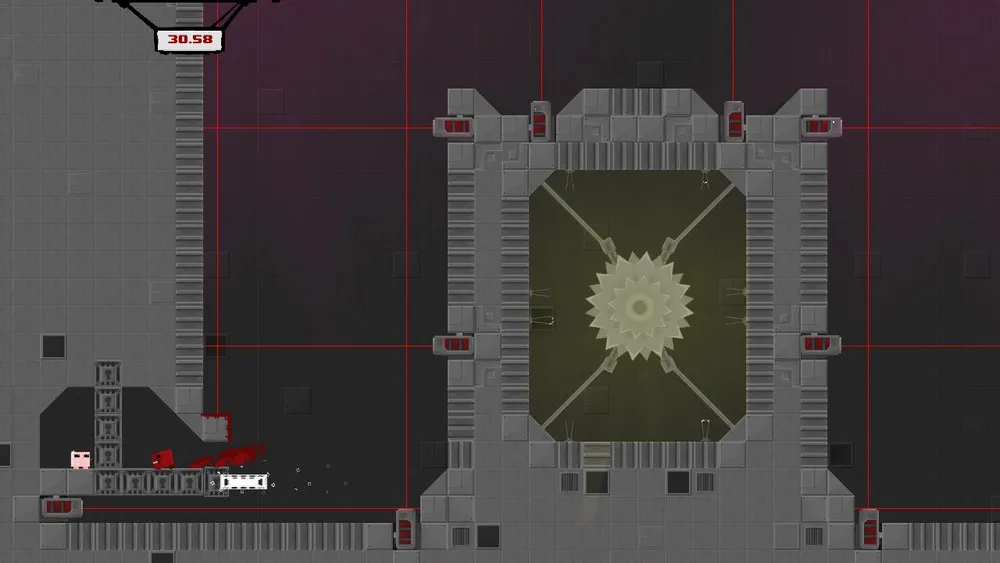
Two characteristics emerge. Firstly, here you don’t have to think much. After the first analysis of the level, the further actions occur purely on reflexes. And secondly, the satisfaction from completing a level... is intense, indeed.
Throughout the game, there are peculiar teleports that send us to various "parodies of games from the past century". I think those who have played them will effortlessly recognize where each game is from, and for everyone else, it's just a great "author's technique".
However, in some of these zones, there are, hmm, parodies of other indie games. Moreover, they use characters from those games. And they then become available in the "main" game! Although their usefulness is generally below average. Characters are also unlocked by collecting bandages. Bandages are special items for masochists. They are found in the most hard-to-reach places in the level, and just picking them up isn't enough — you need to reach the end afterward.
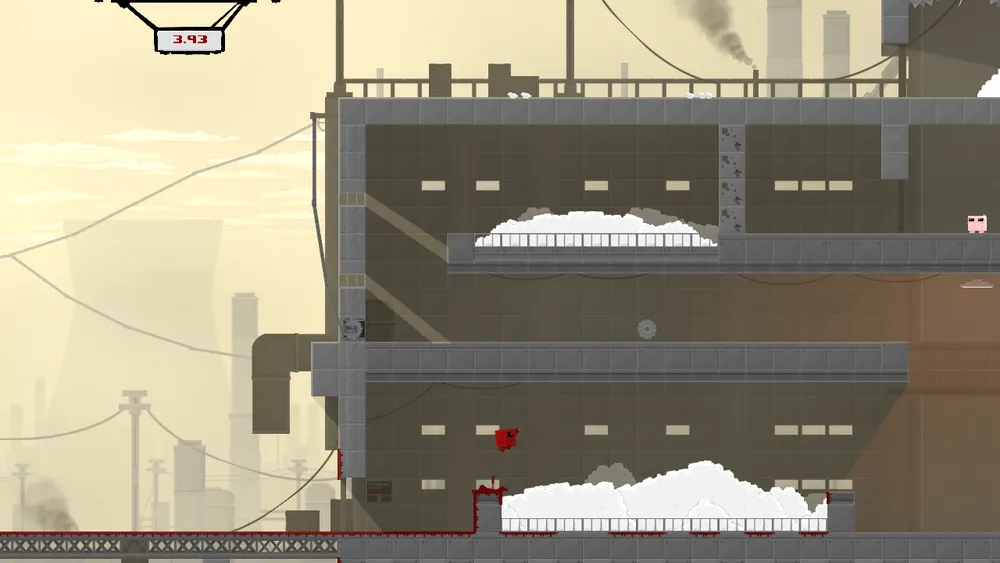
The game features over three hundred levels which can be divided into four categories. The first is the light world. Typical gameplay: difficult, but doable. The second is the dark world. These are the same levels as in the light world but made more difficult. Yes, they are even more challenging. The third category is "old games" from the previously mentioned teleports. Not only are they also quite complex, but there are also three lives per level! There are three levels in each teleport. The last category consists of levels with characters from other indie games. There are the fewest of them; each portal has three levels as well, but lives are unlimited.
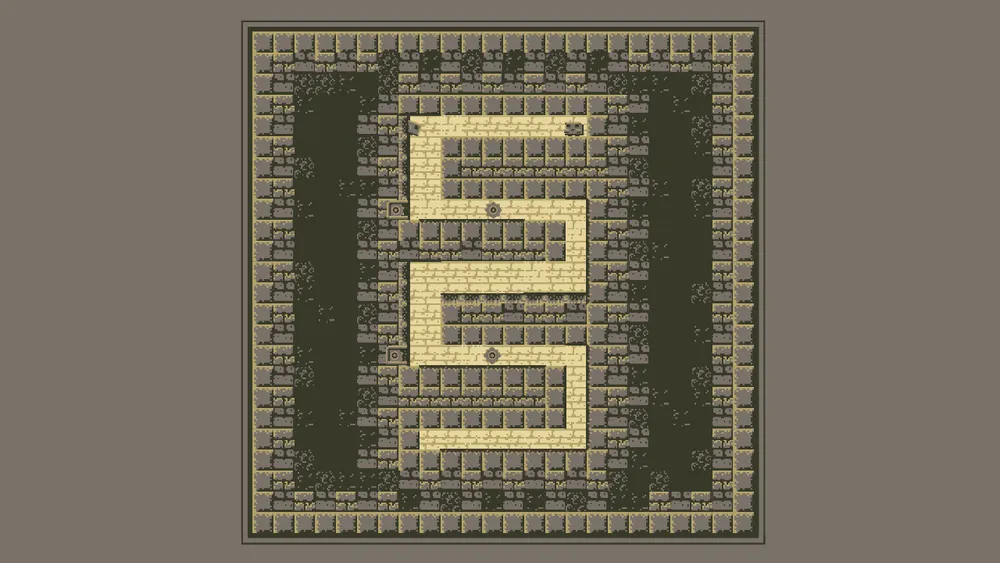
One of the "retro-levels"
Charming characters, excellent (for a platformer) graphics, crazy video scenes (in a good sense), a decent storyline, nice music, and a lot of references to other indie games and games from the past... A well-deserved first place.
Outside the Top: Limbo

When talking about indie games this year, it is simply impossible not to mention Limbo. Let me quote the editor-in-chief from a neighboring post about this wonderful game:
NoFate: The story of a little boy with shining eyes who seeks his sister in a dark-dark forest [...] The game looks like it is glued together from pencil sketches. But inside, under the black-and-white shell — a mesmerizing atmosphere that feels either like a dream or the very "limbo" the developers hint at in the title. And Limbo also lacks musical accompaniment — and that's wonderful too. Like any significant indie project today, Limbo doesn’t boast a long history — it can be completed in 3-4 hours if you don’t stop to gape at the beauty around, — but is much more inventive than any of the "big projects". Soon, it's possible that games from independent developers will become much more popular than multiplayer battles in Black Ops or Bad Company 2. If that happens, then Limbo’s contribution to this success will be quite significant.

Also worthy of attention: Altitude, Hegemony: Philip of Macedon, Zero Gear.
Also, the excellent DeathSpank didn’t make the top due to a rather formal status of "indie".
The year 2010 has come to an end. It featured many different games — both indie and not indie, shooters, and strategies. The industry is approaching a crisis, a turning point, when games will be made by... no, not everyone. But many. A quarter-century ago something similar happened. Now everything is heading that way again, but this time there is a crucial difference — there is much more coverage of games today. On the internet, in magazines... Digital distribution has finally overtaken boxed sales in the US. The future is already here.
P.S. The post reflects the author’s personal opinion and may be subjective.
P.P.S. The title of the post is a reference to one of the indie games from the past year.