
ביקורת על Bastion
בסיס - מבצר מעופף, האחרון מבין כוחות האדם. הם חשבו ששם יתאגדו כל ההישרדות במקרה של קטסטרופה. הקטסטרופה התרחשה. אבל לצערנו, ההישרדות היא רק שניים: הסבא המספר והבחור הצעיר, הגיבור שלנו (בגרסה המקורית הוא The Kid, אך קשה לקרוא לו ילד). וגם בסיס נראה לא כל כך מזמין: מסביב שברי חורבות וחרבות. למעשה, המחסה הוא רק פיסת דשא צפה עם אנדרטה לא ברורה במרכז.
מכאן מתחילה ההרפתקה שלנו. הקטסטרופה התקפה בפתאומיות, העולם הישן נהרס. המשימה שלנו היא למצוא את הניצולים ולגלות, סוף סוף, מה באמת קרה. אך הדבר החשוב ביותר הוא לשקם את הבסיס. לשם כך נצטרך קוביות מיוחדות, מפוזרות על חורבות העולם הישן. עם זאת, אם גם האנשים מתו, החורבות הללו אינן ריקות. אחרי הקטסטרופה, העיר התיישבה עדרים של מפלצות, שלא שמחות לנוכחותנו. כך שדרך ארוכה ומסוכנת מחכה לנו, עם פטיש ביד ורובה על הגב (או עם משהו אחר, בבסיס כל אחד ימצא לעצמו נשק לטעמם).
למרות שהמפלצות רבות, התהליך של חיסולן לא מספיק משעמם. אויבים ישנים מוחלפים בחדשים, הקרקע משתנה, הבחור מוצא נשק חדש שהוא רוצה לנסות מיד. באופן כללי, הקרבות במשחק הם זריזים למדי. אין רגעים שבהם יש לעמוד ולהתמודד עם מתקפה של אויבים זהים, כפי שעושים בדרך כלל במשחקי סלאשרים ו-ARPG.
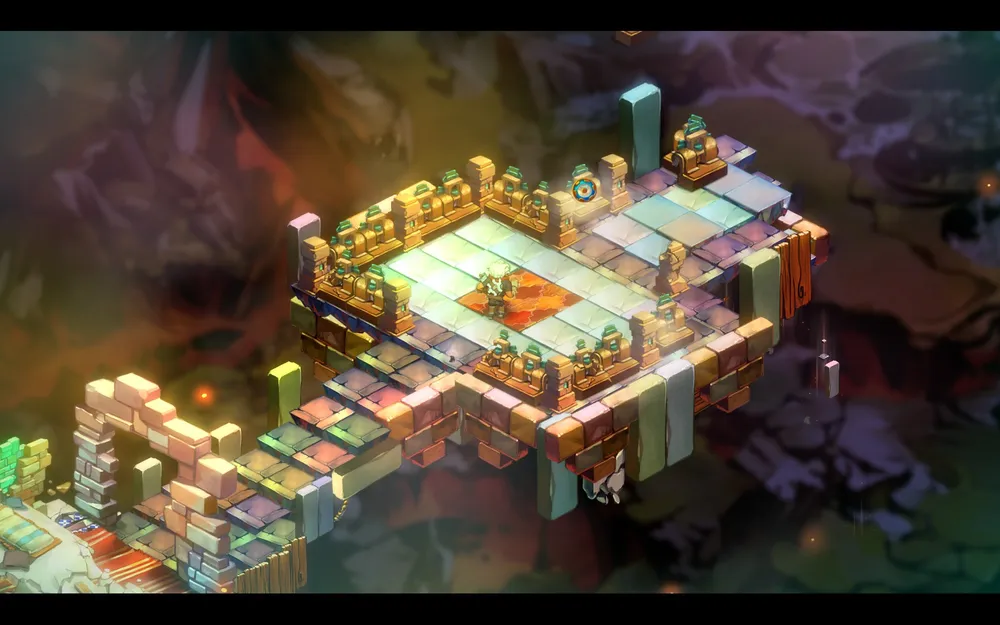
הסביבה במשחק תורמת מאוד לזריזות הזו. הקרקע בבסיס - לא תמונה סטטית. הרצפה, הקירות, המדרגות - חלק ניכר מהסביבה מתבצע תוך כדי תנועה, ויכול להתפרק במהירות. הבחור רץ, והגשר נבנה ממש מול עיניו מחתיכות. sometimes, the floor collapses. There is no time to think about the enemies, it's time to run. However, for the main character, falling into the abyss is not fatal at all. If you accidentally trip, the grandfather storyteller will come to the rescue.
The magical phrase 'No, it wasn't quite like that' or something similar, and the boy will bounce back to the ground, losing a bit of health. The storyteller never leaves us alone for a moment, commenting on almost every action. For example, if you decide to break the wooden crates hiding in the corner, the grandfather will surely say something like 'The boy is a bit out of his mind, he needs to blow off some steam.' Besides commenting directly on our actions, the grandfather gradually tells the story of the world and describes the places we visit in search of crystals. For example, the boy finds himself in a dense forest, and the grandfather begins to tell little by little what this forest is, who lived in it and when.
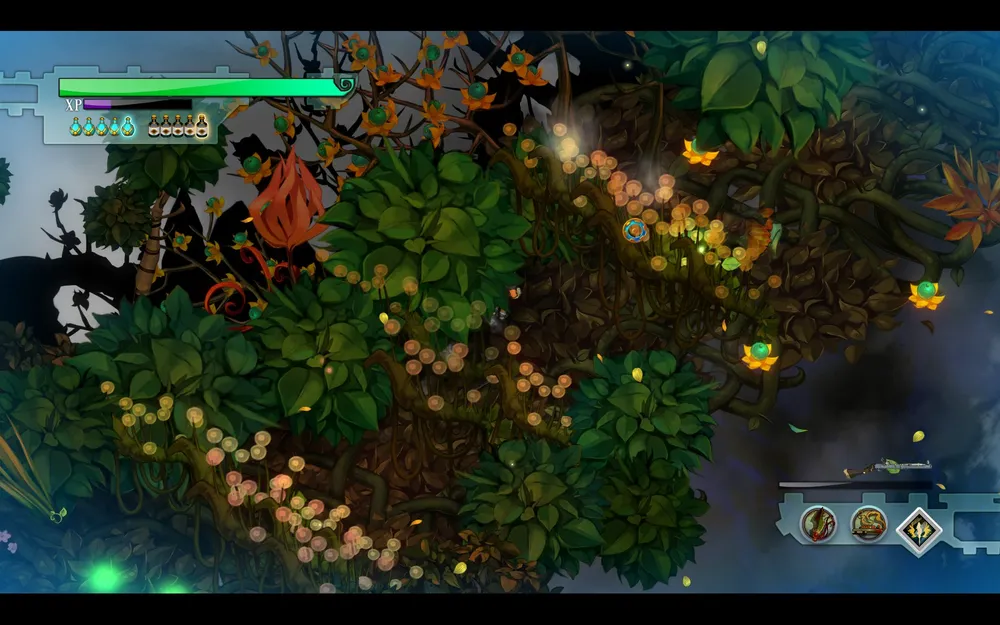
This approach fully justifies itself. Does anyone read the texts in games of such genres? Hardly. This way, the player absorbs the plot piece by piece throughout the game, without getting distracted from the main goal – annihilating enemies. At the same time, the grandfather's stories prevent you from drowning in the stream of battles, maintaining an atmosphere of mystery.
After completing each level, the boy returns to the base. It's time to reconsider tactics, choose a different weapon set, and talk to the grandfather and other characters about the items found. Of course, it is always most pleasant to return to the base with a new crystal. The shelter is gradually being rebuilt, gaining new buildings and opportunities. For example, over time, a temple will appear where you can pick up a few idols for worship or a shop where you can buy new skills or materials for upgrades.
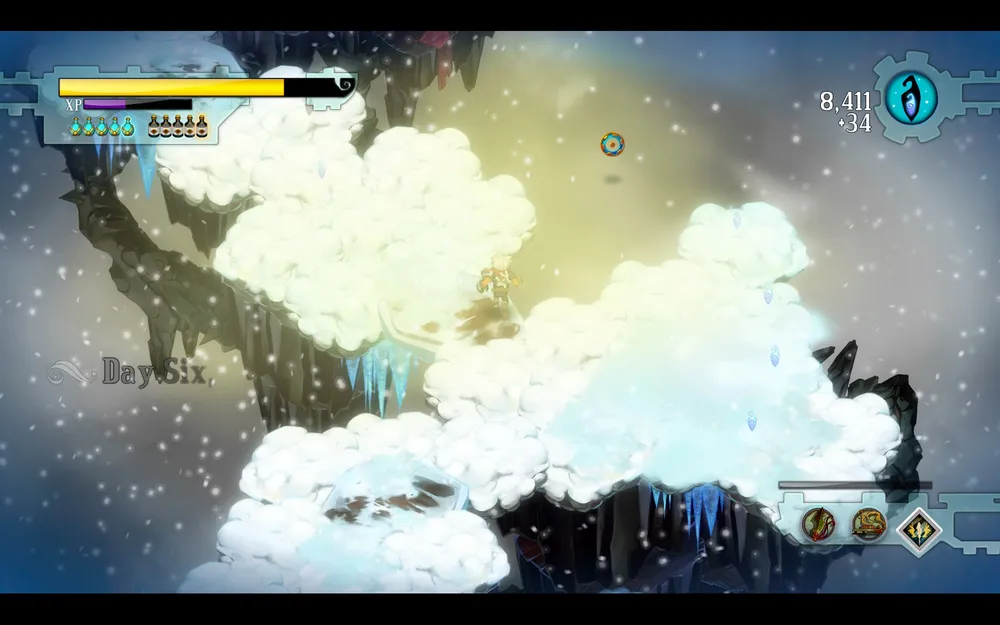
Acquiring and upgrading will, of course, be done for money, which in the world of the base is represented by Fragments. Fragments of the old world, small (and later large) blue things. They can be found practically at every step: some lie on the ground, others spring from crates or other design elements when you strike them well, and some simply fall from the sky. But no matter how many fragments you have, you cannot upgrade your favorite spear or musket without a special artifact. There are only five artifacts for each type of weapon in the game (hence, each weapon can be upgraded up to five times).
Some 'upgrades' can be purchased in the shop (which also needs to be built first), some can be found in the levels (a great reason to pay attention to your surroundings), and some can be earned as a reward for achievements on special training grounds. Each weapon (as well as the shield) comes with a special training zone where you can hone your skills with that weapon. For example, practicing with a hammer consists of destroying a hundred different objects. The faster you complete the task, the better the reward.
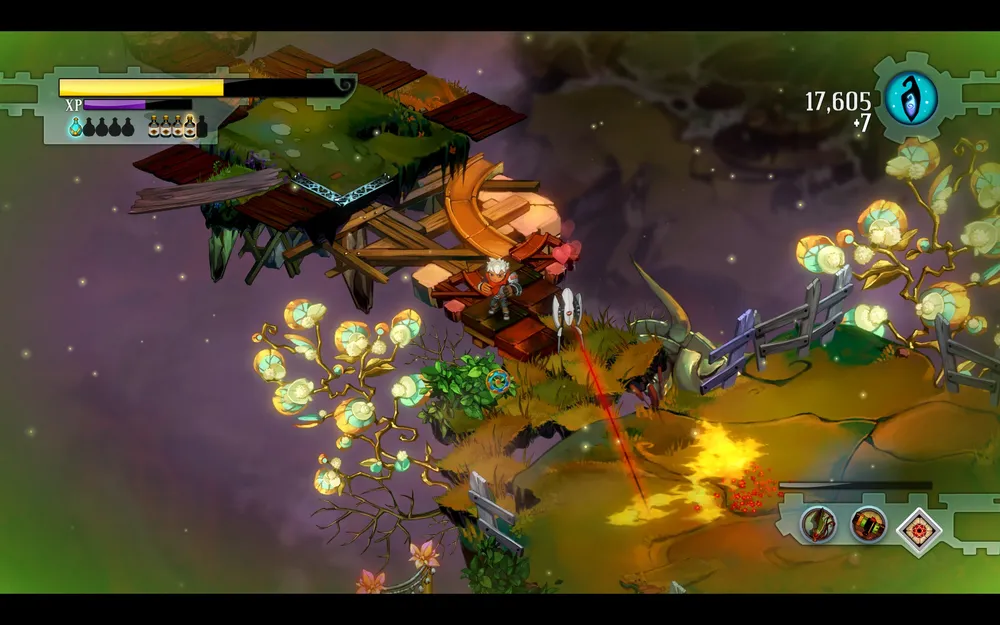
The only thing that can disrupt comfortable gameplay is the saving system. The main problem is the complete absence of any checkpoints in the levels. You pass a level, kill hordes of monsters, and then at the end, bam - and die unexpectedly. You must start the whole thing over. Personally, I don't consider this approach 'hardcore'; it's just annoying. The good thing is that the levels are not that big, and some are made so beautifully that it is not a shame to look at them again. In addition, there are some problems with the controls. The fact is that the world is isometric, and diagonal movement does not match the axial direction. Speaking simply, in half the cases, you have to run zigzag to avoid falling off a narrow bridge.
P.S. One of the problems was fixed shortly after the article was published with a patch, so I'm crossing it out.
Despite this drawback, the base is an excellent game that you can only tear yourself away from after four to five hours of gameplay, when after another death at the end of a level, there is no longer a desire to repeat the mission. Personally, during my travels, I constantly felt like I was inside a painting. Moreover, this painting is being painted right now, and someone is commenting on every brushstroke. This amazing feeling is enough to play in the base.
A big thank you to Supergiant Games for providing a copy of the game.