Don Dragon Rumata I Estorsky. Review of the series It’s Hard to Be a God.
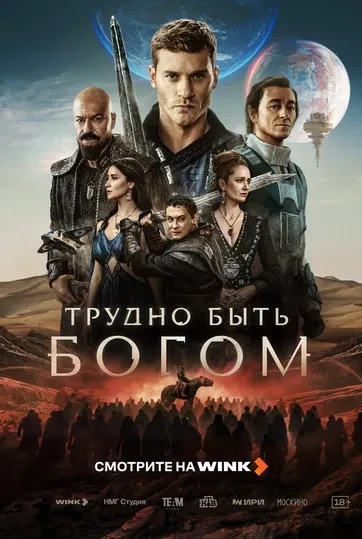
Last week, the first season of the series Hard to Be a God came to an end. It started out as an “answer” to Dune, continued as an “answer” to Game of Thrones, and ended up as To Kill a Dragon.
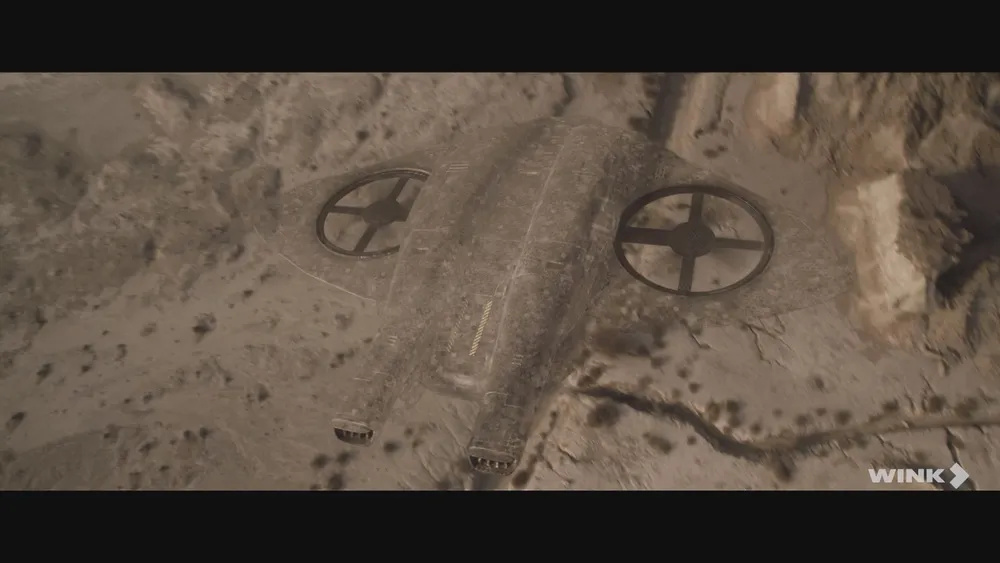
Of course, when you try to pluck ideas from such wildly different works and transplant them into the setting of a famous novella by a classic Russian author, you get… well, nothing at all—except a patchwork quilt torn to shreds, which at times resembles Indian cinema.
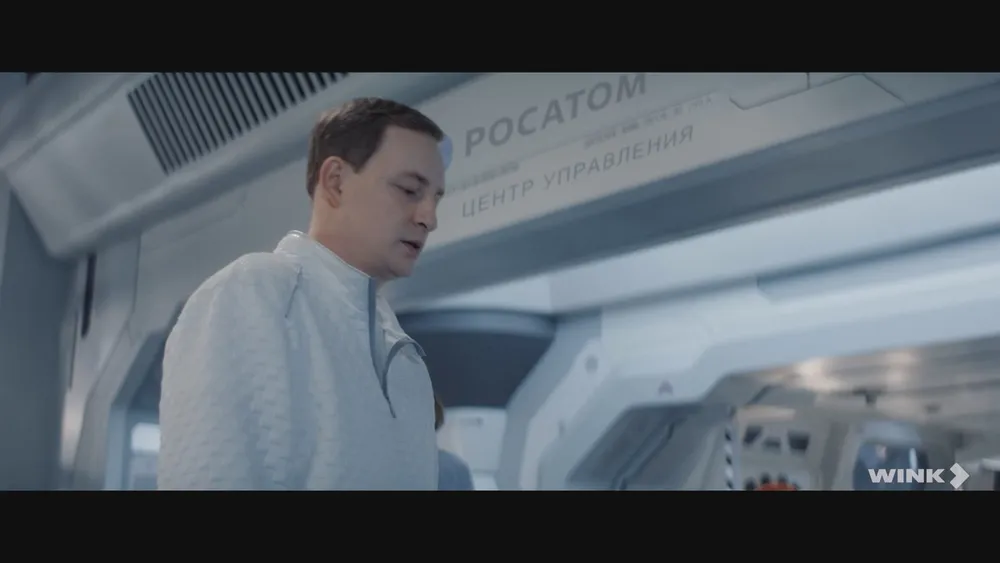
Instead of communism, we now have who-knows-what. I’d bet on capitalism: from the characters’ lines, we learn that they dream of careers and pay raises; they refer to their mission only as a “project”; and, to top it all off, there’s Rosatom advertising “on every channel” and the “winding down of the project,” which, in fact, is under no real threat.
Budakh is now an observer too, and Rumata’s father. He mostly appeared in Anton’s memories. His role on the planet is practically unknown.
They failed to convey the horror of what was happening on screen. Worse still, they cut the black characters, apparently afraid of offending the “feelings of believers.”
Too many abandoned story arcs and loose ends. A bunch of unnecessary characters. Lots of quotes from the original, used in the wrong place and at the wrong time.
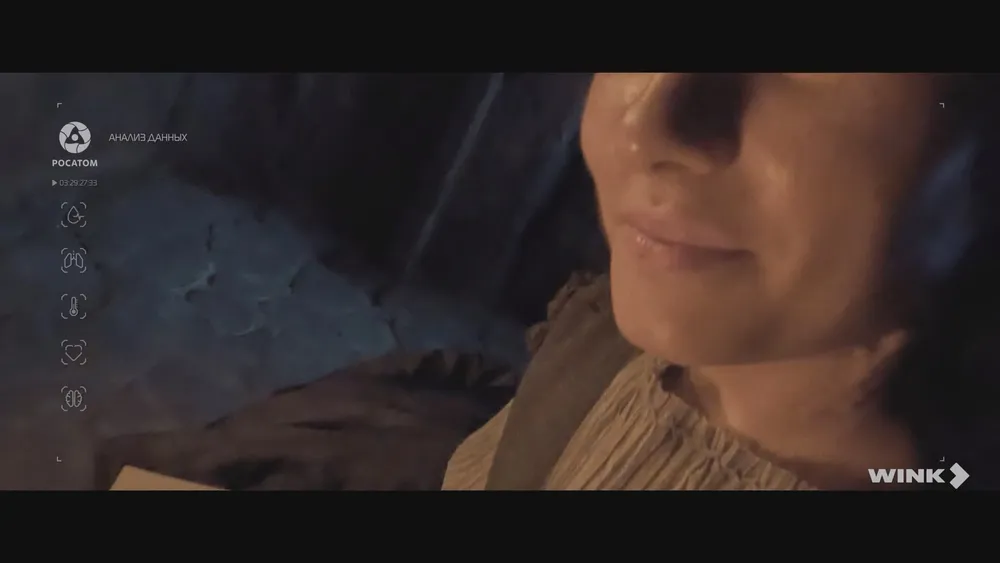
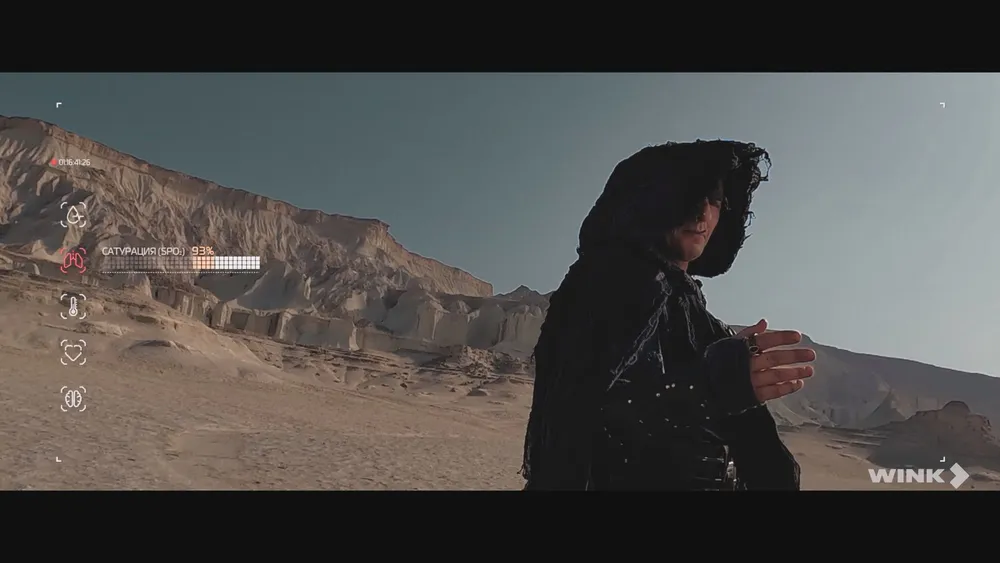
Rumata-Radoicic went from being an experienced observer who had risen to become head of the royal guard to a clueless rookie under Don Kondor’s wing, with Kondor having “moved” from Soan to Arkanar. The actor has absolutely no command of facial expressions, spending the entire series with a stony face. He couldn’t even manage to look angry. It seems that once they realized this, they replaced his face in some scenes with a first-person view and a rage meter—as if we were playing a game. Only in the final minutes of the last episode did the director (Bondarchuk) finally manage to get an emotion out of him. Turns out he can do it when he wants to!
Don Kondor—Bezrukov became the main antagonist, perhaps even worse than Reba. He left behind a sea of blood, including that of Earthlings, and very nearly outdid Reba. He wanted, you see, to bring Arkanar up to speed, no matter the cost. But even so, there’s no rational basis for his bloodlust.
The King—Yumatov gave an excellent performance, but the role itself was rather chaotic—the script jumped from one idea to another. It seemed like we were headed for some kind of confrontation between the “state-minded” and the “boyars,” the new elite and the old, but by episode 8 it had all been cut off mid-sentence.
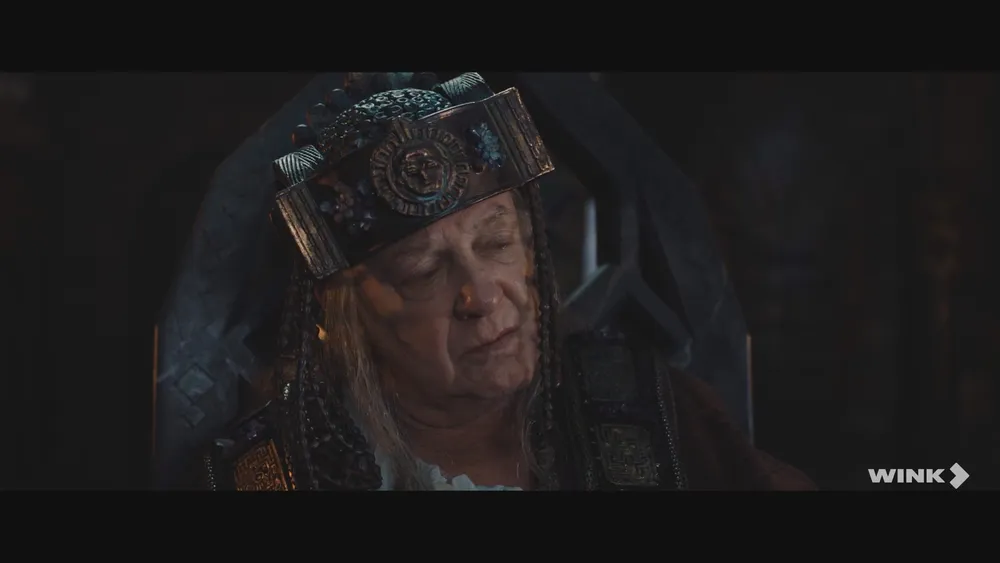
Reba—Lavrov acted brilliantly, but the script let him down: from a useless pawn being advanced from the shadows, he suddenly became almost a Cardinal Richelieu (or so it seemed, up to a point), only to mess things up at the last moment. We’ll leave it to the writers to decide how plausible it is that a cowardly, if not stupid, medieval man would publicly kill a “god” who had descended from the heavens on a “dragon.”
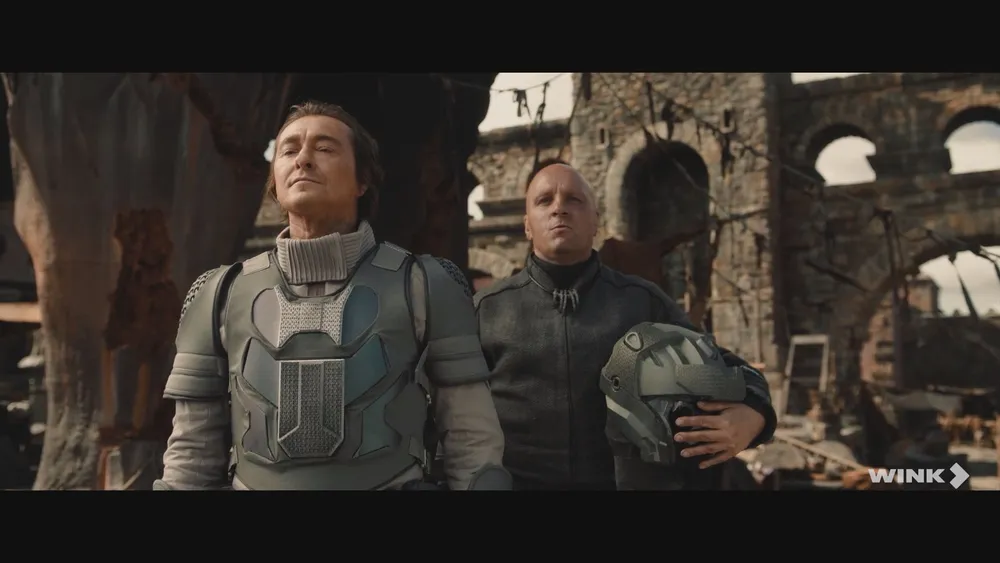
Vaga was turned into a complete nobody; his disappearance from the film would have gone unnoticed. On the other hand, they “gifted” him with a mentally disabled son. Why? Personally, I don’t get it.
Pampa (Kologrivyy)—I have no particular complaints about him, only about the director, who didn’t give him the build of a “Porthos,” as he had in the book and needed to have in the series. Swinging a two-handed sword for ages with a scrawny build? I don’t buy it!
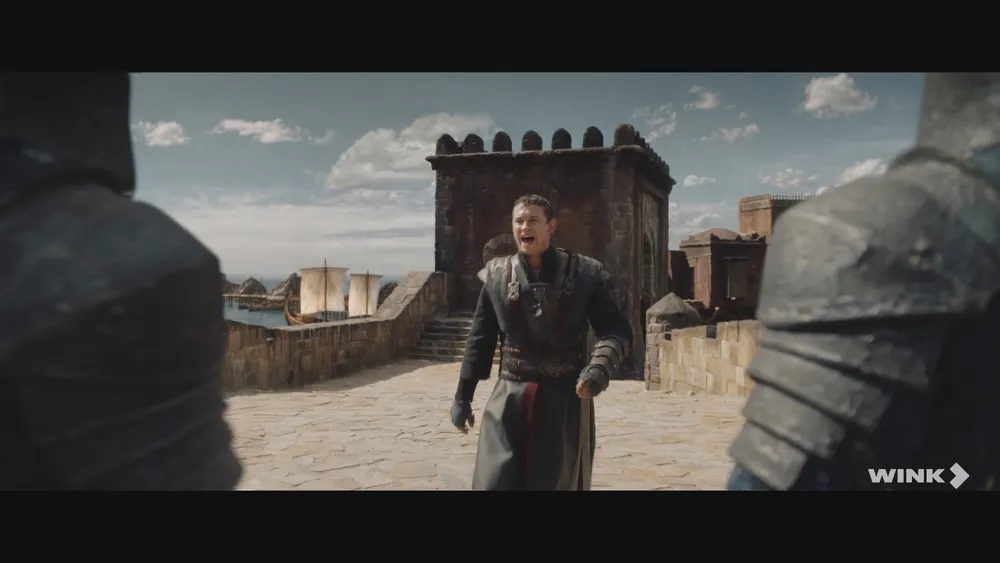
Arata was suddenly put in Vaga’s place by the writers, even though his gang turned out to be something halfway between the “mafia” (or “thieves’ guild,” if you prefer) and peasants.
Uno (Rumata’s servant) and Donna Okana were good. Her role was greatly expanded, though it’s also unclear why.
Personal bottom ranking—Joan and Rob, the head of the space station and her deputy. The former gave the impression of being someone’s mistress, appointed to run a major project through nepotism, while the latter was simply in the wrong job—not a single decision could he make on his own. A special raspberry goes to Don Kuba—Bondarchuk—a role created specifically to put “His Majesty” on screen.
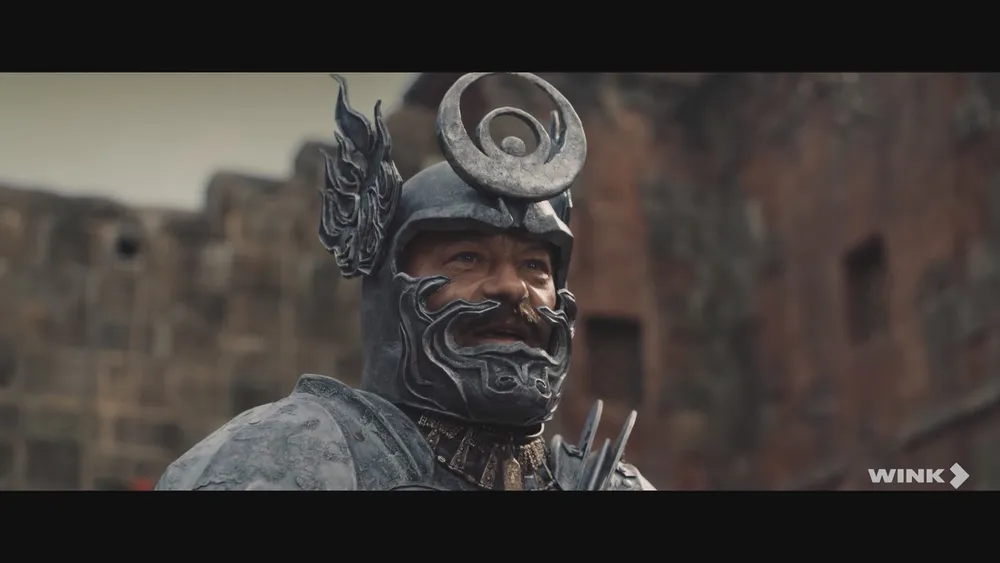
To sum up. The series not only bears little resemblance to the book—which, to be fair, was expected—but also failed to create a coherent work based on it. You get the impression that the writers were bursting with ideas, while the director and his team couldn’t—or wouldn’t—rein them in. The result is a mess. Maybe they should have started with a simple sci-fi action film inspired by the book, without rambling all over the place? And with a script like this, they absolutely shouldn’t have called the series Hard to Be a God. Call it It Happened in Arkanar, The Chronicles of Arkanar, or The Arkanar Massacre—that would have been closer to the truth!