Friend or Rival? The Relationship System with Companions in Dragon Age II

The relationship system with companions in Dragon Age: Origins was quite simplistic and overly straightforward. There were three options: universal goodness, neutrality, or hatred, which could lead to a companion potentially leaving the group. This forced players into metagaming if they wanted to unlock all loyalty skills from companions or simply keep them in the party (the situation regarding Zevran's personal quest, as well as Leliana/Wynne and the ashes).
Thus, the developers from BioWare decided to take a different path in the second installment of their dark-heroic franchise and introduced the Friend/Rival system.
Some details about its functioning we already know thanks to interviews, publications, and information from social media. But today, the main writer of the project, David Gaider, revealed additional, previously unknown details.
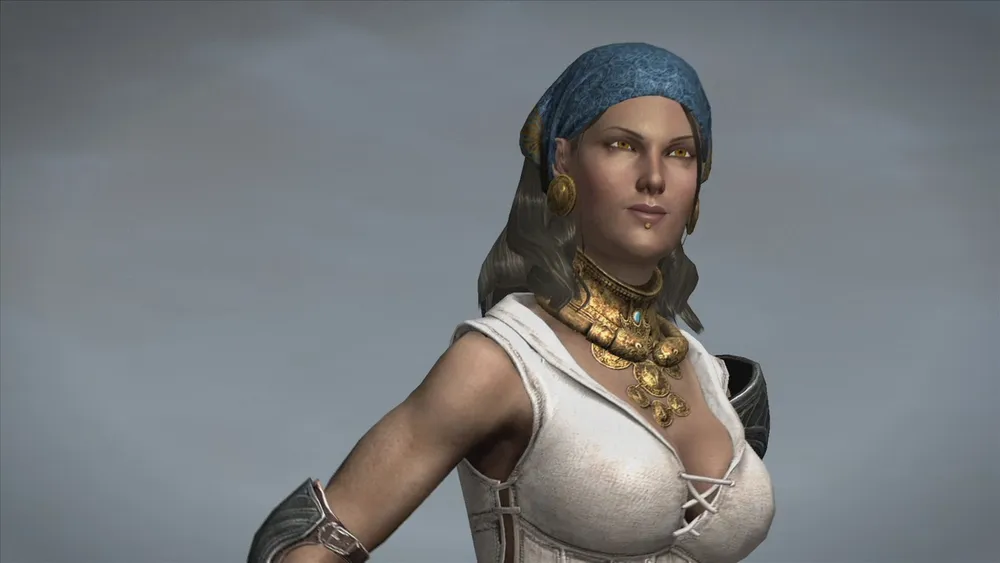
Friendship and Rivalry will be represented by a similarly linear system as it was in Origins.
Friendship is straightforward—the player and companion share similar worldviews and outlooks on life. However, if the hero chooses the path of Rivalry, it does not necessarily mean that the companion has a bad attitude towards them and will try to leave the group. It means there is a conflict of worldviews, and reaching the end of the Rivalry line will not lead to a complete breakdown of the relationship but rather a change in the companion's stance. This time, players are given a real chance to convince their comrade that they were wrong by choosing the Rival path.
Let's take the example of the famous Morrigan from Dragon Age: Origins:
If the hero drowns kittens, does not help those in need, and laughs in the faces of priests—this is the path of Friendship, as Morrigan shares their worldview.
If the hero saves kittens, readily parts with coins for the sake of the needy and the church—Morrigan enters into conflict, meaning she takes the path of Rivalry. But unlike the system in Origins, she does not stop communicating with the hero. She will engage the character in fiery discussions and eventually admits that perhaps it is worth being kinder to people.

Presents (which, by the way, are now much fewer and will all provide a cinematic scene upon giving) also work differently.
A gift will shift the relationship slider on the Friend/Rival scale based on the chosen developmental path of the relationship. This means that a gift to a rival will not shift their slider towards Friendship but will only add points to Rivalry.
How gifts will be received will be directly related to the chosen path of relationship development. For example, a rival might ponder the motives behind this gift or even interpret it completely incorrectly. But here, it all depends on the specific companion.
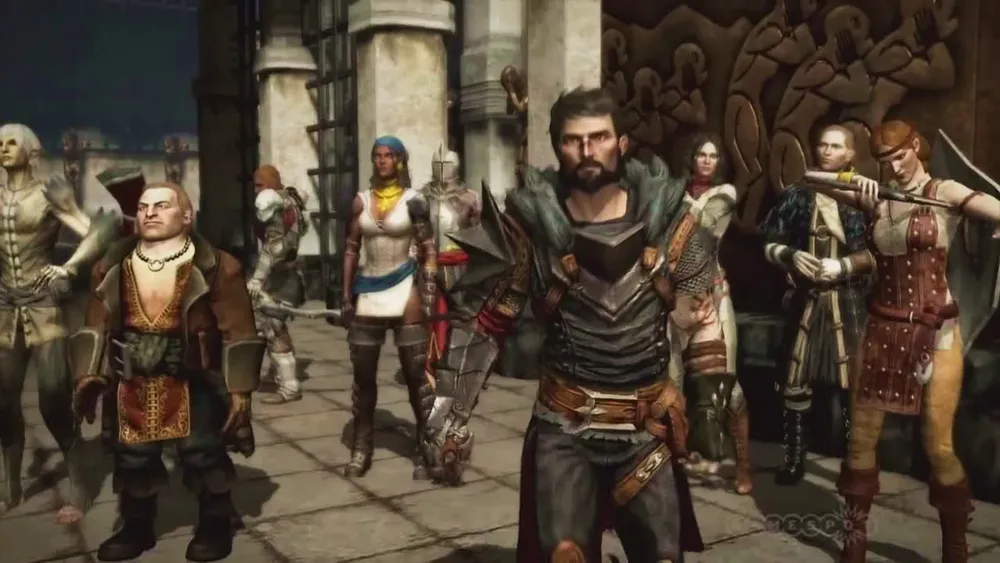
The biggest source of Friendship/Rivalry points will be personal quests. They will be available regardless of the relationship level with the character.
Dialogues will update based on relationship stages just like in Dragon Age: Origins; however, they will be presented in two variants, according to the path of Friendship/Rivalry.
For the most part, relationships will depend on the hero's actions rather than dialogues, so simple chit-chat "around the campfire" will not work in the sequel, and developing relationships with characters that your hero frequently leaves on the "bench" will be quite challenging.
The romantic line will be available both on the Friend and Rival paths—after all, the best relationships often arise from conflicts.
A little off-topic, so to speak, for dessert:
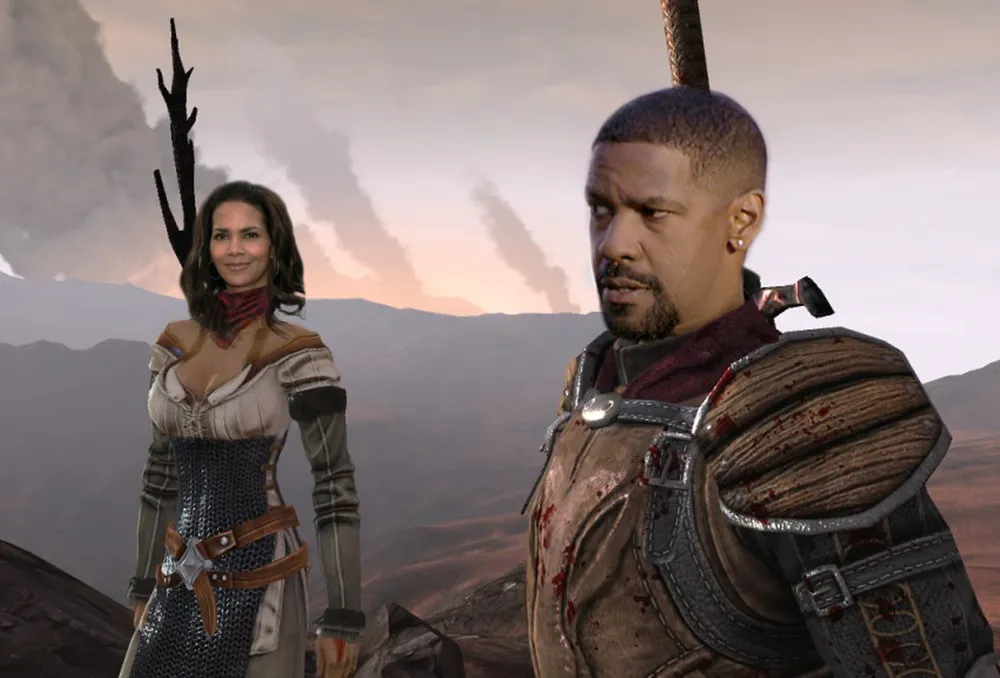
The details about customizing the appearance of the hero and their closest relatives—Bethany, Carver, and the mother of the family—have also been revealed.
Initially, it was assumed that in accordance with the protagonist, only skin/hair color would change, but according to the latest information from David Gaider, the system will be significantly more complicated.
The structure of the face and hairstyle will also change. There are several (exactly how many, David did not specify) types of appearance for the hero's brother and sister that are directly linked to one parameter in the character creation editor (skin color or face structure).
This means that the Bethany, Carver, and Leandra (the mother) that we saw will only exist if the player decides not to experiment and uses the default face of Hawke.
Sources: