
Chronicles of WarCraft III in Russia, or where today's problems with Blizzard originate
There are just seven days left until the release of StarCraft II. And rarely does a Russian gamer not criticize Blizzard: “You release a single for rent, pushing us into a reservation… What a difference with WarCraft 3!”. Everyone is trying hard to pretend they remember the details of a release that happened eight years ago. But how was it really back then? Should we idealize that localization, and where do our current problems with Blizzard actually stem from? Let's reminisce.
The setting is Russia, the time is August 2001. Seventh Wolf and Fargus are still alive, delivering not-embarrassing quality Russian versions, often with translated voiceovers. These pirate localizations were practically the only way to get new games, as the internet wasn’t very developed even in the capital, and licensed copies were for fans, collectors, pro gamers, and those who could wait, since official localizations were delayed by many months. And so, in this tough environment, SoftClub returns to the localization market. They are returning because their first Russian versions arrived in 1998, but then the crisis derailed their plans. In August 2001, two significant events occurred for them – the release of the Russian version of Z: Steel Soldiers (only two months after the global release) and the announcement of a whole line of major localizations from Vivendi, including Empire Earth and, most importantly for us, WarCraft III: Reign of Chaos.
Now, let’s divert from our market and recall what WarCraft 3 meant for players back then, in late 2001. The situation, however, was not much different from today – Blizzard was at the peak of its popularity. The Battle.net network had over five million accounts, Diablo 2 made it into the Guinness Book of Records as the fastest-selling game in history, and everyone was sure this wouldn’t be the last time the company appeared in the world records. Especially considering the announced World of Warcraft in September. Few doubted which game would become the best strategy of 2002. We only had to wait for the release, which, as always with Blizzard, was postponed several times.
In Russia, Blizzard games were also highly respected. Diablo 2 sold 100 thousand copies. For those times and for the Russian market, that figure is enormous. We can thank Battle.net for this – the key was only in licensed boxes and wasn’t generated by keygens. And playing online in D2 was crucial. Therefore, when it came to WarCraft 3, there was nothing to worry about: sales in Russia would be high. It's very possible to take a risk and make a localization of unprecedented quality for our country:
SoftClub approached the localization very seriously. The translation team undertook an expedition to Ireland, where the Vivendi localization center is located. All this was to release their version simultaneously with the English one. This had never happened in our country before – to have simultaneous releases. A truly unique event.
The SoftClub company kept its promise and released the localized version of Warcraft III on the same day as the European release. As Andrey Davletchin, the commercial director of SoftClub, told me, people from Blizzard consider the Russian version the best of the European localizations, while the softclab members themselves prefer the Polish version.
The work on the game proceeded as follows: the translation and voiceover were done here, the assembly, testing, and bug-fixing – there. By the way, the Russian version was the only one in which the names on the maps shown during level loading were displayed in Russian; in all other localizations – only in English. This is a point of pride for us and envy for other companies that translated the game into their languages.
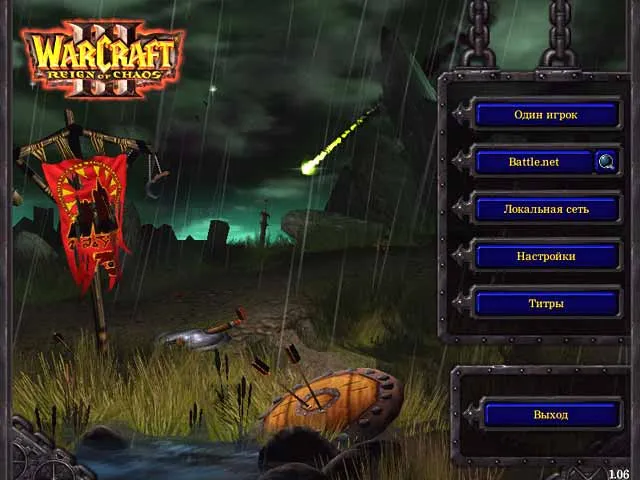
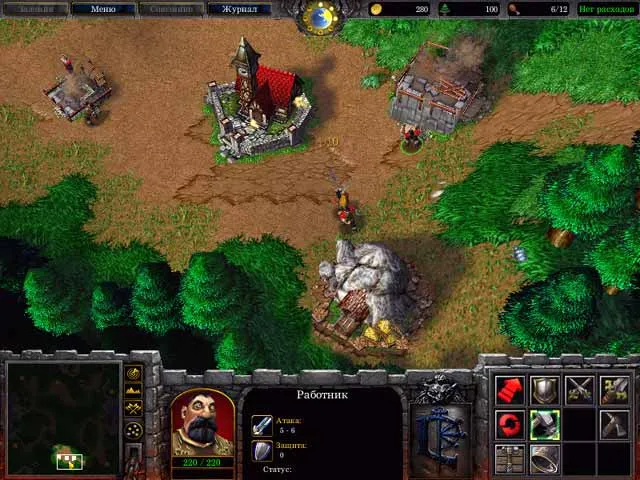
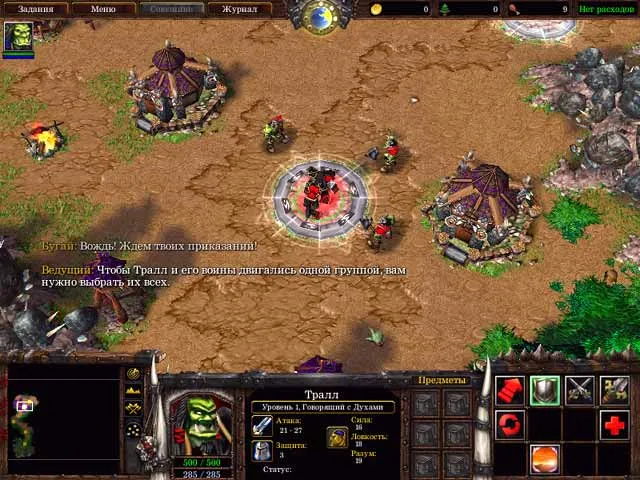
Yes, patches were released on time; the localization, as you can see, turned out to be a monumental event for Russia. But what interests us is that along with the global release, only the DVD-box was available. The jewel release date was shrouded in mystery, and there were rumors that it would not come with a Battle.net key. So all those who shout that WarCraft 3 was launched simultaneously with the global release and the key for a hundred rubles – you are wrong. On the day of the global release, and for the following couple of months, Reign of Chaos could only be purchased for 699 rubles, while the jewel of StarCraft II would be 200 rubles cheaper. On July 5, 2002, only this edition was released:
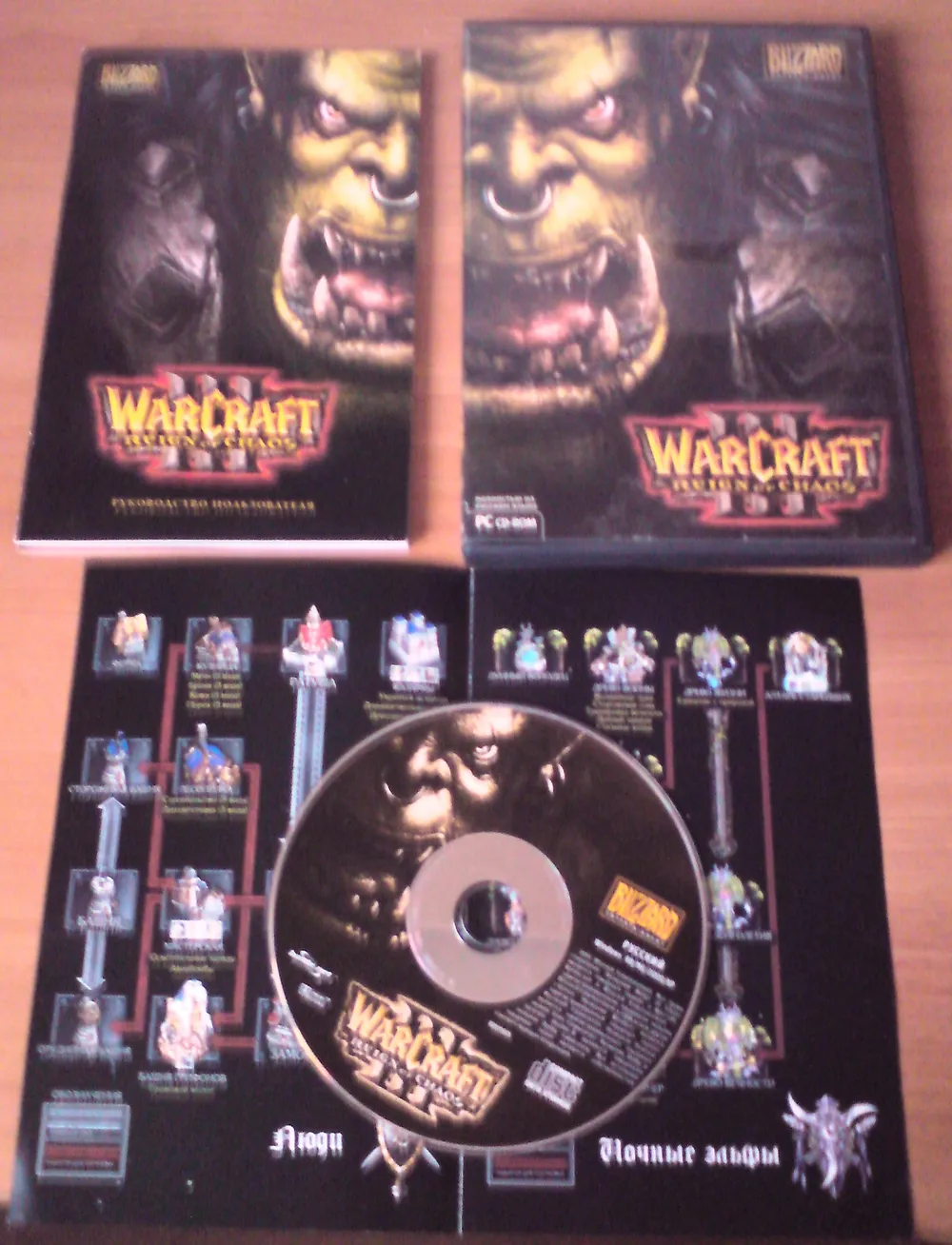
In Battle.net, a strong and respected Russian community formed after the release. This community... was categorically against the release of the jewel with a network key. After all, the situation was quite convenient – the license for 699 was mainly bought by pro gamers and those wanting to hone their skills in Battle.net, while the average player bought pirated copies, stayed on pirate servers, and generally did not interfere with the interested players. But what would happen with the release of the jewel for a hundred rubles? Crowds of Russian school kids would flood into Battle.net, and the glory of the Russian community would come to an end.
But the jewel was released anyway.

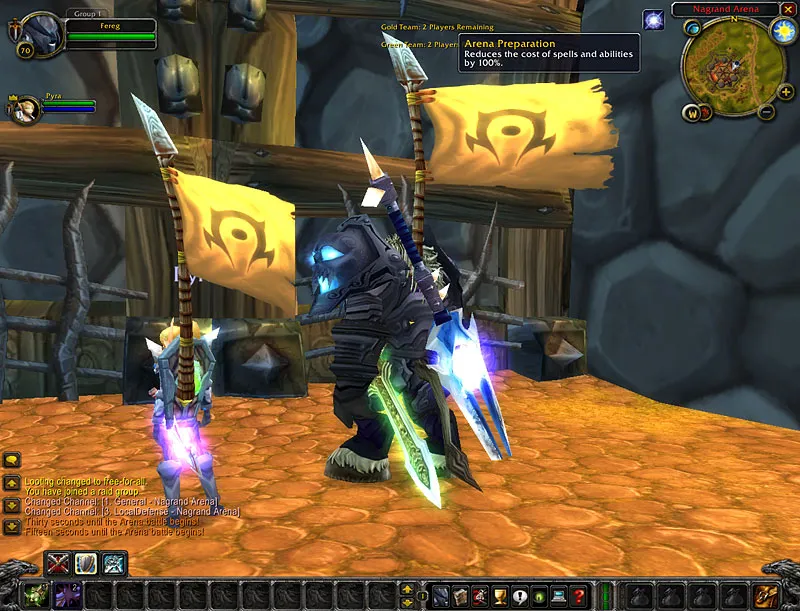
Then came World of Warcraft. Its boxes appeared in Russian stores at European prices and in English, but this didn’t stop the Russians – the legends about the Warsong server would be told to children all across Europe for a long time. In the end, Russian players had to be practically herded into a reservation, forbidding the installation of the Russian language pack on Euro servers and opening the transfer only in one direction.

It seems to me that Blizzard fundamentally doesn’t understand what to do with Russia. On one hand, it’s a potentially powerful and paying market, and on the other – mostly it’s a crowd of low-quality school kids that need to be filtered out at remote approaches to European and other world servers. But at the same time, they want to extract as much money from them as possible. In StarCraft II, Blizzard is doing radically the opposite from what they did with WarCraft 3 – not just isolating Russian players, but also effectively renting the game out using an MMO scheme. The threshold for Euro servers is serious – the Russian boxed version allows access only to Russian servers, the Russian version cannot be transformed into the European one in any way, and the Euro box is also officially unavailable for purchase. Furthermore, the European version does not allow playing in Russian. So, you either have to acquire a key for about 2000 rubles and download the entire client, or order it from abroad, and thereby only have the English version. Others are locked in a Russian reservation, but it is said that this restriction may be lifted someday. Apparently, when the players from Euro servers want some excitement.

What is the moral of this story? You cannot allow all Russians into communities like Battle.net for a hundred rubles. It will not bring anything good, since in the West, the average player’s age is older, and there are age ratings and an internet communication culture that is followed.
But what about StarCraft II? There's nothing to say just yet. In today’s policy of Blizzard, there must be some far-reaching sense, but it is not possible to understand it yet. Perhaps they don’t understand it themselves, considering how many times they have broken promises in recent months. Or maybe this is just an experiment. In any case, this should only be discussed a couple of months after the release.
And anyway, this is in some way a consequence of what happened eight years ago when the key for the global Battle.net cost a mere hundred rubles for Russians.
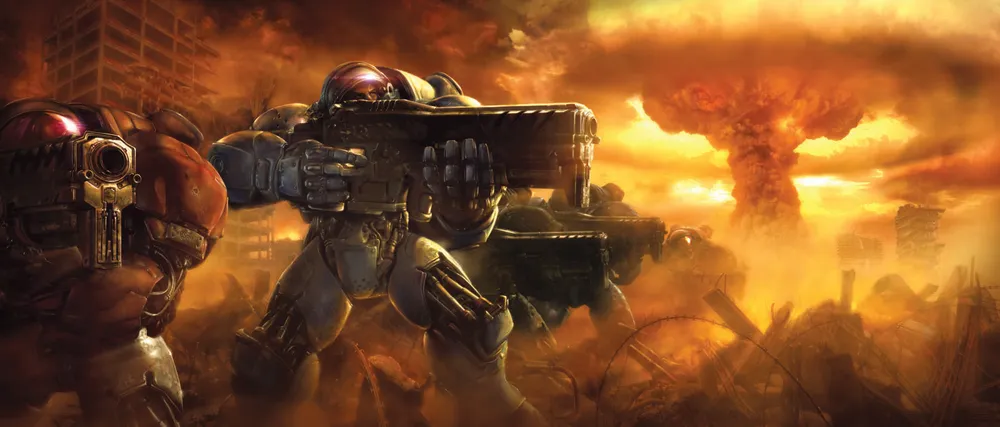
And now, with just a week left until the release and more than four months until the first keys from the StarCraft II jewels expire, let’s think about more pleasant things. I don’t know what specifically is more pleasant for you in the upcoming masterpiece, but for me, StarCraft II is also another stage in the growth of the quality and practically perfect collector's editions from Blizzard. So this week, I will definitely talk about the collector's edition of WarCraft 3. It’s still too early to think about the bad, as the release is coming, unlike any other in many years!
I think the readers of the WarCraft 3 blog understand this better than anyone else.